What Is Lp Gas Vs Propane
Understanding the difference between LP Gas and Propane can be confusing, as the terms are often used interchangeably. This guide aims to clarify the relationship between these two fuel sources, highlighting their similarities, differences, and key considerations for their use.
What is LP Gas?
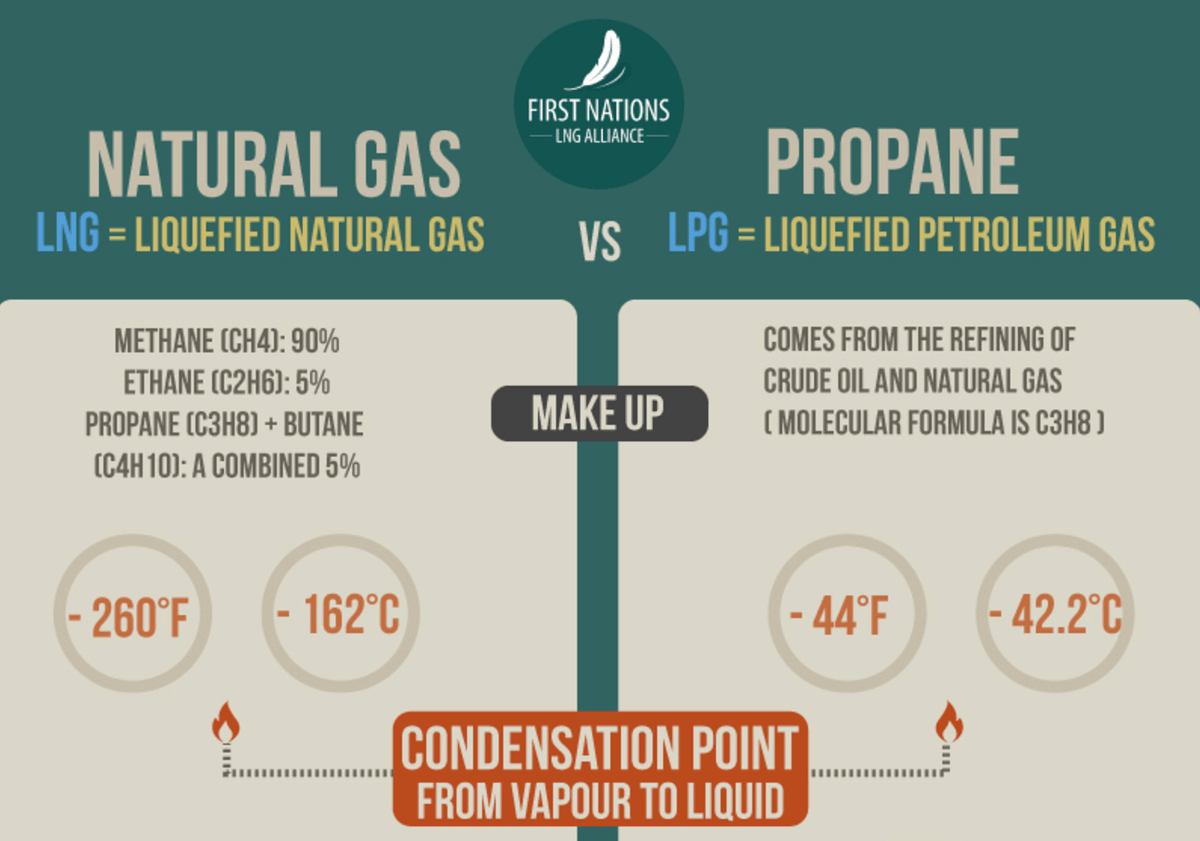
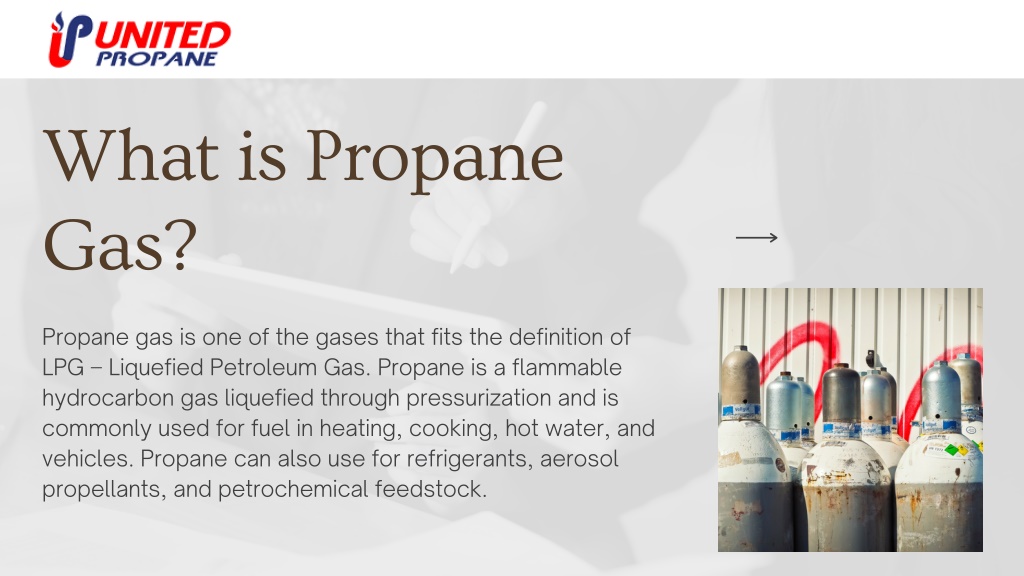
LP Gas stands for Liquefied Petroleum Gas. It’s a broader term encompassing a variety of hydrocarbon gases that can be liquefied under moderate pressure. Think of it as an umbrella term.
These gases are primarily derived from two sources: crude oil refining and natural gas processing. During these processes, the hydrocarbons are separated and purified, resulting in various LPG products.
Examples of LP Gases include:
- Propane
- Butane
- Isobutane
- Mixtures of these gases
Essentially, LP Gas is a category that includes propane, butane, and other similar gases, all in a liquid state under pressure. When the pressure is released, they revert to their gaseous state, making them usable as fuel.
What is Propane?
Propane is a specific type of LP Gas. It's a three-carbon alkane with the chemical formula C3H8. In the grand scheme of LP Gases, propane is the most commonly used and readily available.
Propane is a colorless and odorless gas in its natural state. An odorant, typically ethyl mercaptan, is added to propane before distribution. This gives it a distinct, pungent smell (often described as rotten eggs) making leaks easily detectable, a crucial safety feature.
Propane is valued for its energy density, clean-burning properties, and versatility. It's used in a wide range of applications, from heating homes and powering vehicles to fueling grills and industrial equipment.
Key Properties of Propane:
- High Energy Content: Propane provides a significant amount of energy per unit volume.
- Clean Burning: It produces relatively low emissions compared to other fossil fuels.
- Versatile: Propane can be used in numerous applications.
- Portable: Easily stored and transported in pressurized tanks.
The Relationship: LP Gas vs. Propane
The relationship between LP Gas and Propane is straightforward: Propane is an LP Gas. It's a specific type within the broader category of Liquefied Petroleum Gases.
To visualize it: imagine a fruit basket. The basket itself is "LP Gas," and inside the basket, you have various fruits like apples, oranges, bananas, and a prominent "Propane" fruit that takes up a significant portion of the basket. The propane fruit is one type of fruit (LP Gas), but it’s also a member of the overall fruit basket (LP Gas).
Why the Confusion?
The terms "LP Gas" and "Propane" are often used interchangeably because, in many contexts, propane is the dominant LP Gas. Especially in residential and commercial settings, when someone refers to "LP Gas," they are very often referring to propane.
The widespread use of propane has led to a simplification where the general term "LP Gas" becomes almost synonymous with the specific gas "Propane." This is similar to using the term "soda" when you specifically mean "cola." While "cola" is a type of "soda," the terms become interchangeable in everyday conversation.
Applications of Propane and LP Gas
Because propane is the most common LP Gas, its applications are virtually identical to those commonly attributed to LP Gas. Here's a look at some of the key uses:
Residential Uses:
- Heating: Propane furnaces, boilers, and space heaters are common for home heating.
- Water Heating: Propane water heaters provide hot water for showers, laundry, and dishwashing.
- Cooking: Propane stoves and ovens offer precise temperature control for cooking.
- Clothes Drying: Propane dryers are an energy-efficient alternative to electric dryers.
- Fireplaces: Propane fireplaces provide a convenient and clean-burning source of warmth and ambiance.
- Grilling: Propane grills are a popular choice for outdoor cooking.
Commercial and Industrial Uses:
- Forklifts: Propane-powered forklifts offer clean and efficient operation in warehouses and factories.
- Welding: Propane is used as a fuel gas in welding and cutting applications.
- Crop Drying: Propane is used to dry crops like corn and soybeans after harvesting.
- Power Generation: Propane generators provide backup power for businesses and homes during outages.
- Fleet Vehicles: Some businesses utilize propane-powered vehicles to reduce emissions and fuel costs.
Agricultural Uses:
- Heating Livestock Buildings: Propane heaters maintain comfortable temperatures for livestock.
- Irrigation Pumps: Propane engines power irrigation pumps for watering crops.
- Weed Control: Propane torches are used for controlled burning to eliminate weeds.
Advantages of Using Propane (and LP Gas in general):
- Energy Efficiency: Propane provides a high energy output compared to other fuels. This translates to lower energy costs in many applications.
- Lower Emissions: Propane burns cleaner than gasoline, diesel, and other fossil fuels, producing fewer greenhouse gases and air pollutants.
- Cost-Effectiveness: While propane prices fluctuate, it's often a more affordable fuel option than electricity or other alternatives, especially in areas where natural gas is not readily available.
- Versatility: Propane can be used for a wide range of applications, making it a convenient and adaptable fuel source.
- Portability: Propane can be easily stored and transported in portable tanks, making it suitable for remote locations and temporary applications.
- Reliability: Propane is a reliable fuel source, not subject to the same interruptions as electricity during storms or other emergencies.
Disadvantages of Using Propane (and LP Gas in general):
- Flammability: Propane is a highly flammable gas and requires careful handling and storage to prevent accidents. Proper ventilation and leak detection are essential.
- Tank Storage: Propane requires a storage tank, which can take up space and may need to be refilled periodically.
- Price Fluctuations: Propane prices can fluctuate depending on market conditions, supply and demand, and seasonal factors.
- Potential for Leaks: Propane leaks can be dangerous and require immediate attention. The added odorant helps detect leaks, but regular inspections are still important.
- Environmental Impact: While cleaner than some fossil fuels, propane combustion still produces carbon dioxide, a greenhouse gas.
Safety Considerations When Using Propane:
Propane safety is paramount. Here are crucial safety measures to follow:
- Leak Detection: If you smell gas, immediately evacuate the area and call your propane supplier or the fire department. Do not use any electrical devices or open flames.
- Proper Ventilation: Ensure proper ventilation around propane appliances to prevent carbon monoxide buildup. Install carbon monoxide detectors and check them regularly.
- Regular Inspections: Have your propane appliances and system inspected annually by a qualified technician.
- Tank Maintenance: Keep your propane tank in good condition and protect it from damage.
- Safe Storage: Store propane tanks upright and in a well-ventilated area away from ignition sources.
- Carbon Monoxide Detectors: Install and maintain carbon monoxide detectors in your home.
- Emergency Plan: Have a plan in place in case of a propane leak or other emergency.
Making the Right Choice: Is Propane Right for You?
Deciding whether to use propane (or another LP Gas, though it's usually propane) depends on several factors:
- Availability: Is propane readily available in your area? Consider the proximity of propane suppliers and delivery services.
- Cost: Compare the cost of propane to other fuel options in your area, considering both the initial investment in equipment and the ongoing fuel costs.
- Application: What will you be using propane for? Consider the specific requirements of your application and whether propane is a suitable fuel source.
- Environmental Concerns: How important are environmental considerations to you? While propane is cleaner than some fuels, it's not a completely green solution.
- Space Considerations: Do you have enough space for a propane tank?
- Safety Concerns: Are you comfortable with the safety precautions required for propane use?
By carefully evaluating these factors, you can make an informed decision about whether propane is the right choice for your needs.
In Conclusion
LP Gas is a general term encompassing several liquefied petroleum gases, while propane is a specific and the most common type of LP Gas. Understanding this distinction allows for more informed decisions when considering fuel options for various applications. While the terms are often used interchangeably, recognizing that propane is a subset of LP Gas, ensures a better understanding of the fuel's properties, uses, and safety requirements. Remember to always prioritize safety and consult with qualified professionals for installation and maintenance of propane systems.