What Is Normal Indoor Humidity Level
Maintaining proper indoor humidity is crucial for comfort, health, and the longevity of your building’s structure and HVAC systems. But what exactly constitutes a “normal” or ideal indoor humidity level, and how can you achieve and maintain it? This article delves into the specifics, addressing the needs of homeowners, HVAC technicians, and facility managers alike.
Understanding Humidity and Its Impact
Humidity refers to the amount of moisture present in the air. We often measure humidity as relative humidity (RH), which is expressed as a percentage. Relative humidity represents the amount of water vapor in the air compared to the maximum amount of water vapor the air can hold at a specific temperature. Warmer air can hold more moisture than colder air, which is why humidity often feels higher in the summer.
Too much or too little humidity can lead to a variety of problems:
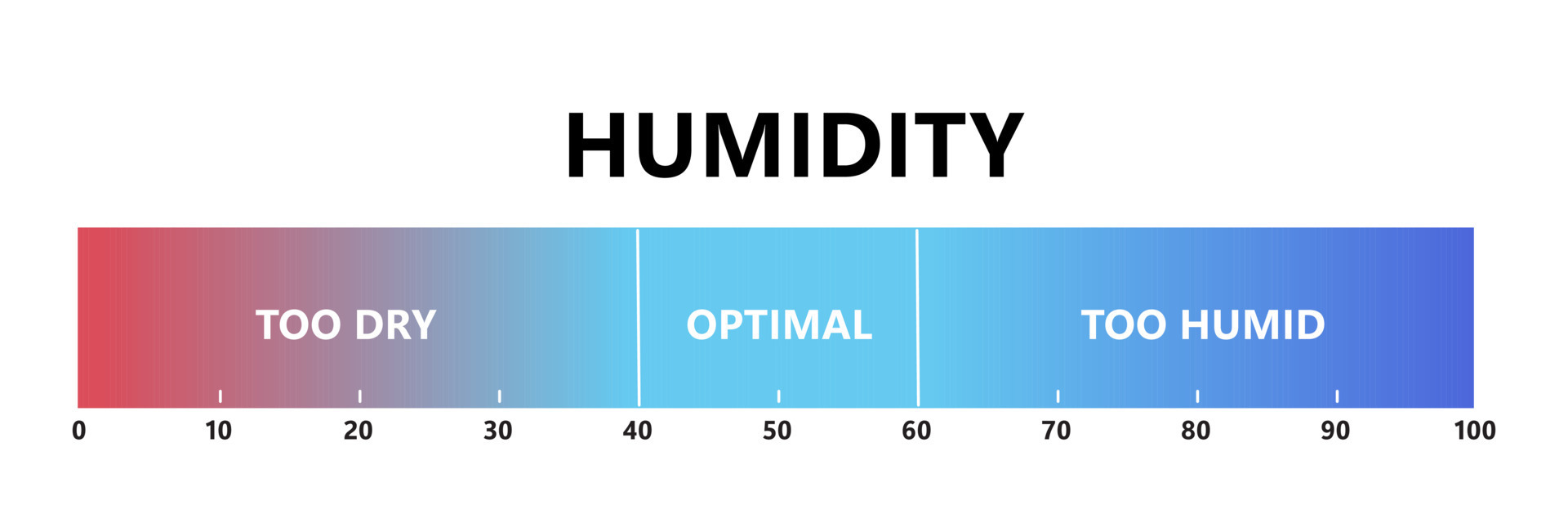
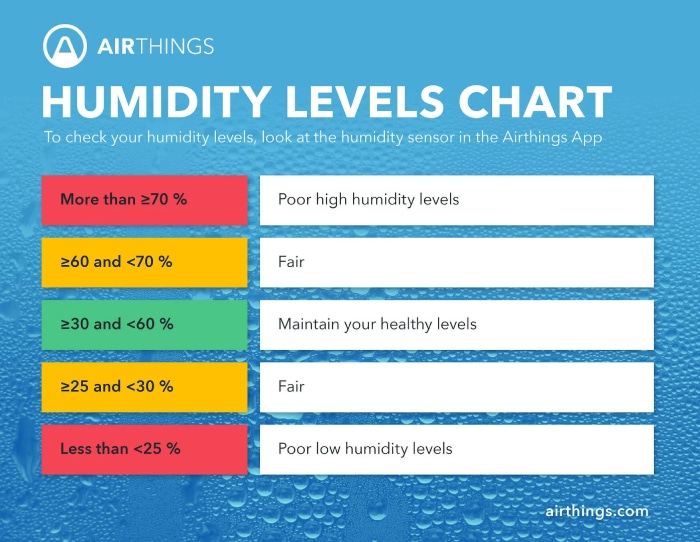
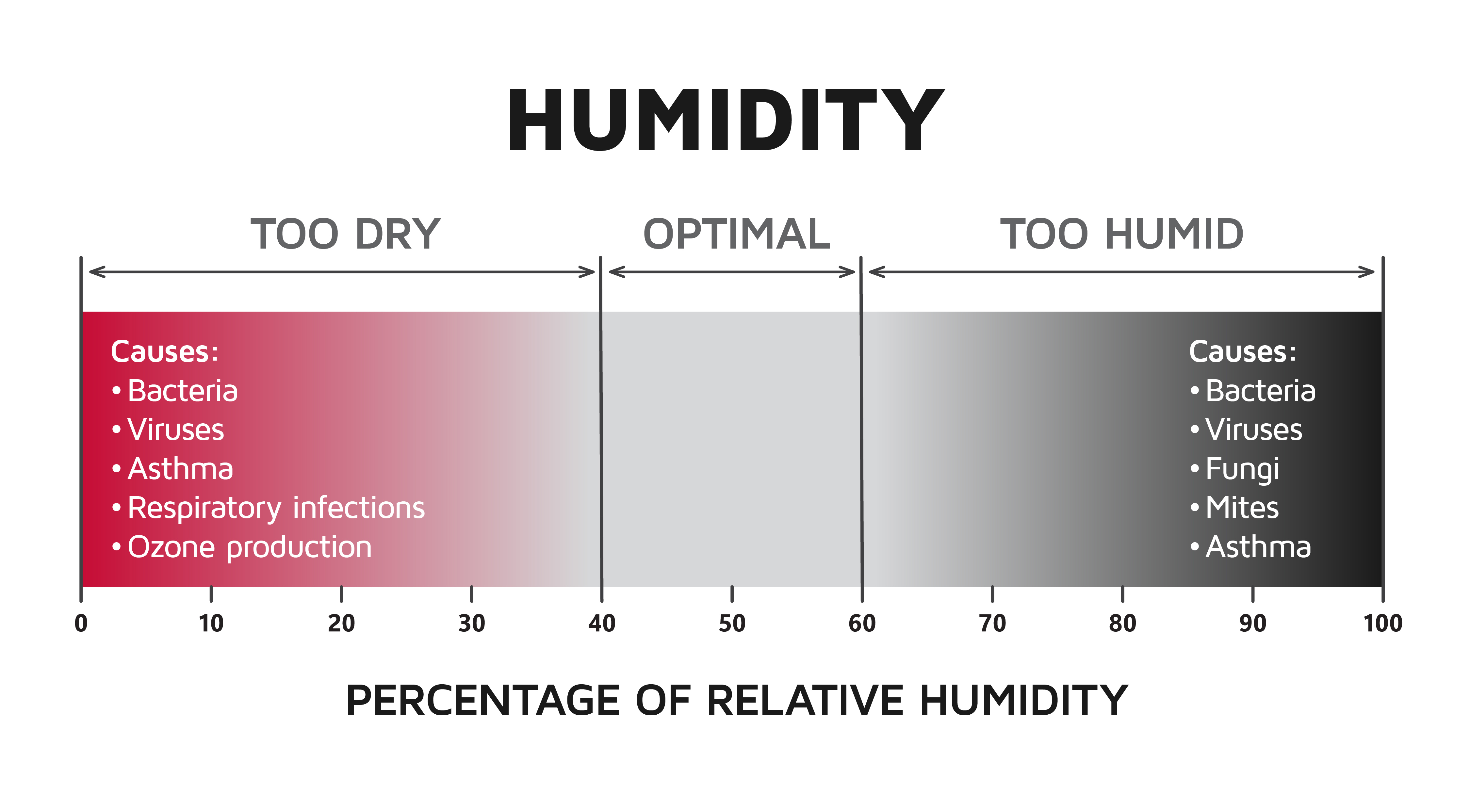
- High Humidity (Above 60% RH): Creates a breeding ground for mold and mildew, exacerbates allergies and asthma, fosters condensation that can damage walls and ceilings, and makes it feel hotter than it actually is.
- Low Humidity (Below 30% RH): Dries out skin and mucous membranes, increases susceptibility to respiratory infections, damages wooden furniture and flooring, and leads to static electricity.
The Ideal Indoor Humidity Range
Generally, the ideal indoor humidity level is between 30% and 60% relative humidity. However, a more specific target range is often recommended:
- Summer: 30-50% RH
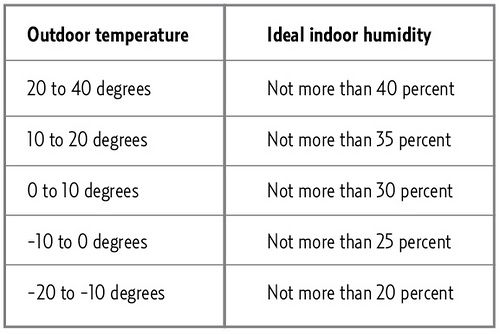
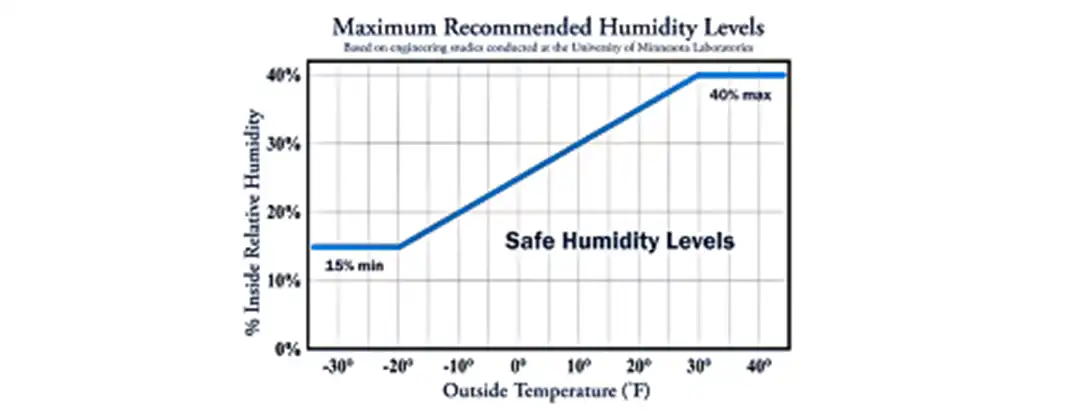
- Winter: 30-40% RH
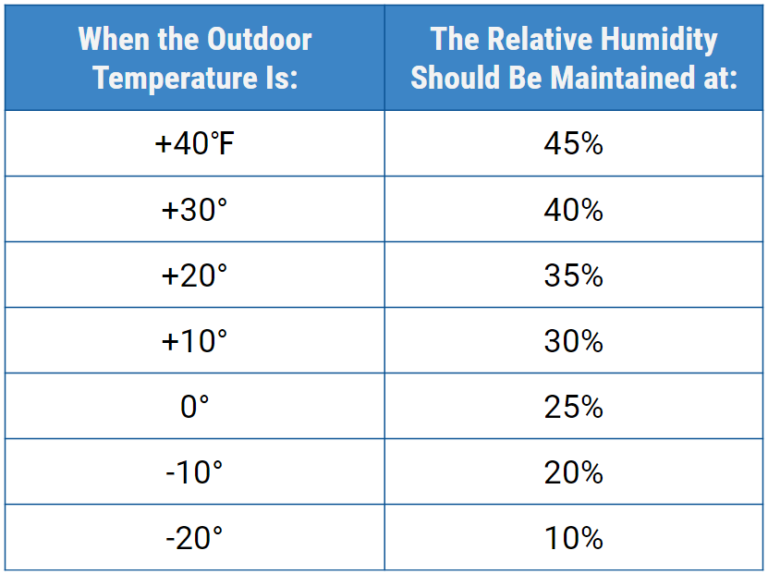
The lower end of the range during winter is recommended because cold outdoor air entering the building will have a lower capacity to hold moisture once heated. Maintaining a higher humidity level in winter can lead to condensation on windows and walls, creating a risk of mold growth.
Factors Affecting Indoor Humidity
Several factors contribute to the humidity levels inside a building:
- Outdoor Climate: The prevailing weather conditions significantly impact indoor humidity. Humid climates naturally lead to higher indoor humidity levels.
- Ventilation: Poor ventilation traps moisture inside, while adequate ventilation helps to regulate humidity.
- Occupant Activities: Activities like showering, cooking, and doing laundry release moisture into the air.
- Building Envelope: Leaks in the building envelope, such as cracks in the foundation or poorly sealed windows, allow moisture to enter.
- HVAC System: An improperly sized or malfunctioning HVAC system can contribute to humidity problems.
Measuring Indoor Humidity
Measuring indoor humidity is relatively simple and inexpensive. You can use a hygrometer or a humidity sensor, which are readily available at most hardware stores. Digital hygrometers are typically more accurate and easier to read than analog models. Many smart thermostats also include built-in humidity sensors.
For more precise measurements, especially in commercial buildings, calibrated hygrometers and data loggers are used to monitor humidity levels over time and identify potential problem areas.
Controlling Indoor Humidity: Solutions for Homeowners
Homeowners have several options for controlling indoor humidity:
- Dehumidifiers: These devices remove excess moisture from the air. They are particularly useful in basements or other areas prone to dampness. Portable dehumidifiers are suitable for smaller spaces, while whole-house dehumidifiers can be integrated into the HVAC system.
- Humidifiers: These devices add moisture to the air. They are commonly used during winter to combat dry air. Like dehumidifiers, humidifiers come in portable and whole-house models. Avoid over-humidifying, as this can lead to mold growth.
- Air Conditioners: Air conditioners not only cool the air but also remove moisture as a byproduct of the cooling process. Ensure your air conditioner is properly sized for your space to maximize its dehumidifying capabilities.
- Exhaust Fans: Use exhaust fans in bathrooms and kitchens to remove moisture generated during showering and cooking.
- Ventilation: Open windows (when weather permits) to allow fresh air to circulate and reduce humidity. Consider installing a heat recovery ventilator (HRV) or energy recovery ventilator (ERV) to improve ventilation while minimizing energy loss. An HRV transfers heat between incoming and outgoing air, while an ERV also transfers moisture.
- Addressing Leaks: Seal any cracks or leaks in the building envelope to prevent moisture from entering.
Controlling Indoor Humidity: Solutions for HVAC Technicians and Facility Managers
HVAC technicians and facility managers have a broader range of tools and strategies available to manage indoor humidity in larger buildings:
- HVAC System Optimization: Ensure the HVAC system is properly sized and maintained. Oversized systems can cycle on and off too frequently, reducing their dehumidifying effectiveness. Regular maintenance, including cleaning coils and replacing filters, is essential for optimal performance.
- Dedicated Outdoor Air System (DOAS): A DOAS is a dedicated system that provides fresh, conditioned outdoor air to the building. This helps to maintain proper ventilation and humidity levels without overloading the main HVAC system.
- Desiccant Dehumidification: Desiccant dehumidifiers use a desiccant material to absorb moisture from the air. They are particularly effective in situations where low humidity levels are required, such as in industrial processes or storage facilities.
- Building Automation Systems (BAS): A BAS can be used to monitor and control humidity levels throughout the building. This allows for proactive adjustments to the HVAC system to maintain optimal conditions.
- Humidity Sensors and Data Logging: Implement a network of humidity sensors throughout the building to continuously monitor humidity levels. Use data logging to track trends and identify potential problem areas.
- Preventative Maintenance: Implement a preventative maintenance program to identify and address potential humidity issues before they become major problems. This includes regular inspections of the building envelope, HVAC system, and plumbing.
Cost, Efficiency, and Lifespan Considerations
When selecting humidity control equipment, consider the following factors:
- Cost: Initial purchase price, installation costs, and operating costs (energy consumption, maintenance) should be factored into the decision.
- Efficiency: Look for energy-efficient models with high Energy Star ratings.
- Lifespan: Choose equipment with a proven track record of reliability and a reasonable lifespan. Properly maintained equipment will last longer and perform better. Consider the warranty offered by the manufacturer.
For example, a portable dehumidifier might be a cost-effective solution for a small apartment, while a whole-house dehumidifier would be more appropriate for a larger home with chronic humidity problems. Similarly, a DOAS might be a worthwhile investment for a large commercial building, even though the initial cost is higher, due to the long-term benefits of improved indoor air quality and energy efficiency.
Conclusion
Maintaining the correct indoor humidity level is essential for comfort, health, and the longevity of your building and its systems. By understanding the factors that influence humidity, measuring humidity levels accurately, and implementing appropriate control measures, you can create a healthier and more comfortable indoor environment. Whether you are a homeowner, HVAC technician, or facility manager, taking proactive steps to manage indoor humidity will pay dividends in the long run.