What Is Outside Diameter Of 1 2 Copper Pipe

The world of HVAC (Heating, Ventilation, and Air Conditioning) can seem like a maze of pipes, wires, and technical jargon. Understanding the basics, especially when it comes to materials like copper piping, is crucial for success in this thriving industry. One frequently asked question, particularly among those new to the trade, revolves around the outside diameter (OD) of 1/2 inch copper pipe. This article aims to clarify this seemingly simple concept, providing a comprehensive overview that will benefit HVAC students, seasoned technicians, and employers alike.
The Truth About 1/2 Inch Copper Pipe: It's Not What You Think
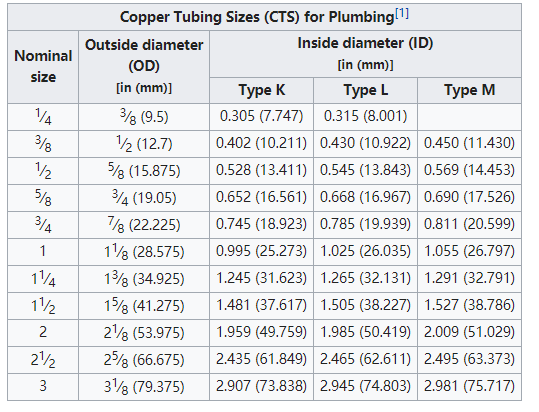
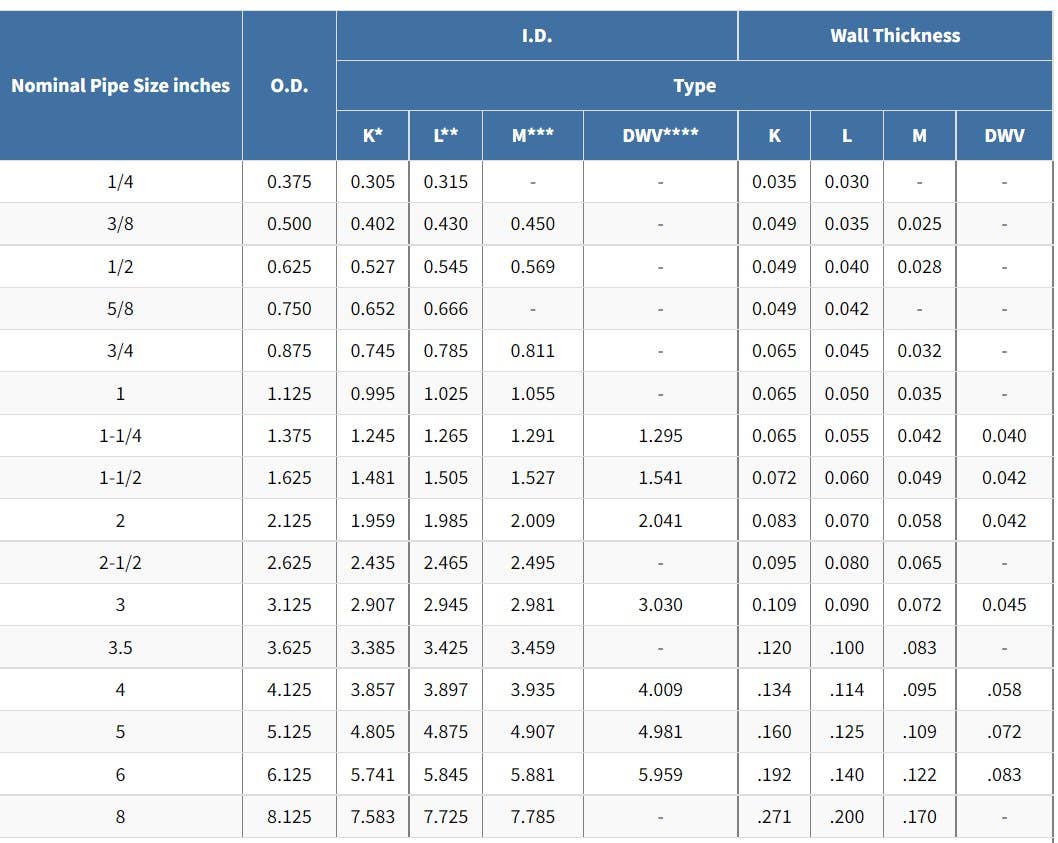
Let's cut straight to the chase: a 1/2 inch copper pipe does not have an outside diameter of exactly 1/2 inch. This is a common point of confusion. The designation "1/2 inch" refers to the nominal size of the pipe, which is approximately equal to the inside diameter. This discrepancy stems from historical manufacturing standards and the way pipes were originally sized based on their internal flow capacity.
The actual outside diameter of 1/2 inch copper pipe varies slightly depending on the type of copper tubing. The two most common types encountered in HVAC are:
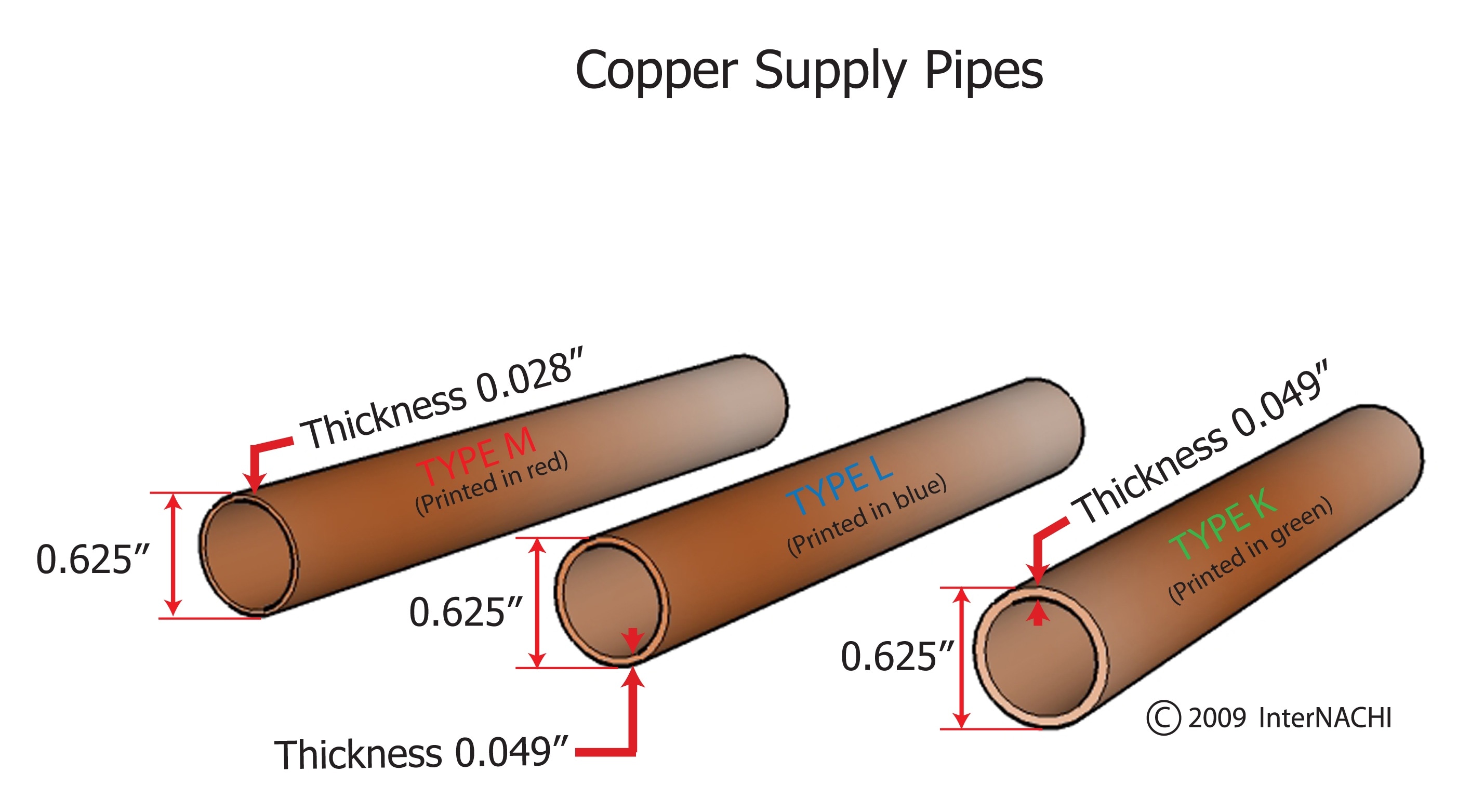
- Type L Copper: Commonly used for water lines and some refrigerant lines. Its outside diameter is approximately 0.625 inches (5/8 inch).
- Type K Copper: Thicker walled and often used for underground installations and high-pressure applications. Its outside diameter is also approximately 0.625 inches (5/8 inch).
- Type M Copper: The thinnest-walled option, primarily used for domestic water lines. Its outside diameter is also approximately 0.625 inches (5/8 inch).
Therefore, regardless of whether it's Type K, L, or M, you can generally expect a 1/2 inch copper pipe to have an outside diameter of around 0.625 inches.
Why is Understanding OD Important?
Accurate measurements are paramount in HVAC work. Knowing the outside diameter of copper pipe is essential for several reasons:
- Proper Fitting Selection: Choosing the correct fittings (couplings, elbows, tees, etc.) depends on the OD of the pipe. Using the wrong size fitting can lead to leaks, pressure drops, and system failures.
- Accurate Brazing and Soldering: Proper fit-up ensures strong, leak-free joints. Understanding the OD helps ensure the correct overlap and capillary action for successful brazing or soldering.
- System Design and Calculations: Accurate pipe dimensions are needed for calculating flow rates, pressure drops, and overall system performance. This is critical for designing efficient and reliable HVAC systems.
- Troubleshooting: Identifying the correct pipe size is crucial when diagnosing problems in existing systems. Knowing the OD can help you quickly determine if the proper materials were used and if any modifications are needed.
The HVAC Industry: A Booming Career Path
The HVAC industry is experiencing robust growth, driven by factors such as increasing construction activity, stricter energy efficiency standards, and the growing demand for indoor air quality solutions. The Bureau of Labor Statistics projects a 6% growth in employment for HVAC mechanics and installers from 2022 to 2032, about as fast as the average for all occupations. This translates to roughly 38,000 job openings each year, on average, over the decade.
This positive outlook creates ample opportunities for skilled professionals. Entry-level positions, such as apprenticeships, offer hands-on training and a pathway to a fulfilling career. Experienced technicians can specialize in areas like commercial refrigeration, building automation, or sustainable energy solutions, further boosting their earning potential.
Salary Expectations
The median annual wage for HVAC mechanics and installers was $59,620 in May 2023. The lowest 10 percent earned less than $37,680, and the highest 10 percent earned more than $89,700. Salary can vary based on experience, location, specialization, and the employer.
Compensation often increases with certifications and specialized skills.
Essential Certifications for HVAC Professionals
While not always mandatory, certifications can significantly enhance your career prospects and earning potential. Here are some key certifications in the HVAC field:
- EPA Section 608 Certification: Required for anyone who handles refrigerants. This certification demonstrates competency in refrigerant recovery, recycling, and reclamation, preventing environmental damage.
- North American Technician Excellence (NATE): NATE certification is a widely recognized industry standard. It validates a technician's knowledge and skills in specific HVAC areas, such as installation, service, and repair. Earning NATE certification can lead to higher pay and increased job opportunities.
- HVAC Excellence: Another respected certification organization, HVAC Excellence offers a range of certifications that assess technical competency and knowledge.
- State and Local Licenses: Many states and municipalities require HVAC contractors to be licensed. Licensing requirements vary, but typically involve passing an exam and demonstrating relevant work experience.
Real-World Career Paths
The HVAC industry offers diverse career paths. Here are a few examples:
- HVAC Technician: Installs, maintains, and repairs heating, ventilation, and air conditioning systems.
- Refrigeration Technician: Specializes in refrigeration systems, such as those found in supermarkets, restaurants, and industrial facilities.
- Building Automation Specialist: Installs and programs building automation systems that control HVAC, lighting, and other building systems.
- HVAC Design Engineer: Designs HVAC systems for new and existing buildings.
- HVAC Sales Engineer: Sells HVAC equipment and services to commercial and industrial clients.
- HVAC Business Owner/Contractor: Manages and operates their own HVAC company.
Advice for Employers: Finding and Retaining Top Talent
In today's competitive job market, attracting and retaining skilled HVAC professionals is crucial for business success. Here are some tips for employers:
- Offer Competitive Wages and Benefits: Pay fair wages, provide comprehensive health insurance, and offer retirement savings plans to attract top talent.
- Invest in Training and Development: Provide opportunities for employees to upgrade their skills and certifications. This not only benefits the employees but also improves the quality of your services.
- Create a Positive Work Environment: Foster a culture of respect, teamwork, and open communication.
- Recognize and Reward Employee Performance: Acknowledge and reward employees for their contributions to the company's success.
- Embrace Technology: Utilize modern tools and technologies to improve efficiency and productivity. This will also make your company more attractive to tech-savvy workers.
Staying Ahead of the Curve: Industry Trends
The HVAC industry is constantly evolving. Staying abreast of the latest trends is essential for both technicians and employers. Some key trends include:
- Energy Efficiency: Increasing demand for energy-efficient HVAC systems is driving innovation in equipment design and control technologies.
- Smart HVAC Systems: Smart thermostats, sensors, and cloud-based controls are becoming increasingly common, allowing for remote monitoring and optimization of HVAC systems.
- Sustainable Refrigerants: The industry is transitioning towards more environmentally friendly refrigerants with lower global warming potential (GWP).
- Indoor Air Quality (IAQ): Growing awareness of the importance of IAQ is driving demand for air purification systems and improved ventilation strategies.
- Renewable Energy Integration: Integrating HVAC systems with renewable energy sources, such as solar and geothermal, is becoming increasingly popular.
Conclusion
Understanding the fundamentals of HVAC, including seemingly simple concepts like the outside diameter of copper pipe, is essential for success in this dynamic and rewarding industry. Whether you're a student, a seasoned technician, or an employer, continuous learning and adaptation are key to thriving in the ever-evolving world of HVAC. Remember that the nominal size of 1/2 inch copper pipe translates to an approximate outside diameter of 0.625 inches (5/8 inch), and this knowledge is critical for accurate fitting selection, brazing/soldering, and system design. By embracing certifications, staying informed about industry trends, and investing in your skills or workforce, you can unlock the full potential of a career in HVAC.