What Is Saturation Temperature In Hvac

Understanding Saturation Temperature in HVAC Systems
In the world of heating, ventilation, and air conditioning (HVAC), understanding key concepts is crucial for efficient system operation, maintenance, and troubleshooting. One such concept is saturation temperature. While it might sound complex, grasping its meaning and implications is essential for homeowners, HVAC technicians, and facility managers alike.
What is Saturation Temperature?
Saturation temperature, in the context of HVAC, refers to the temperature at which a refrigerant changes its state—either from a liquid to a gas (boiling) or from a gas to a liquid (condensing)—at a given pressure. It's the point where the refrigerant can exist in both liquid and gaseous phases simultaneously in a state of equilibrium.
Think of it like boiling water. At standard atmospheric pressure (14.7 psi), water boils at 212°F (100°C). This is the saturation temperature for water at that pressure. If you change the pressure, you change the saturation temperature. The same principle applies to refrigerants in your HVAC system.
How Saturation Temperature Relates to Refrigerant Pressure
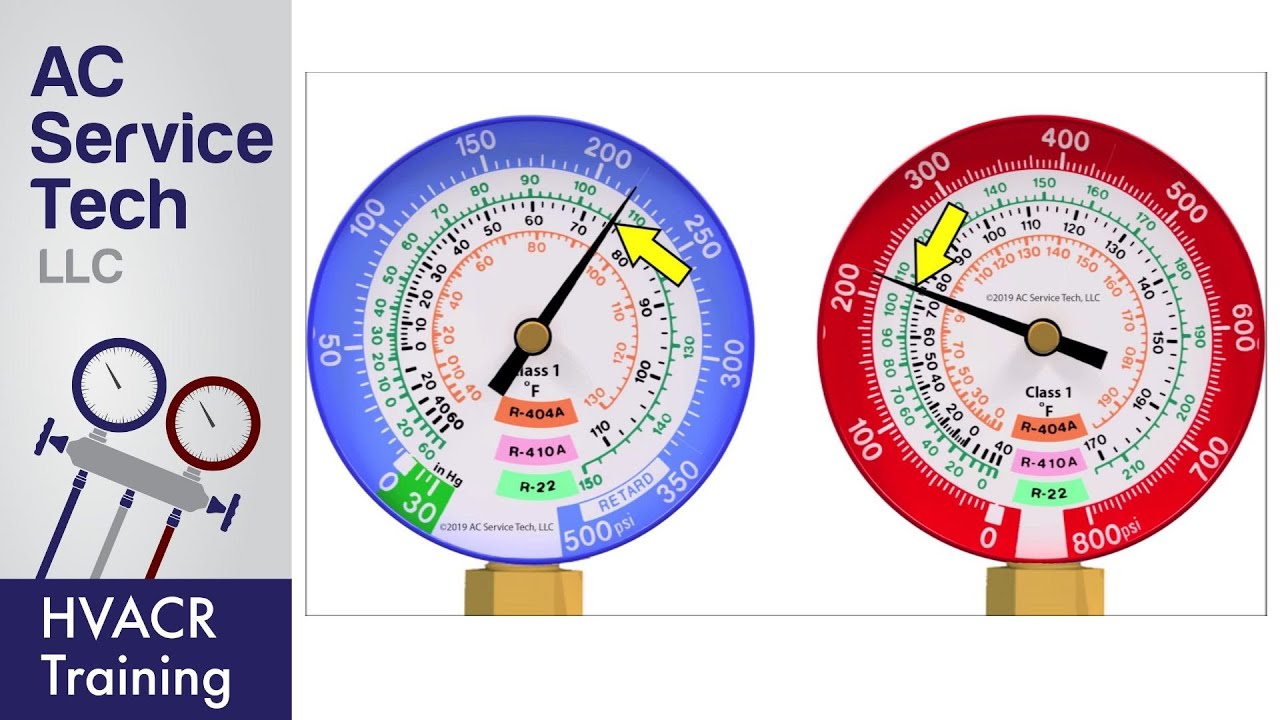
The saturation temperature and refrigerant pressure are directly linked. This relationship is defined by a pressure-temperature (PT) chart, a vital tool for HVAC technicians. Each refrigerant has its own unique PT chart that specifies the saturation temperature corresponding to a particular pressure. The higher the pressure, the higher the saturation temperature, and vice versa.
For example, R-410A, a common refrigerant, has a different PT chart than R-22 (a refrigerant now being phased out). Knowing the pressure of the refrigerant in your system allows you to determine its saturation temperature using the PT chart. This information is critical for diagnosing problems and ensuring proper system performance.
Importance of Saturation Temperature in HVAC Systems
Saturation temperature plays a crucial role in various aspects of HVAC system operation:
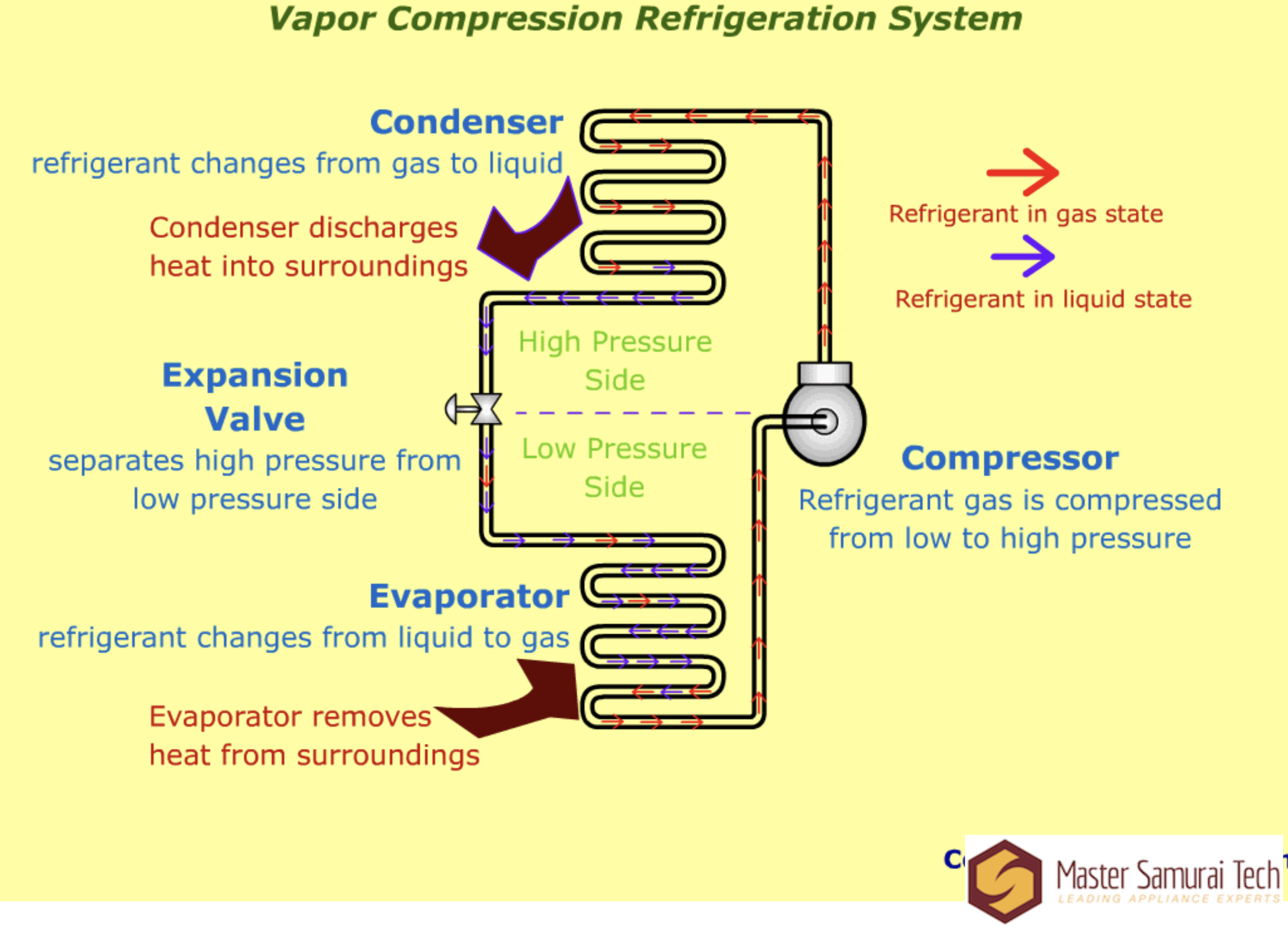
- Evaporation: In the evaporator coil, liquid refrigerant absorbs heat from the indoor air and boils, changing into a gas. The saturation temperature in the evaporator should be lower than the indoor air temperature so that heat can transfer from the air to the refrigerant. If the saturation temperature is too high, the refrigerant won't absorb enough heat, resulting in poor cooling.
- Condensation: In the condenser coil, gaseous refrigerant releases heat to the outdoor air and condenses back into a liquid. The saturation temperature in the condenser should be higher than the outdoor air temperature to facilitate heat rejection. If the saturation temperature is too low, the refrigerant won't release enough heat, leading to high head pressure and inefficient operation.
- Superheat and Subcooling: Saturation temperature is fundamental in calculating superheat and subcooling, two key measurements used by technicians to assess the refrigerant charge and system performance. Superheat is the temperature difference between the actual refrigerant vapor temperature and the saturation temperature at the evaporator outlet. Subcooling is the temperature difference between the saturation temperature and the actual refrigerant liquid temperature at the condenser outlet. These measurements indicate whether the system has the correct amount of refrigerant.
- System Diagnostics: Abnormal saturation temperatures can indicate various problems, such as refrigerant leaks, compressor issues, or airflow restrictions. Monitoring saturation temperatures helps technicians diagnose issues quickly and accurately.
Saturation Temperature and System Efficiency
Maintaining the correct saturation temperatures within the evaporator and condenser coils is crucial for optimal system efficiency. When saturation temperatures are not within the design parameters, the system has to work harder to achieve the desired temperature, leading to increased energy consumption and higher utility bills.
For example, if the saturation temperature in the evaporator is too low due to a low refrigerant charge, the system might ice up, further reducing its efficiency and potentially damaging the compressor. Conversely, if the saturation temperature in the condenser is too high due to poor airflow, the compressor will work harder, consuming more energy and potentially shortening its lifespan.
Tools for Measuring Saturation Temperature
HVAC technicians use various tools to measure saturation temperature, including:
- Manifold Gauges: These gauges measure the pressure of the refrigerant in the system. By using the pressure reading and a PT chart, the technician can determine the saturation temperature.
- Digital Manifolds: These advanced tools automatically calculate saturation temperature based on pressure readings and the selected refrigerant type.
- Clamp-on Thermometers: Used to measure the actual refrigerant line temperatures for calculating superheat and subcooling.
Real-World Examples
Let's consider a couple of scenarios:
Scenario 1: Low Cooling Performance
A homeowner notices their air conditioner is not cooling as well as it used to. An HVAC technician checks the system and finds the suction pressure (low-side pressure) is lower than normal. Using the PT chart for the refrigerant in the system, they determine the saturation temperature in the evaporator is also lower than expected. This could indicate a refrigerant leak, causing the evaporator coil to operate at a lower temperature and reduced cooling capacity.
Scenario 2: High Energy Bills
A facility manager observes a significant increase in energy bills. An HVAC technician inspects the system and finds the head pressure (high-side pressure) is higher than normal. Using the PT chart, they determine the saturation temperature in the condenser is also elevated. This could be caused by a dirty condenser coil, restricted airflow, or overcharging the refrigerant, preventing proper heat rejection and forcing the compressor to work harder.
Impact on Different Types of HVAC Systems
The principles of saturation temperature apply to all types of HVAC systems, including:
- Split Systems: Common in residential homes, split systems have an outdoor unit (condenser) and an indoor unit (evaporator).
- Package Units: These self-contained units house both the evaporator and condenser in a single cabinet, typically used in commercial applications or smaller homes.
- Heat Pumps: Heat pumps can operate in both heating and cooling modes, using a reversing valve to switch the flow of refrigerant.
- Chillers: Used in large commercial and industrial buildings to cool water, which is then circulated to air handlers throughout the building.
Regardless of the system type, maintaining proper saturation temperatures is essential for optimal performance, efficiency, and longevity.
Homeowner Tips for Maintaining Proper Saturation Temperatures
While homeowners can't directly adjust saturation temperatures, they can take steps to help ensure proper system operation:
- Regularly change air filters: Clean air filters ensure proper airflow across the evaporator coil.
- Keep the outdoor unit clean: Remove debris and vegetation from around the outdoor condenser unit to allow for proper heat rejection.
- Schedule regular maintenance: Have an HVAC technician inspect your system annually to check refrigerant levels, clean coils, and identify potential problems early.
- Look for signs of refrigerant leaks: Listen for hissing sounds near the indoor or outdoor unit, or notice ice buildup on the evaporator coil.
Conclusion
Understanding saturation temperature is essential for anyone involved in the HVAC industry, from technicians diagnosing system problems to homeowners seeking to improve energy efficiency. By understanding the relationship between pressure and temperature, and by taking steps to maintain proper system operation, you can ensure your HVAC system operates efficiently, reliably, and provides comfortable indoor temperatures for years to come. Regular maintenance and professional inspections remain the cornerstone of a well-functioning and energy-efficient HVAC system.