What Is The Air Handler Unit

Understanding the Heart of Your HVAC System: The Air Handler Unit
The air handler unit (AHU) is a critical component of many heating, ventilation, and air conditioning (HVAC) systems. Often overlooked, it plays a vital role in circulating conditioned air throughout your home or building. Understanding its function, types, and maintenance can significantly improve your HVAC system's efficiency and lifespan.
What Exactly Is an Air Handler Unit?
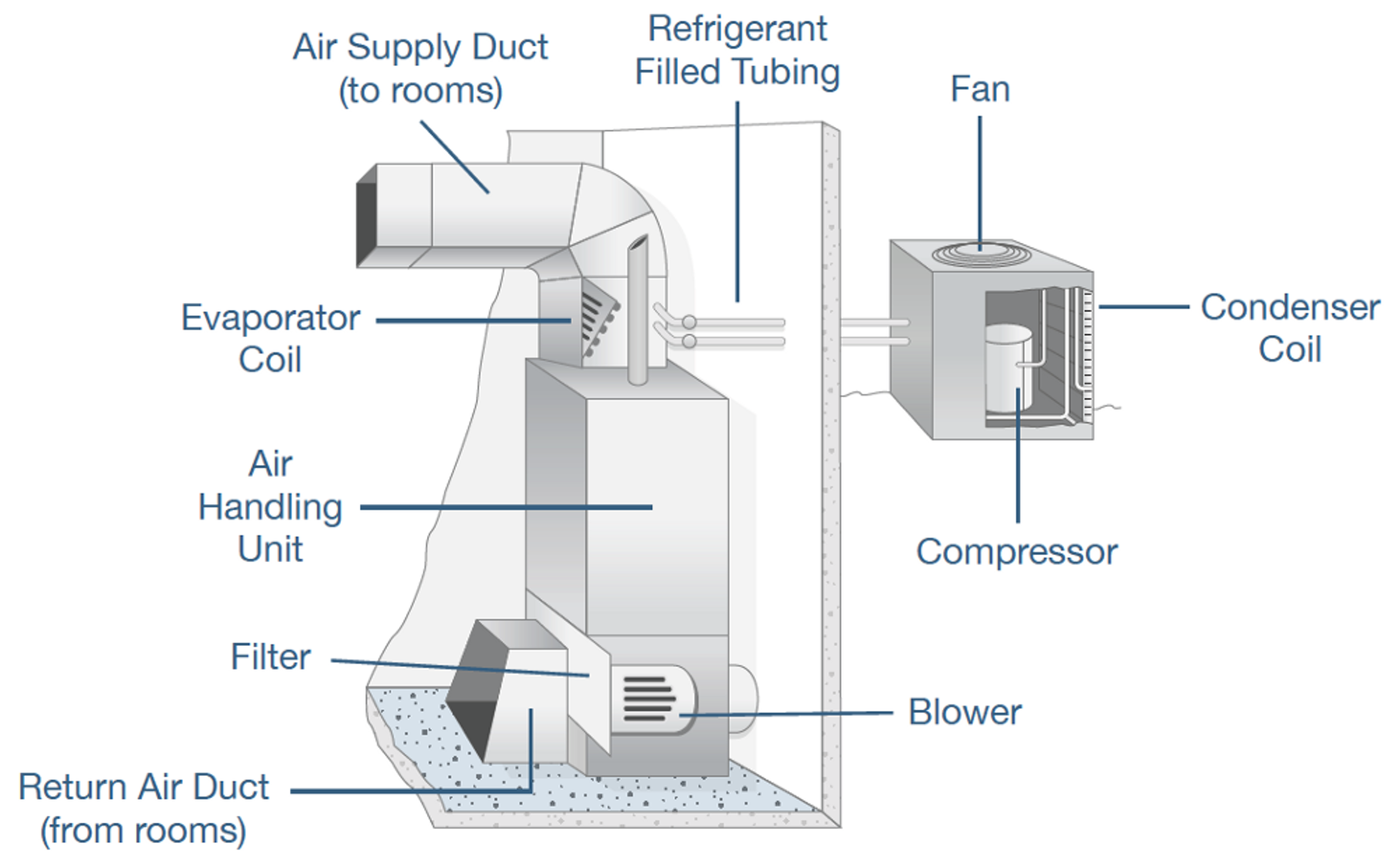
In essence, an air handler is the indoor portion of a split HVAC system. Think of it as the distribution center for conditioned air. While the outdoor unit (either an air conditioner condenser or a heat pump) handles the heating or cooling of the air, the air handler is responsible for moving that air through your ductwork and into the different rooms of your property.
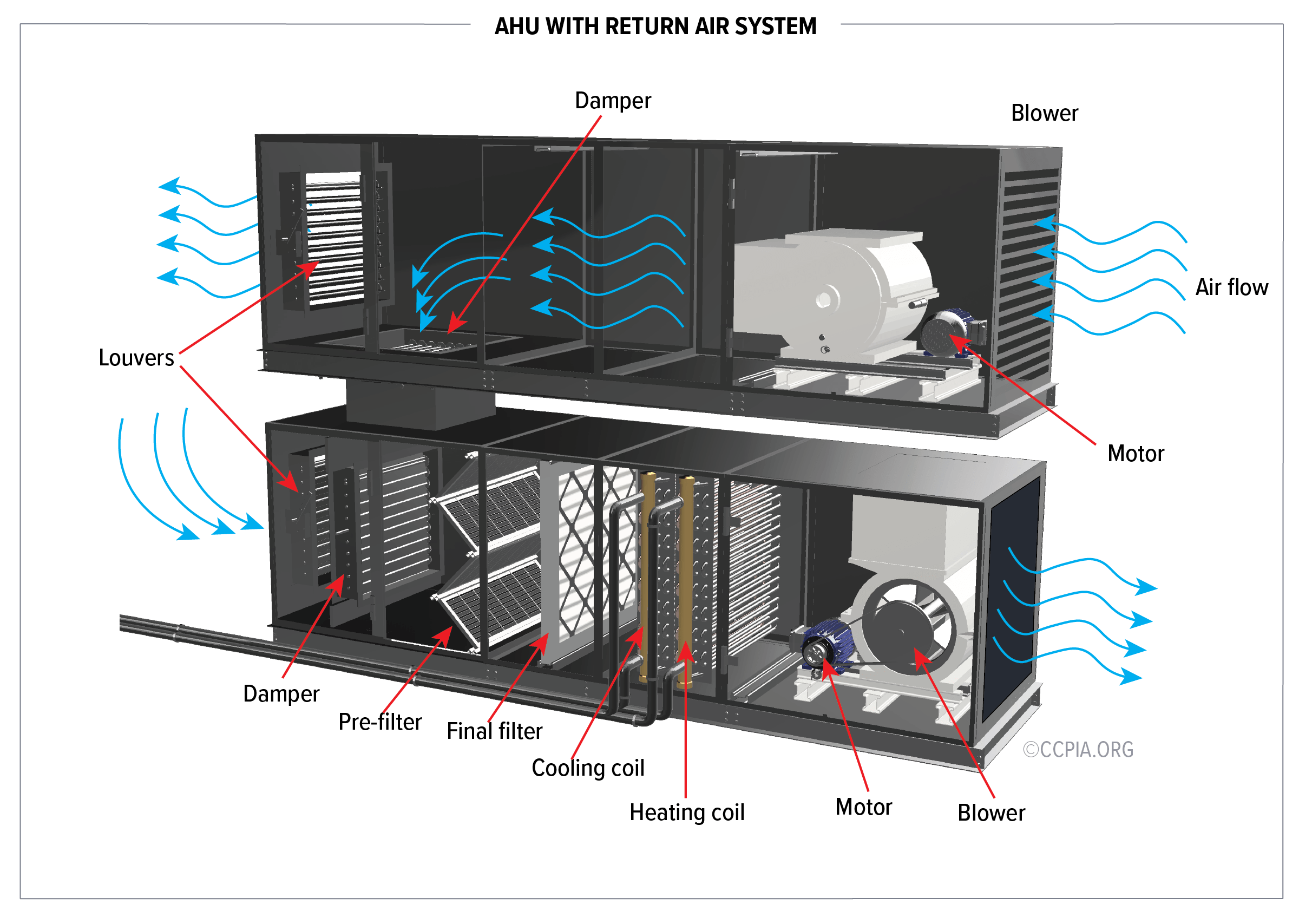
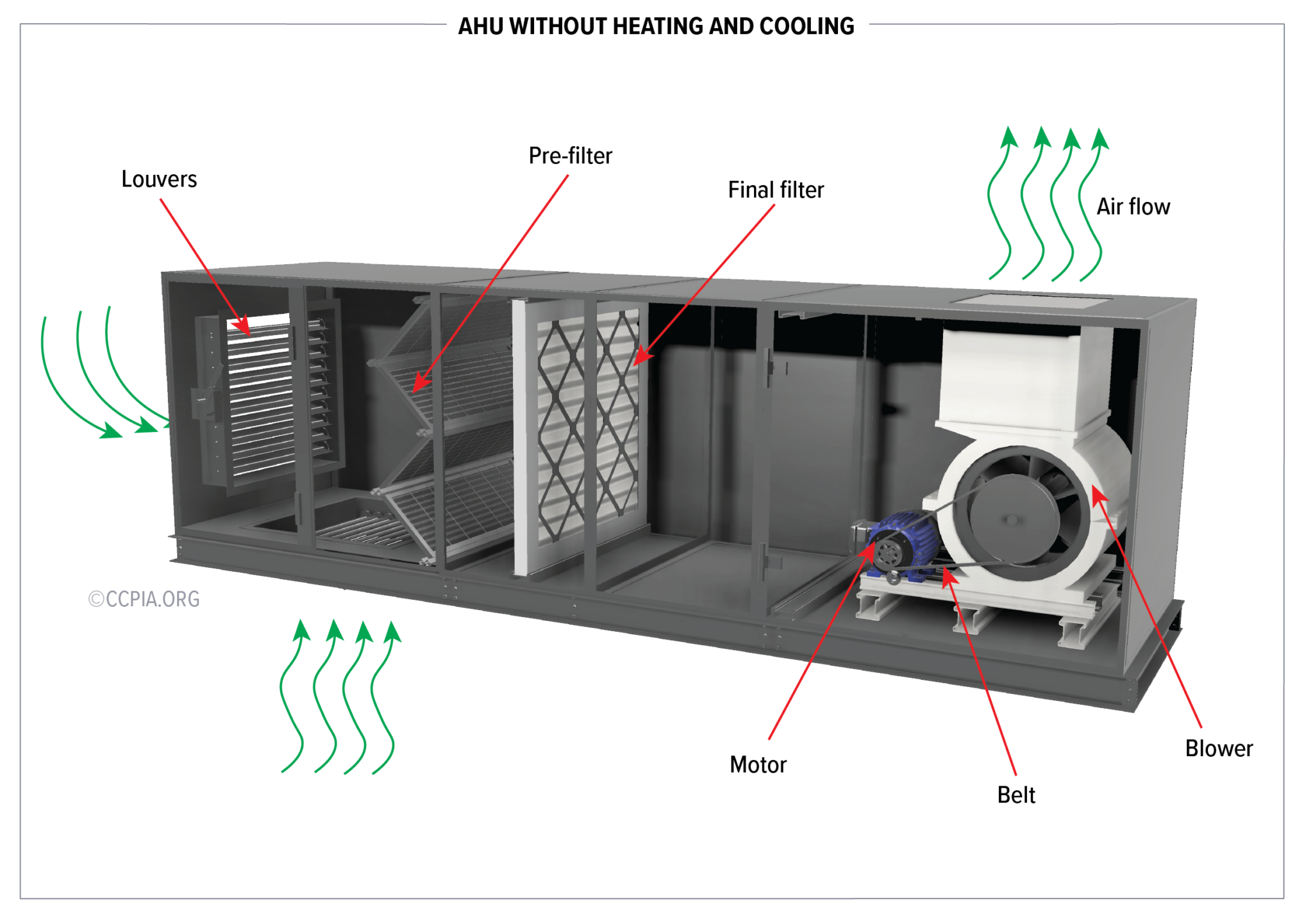
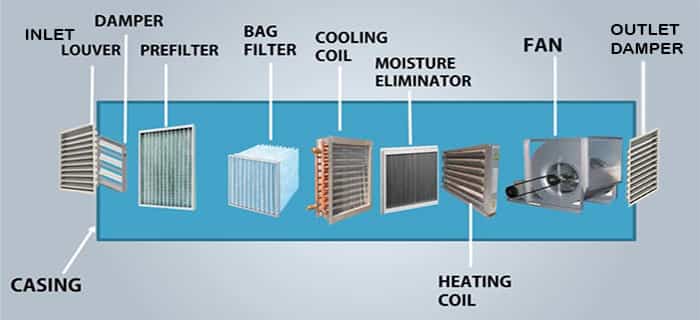
The core components of an air handler unit include:
- Blower Fan: This is the workhorse of the air handler, responsible for drawing air in and pushing it through the ductwork. Blower fans come in various types, with variable-speed models offering increased efficiency and quieter operation.
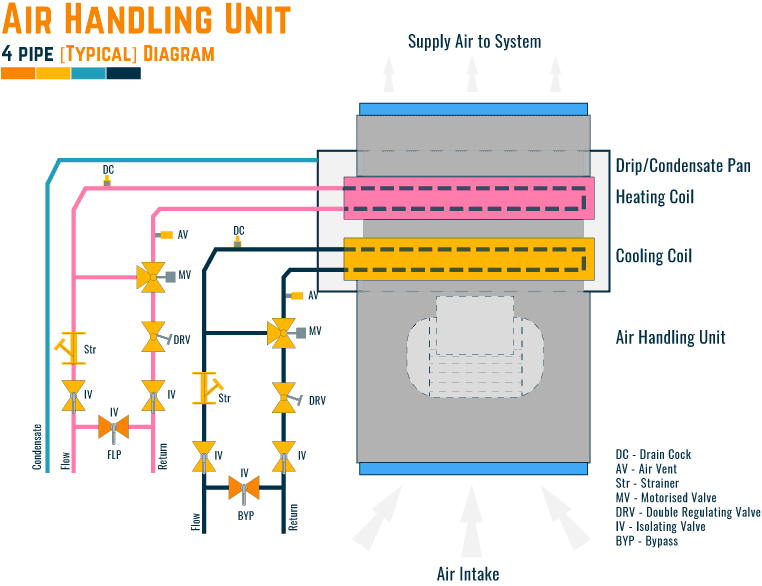
- Cooling Coil (Evaporator Coil): When paired with an air conditioner, the air handler contains a cooling coil. This coil is filled with refrigerant and cools the air as it passes over it. In heat pump systems, this coil can also function as a heating coil in reverse cycle.
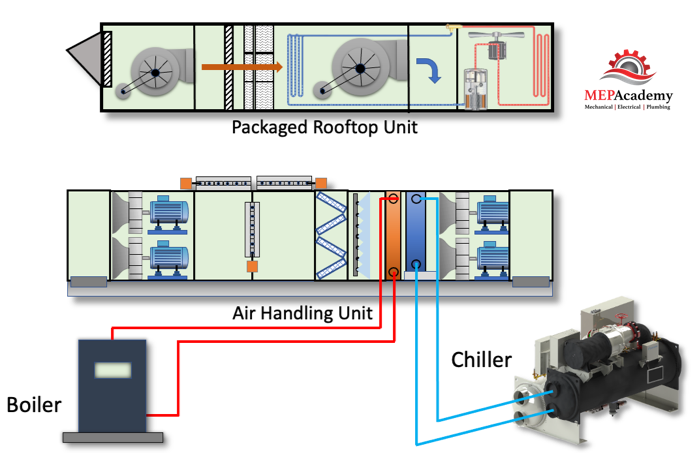
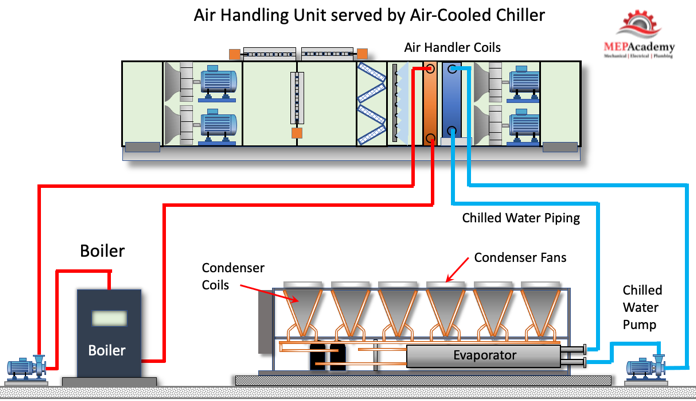
- Heating Coil (Electric Resistance or Hydronic): Some air handlers incorporate electric resistance heating coils for supplemental or primary heating. Alternatively, some use hydronic coils that circulate hot water from a boiler for heating.
- Air Filters: Located upstream of the blower fan and coils, air filters remove dust, pollen, and other airborne particles from the air stream, improving indoor air quality and protecting the HVAC components.
- Ductwork Connections: The air handler connects to your supply and return ductwork, facilitating the movement of air throughout the building.
- Cabinet: All these components are housed within an insulated cabinet that helps to reduce noise and prevent air leakage.
Types of Air Handler Units
Air handlers come in different configurations to suit various applications. The most common types include:
- Standard Air Handlers: These are the most common type, typically found in residential and small commercial buildings. They are designed for ducted systems and offer basic heating and cooling functionality.
- Modular Air Handlers: These units are built in sections, allowing for greater flexibility in system design and installation. They are often used in larger commercial buildings where customized HVAC solutions are required.
- Package Air Handlers: These units combine the air handler and the outdoor unit (air conditioner or heat pump) into a single cabinet. They are often used in mobile homes, manufactured homes, and some light commercial applications.
- Terminal Units: These smaller units, such as fan coil units, are often used in buildings with central air handlers. They provide individual zone control, allowing occupants to adjust the temperature in their specific area.
Air Handler Efficiency and Performance
The efficiency of your air handler directly impacts your overall HVAC system performance and energy consumption. Several factors contribute to air handler efficiency:
- Blower Motor Type: Variable-speed blower motors are significantly more efficient than single-speed motors. They can adjust the airflow based on the heating or cooling demand, reducing energy waste.
- Air Filter Maintenance: A dirty air filter restricts airflow, forcing the blower motor to work harder and consume more energy. Regularly replacing your air filter is crucial for maintaining efficiency.
- Ductwork Sealing: Leaky ductwork can result in significant energy losses. Sealing your ductwork can improve efficiency and reduce heating and cooling costs.
- Insulation: Adequate insulation around the air handler cabinet helps to prevent heat loss or gain, further improving efficiency.
While there isn't a standardized efficiency rating specifically for air handlers like SEER for air conditioners or HSPF for heat pumps, consider the blower motor type as a key indicator of efficiency. A variable-speed blower motor is generally a worthwhile investment for improved performance and energy savings.
Air Handler Unit Lifespan and Maintenance
A well-maintained air handler unit can last for 15-20 years or even longer. Regular maintenance is essential for maximizing its lifespan and ensuring optimal performance. Key maintenance tasks include:
- Air Filter Replacement: Replace your air filter every 1-3 months, depending on the type of filter and the amount of dust and pollen in your environment.
- Coil Cleaning: Periodically clean the cooling and heating coils to remove dust and debris that can reduce heat transfer efficiency. A professional HVAC technician can perform this task.
- Blower Motor Maintenance: Lubricate the blower motor bearings as needed (if applicable) to ensure smooth operation. Some newer motors are permanently lubricated.
- Ductwork Inspection: Regularly inspect your ductwork for leaks and damage. Seal any leaks with duct tape or mastic.
- Professional Inspection: Schedule an annual inspection by a qualified HVAC technician to identify and address any potential problems before they escalate.
Air Handler Installation Considerations
Proper installation is crucial for the efficient and reliable operation of your air handler. Consider these factors during installation:
- Correct Sizing: The air handler must be properly sized to match the capacity of your outdoor unit and the heating and cooling load of your building. An undersized air handler will struggle to meet the demand, while an oversized unit can lead to short cycling and reduced efficiency.
- Proper Ductwork Connections: Ensure that the air handler is properly connected to your ductwork to prevent air leaks and ensure proper airflow.
- Level Installation: The air handler should be installed on a level surface to prevent vibration and noise.
- Accessibility: The air handler should be installed in an accessible location for maintenance and repairs.
- Local Codes: Ensure that the installation complies with all local building codes and regulations.
Cost Considerations
The cost of an air handler unit can vary depending on the size, type, and features. Standard air handlers for residential applications typically range from $1,500 to $4,000 for the unit itself, excluding installation costs. Installation costs can add another $500 to $2,000, depending on the complexity of the installation. Variable-speed models are generally more expensive but offer long-term energy savings.
When comparing costs, consider the long-term benefits of a more efficient air handler, such as reduced energy bills and improved comfort. Also, factor in the cost of maintenance and repairs over the lifespan of the unit.
Troubleshooting Common Air Handler Problems
Here are some common problems you might encounter with your air handler:
- No Airflow: This could be due to a tripped circuit breaker, a faulty blower motor, or a clogged air filter.
- Weak Airflow: This could be caused by a dirty air filter, leaky ductwork, or a malfunctioning blower motor.
- Excessive Noise: This could be due to a loose blower motor, vibrating ductwork, or a worn-out bearing.
- Strange Odors: This could be caused by mold growth, dirty coils, or a dead animal in the ductwork.
- Water Leaks: This could be due to a clogged condensate drain line or a damaged drain pan.
If you encounter any of these problems, it's best to consult with a qualified HVAC technician to diagnose and repair the issue.
The Air Handler in Commercial Applications
In larger commercial buildings, air handlers play an even more crucial role. They are often integrated into complex HVAC systems that provide heating, cooling, and ventilation for multiple zones. Commercial air handlers are typically larger and more powerful than residential units and may include additional features such as energy recovery systems and advanced filtration systems.
Conclusion
The air handler unit is an essential component of your HVAC system, responsible for circulating conditioned air throughout your building. Understanding its function, types, maintenance requirements, and potential problems can help you to optimize its performance, extend its lifespan, and reduce your energy costs. Whether you are a homeowner, an HVAC technician, or a facility manager, a thorough understanding of air handlers is essential for ensuring a comfortable and efficient indoor environment.