What Is The Best Insulation For Exterior Walls
Choosing the Best Insulation for Exterior Walls: A Comprehensive Guide
Selecting the right insulation for your exterior walls is crucial for maintaining a comfortable indoor temperature, reducing energy consumption, and ultimately, lowering your heating and cooling bills. As homeowners, real estate investors, and contractors know, a well-insulated home is a more energy-efficient home. This guide explores the various types of insulation available, their pros and cons, and factors to consider when making your decision.
Why Insulation Matters for HVAC Systems
Before diving into the types of insulation, it's essential to understand its impact on your HVAC system. Insulation acts as a barrier to heat transfer, preventing heat from escaping in the winter and entering in the summer. This reduced workload on your heating and cooling systems translates to:
- Lower energy bills: Less energy is required to maintain a comfortable temperature.
- Improved comfort: Consistent temperatures throughout the home, eliminating drafts and cold spots.
- Extended HVAC system lifespan: Reduced strain on the system can prolong its operational life.
Types of Insulation for Exterior Walls
Several types of insulation are commonly used in exterior walls, each with its own characteristics and suitability for different applications. Here’s a detailed look at the most popular options:
1. Fiberglass Insulation
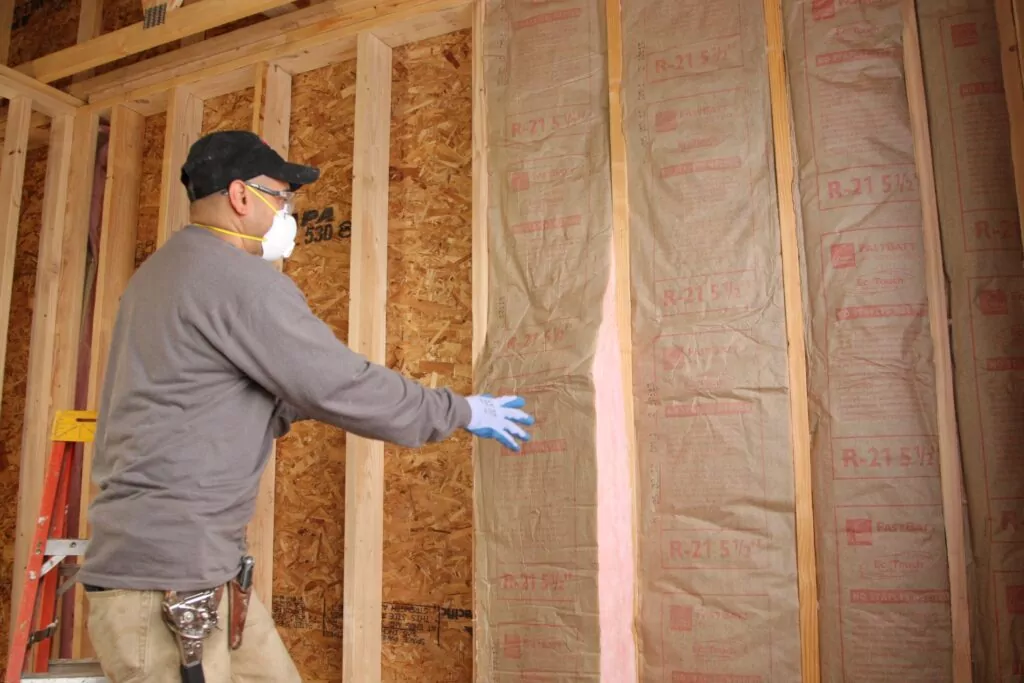
Description: Fiberglass insulation is made from molten glass spun into fine fibers. It's available in batts, rolls, and loose-fill forms. It is one of the most common and cost-effective options.
Pros:
- Cost-effective: Generally the least expensive insulation material.
- Widely available: Easy to find at most home improvement stores.
- Fire-resistant: Naturally fire-resistant.
Cons:
- Lower R-value per inch: Requires more material to achieve desired insulation levels.
- Can be irritating to skin and lungs: Requires proper safety gear during installation (gloves, mask, eye protection).
- Performance degrades when wet: Moisture can significantly reduce its effectiveness.
R-Value: Typically ranges from R-2.2 to R-2.9 per inch.
Pricing: Relatively inexpensive, ranging from $0.30 to $1.50 per square foot.
2. Cellulose Insulation
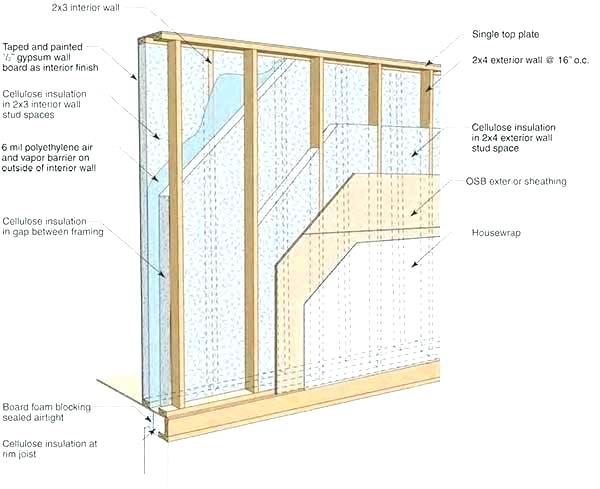
Description: Cellulose insulation is made from recycled paper products, treated with borates to resist fire, insects, and mold. It's typically installed as loose-fill, but can also be found in dense-packed form.
Pros:
- Environmentally friendly: Made from recycled materials.
- Good R-value: Offers a higher R-value per inch compared to fiberglass.
- Fire-resistant: Borate treatment provides excellent fire resistance.
- Effective air sealant: Fills gaps and crevices better than fiberglass.
Cons:
- Can settle over time: Dense-packing helps minimize settling.
- Can absorb moisture: Although treated, excessive moisture can reduce its effectiveness.
- Dusty during installation: Requires proper ventilation and respiratory protection.
R-Value: Typically ranges from R-3.1 to R-3.7 per inch.
Pricing: Moderately priced, ranging from $0.60 to $2.50 per square foot.
3. Spray Foam Insulation
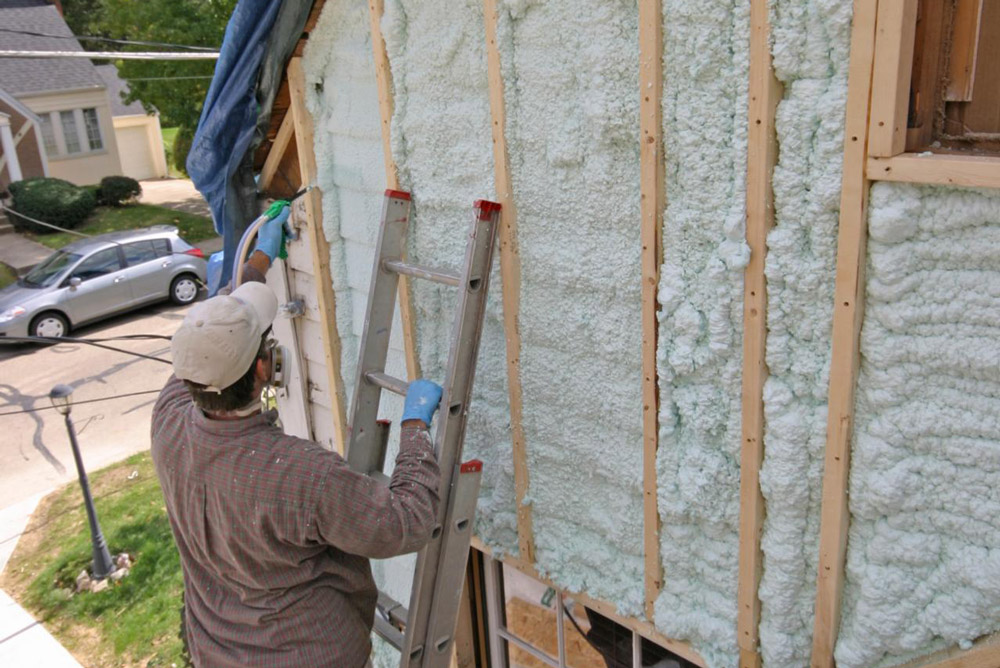
Description: Spray foam insulation is a polyurethane or other polymer-based foam that is sprayed into wall cavities and expands to fill the space. There are two main types: open-cell and closed-cell.
Open-Cell Spray Foam:
Pros:
- Excellent air sealant: Fills gaps and crevices completely.
- Good sound dampening: Reduces noise transmission.
- Lower cost than closed-cell: More affordable option.
Cons:
- Lower R-value: Compared to closed-cell foam.
- Absorbs water: Not suitable for areas prone to moisture.
R-Value: Typically ranges from R-3.5 to R-3.7 per inch.
Closed-Cell Spray Foam:
Pros:
- High R-value: Provides excellent insulation with less material.
- Water-resistant: Suitable for areas with moisture concerns.
- Adds structural strength: Can increase the rigidity of walls.
Cons:
- Higher cost: More expensive than other insulation types.
- Requires professional installation: Proper application is crucial.
R-Value: Typically ranges from R-6 to R-7 per inch.
Pricing: Most expensive option, ranging from $1.00 to $4.00 per square foot.
4. Rigid Foam Board Insulation
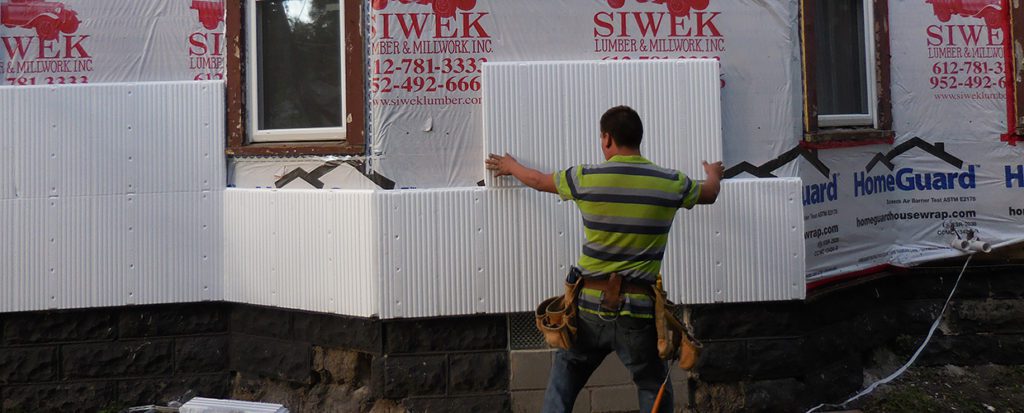
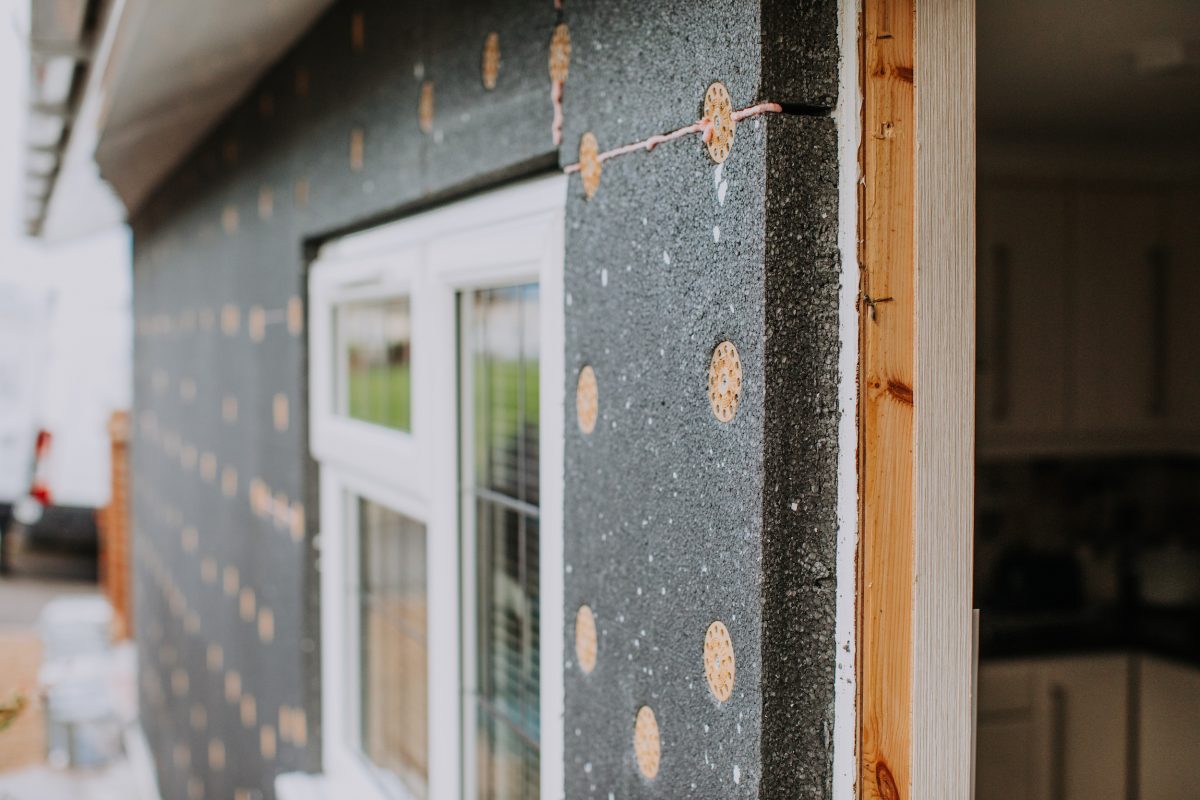
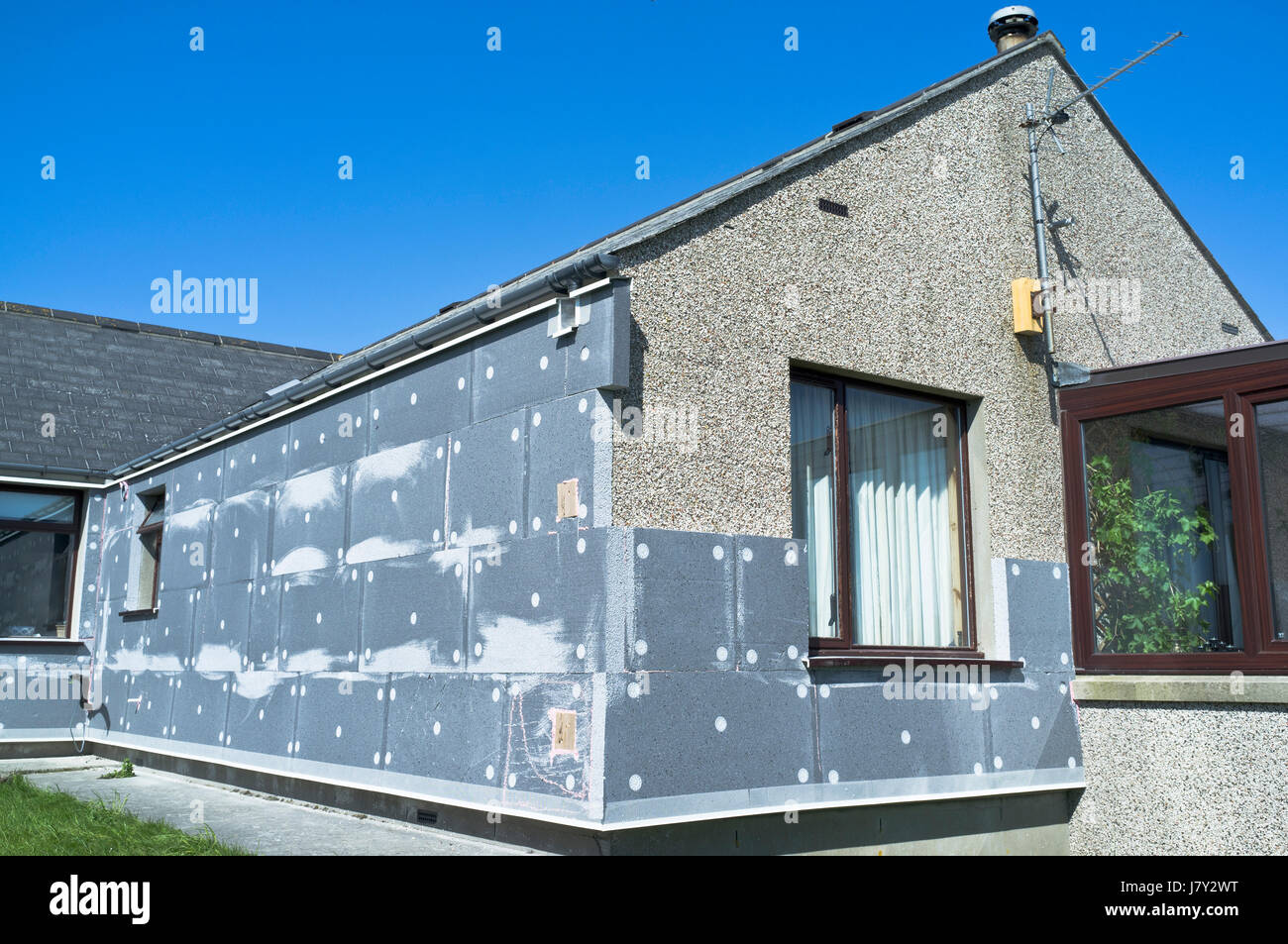
Description: Rigid foam boards are made from materials like expanded polystyrene (EPS), extruded polystyrene (XPS), or polyisocyanurate. They are available in various thicknesses and are typically used for exterior sheathing or continuous insulation.
Pros:
- High R-value per inch: Excellent insulation performance.
- Water-resistant: Especially XPS and polyisocyanurate.
- Durable: Provides long-lasting insulation.
Cons:
- Can be flammable: Some types require a fire-resistant barrier.
- Requires precise cutting and sealing: Gaps can reduce effectiveness.
- More expensive than fiberglass: Higher initial cost.
R-Value: EPS ranges from R-3.6 to R-4.2 per inch, XPS ranges from R-4.5 to R-5.0 per inch, and Polyisocyanurate ranges from R-6.0 to R-7.0 per inch.
Pricing: Moderately priced, ranging from $0.50 to $3.00 per square foot.
5. Mineral Wool Insulation (Rockwool)
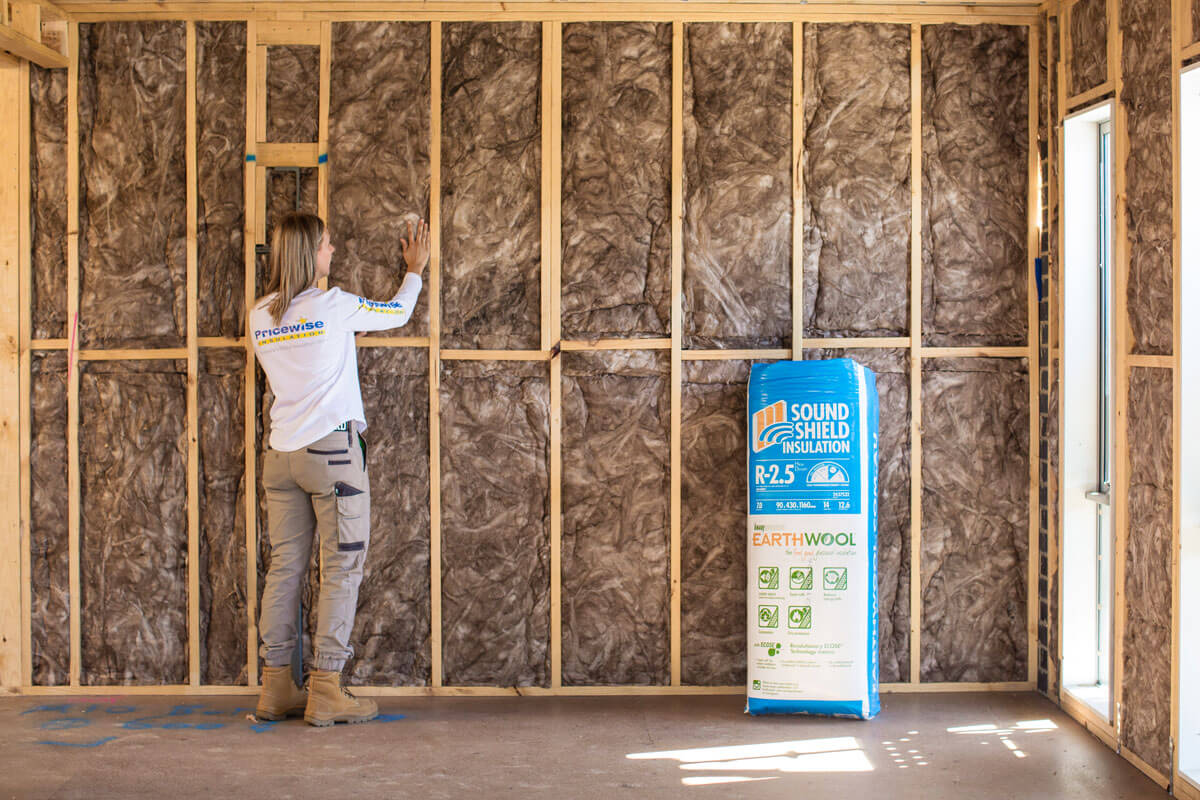
Description: Mineral wool insulation, also known as rockwool or slag wool, is made from molten rock or slag spun into fibers. It's available in batts, rolls, and loose-fill forms.
Pros:
- Fire-resistant: Excellent fire resistance, can withstand high temperatures.
- Good sound dampening: Reduces noise transmission.
- Water-resistant: Does not absorb water like fiberglass or cellulose.
Cons:
- Can be more expensive than fiberglass: Higher initial cost.
- Can be irritating to skin: Requires proper safety gear during installation.
R-Value: Typically ranges from R-3.0 to R-3.3 per inch.
Pricing: Moderately priced, ranging from $0.70 to $3.00 per square foot.
Factors to Consider When Choosing Insulation
Selecting the best insulation for your exterior walls depends on several factors:
- Climate: Colder climates require higher R-values.
- Budget: Insulation costs vary significantly.
- Existing wall construction: Retrofitting insulation into existing walls may limit your options.
- Moisture concerns: Choose moisture-resistant insulation in damp climates or areas prone to leaks.
- Environmental concerns: Opt for recycled or sustainable materials like cellulose or mineral wool.
- Local building codes: Ensure compliance with local insulation requirements.
Professional Installation vs. DIY
While some insulation types, like fiberglass batts, can be installed as a DIY project, others, like spray foam, require professional installation. Improper installation can significantly reduce the effectiveness of the insulation and even create problems like moisture buildup and mold growth.
Consider hiring a professional if:
- You're installing spray foam insulation.
- You're unsure about proper installation techniques.
- You're working in a confined space or with hazardous materials.
- You need to ensure compliance with local building codes.
Pairing Insulation with HVAC System Upgrades
Upgrading your insulation is often best done in conjunction with upgrading your HVAC system. A well-insulated home allows you to choose a smaller, more efficient HVAC unit. When considering new HVAC systems, pay attention to the following ratings:
- AFUE (Annual Fuel Utilization Efficiency): Measures the heating efficiency of furnaces and boilers. A higher AFUE rating indicates greater efficiency.
- SEER (Seasonal Energy Efficiency Ratio): Measures the cooling efficiency of air conditioners. A higher SEER rating indicates greater efficiency.
- HSPF (Heating Seasonal Performance Factor): Measures the heating efficiency of heat pumps. A higher HSPF rating indicates greater efficiency.
Popular HVAC brands like Carrier, Trane, Lennox, and Rheem offer models with high AFUE, SEER, and HSPF ratings. Consider consulting with an HVAC professional to determine the best system size and efficiency for your newly insulated home.
Maintenance and Longevity
Most insulation types require minimal maintenance. However, it's essential to inspect your insulation periodically for signs of damage or degradation. Look for:
- Moisture damage: Water stains or mold growth.
- Settling: Gaps or voids in the insulation.
- Pest infestations: Evidence of rodents or insects.
Address any issues promptly to maintain the effectiveness of your insulation and prevent further damage.
Conclusion
Choosing the best insulation for your exterior walls is a critical investment in your home's comfort, energy efficiency, and long-term value. By understanding the different types of insulation available, their pros and cons, and the factors that influence your decision, you can make an informed choice that meets your specific needs and budget. Remember to consider pairing your insulation upgrade with an efficient HVAC system for optimal performance and energy savings. Consult with insulation professionals and HVAC contractors to ensure proper installation and maximize the benefits of your investment. Proper insulation is not just an expense; it's an investment in a more comfortable, sustainable, and valuable home.
/FiberglassInsulationwall-GettyImages-104295008-fcf109c9562c4e07af9ca068d557df8f.jpg)