What Is The Coil On An Air Conditioner
Understanding the Heart of Your AC: What is the Coil On An Air Conditioner?
If your home's air conditioner is struggling to keep you cool, understanding its components is the first step towards diagnosing the problem. One of the most critical parts is the AC coil. Often overlooked, these coils are responsible for the heat exchange process that makes cool air possible. This guide will break down what AC coils are, how they work, common problems, and when it's time to call a professional.
What is an AC Coil and What Does It Do?
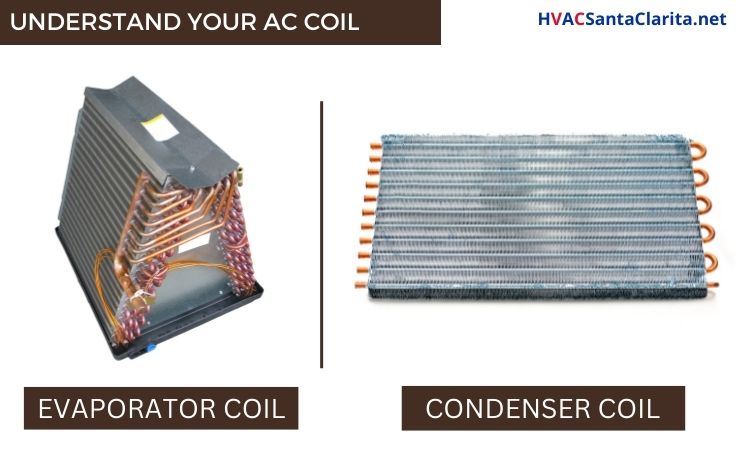
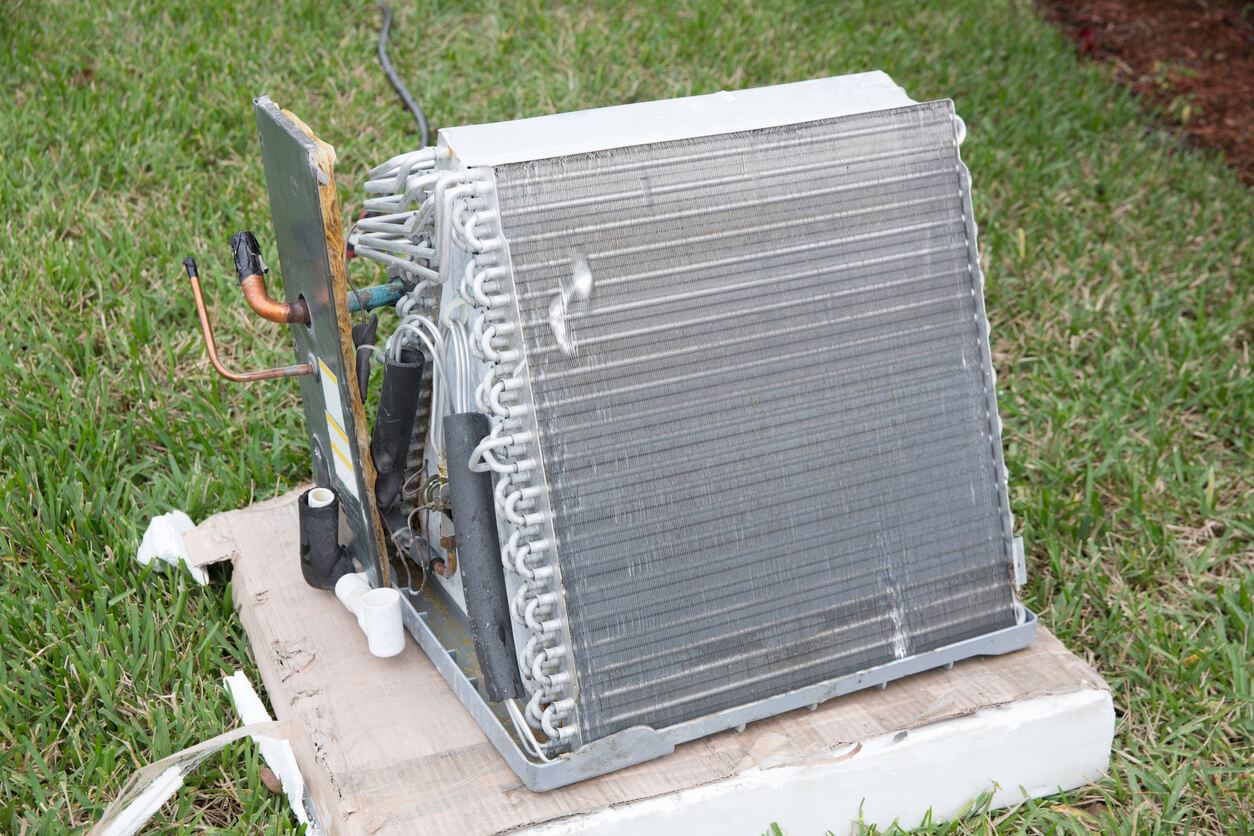
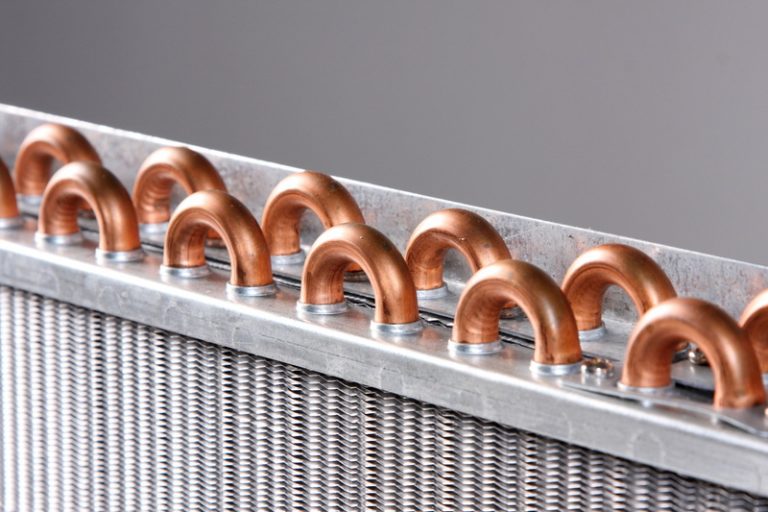
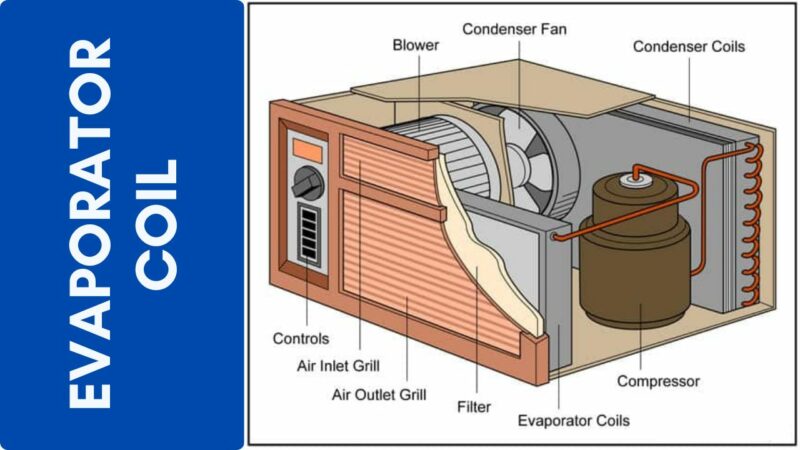
The term "AC coil actually refers to two distinct coils: the evaporator coil and the condenser coil. Both are essential for the cooling process, but they perform different functions and are located in different parts of your air conditioning system.
The Evaporator Coil: Your Indoor Cooling Champion
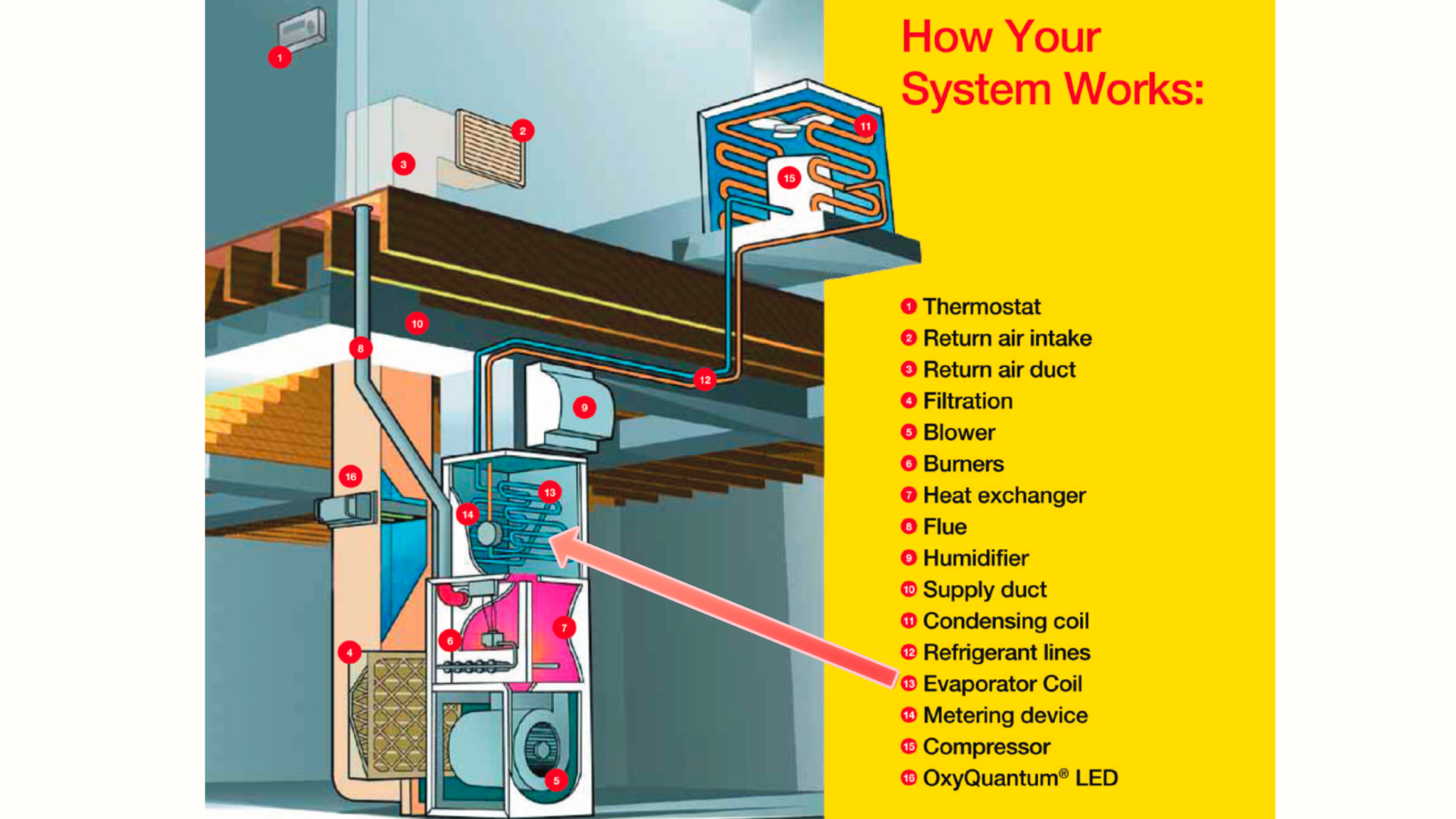
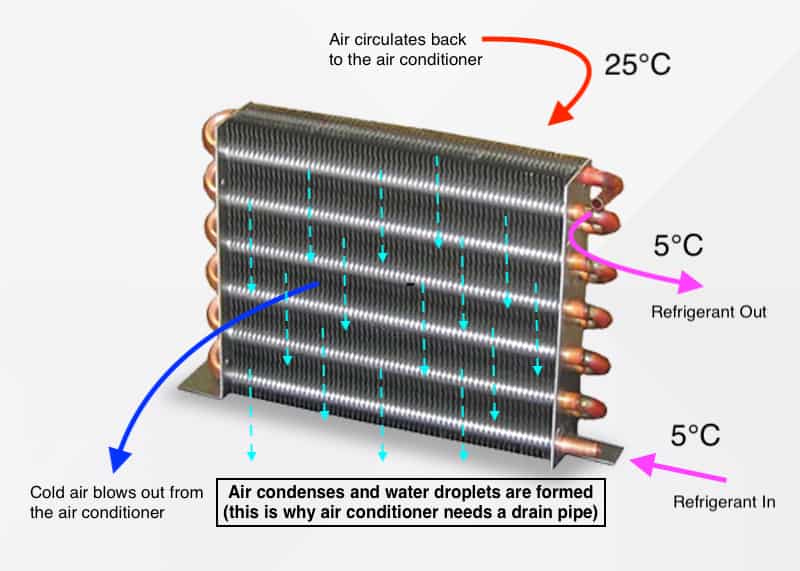
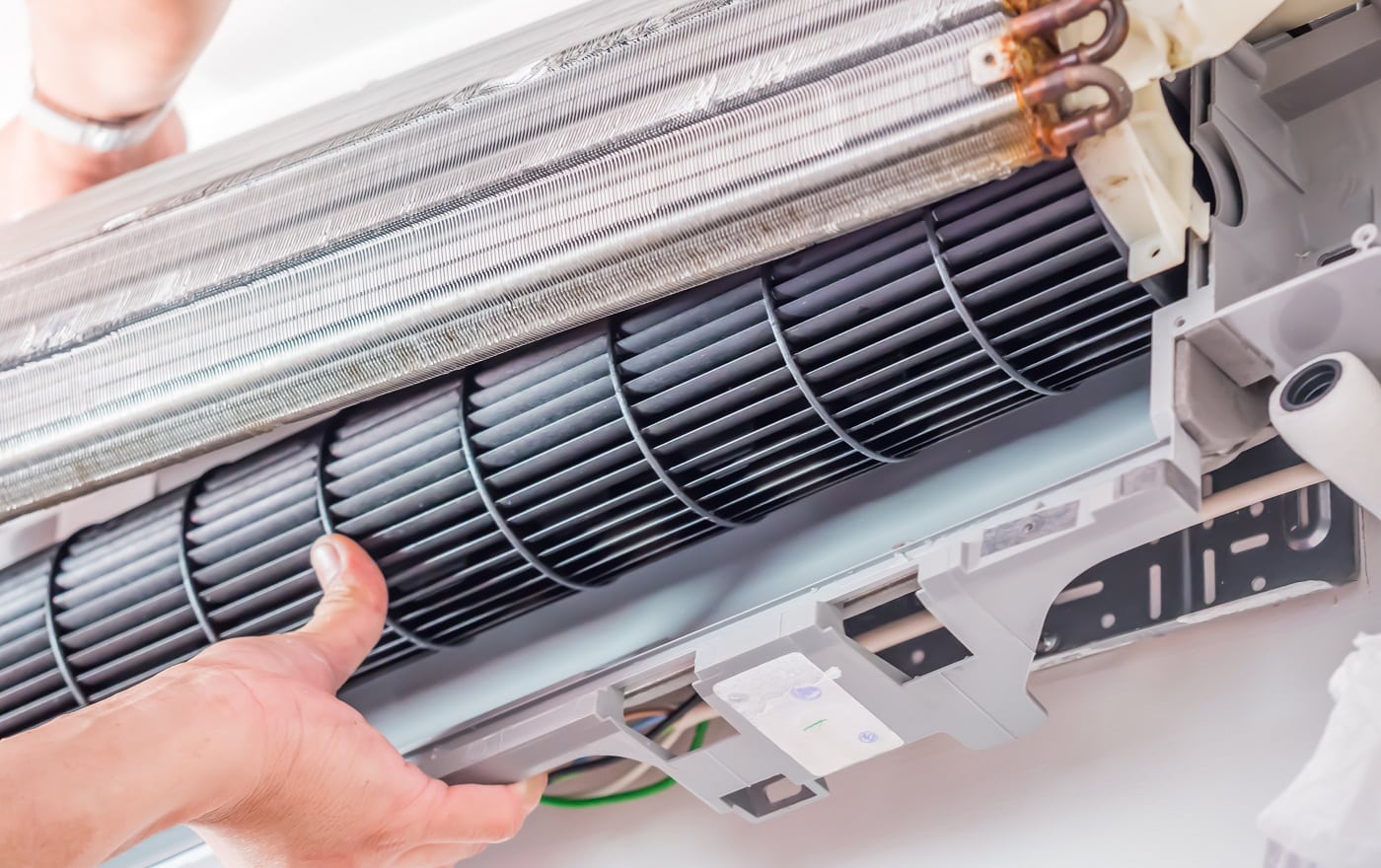
Located inside your home, typically within your air handler or attached to your furnace, the evaporator coil is responsible for absorbing heat from the air. It's filled with cold refrigerant, which absorbs heat as air is blown across it by the blower fan. As the refrigerant warms and turns into a gas, it carries the heat away from your home.
The Condenser Coil: Releasing Heat Outdoors
Situated in the outdoor condenser unit, the condenser coil releases the heat absorbed by the evaporator coil. Hot refrigerant, now a gas, flows to the condenser coil, where it is cooled by the outdoor fan. As the refrigerant cools, it turns back into a liquid, ready to repeat the cooling cycle.
How AC Coils Work: A Step-by-Step Breakdown
To truly understand the importance of AC coils, let's follow the refrigerant through a complete cooling cycle:
- Refrigerant Enters the Evaporator Coil: Cold, low-pressure refrigerant flows into the evaporator coil.
- Heat Absorption: Warm air from your home is blown across the evaporator coil. The refrigerant absorbs the heat, cooling the air.
- Refrigerant Turns to Gas: As it absorbs heat, the refrigerant transforms from a liquid to a gas.
- Refrigerant Travels to the Compressor: The gaseous refrigerant is then pumped to the compressor (also in the outdoor unit).
- Compression and Heating: The compressor increases the pressure and temperature of the refrigerant.
- Refrigerant Enters the Condenser Coil: The hot, high-pressure refrigerant flows to the condenser coil.
- Heat Release: The outdoor fan blows air across the condenser coil, removing heat from the refrigerant.
- Refrigerant Turns Back to Liquid: As it releases heat, the refrigerant returns to a liquid state.
- Expansion Valve: The liquid refrigerant passes through an expansion valve, which reduces its pressure and temperature.
- Cycle Repeats: The cold, low-pressure refrigerant returns to the evaporator coil to start the cycle again.
Common AC Coil Problems: Diagnosis and Troubleshooting
Several issues can affect the performance of your AC coils. Here's a look at some common problems and how to identify them:
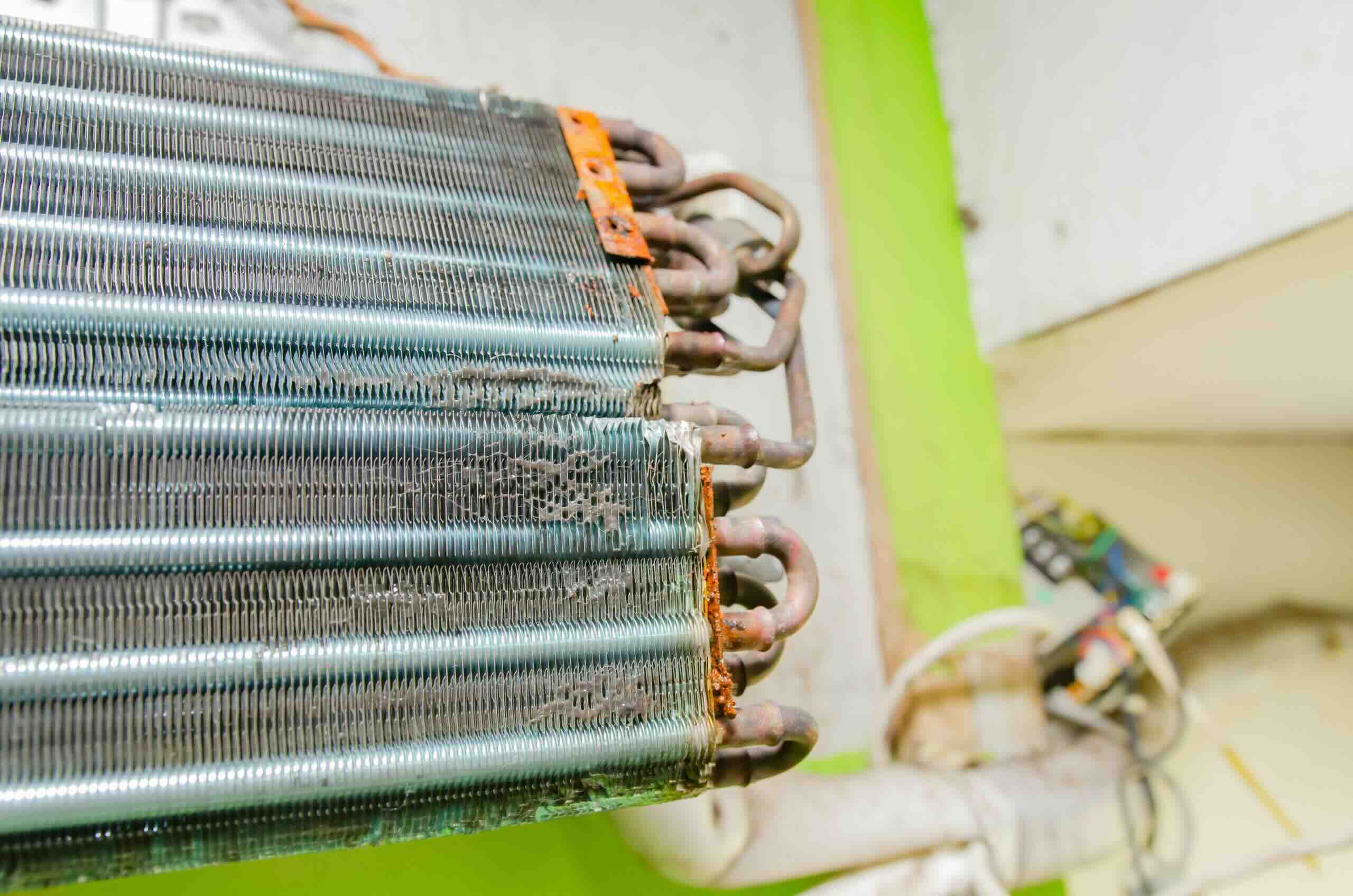
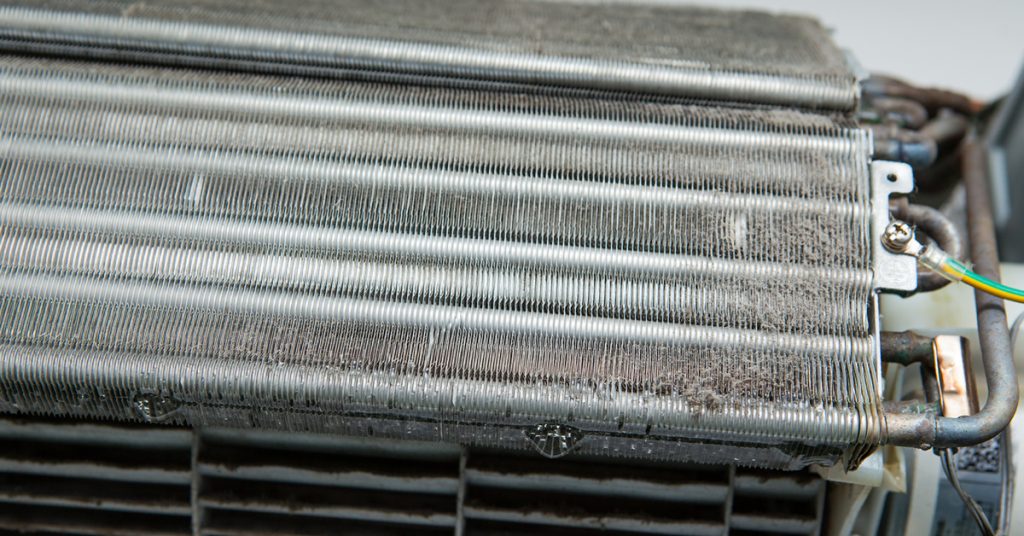
- Dirty Coils: This is the most common issue. Dirt, dust, and debris accumulate on the coils, reducing their ability to transfer heat. This causes your AC to work harder and less efficiently.
- Refrigerant Leaks: Leaks can occur in either the evaporator or condenser coil. Low refrigerant levels reduce cooling capacity and can damage the compressor.
- Frozen Coils: This can happen when airflow is restricted, or the refrigerant level is too low. Ice buildup on the evaporator coil prevents it from absorbing heat.
- Corrosion: Over time, coils can corrode, especially in coastal environments. Corrosion reduces heat transfer and can lead to leaks.
- Physical Damage: Dents or damage to the fins on the coils can restrict airflow and reduce efficiency.
DIY Troubleshooting Steps: When to Attempt a Repair
Before calling a professional, you can try these simple troubleshooting steps:
- Check the Air Filter: A dirty air filter restricts airflow, which can cause frozen evaporator coils. Replace the filter regularly (every 1-3 months).
- Clean the Condenser Coil: Use a garden hose (with a gentle spray nozzle) to clean the outside of the condenser coil. Be careful not to damage the fins. Turn off the power to the unit before cleaning.
- Thaw a Frozen Coil: If you suspect a frozen coil, turn off the AC and let it thaw for several hours. Check for airflow obstructions and address them before restarting the AC.
When to Call a Professional HVAC Technician
While some issues can be addressed with DIY troubleshooting, certain repairs require the expertise of a qualified HVAC technician. Call a professional if you encounter any of the following:
- Refrigerant Leaks: Refrigerant handling requires specialized equipment and training. It's also illegal to knowingly vent refrigerant into the atmosphere.
- Frozen Coils That Keep Returning: Recurring frozen coils indicate a more significant problem, such as a refrigerant leak or a malfunctioning compressor.
- Corroded Coils: Repairing or replacing corroded coils is a complex task.
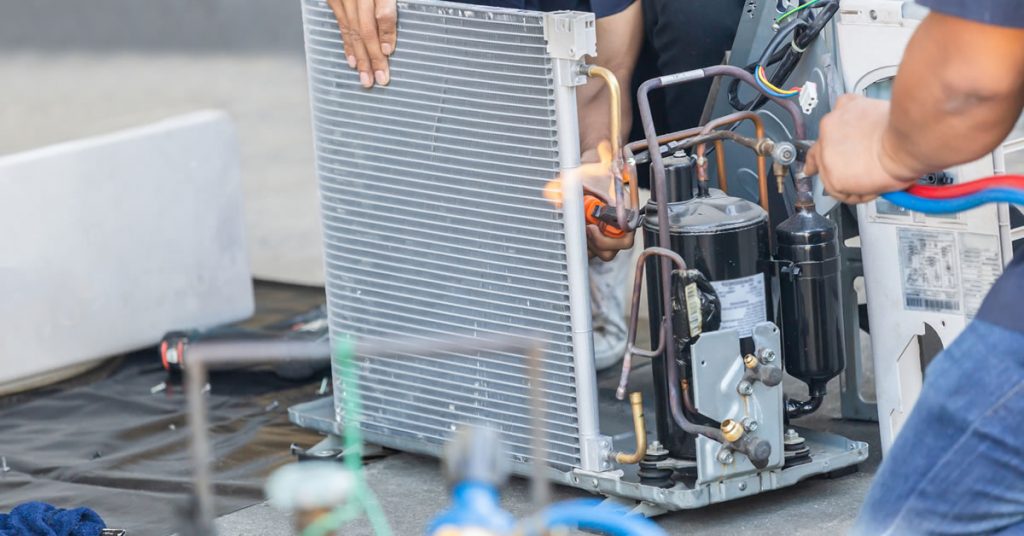
- Any Work Involving Refrigerant Lines: Cutting, brazing, or soldering refrigerant lines should only be done by a trained professional.
- Electrical Issues: Working with electrical components can be dangerous. Leave electrical repairs to a qualified electrician or HVAC technician.
Tools and Parts You Might Need
If you're attempting some basic DIY troubleshooting, here's a list of tools and parts you might need:
- Screwdrivers (various sizes)
- Wrench Set
- Vacuum Cleaner with Brush Attachment
- Fin Comb (for straightening bent fins)
- Air Filter (correct size for your unit)
- Coil Cleaner (specifically designed for AC coils)
- Garden Hose with Spray Nozzle
- Multimeter (for electrical testing - use with caution and only if you have experience)
Estimated Repair Costs
Repair costs for AC coils can vary depending on the problem, the type of coil, and the location of the unit. Here's a general idea of what you can expect:
- Coil Cleaning: $75 - $200
- Refrigerant Recharge: $150 - $500 (depending on the type and amount of refrigerant needed)
- Evaporator Coil Replacement: $800 - $2500+
- Condenser Coil Replacement: $1000 - $3000+
- Leak Repair: $200 - $1000+ (depending on the location and complexity of the leak)
Important Note: These are just estimates. Always get a quote from a qualified HVAC technician before proceeding with any repairs.
Safety First!
Working with HVAC equipment can be dangerous. Always take the following precautions:
- Turn off the power to the AC unit before performing any maintenance or repairs. Locate the circuit breaker and switch it off.
- Wear safety glasses to protect your eyes from debris.
- Wear gloves to protect your hands.
- Never work on the AC unit alone. Have someone nearby in case of an emergency.
- If you are not comfortable working on the AC unit, call a professional. It's better to be safe than sorry.
Preventative Maintenance: Keeping Your Coils in Top Shape
The best way to avoid costly AC coil repairs is to perform regular preventative maintenance. Here are some tips:
- Change your air filter regularly. This is the single most important thing you can do.
- Schedule annual AC tune-ups with a qualified HVAC technician. They can inspect the coils, clean them, and check for any potential problems.
- Keep the area around the outdoor condenser unit clear of debris, plants, and other obstructions.
- Consider installing a UV light in your air handler. UV lights can help to kill mold and bacteria that can grow on the evaporator coil.
Conclusion
Understanding the role of the evaporator and condenser coils is crucial for maintaining a comfortable home environment. While some simple troubleshooting steps can be done by homeowners, complex repairs should always be left to the professionals. By following the tips in this guide, you can keep your AC coils in good working order and enjoy efficient, reliable cooling for years to come. Remember, when in doubt, always consult with a qualified HVAC technician. Ignoring problems can lead to more expensive repairs down the road.