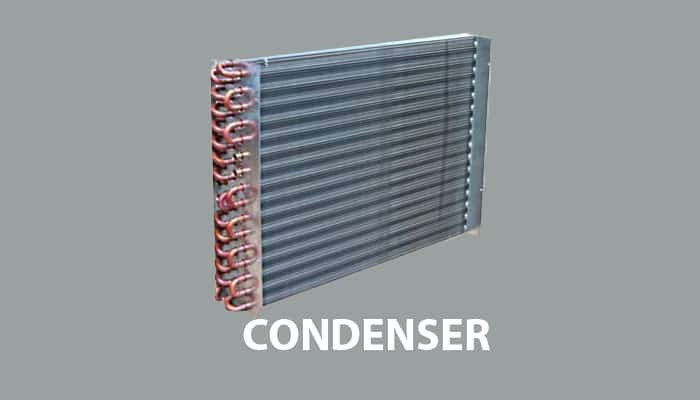
What Is The Condenser On An Ac Unit
It's a sweltering summer day, and you expect the comforting blast of cool air from your AC unit. Instead, you're met with… well, not much. Lukewarm air, or worse, no air at all. One of the most common culprits behind a struggling AC system is a problem with the condenser unit. But what *is* the condenser, and how can you tell if it's the source of your woes?
Understanding Your AC's Condenser
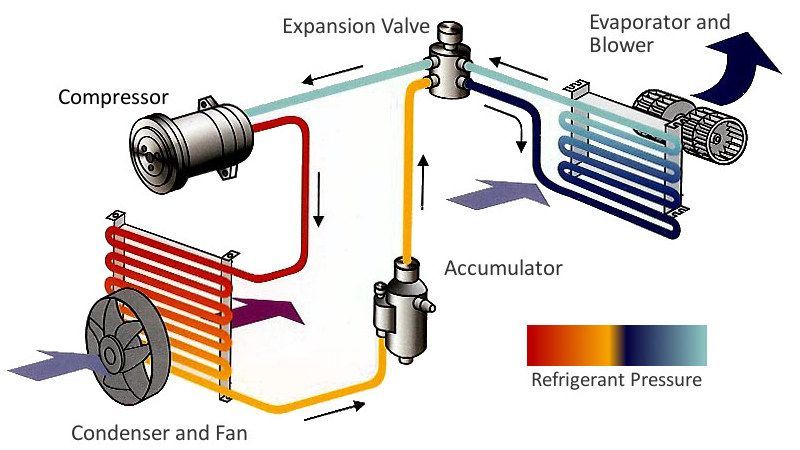
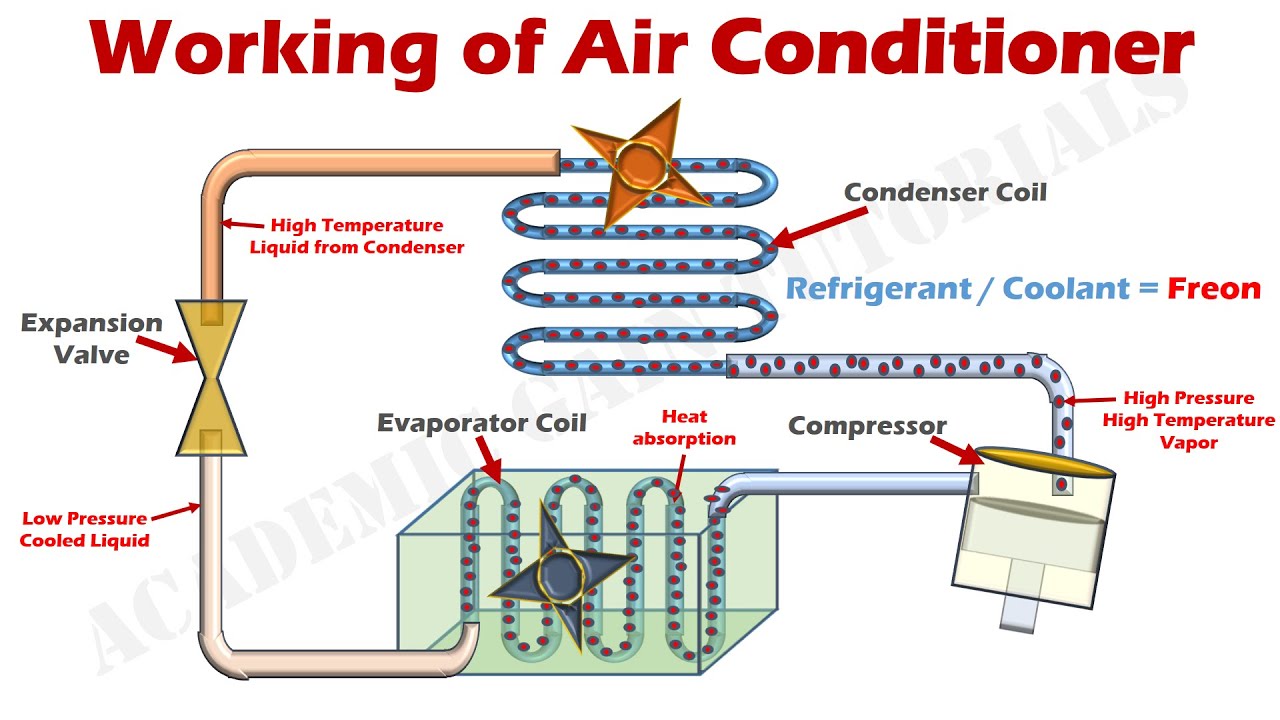
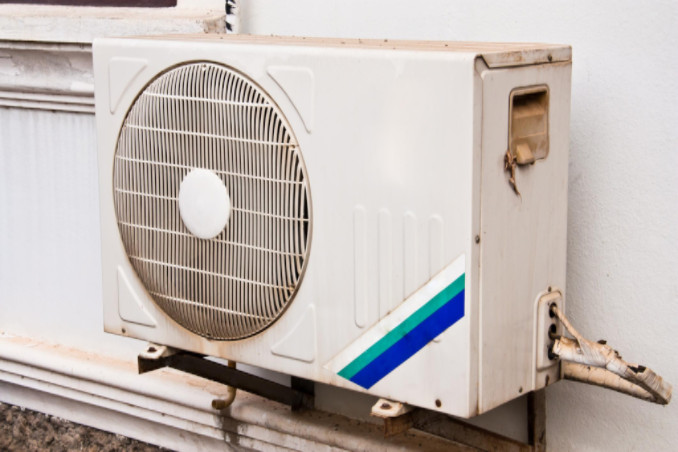
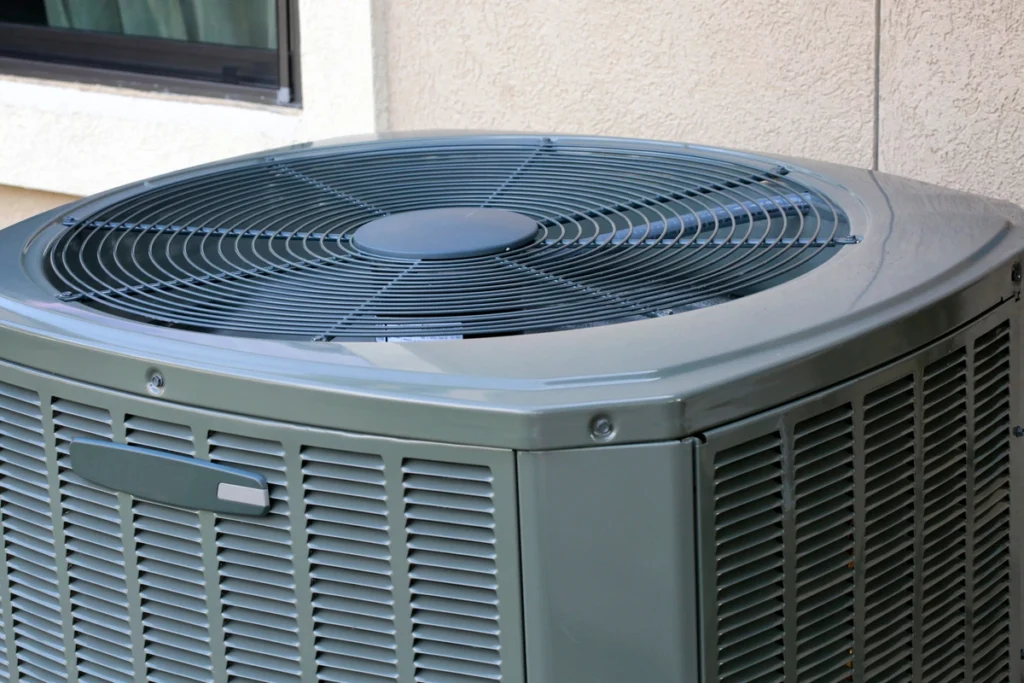
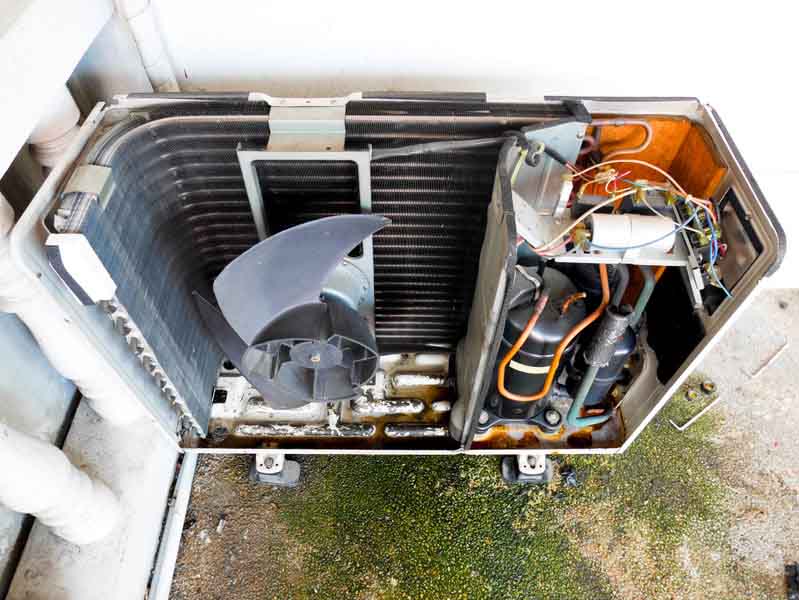
Think of your AC system as having two main components: the evaporator coil (usually inside your home) and the condenser unit (typically located outside). The condenser's job is crucial – it's responsible for releasing the heat absorbed by the refrigerant inside your home. The condenser contains the condenser coil, a compressor, a fan, and various electrical components.
Here's a simplified breakdown of the cooling process:
- Refrigerant absorbs heat inside your home through the evaporator coil.
- This hot, high-pressure refrigerant travels to the condenser unit.
- The compressor increases the pressure and temperature of the refrigerant.
- The condenser coil releases the heat to the outside air with the help of a fan.
- The cooled, high-pressure refrigerant then flows back inside to the evaporator coil to repeat the cycle.
If the condenser isn't working efficiently, the entire cooling process grinds to a halt. This leads to reduced cooling capacity, higher energy bills, and potentially, a complete system failure.
Diagnosing Condenser Problems: A Step-by-Step Guide
Before calling a professional, let's walk through some common issues you can diagnose and potentially fix yourself. Safety first! Always turn off the power to your AC unit at the breaker box before attempting any troubleshooting.
Step 1: Visual Inspection – The First Line of Defense
Start by giving the condenser unit a thorough visual check. Look for:
- Debris: Are leaves, grass clippings, branches, or other obstructions blocking the condenser coil? This is the most common culprit.
- Bent Fins: Are the thin metal fins on the condenser coil bent or damaged? A few bent fins are normal, but excessive damage can restrict airflow.
- Ice: Is there ice forming on the condenser unit, particularly around the refrigerant lines? This could indicate a refrigerant leak or airflow problem.
- Leaks: Look for signs of refrigerant leaks, such as oily residue on the unit or around the connections.
- Visible Damage: Are there any signs of physical damage to the unit, such as dents, cracks, or loose components?
Step 2: Power Check – Is It Even On?
This might sound obvious, but double-check that the breaker for your AC unit hasn't tripped. Reset it if necessary. Also, ensure the disconnect switch (usually a small box near the condenser unit) is in the "on" position.
Step 3: Condenser Fan Operation – Is It Spinning?
With the power turned back on (carefully!), observe the condenser fan. It should be spinning when the AC is calling for cooling. If the fan isn't running:
- Listen for a Humming: If you hear a humming sound but the fan isn't moving, it could be a sign of a seized motor. Do not attempt to manually start the fan with a stick or other object. This is dangerous and could damage the motor further.
- Check for Obstructions: Make sure nothing is physically blocking the fan blades.
Step 4: Coil Cleanliness – Clearing the Airflow
A dirty condenser coil is a major cause of inefficiency. To clean it:
- Turn off the power to the unit at the breaker.
- Remove any large debris by hand.
- Use a garden hose with a gentle spray nozzle to rinse the coil from the inside out. Avoid using a high-pressure washer, as it can damage the fins.
- For stubborn dirt, use a commercially available coil cleaner specifically designed for AC units. Follow the product instructions carefully.
- Allow the coil to dry completely before turning the power back on.
Step 5: Straightening Bent Fins – Gentle Correction
If you find a significant number of bent fins, you can try straightening them using a fin comb, which is a specialized tool designed for this purpose. You can find these at most hardware stores.
- Turn off the power to the unit.
- Gently slide the fin comb along the fins, following their original direction.
- Avoid applying excessive force, as this could further damage the fins.
DIY Fixes: What You Can Handle Safely
Based on your diagnosis, here are some simple fixes you can attempt:
- Removing Debris: Clearing away leaves, grass, and other obstructions is a straightforward and effective solution.
- Cleaning the Condenser Coil: Regularly cleaning the coil can significantly improve your AC's efficiency.
- Straightening Bent Fins: Correcting bent fins can restore proper airflow.
When to Call a Professional: Recognizing Your Limits
While some condenser issues are easy to address, others require the expertise of a qualified HVAC technician. Here's when it's time to call for help:
- Refrigerant Leaks: Refrigerant is a hazardous substance, and handling it requires specialized equipment and training. If you suspect a refrigerant leak, do not attempt to fix it yourself.
- Compressor Problems: The compressor is the heart of the AC system, and repairs are complex and potentially dangerous. A faulty compressor often manifests as a lack of cooling, unusual noises, or the AC tripping the breaker frequently.
- Electrical Issues: Working with electrical components can be hazardous. If you suspect an electrical problem, such as a faulty capacitor or wiring issue, do not attempt to fix it yourself.
- Fan Motor Problems: If the condenser fan motor is seized or not functioning correctly, it's best to have it replaced by a professional.
- Ice Formation: Persistent ice formation on the condenser unit can indicate a serious problem, such as a refrigerant leak, airflow obstruction, or a faulty metering device.
- You're Not Comfortable: If at any point you feel uncomfortable or unsure about performing a repair, it's always best to err on the side of caution and call a professional.
- Unit is Old: AC units have lifespans. If yours is particularly old, more extensive repairs could be necessary, or it might be time to consider a replacement.
Remember, safety is paramount. When dealing with electrical or refrigerant-related issues, it's always best to leave it to the professionals.
Preventive Maintenance: Avoiding Future Problems
The best way to avoid condenser problems is to perform regular preventive maintenance. Here are some tips:
- Schedule Annual AC Tune-Ups: A qualified HVAC technician can inspect your system, clean the coils, check the refrigerant levels, and identify potential problems before they become major issues.
- Keep the Area Around the Condenser Unit Clear: Regularly remove debris from the area surrounding the unit to ensure proper airflow.
- Clean the Condenser Coil Regularly: As described earlier, cleaning the coil can significantly improve your AC's efficiency.
- Change Air Filters Regularly: A clogged air filter restricts airflow, which can put a strain on the entire AC system, including the condenser.
By understanding the role of the condenser and taking proactive steps to maintain it, you can keep your AC system running efficiently and reliably for years to come, ensuring a cool and comfortable home all summer long.