What Is The Difference Between A Furnace And A Boiler
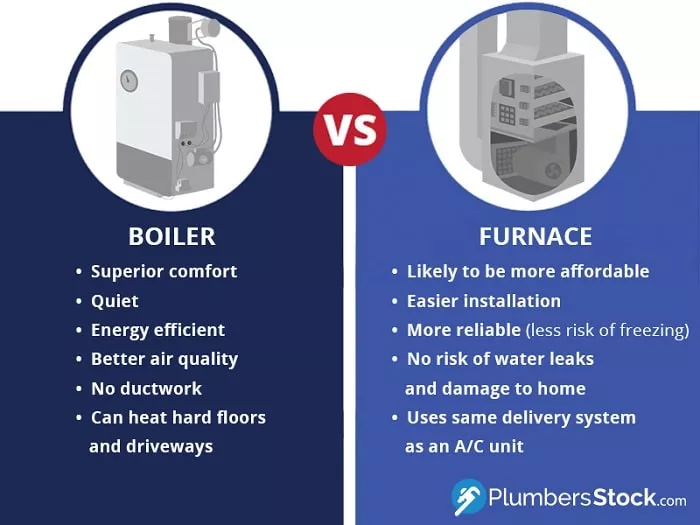
Heating our homes and businesses efficiently is crucial for both comfort and cost savings. When it comes to choosing a heating system, many people grapple with the fundamental question: what’s the difference between a furnace and a boiler? While both are designed to warm your space, they operate using entirely different principles, fuel types, and distribution methods. Understanding these differences is the first step toward making an informed decision that aligns with your specific needs and budget.
Furnaces: Forced Air Heating Explained
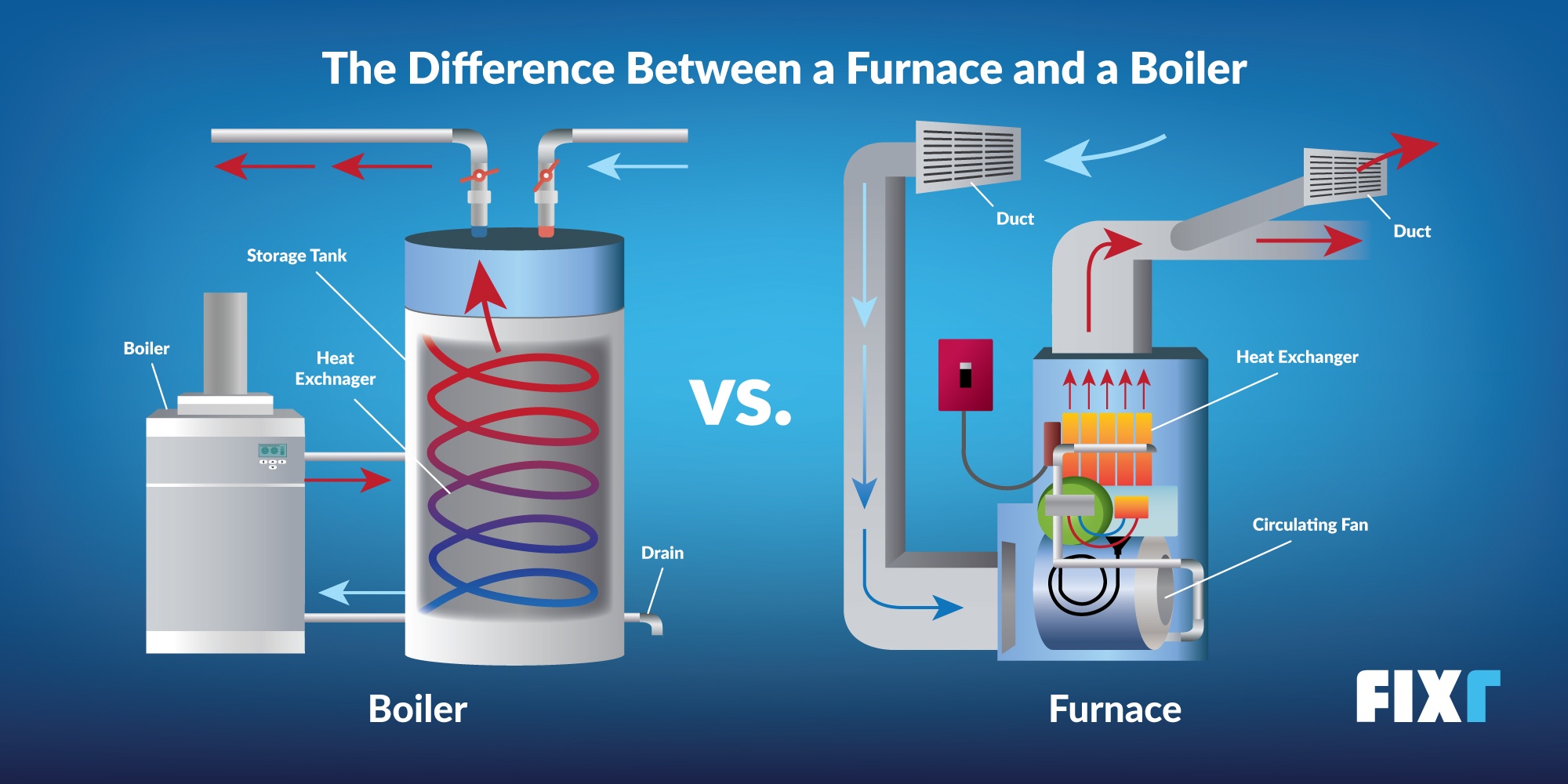
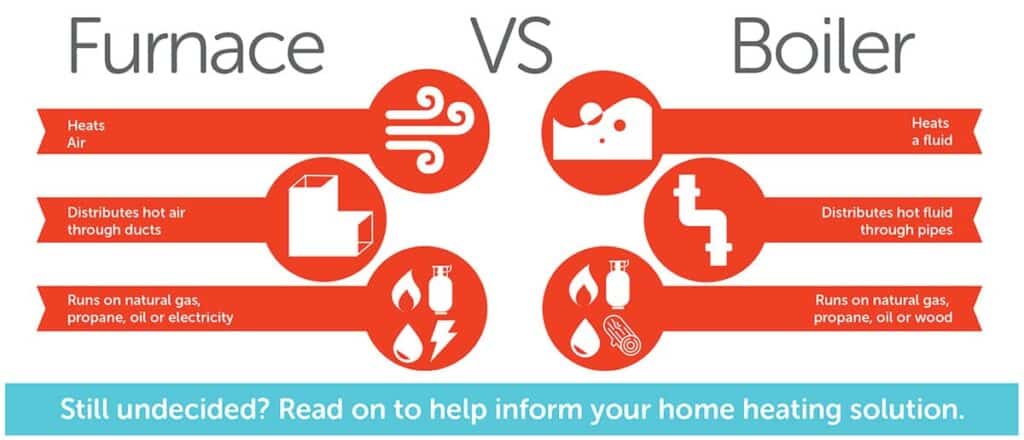
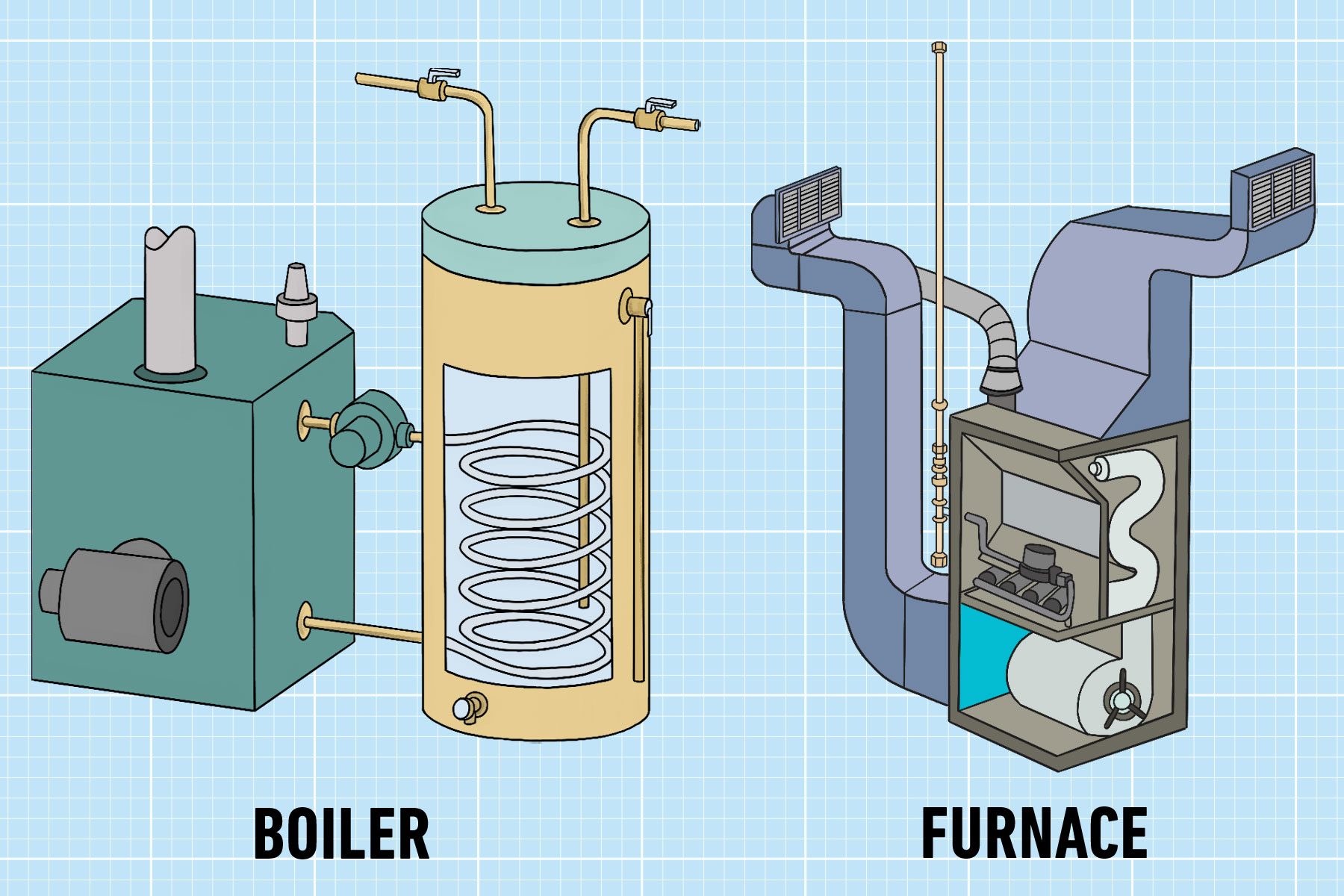
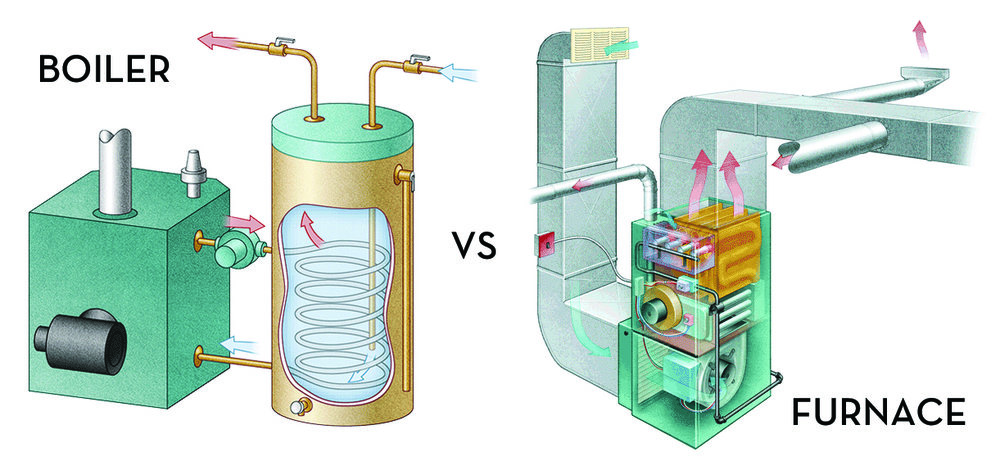
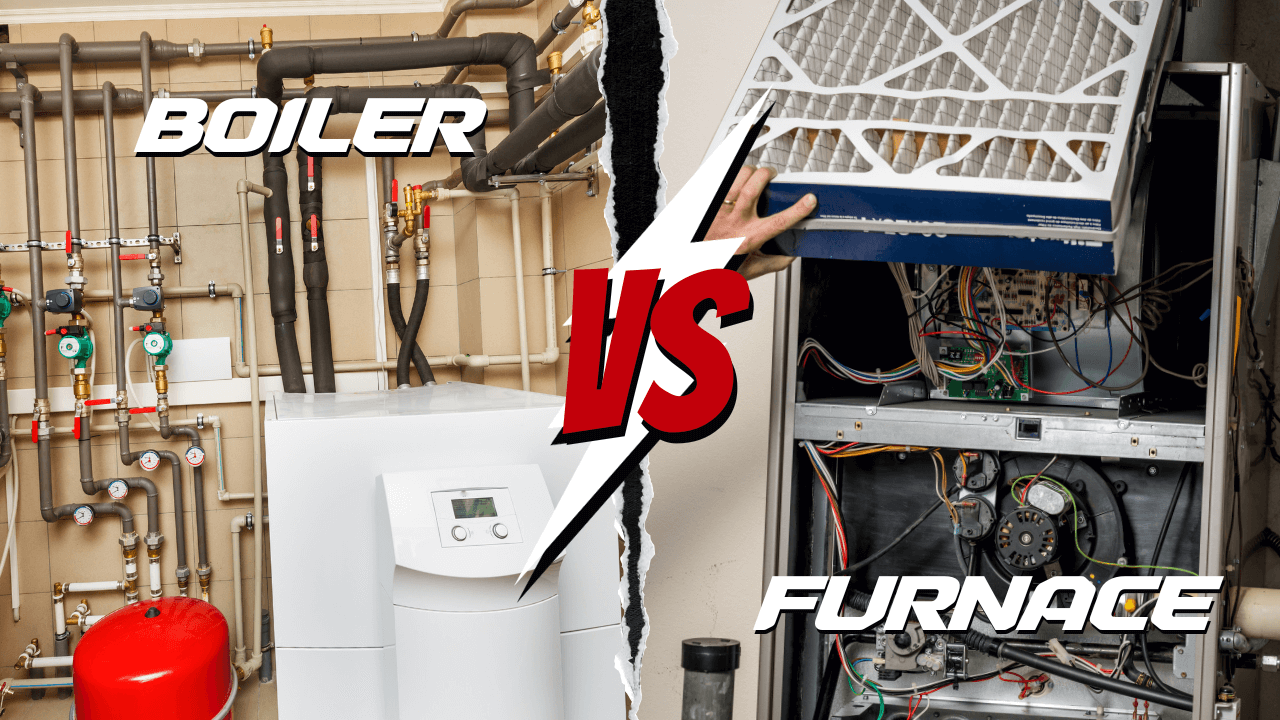
A furnace is a heating system that generates heat by burning fuel, such as natural gas, propane, oil, or electricity. The combustion process occurs within a contained chamber, and the resulting heat warms the air that passes over a heat exchanger. This heated air is then distributed throughout the building via a network of ducts and vents using a powerful fan.
How Furnaces Work: A Step-by-Step Breakdown
- Fuel Combustion: The furnace ignites fuel, creating a flame that heats the heat exchanger.
- Heat Exchanger: The heat exchanger transfers the heat from the combustion gases to the air circulating around it.
- Air Circulation: A blower fan forces air across the heated heat exchanger.
- Distribution: The heated air travels through ducts to vents in different rooms.
- Exhaust: Combustion byproducts are vented outside through a flue or chimney.
Types of Furnaces: Efficiency and Fuel Options
Furnaces are available in various types, primarily distinguished by their efficiency levels:
- Low-Efficiency Furnaces (AFUE 80% or less): These older models are less efficient, losing a significant portion of heat during combustion. They are typically less expensive to purchase but more costly to operate long-term.
- Mid-Efficiency Furnaces (AFUE 80%-89%): These furnaces offer improved efficiency compared to older models and are a common choice for homeowners. They usually require a chimney for venting.
- High-Efficiency Furnaces (AFUE 90% or higher): These are the most efficient furnaces available, often using sealed combustion and condensing technology to extract maximum heat from the fuel. They typically vent through a PVC pipe instead of a chimney and can significantly lower energy bills. Many qualify for rebates.
The Annual Fuel Utilization Efficiency (AFUE) rating measures a furnace's efficiency. A higher AFUE rating indicates a more efficient furnace. For example, a furnace with an AFUE of 95% converts 95% of the fuel into usable heat, while the remaining 5% is lost during the combustion process.
Fuel options for furnaces include:
- Natural Gas: A common and relatively inexpensive fuel source, particularly in areas with established natural gas lines.
- Propane: A viable alternative to natural gas, especially in rural areas. Propane is stored in tanks and requires regular refills.
- Oil: Once a popular choice, oil furnaces are becoming less common due to environmental concerns and fluctuating oil prices.
- Electric: Electric furnaces are generally less efficient than gas or propane furnaces, but they can be a good option in areas with low electricity rates or when other fuel sources are unavailable.
Furnace Advantages and Disadvantages
Advantages:
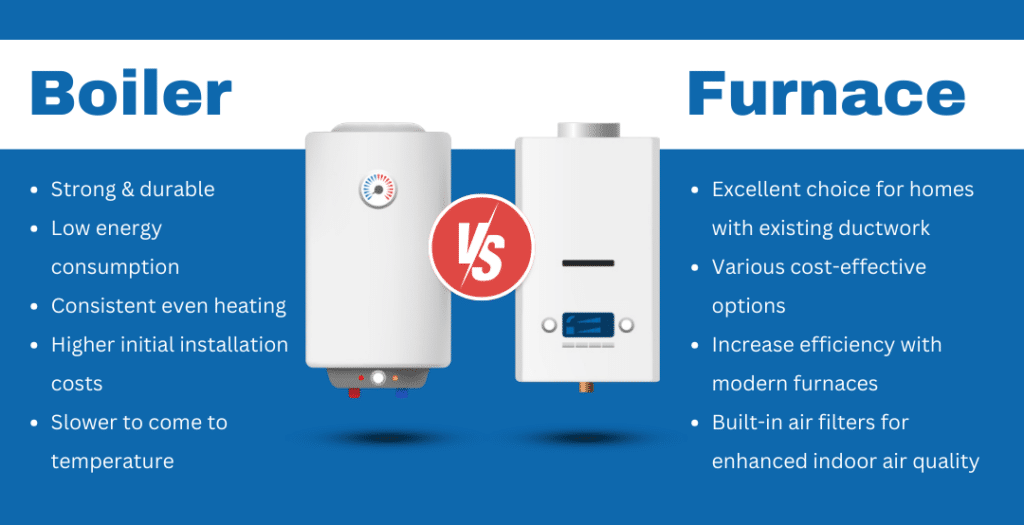
- Faster Heating: Furnaces can heat a space more quickly than boilers.
- Lower Upfront Cost: Typically, furnaces are less expensive to purchase and install than boilers.
- Easier Installation: Furnace installation is often simpler and less time-consuming.
- Air Conditioning Compatibility: Furnaces readily integrate with central air conditioning systems, using the same ductwork for both heating and cooling.
Disadvantages:
- Dry Air: Forced-air heating can dry out the air, potentially leading to discomfort and health issues. Humidifiers can be used to mitigate this.
- Uneven Heating: Some rooms may be warmer than others due to variations in ductwork and airflow.
- Dust and Allergens: Ducts can accumulate dust and allergens, which can be circulated throughout the home. Regular duct cleaning is essential.
Boilers: Radiant Heat and Hydronic Systems
A boiler is a heating system that heats water or steam, which is then circulated throughout the building via pipes to radiators, baseboard heaters, or radiant floor systems. Unlike furnaces, boilers don't directly heat the air. Instead, they heat a medium (water or steam) that transfers heat to the living space.
How Boilers Work: A Step-by-Step Breakdown
- Fuel Combustion: Similar to furnaces, boilers burn fuel (natural gas, propane, oil, or electricity) to heat water or create steam.
- Heat Transfer: The heat from the combustion process is transferred to the water or steam within the boiler tank.
- Circulation: A pump circulates the heated water or steam through pipes to radiators, baseboard heaters, or radiant floor systems.
- Heat Emission: Radiators, baseboard heaters, or radiant floors emit heat into the room.
- Return: The cooled water returns to the boiler to be reheated, creating a closed-loop system.
Types of Boilers: Efficiency and Applications
Boilers are classified based on their efficiency and the type of heating medium they use:
- Conventional Boilers: These are older models that are less efficient. A lot of heat goes up the flue.
- Condensing Boilers: These are high-efficiency boilers that capture and reuse heat that would otherwise be lost through the flue. They can achieve AFUE ratings of 90% or higher. Condensing boilers are becoming increasingly popular due to their energy-saving potential and potential rebate qualifications.
Based on the heating medium, boilers are classified as:
- Hot Water Boilers: The most common type, circulating hot water through pipes to radiators or radiant floor systems.
- Steam Boilers: Generate steam, which is distributed through pipes to radiators. Steam boilers are less common in modern residential applications.
Boiler Advantages and Disadvantages
Advantages:
- More Even Heating: Radiant heating provides consistent and even heat distribution, eliminating hot and cold spots.
- Quieter Operation: Boilers are generally quieter than furnaces, as there's no noisy blower fan.
- Improved Air Quality: Radiant heating doesn't circulate dust or allergens, making it a good choice for people with allergies or respiratory problems.
- Energy Efficiency: High-efficiency condensing boilers can significantly reduce energy consumption.
- Zoning Capabilities: Boilers can be easily zoned, allowing you to control the temperature in different areas of your home independently.
Disadvantages:
- Slower Heating: Boilers take longer to heat a space compared to furnaces.
- Higher Upfront Cost: Boilers are typically more expensive to purchase and install than furnaces.
- Complex Installation: Boiler installation can be more complex, requiring specialized knowledge and skills.
- Potential for Leaks: Water or steam leaks can occur in the pipes or radiators, requiring maintenance and repairs.
- No Cooling: Boilers don't provide cooling capabilities, so a separate air conditioning system is required.
Key Differences Summarized
Here's a table summarizing the key differences between furnaces and boilers:
| Feature | Furnace | Boiler |
|---|---|---|
| Heating Method | Forced air | Radiant heat (water or steam) |
| Distribution System | Ductwork and vents | Pipes and radiators/baseboard heaters/radiant floors |
| Fuel Types | Natural gas, propane, oil, electricity | Natural gas, propane, oil, electricity |
| Heating Speed | Faster | Slower |
| Air Quality | Can circulate dust and allergens | Doesn't circulate dust and allergens |
| Upfront Cost | Lower | Higher |
| Installation Complexity | Simpler | More complex |
| Zoning Capabilities | Less common, requires dampers in ductwork | Easier to zone |
| Cooling Compatibility | Easily integrated with central AC | Requires separate AC system |
| Energy Efficiency | Can be high-efficiency, but generally lower than boilers | High-efficiency condensing boilers available |
Smart HVAC Integration: Maximizing Efficiency and Savings
Both furnaces and boilers can be integrated with smart home technology to enhance energy efficiency and comfort. Smart thermostats, sensors, and zoning systems can optimize heating schedules, monitor room temperatures, and adjust settings remotely. This not only improves comfort but also reduces energy waste and lowers utility bills.
For example, a smart thermostat can learn your heating preferences and automatically adjust the temperature based on occupancy, weather forecasts, and time of day. Zoning systems allow you to heat only the rooms you're using, further reducing energy consumption. Furthermore, leak detection sensors with boilers can prevent costly damage.
Consider these smart home components for your HVAC system:
- Smart Thermostats: Learn your preferences, adjust automatically, and allow remote control. Brands like Nest, Ecobee, and Honeywell offer popular options.
- Zoning Systems: Control the temperature in different zones of your home independently.
- Sensors: Monitor temperature, humidity, and occupancy to optimize heating and cooling.
- Leak Detectors: Detect water leaks in boiler systems to prevent damage.
Energy Efficiency, ROI, and Rebates
Investing in a high-efficiency furnace or boiler can yield significant long-term savings. While the initial cost may be higher, the reduced energy consumption will translate into lower utility bills and a faster return on investment (ROI). Furthermore, many government and utility companies offer rebates and incentives for installing energy-efficient HVAC systems. Energy Star is a great resource to find qualified products.
Before making a decision, research available rebates and tax credits in your area. These incentives can significantly offset the cost of a new HVAC system and accelerate your ROI. Check with your local utility company, state energy office, and the Energy Star website for details on available programs.
When evaluating the ROI of a new HVAC system, consider these factors:
- Energy Savings: Calculate the estimated annual energy savings based on the AFUE rating of the new system and your current energy consumption.
- Rebates and Incentives: Factor in any rebates or tax credits you're eligible for.
- Maintenance Costs: Consider the potential maintenance costs of the new system.
- Lifespan: Estimate the lifespan of the new system and compare it to the lifespan of your current system.
Making the Right Choice: Factors to Consider
Choosing between a furnace and a boiler depends on several factors, including:
- Climate: In colder climates, boilers may be a better choice due to their ability to provide consistent and even heat.
- Home Size and Layout: The size and layout of your home will influence the type of heating system that's most appropriate.
- Fuel Availability and Cost: Consider the availability and cost of different fuel options in your area.
- Budget: Determine your budget and weigh the upfront cost of the system against the potential long-term energy savings.
- Personal Preferences: Consider your personal preferences for comfort, air quality, and noise level.
Consult with a qualified HVAC contractor to assess your specific needs and recommend the best heating system for your home or business. A professional can evaluate your existing infrastructure, energy consumption, and budget to provide you with tailored recommendations and ensure proper installation.