What Is The Difference Between Absolute Humidity And Relative Humidity
Understanding humidity is key to optimizing your HVAC system and reducing energy consumption. But what exactly *is* humidity, and how do the different ways we measure it – namely absolute humidity and relative humidity – impact your comfort and energy bills? This article breaks down the differences between these two critical concepts, explaining how they affect your home or business and offering practical tips for maintaining optimal humidity levels for energy efficiency.
Absolute Humidity: The Raw Amount of Moisture
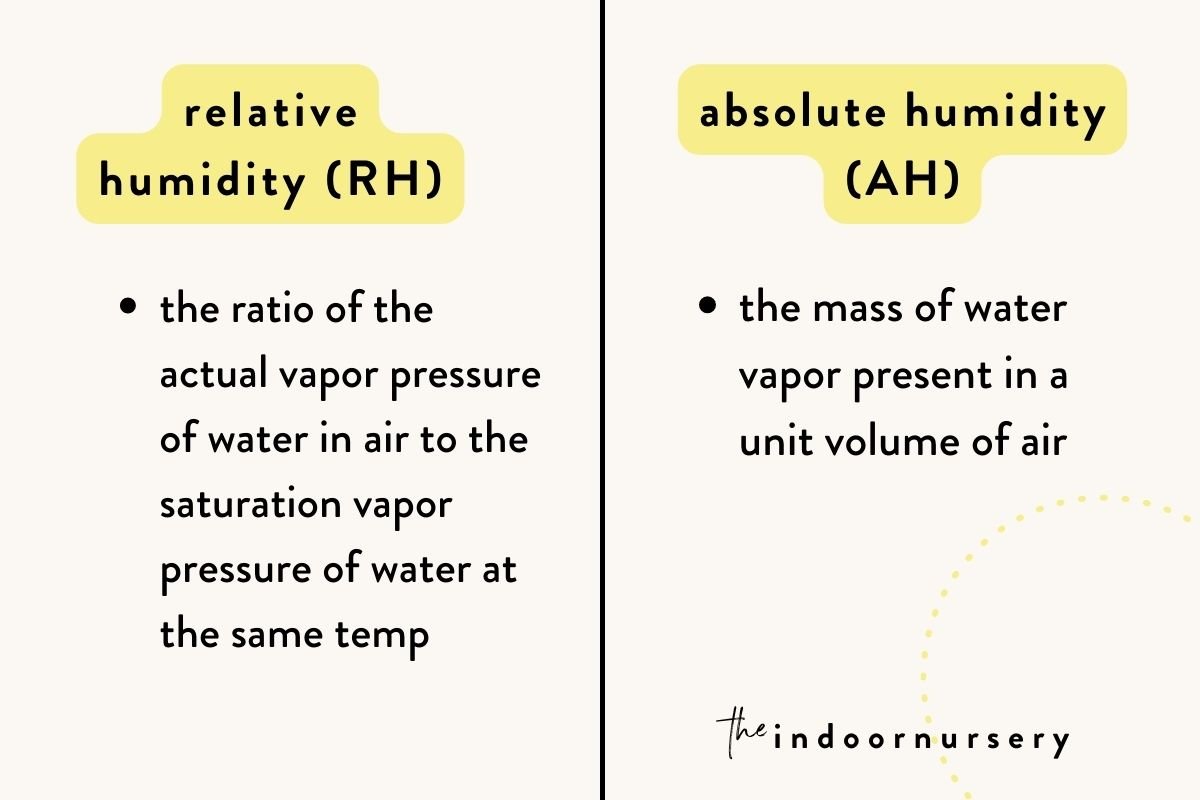
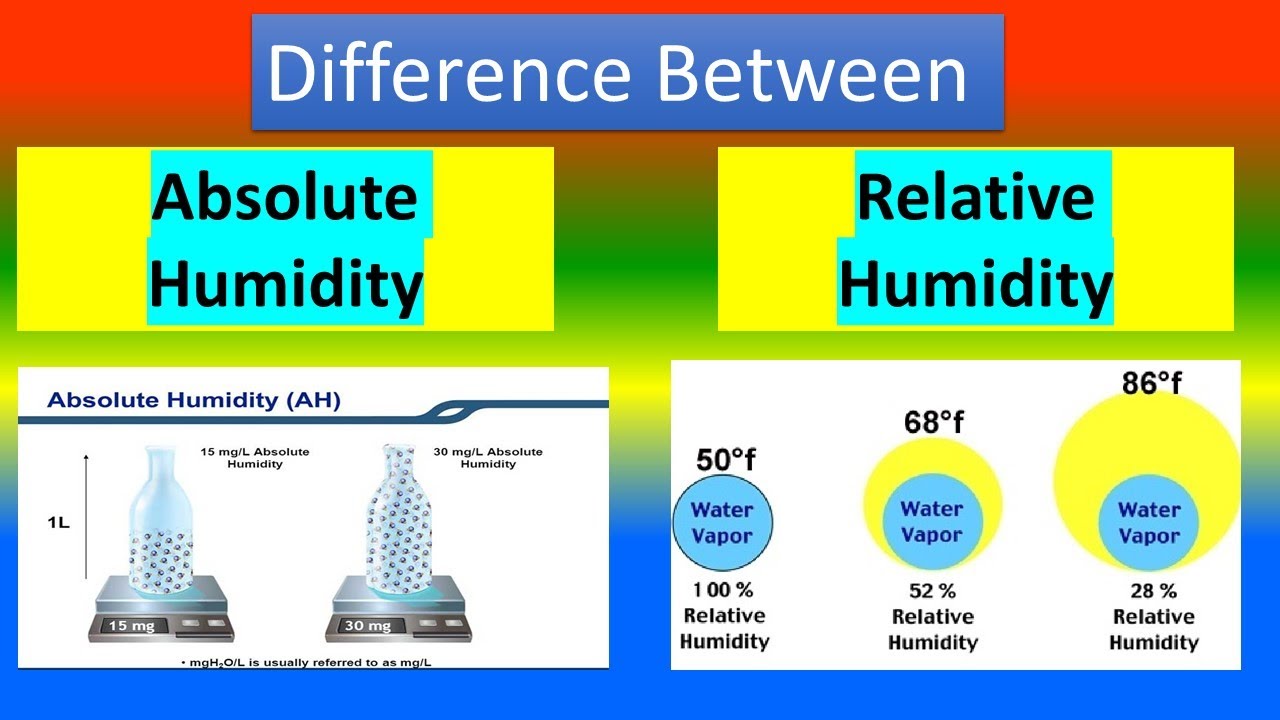
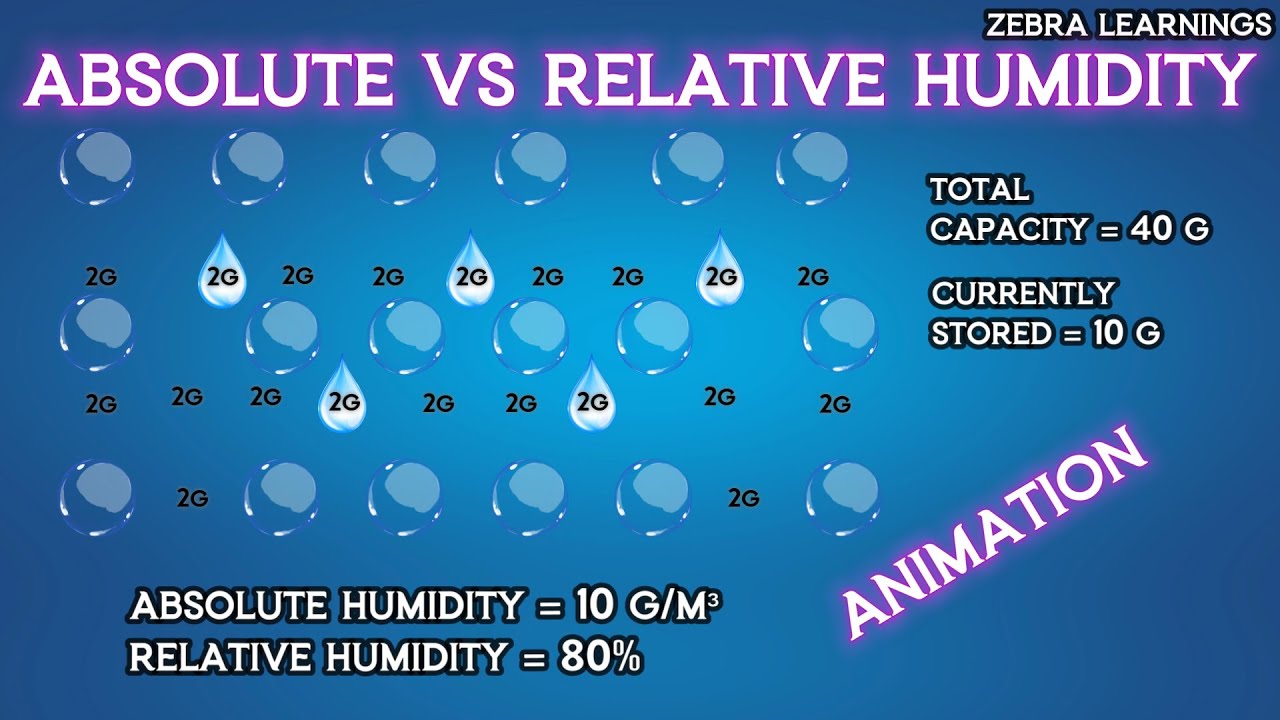
Absolute humidity is the most straightforward way to measure moisture in the air. It represents the actual mass of water vapor present in a given volume of air, typically expressed as grams of water per cubic meter of air (g/m3) or grains of water per pound of air (grains/lb). Think of it as the "naked truth" of how much water is hanging around. Crucially, absolute humidity doesn't consider temperature.
Here's what you need to know about absolute humidity:
- Direct Measurement: It's a direct measure of water vapor mass.
- Temperature Independent: Changes in temperature don't automatically change absolute humidity. If you have a sealed container, and you heat the container up, the absolute humidity does not change.
- Harder to Use Practically: Because it doesn't account for temperature, absolute humidity isn't as helpful for gauging comfort levels or predicting condensation.
Imagine a basement with a dehumidifier running. The dehumidifier removes moisture from the air, directly reducing the absolute humidity. Lowering the absolute humidity will lead to lower risk of mold growth.
Relative Humidity: The Percentage You Need to Know
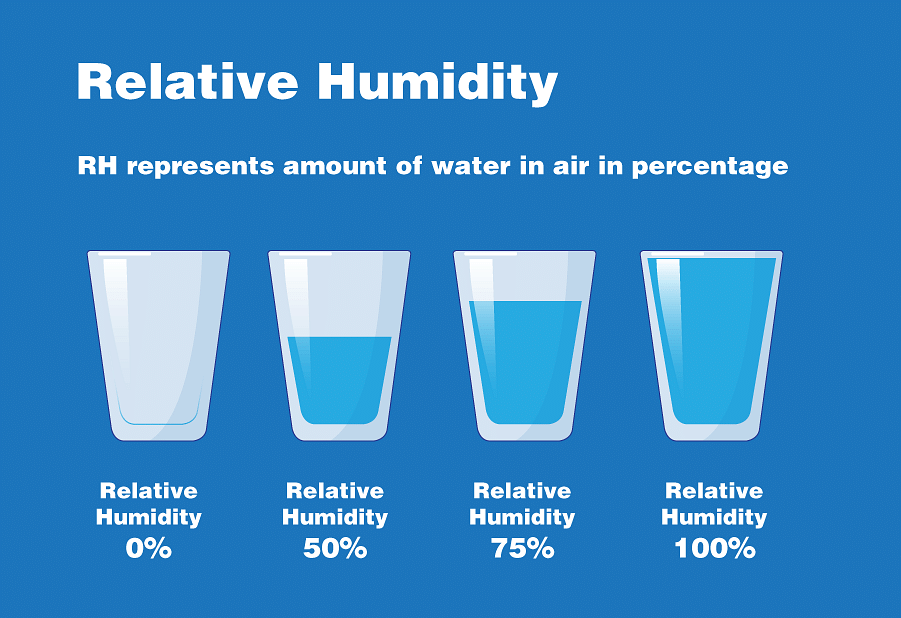
Relative humidity (RH) is the percentage of water vapor present in the air compared to the maximum amount of water vapor the air can hold at a specific temperature. In other words, it tells you how close the air is to being saturated. It's expressed as a percentage, with 100% representing fully saturated air (where condensation starts to form).
Here's the essential information about relative humidity:
- Temperature Dependent: This is the crucial difference. Warm air can hold more moisture than cold air. So, even if the absolute humidity remains constant, the relative humidity will decrease as the temperature rises and increase as the temperature falls.
- Comfort Indicator: Relative humidity is a far better indicator of comfort than absolute humidity. High relative humidity makes the air feel "sticky" and uncomfortable, while low relative humidity can lead to dry skin and respiratory irritation.
- Condensation Predictor: Relative humidity helps predict condensation. When relative humidity reaches 100%, the air is saturated, and excess water vapor will condense into liquid water (dew, fog, etc.).
The Environmental Protection Agency (EPA) recommends maintaining a relative humidity between 30% and 50% indoors. This range helps prevent mold growth, dust mite infestations, and respiratory problems, all of which can trigger allergies and asthma. Maintaining the correct relative humidity can lead to improved indoor air quality and improved health for inhabitants.
Why Relative Humidity Matters for Energy Efficiency
Understanding relative humidity is critical for optimizing your HVAC system and saving energy:
- Cooling Load: High relative humidity makes it harder for your air conditioner to cool your home. When the air is humid, your AC has to work harder to remove both heat *and* moisture. This increased workload translates to higher energy consumption and higher electricity bills. A smart thermostat paired with humidity sensors can help your AC system intelligently adjust its operation to remove moisture effectively.
- Heating Load: Low relative humidity can make your home feel colder at the same temperature. This leads you to crank up the thermostat, increasing your heating costs. A humidifier can add moisture to the air, allowing you to feel comfortable at a lower temperature.
- Mold and Mildew: High relative humidity promotes mold and mildew growth. Mold can damage your property and pose health risks, leading to costly repairs and medical bills. Controlling humidity can prevent these problems.
- Health and Comfort: Maintaining optimal relative humidity improves your comfort and reduces health issues. This can lead to increased productivity (in a workplace) and reduced healthcare costs.
Data Points to Consider
- According to the U.S. Department of Energy, for every degree you lower your thermostat in the winter, you can save up to 1% on your heating bill. By using a humidifier to increase the relative humidity, you can lower the thermostat while still maintaining a comfortable temperature.
- Energy Star certified dehumidifiers are approximately 15% more energy efficient than standard models.
- Studies have shown that maintaining a relative humidity between 40% and 60% can reduce the survival and transmission of airborne viruses, including the flu virus.
Smart HVAC Integration: Humidity Sensors and Smart Thermostats
Smart HVAC systems, especially those with humidity sensors and smart thermostats, offer precise control over your indoor environment. Here's how they can help you manage humidity and save energy:
- Real-time Monitoring: Humidity sensors continuously monitor the relative humidity in your home. Smart thermostats display this information and allow you to set target humidity levels.
- Automated Adjustments: Based on the sensor readings, smart thermostats can automatically adjust your HVAC system to maintain the desired humidity level. For example, they can activate the AC to remove moisture or engage a humidifier to add moisture.
- Remote Control: You can monitor and adjust your humidity settings remotely using a smartphone app. This is especially useful when you're away from home for extended periods.
- Energy Savings: By optimizing humidity levels, smart HVAC systems can reduce your energy consumption and lower your utility bills. They prevent overcooling or overheating, ensuring that your system operates efficiently.
- Zone Control: Some smart HVAC systems allow for zone control, enabling you to set different humidity levels in different areas of your home. This can be beneficial for rooms with varying humidity needs, such as bathrooms or basements.
- Integration with Dehumidifiers and Humidifiers: Smart thermostats can seamlessly integrate with dehumidifiers and humidifiers, automatically turning them on or off as needed to maintain the desired humidity level.
Rebates and Incentives
Many utility companies and government agencies offer rebates and incentives for installing energy-efficient HVAC systems, including smart thermostats and dehumidifiers. Check with your local utility provider or visit the Energy Star website to find available programs in your area. These rebates can significantly reduce the upfront cost of upgrading your HVAC system.
Some of the rebates include:
- Utility Company Rebates: Many local utility companies offer rebates for installing Energy Star certified smart thermostats, dehumidifiers, and other energy-efficient appliances.
- State Government Incentives: Several states offer tax credits or rebates for energy-efficient home improvements, including HVAC upgrades.
- Federal Tax Credits: The federal government offers tax credits for certain energy-efficient home improvements, such as installing high-efficiency HVAC systems.
Practical Tips for Managing Humidity and Saving Energy
Here are some practical tips for managing humidity and saving energy in your home or business:
- Use exhaust fans: Run exhaust fans in bathrooms and kitchens to remove moisture generated during showering, cooking, and dishwashing.
- Fix leaks: Repair any leaks in your plumbing or roof to prevent water from entering your home and increasing humidity levels.
- Improve ventilation: Ensure that your home has adequate ventilation to remove stale, humid air and replace it with fresh, dry air. Consider installing a whole-house ventilation system.
- Use a dehumidifier: If you live in a humid climate, use a dehumidifier to remove excess moisture from the air.
- Use a humidifier: If you live in a dry climate, use a humidifier to add moisture to the air, especially during the winter months.
- Seal air leaks: Seal any air leaks around windows, doors, and other openings to prevent drafts and reduce energy loss.
- Insulate your home: Proper insulation helps to maintain a consistent temperature and reduce energy consumption.
- Monitor humidity levels: Use a hygrometer or a smart thermostat with humidity sensors to monitor the relative humidity in your home.
- Clean your AC unit: Regularly clean your AC unit to ensure that it is operating efficiently and removing moisture effectively.
- Consider a whole-house dehumidifier: For homes with persistent humidity problems, a whole-house dehumidifier can provide consistent moisture control throughout the entire home.
Conclusion: Humidity Control = Energy Savings
Understanding the difference between absolute humidity and relative humidity is essential for optimizing your HVAC system, improving your comfort, and saving energy. By using smart HVAC technology, following practical tips, and taking advantage of available rebates and incentives, you can effectively manage humidity levels in your home or business and reduce your energy bills. Remember that proper humidity control not only leads to lower energy costs but also enhances indoor air quality, protects your property, and improves your overall health and well-being.