What Is The Difference Between Cellulose And Fiberglass Insulation
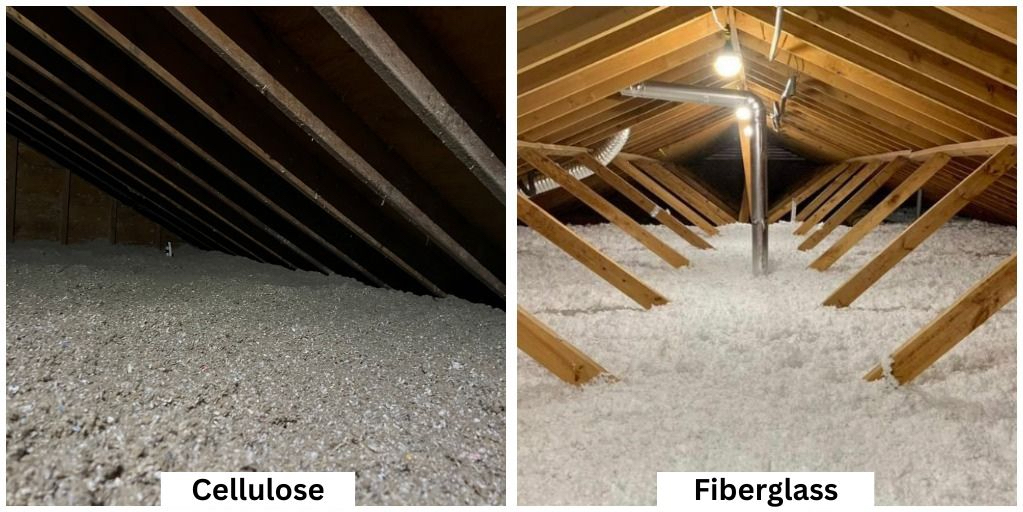
Choosing the right insulation for your home is a crucial decision that affects energy efficiency, comfort, and even air quality. Two of the most popular insulation materials are cellulose and fiberglass. While both aim to reduce heat transfer and save you money on energy bills, they differ significantly in their composition, performance, installation, and environmental impact. This guide will provide a detailed comparison to help you make an informed choice.
What is Cellulose Insulation?
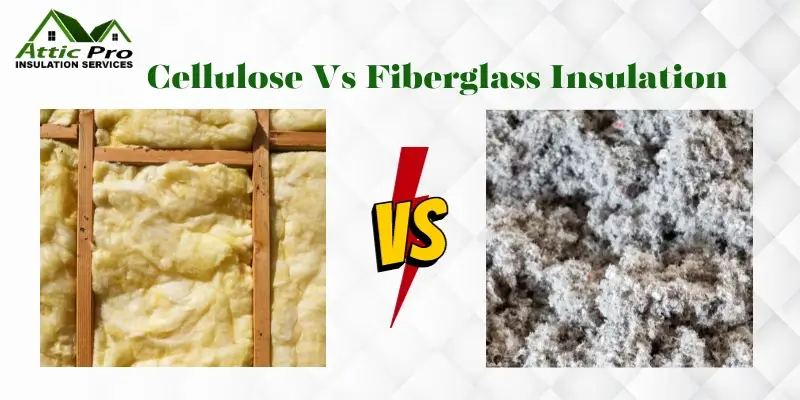
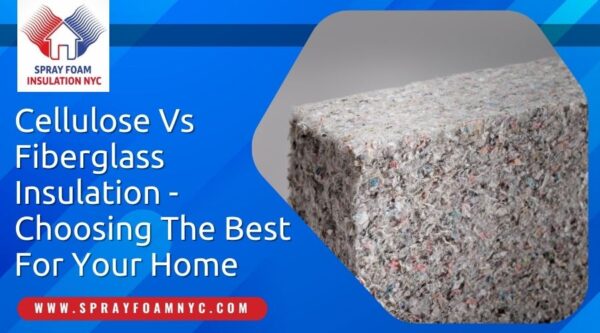
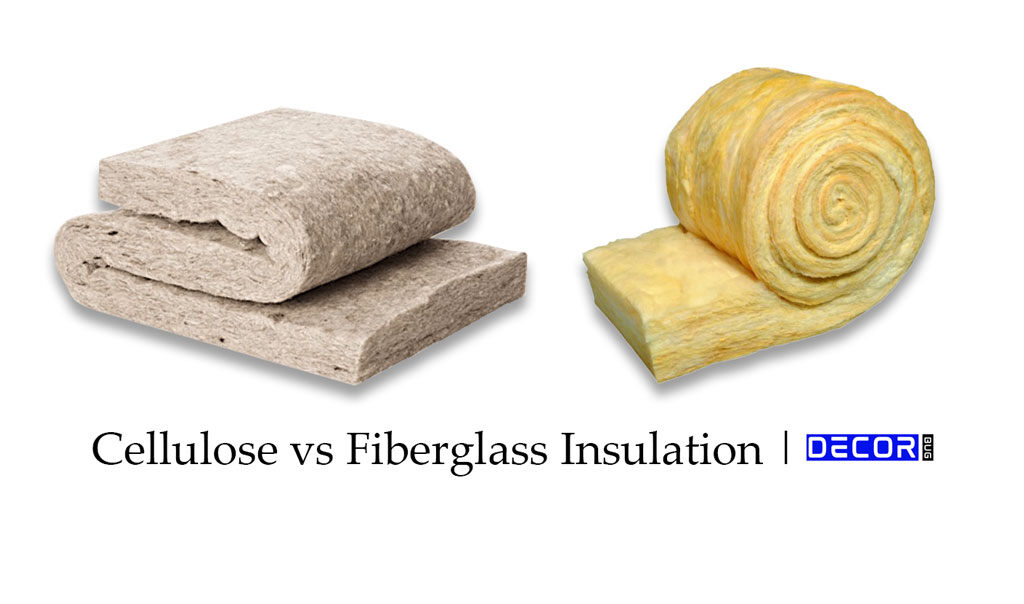
Cellulose insulation is primarily made from recycled paper products, typically newspapers. This makes it a very environmentally friendly option. The paper is treated with borates, which act as fire retardants and pest control agents. Cellulose insulation comes in two main forms: loose-fill and stabilized.
Loose-Fill Cellulose
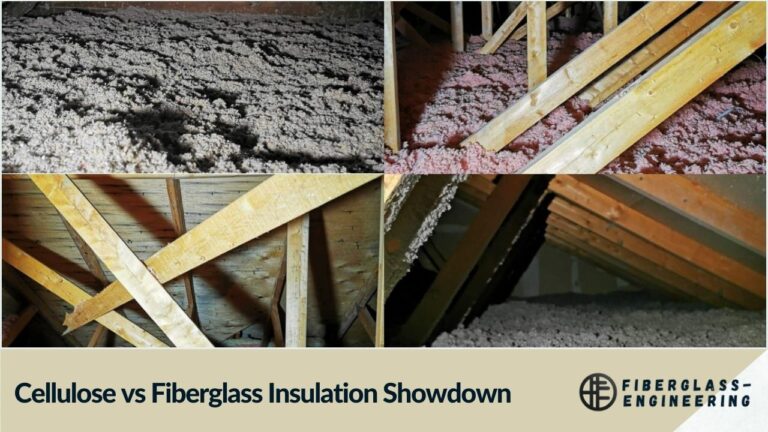
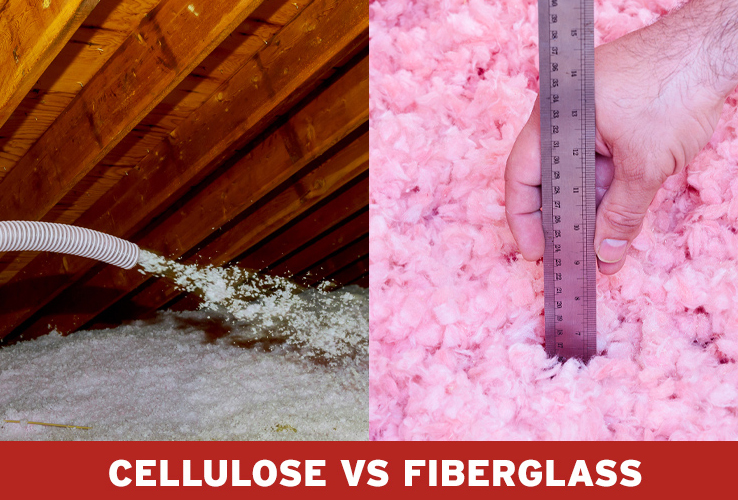
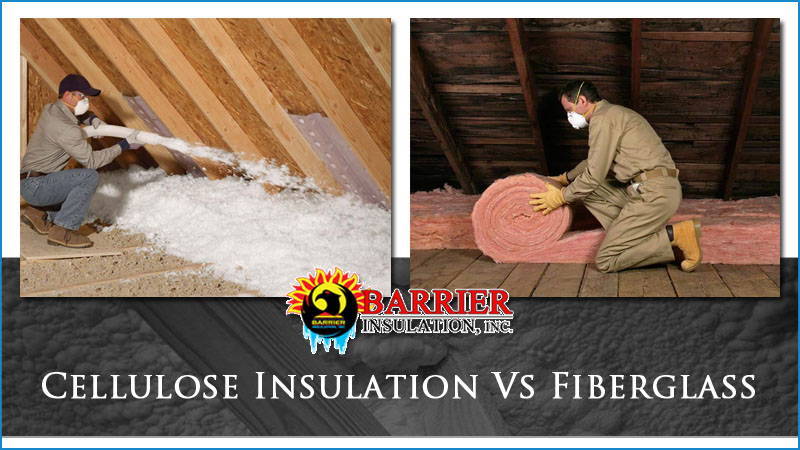
Loose-fill cellulose is installed by blowing the material into cavities, such as walls and attics. It's excellent for filling irregular spaces and can achieve very high R-values when properly installed.
Stabilized Cellulose
Stabilized cellulose involves adding a small amount of moisture during installation. This helps the cellulose fibers bind together, creating a denser, more cohesive layer of insulation. This reduces settling and improves its performance in vertical applications.
What is Fiberglass Insulation?
Fiberglass insulation is made from molten glass that is spun into fine fibers. These fibers are then bonded together with a resin to create batts, rolls, or loose-fill insulation. Fiberglass is a widely available and relatively inexpensive option.
Fiberglass Batts and Rolls
Fiberglass batts and rolls are pre-cut sections of insulation that are designed to fit snugly between studs and joists. They are easy to install yourself, making them a popular choice for DIY projects.
Loose-Fill Fiberglass
Like cellulose, fiberglass also comes in a loose-fill form. It is installed using a blowing machine and is suitable for filling attics and wall cavities.
Key Differences Between Cellulose and Fiberglass Insulation
Now, let's delve into the specific differences between these two insulation types:
Material Composition and Environmental Impact
This is where cellulose shines. Made from 80-85% recycled paper, cellulose is a sustainable choice that reduces landfill waste. The borate treatment also contributes to pest control and fire resistance. Fiberglass, while sometimes containing recycled glass, requires a significant amount of energy to manufacture. The resins used to bind the fibers can also contain formaldehyde, a volatile organic compound (VOC) that can affect indoor air quality (though formaldehyde-free options are available). Cellulose wins hands down in terms of environmental friendliness.
R-Value and Thermal Performance
R-value is a measure of an insulation's resistance to heat flow; the higher the R-value, the better the insulation. Both cellulose and fiberglass offer good R-values, but cellulose generally has a slight edge. Loose-fill cellulose typically has an R-value of 3.2 to 3.8 per inch, while fiberglass ranges from 2.2 to 2.9 per inch. This means that to achieve the same level of insulation, you would need a slightly thicker layer of fiberglass compared to cellulose. However, the real-world performance can vary based on installation quality and how well the material fills gaps and cracks.
Installation
Fiberglass batts and rolls are generally easier to install for DIYers, especially in open wall cavities. They can be cut to size and stapled in place. However, they can be less effective if not installed properly, leaving gaps that compromise insulation performance. Loose-fill cellulose and fiberglass require specialized blowing equipment, making them more suitable for professional installation. Cellulose, due to its denser nature, is better at filling small gaps and crevices, reducing air infiltration. Improper installation can significantly reduce the effectiveness of any insulation material.
Air Sealing
This is a critical aspect of insulation that often gets overlooked. Insulation's primary purpose is to slow down heat transfer, but air leakage can bypass the insulation altogether. Cellulose excels at air sealing. Its dense composition and ability to fill small cracks and crevices significantly reduce air infiltration. Fiberglass, on the other hand, does not provide a good air seal on its own. Air can easily pass through the fibrous structure. Therefore, when using fiberglass, it's crucial to combine it with an air barrier, such as a sealant or house wrap.
Moisture Resistance
Fiberglass is generally more resistant to moisture than cellulose. If cellulose gets wet, it can lose its insulating properties and potentially promote mold growth if not dried quickly. However, cellulose is treated with borates, which inhibit mold and mildew growth. Fiberglass, while not susceptible to mold, can still lose its insulating value when wet. Proper ventilation and moisture control are essential regardless of the insulation type.
Fire Resistance
Both cellulose and fiberglass are treated to be fire-resistant. Cellulose is treated with borates, which act as a fire retardant. Fiberglass is inherently fire-resistant due to its composition. Both materials meet building code requirements for fire safety.
Pest Resistance
The borate treatment in cellulose insulation also makes it resistant to pests like insects and rodents. The borates are toxic to these pests, deterring them from nesting in the insulation. Fiberglass does not offer any inherent pest resistance, and rodents may sometimes nest in it.
Cost
Fiberglass is typically less expensive than cellulose, particularly for batts and rolls. However, the cost difference can narrow when considering the cost of professional installation for loose-fill options. The long-term cost-effectiveness also depends on the energy savings achieved. Cellulose's better air sealing properties and slightly higher R-value can lead to greater energy savings over time, potentially offsetting the higher initial cost.
Settling
Settling is a concern with loose-fill insulation. Over time, gravity can cause the material to compact, reducing its insulating value, especially in attics. Fiberglass tends to settle more than stabilized cellulose. Stabilized cellulose, which is slightly moistened during installation, forms a denser pack that is less prone to settling. It’s important to consider this factor, particularly in attics, when choosing your insulation.
Summary Table
To summarize the key differences, here's a table:
| Feature | Cellulose | Fiberglass |
|---|---|---|
| Material | Recycled paper | Molten glass |
| Environmental Impact | High recycled content, low energy to manufacture | Lower recycled content, higher energy to manufacture |
| R-Value (per inch) | 3.2 - 3.8 | 2.2 - 2.9 |
| Installation | Requires blower, often professional | Batts/rolls are DIY-friendly, loose-fill requires blower |
| Air Sealing | Excellent | Poor, requires air barrier |
| Moisture Resistance | Lower (treated with borates to resist mold) | Higher |
| Fire Resistance | Good (treated with borates) | Good (inherently fire-resistant) |
| Pest Resistance | Good (borate treatment) | Poor |
| Cost | Generally more expensive | Generally less expensive |
| Settling | Less settling (especially stabilized) | More settling |
Making the Right Choice
The best insulation for your home depends on your specific needs and priorities. Consider the following factors:
- Budget: Fiberglass is generally the more affordable option upfront.
- DIY vs. Professional Installation: Fiberglass batts and rolls are easier for DIY projects, while loose-fill options of both materials require professional installation.
- Environmental Concerns: Cellulose is the more sustainable choice due to its high recycled content.
- Air Sealing: If air sealing is a major concern, cellulose is a better option.
- Moisture Levels: In damp environments, fiberglass might be preferred, but proper moisture control is essential regardless.
- Pest Control: If pest resistance is a priority, cellulose offers added protection.
Before making a decision, get quotes from multiple contractors and discuss your specific needs and concerns with them. They can assess your home's unique characteristics and recommend the best insulation solution for your situation. Don't hesitate to ask about the types of fiberglass or cellulose they use and ensure that any fiberglass options are formaldehyde-free if you have concerns about indoor air quality.
Conclusion
Both cellulose and fiberglass are effective insulation materials that can improve your home's energy efficiency. By understanding the key differences between them, you can make an informed decision that aligns with your budget, environmental concerns, and specific needs. Remember that proper installation is crucial for maximizing the performance of any insulation material. Invest time and effort in researching and choosing the right insulation, and you'll reap the benefits of a more comfortable and energy-efficient home for years to come.