What Is The Difference Between Condensing And Non-condensing Water Heaters
Picture this: You hop in the shower, expecting a cascade of warm water, only to be greeted by a shockingly cold stream. A malfunctioning water heater is a common homeowner headache, but understanding the type of water heater you have – condensing or non-condensing – is the first step toward effective troubleshooting.
Before you call a plumber, let's explore the differences between these two types and walk through some basic troubleshooting steps you can safely perform. Remember, safety always comes first. If you're uncomfortable with any of these steps, or if the problem persists, it's time to call a qualified professional.
Understanding the Key Difference: Efficiency
The core difference between condensing and non-condensing water heaters lies in their efficiency. Both heat water using a fuel source (typically natural gas or propane), but they handle exhaust gases differently.
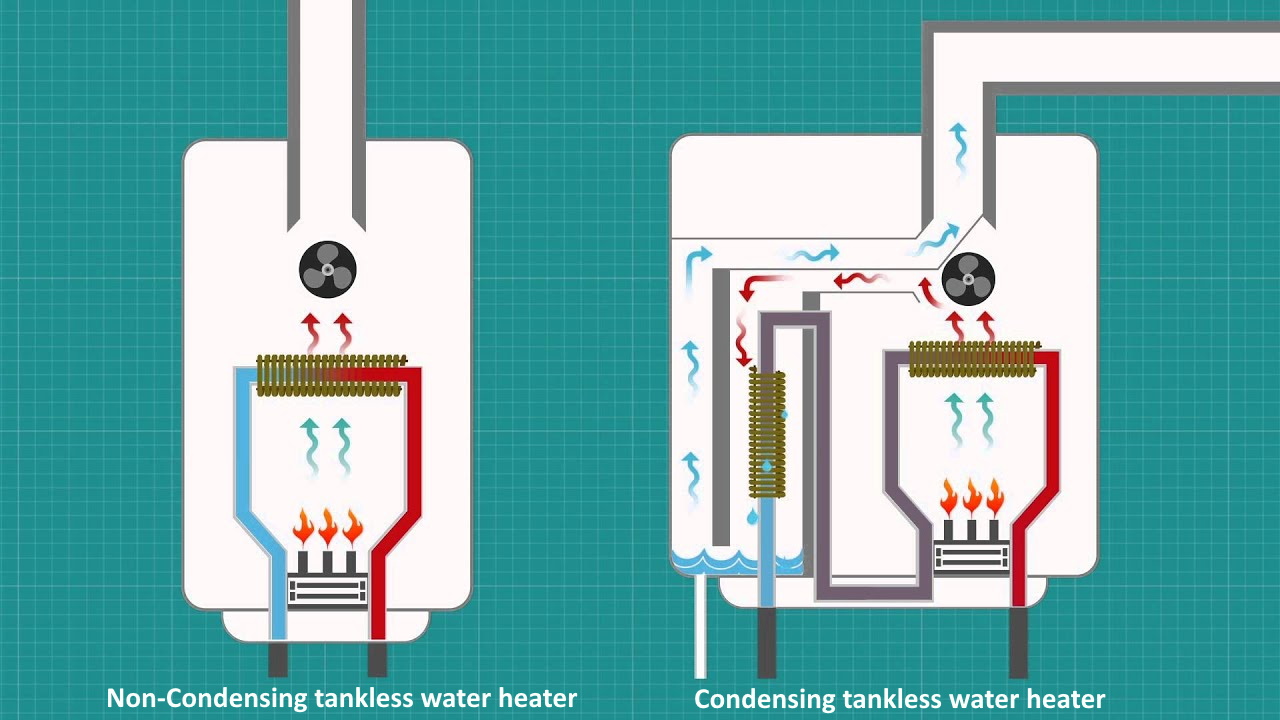
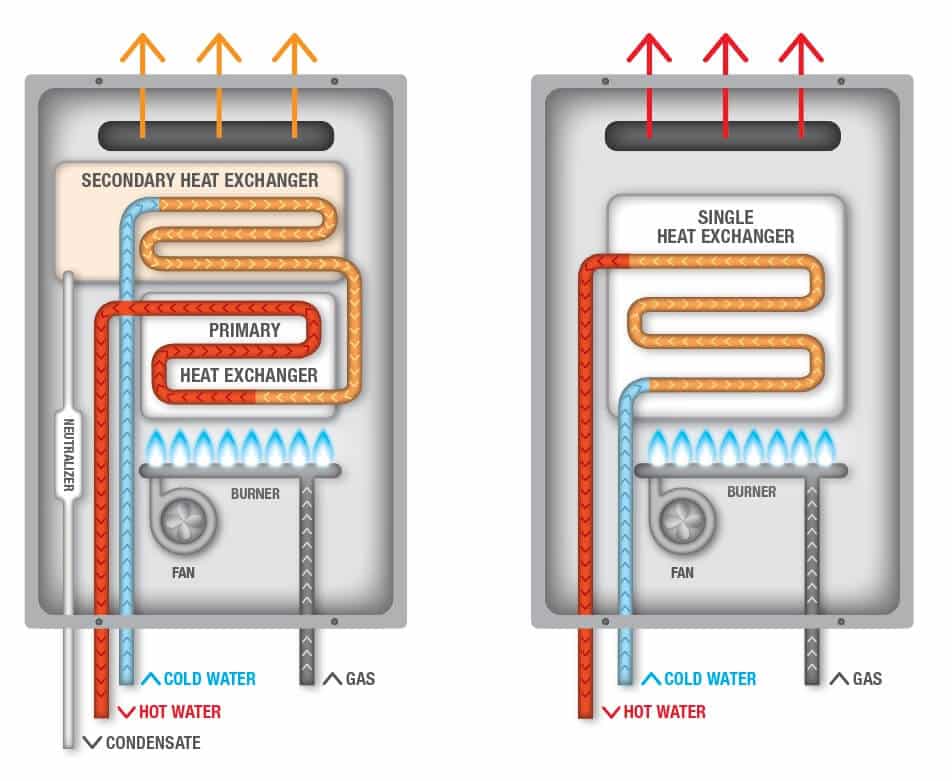
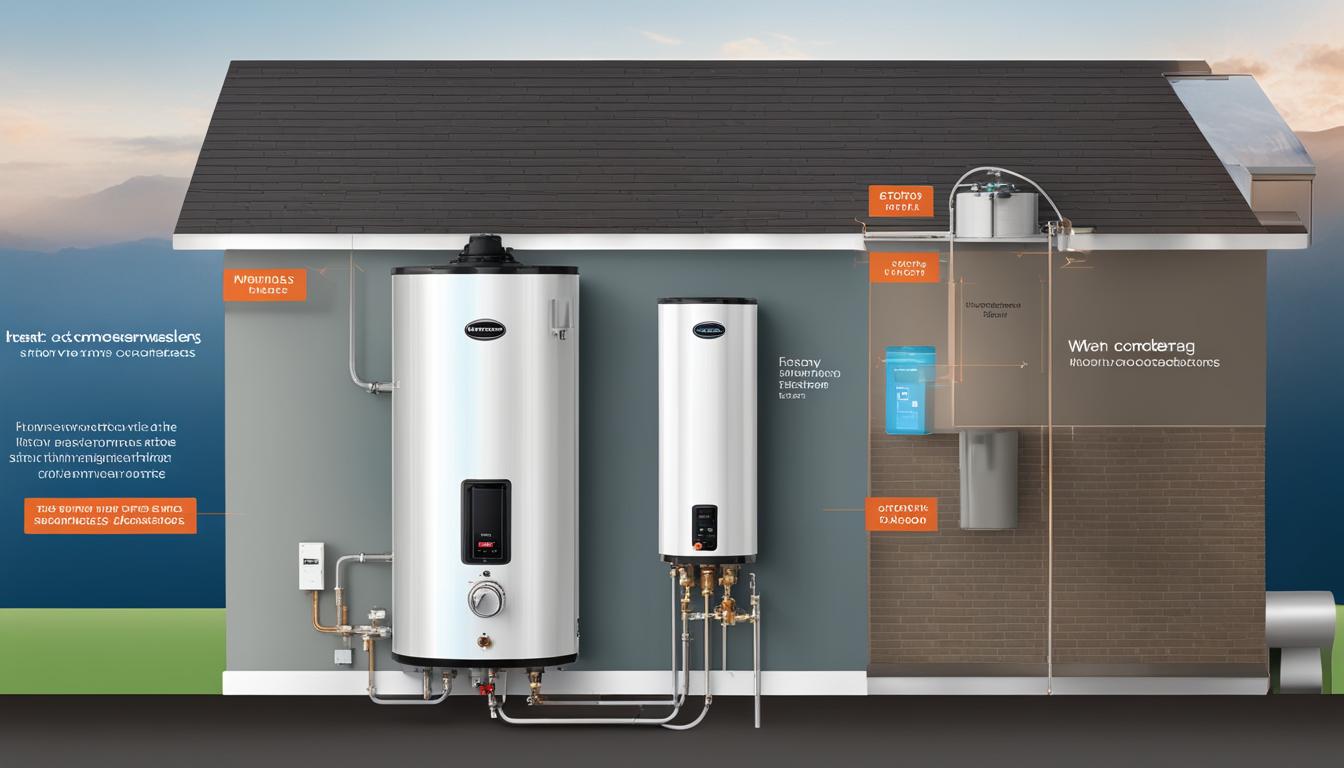
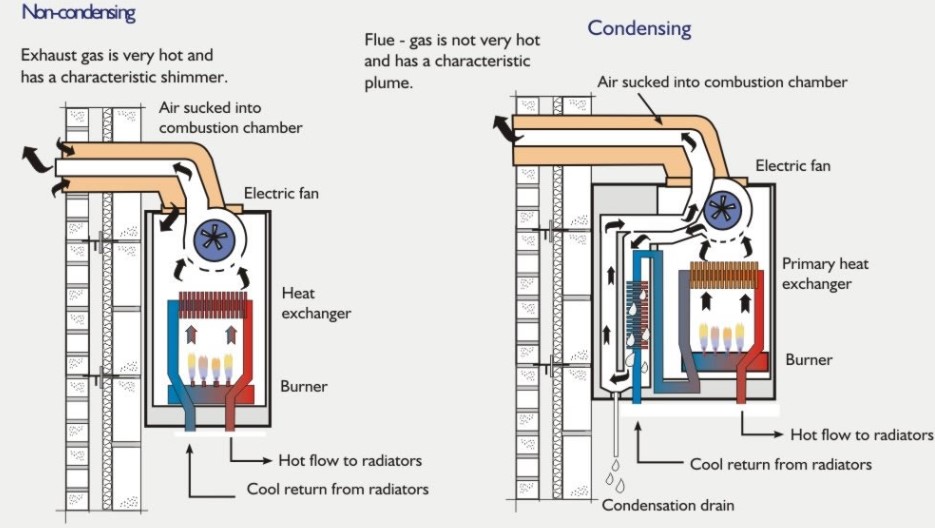
Non-condensing water heaters vent hot exhaust gases directly out of your home through a flue. A significant amount of heat is lost in this process. Think of it like letting steam escape from a boiling pot – that's wasted energy.
Condensing water heaters, on the other hand, are designed to extract more heat from the exhaust gases before venting them. They do this by using a secondary heat exchanger to cool the exhaust to the point where water vapor in the exhaust condenses (hence the name). This condensation releases additional heat that is used to preheat the incoming cold water. The result? Higher efficiency and lower energy bills.
Identifying Your Water Heater Type
Before you start troubleshooting, you need to know which type of water heater you have. Here’s how to tell the difference:
Visual Inspection
- Venting: This is the most reliable indicator.
- Non-condensing water heaters typically have a metal flue pipe (usually aluminum or galvanized steel) that vents directly through the roof or a sidewall. The pipe is generally short and straight.
- Condensing water heaters usually have a PVC or CPVC (plastic) vent pipe. This pipe often slopes downwards and drains condensate. It may also have a more complex venting system, sometimes with a small condensate drain nearby.
- Location of Vent: While not definitive, non-condensing units often vent vertically through the roof, while condensing units may vent horizontally through a wall, due to the lower temperature exhaust.
- Labels and Markings: Check the water heater itself for a label or sticker that identifies it as "condensing" or mentions an *Annual Fuel Utilization Efficiency* (AFUE) rating. Condensing water heaters typically have an AFUE of 90% or higher. Non-condensing water heaters usually have AFUE ratings in the 60-80% range.
Model Number Search
If you can't visually identify the type, find the model number on the water heater. Then, search for the model number online. The product specifications will clearly indicate whether it's a condensing or non-condensing model.
Common Problems and Troubleshooting Steps
Now that you know what type of water heater you have, let's address some common problems and how to troubleshoot them. We'll focus on issues that can be safely addressed by a homeowner.
1. No Hot Water
This is the most common complaint. Here's a step-by-step diagnostic process:
- Check the Gas Supply: Ensure the gas valve to the water heater is in the "ON" position. Also, check that other gas appliances (like your stove) are working. If they aren't, you might have a problem with your main gas supply. Call your gas company immediately.
- Check the Pilot Light (Non-Condensing Only): For older non-condensing water heaters, the pilot light may have gone out.
- Instructions: Follow the lighting instructions printed on the water heater (usually near the gas control valve). You'll typically need to turn the gas control knob to the "Pilot" position, press and hold the ignition button while lighting the pilot with a long-handled lighter. Continue holding the ignition button for about 30 seconds after the pilot is lit, then release. If the pilot goes out, repeat the process.
- Troubleshooting Pilot Issues:
- Dirty Pilot Orifice: A clogged pilot orifice can prevent the pilot light from staying lit. This requires a professional to clean safely. Do not attempt this yourself.
- Faulty Thermocouple: The thermocouple is a safety device that senses the pilot light. If it's faulty, it won't allow the main burner to ignite. This is a repair best left to a professional.
- Check the Thermostat:
- Non-Condensing: Locate the thermostat dial (usually behind an access panel) and make sure it's set to a reasonable temperature (around 120-130°F). If it's set too low, increase it slightly. If it's already at a reasonable setting, try turning it down to the lowest setting and then back up to your desired temperature. This can sometimes reset the unit.
- Condensing: Condensing units typically have digital thermostats with error codes. Consult your owner's manual to understand the error code and try resetting the unit as described in the manual.
- Check the High-Limit Switch (Non-Condensing Only): The high-limit switch is a safety device that shuts off the water heater if it overheats.
- Location: It’s usually a small button located near the thermostat.
- Resetting: If the water heater has overheated, the high-limit switch may have tripped. Push the button to reset it. If it trips repeatedly, there's likely a more serious underlying problem (like a faulty thermostat) that needs professional attention.
- Check the Power Supply (Condensing Only): Condensing water heaters require electricity to operate the control board and blower motor. Make sure the unit is plugged in and that the circuit breaker hasn't tripped.
When to Call a Pro for No Hot Water: If you've checked all of these things and still have no hot water, or if you suspect a gas leak, call a qualified plumber or HVAC technician immediately. Do not attempt to diagnose or repair gas-related issues yourself.
2. Not Enough Hot Water
If you're getting some hot water, but it runs out quickly, here are some possible causes and solutions:
- Sediment Buildup: Sediment can accumulate in the bottom of the tank, reducing its effective capacity.
- Flushing the Tank: This applies to both condensing and non-condensing units.
- Safety First: Turn off the power or gas to the water heater and let the water cool down for several hours.
- Connect a Hose: Attach a garden hose to the drain valve at the bottom of the tank.
- Open the Drain Valve: Run the hose to a safe drainage area (like a floor drain or outside). Open the drain valve and let the tank drain completely.
- Flush the Tank: Periodically open the cold-water inlet valve to stir up sediment and flush it out. Repeat this process until the water runs clear.
- Close the Valve and Refill: Close the drain valve and turn the water back on to refill the tank. Once the tank is full, turn the power or gas back on.
- Flushing the Tank: This applies to both condensing and non-condensing units.
- Thermostat Setting: As mentioned earlier, make sure the thermostat is set to a reasonable temperature (around 120-130°F). Increasing the temperature slightly can help.
- Heating Element Issues (Electric Water Heaters Only): If you have an electric water heater, one or both of the heating elements might be failing. This requires electrical troubleshooting and should be done by a qualified electrician.
- Demand Exceeding Capacity: If you're using more hot water than your water heater can supply, you may need a larger tank or consider a tankless water heater.
When to Call a Pro for Not Enough Hot Water: If flushing the tank and adjusting the thermostat don't solve the problem, or if you suspect a heating element issue, consult a professional.
3. Leaking Water Heater
Any water leak near your water heater should be addressed immediately. Here's what to do:
- Turn Off the Water Supply: Locate the cold-water shut-off valve for the water heater (usually located above the unit) and turn it off. This will stop the flow of water to the tank.
- Identify the Source of the Leak: Try to pinpoint where the water is coming from. Common leak locations include:
- Connections: Check the water inlet and outlet connections, the temperature and pressure relief valve (TPR valve), and the drain valve. Tighten any loose connections with a wrench.
- Tank: If the tank itself is leaking, it's likely corroded and needs to be replaced.
- TPR Valve: The TPR valve is a safety device that releases pressure if the water heater overheats. If it's constantly dripping, it might be faulty or there could be excessive pressure in the tank.
- Condensate Drain (Condensing Only): Check the condensate drain line for clogs or leaks. A clogged drain can cause water to back up and leak.
When to Call a Pro for a Leaking Water Heater: If the tank itself is leaking, or if you can't identify and stop the leak, call a plumber immediately. A leaking water heater can cause significant water damage.
4. Condensate Drain Issues (Condensing Water Heaters Only)
Condensing water heaters produce condensate as part of their normal operation. If the condensate drain is clogged or malfunctioning, it can lead to problems.
- Check for Clogs: Inspect the condensate drain line for any visible clogs or obstructions. Clear any debris you find.
- Check the Condensate Pump (If Applicable): Some condensing water heaters use a small pump to remove the condensate. Make sure the pump is plugged in and working properly. Listen for the pump activating periodically. If it's not working, it may need to be replaced.
- Ensure Proper Slope: The condensate drain line should slope downwards to allow gravity to drain the condensate. Make sure the line is properly supported and not sagging.
When to Call a Pro for Condensate Drain Issues: If you can't clear the clog or if the condensate pump is malfunctioning, contact a qualified technician. Improperly handled condensate can damage your home.
Safety First!
Always remember safety when working with water heaters.
- Turn off the power or gas to the water heater before performing any maintenance or repairs.
- Never work on a gas-related issue unless you are a qualified professional.
- Be careful when working with hot water. Let the water cool down before draining the tank.
- Wear safety glasses to protect your eyes from debris.
By understanding the differences between condensing and non-condensing water heaters and following these troubleshooting steps, you can often diagnose and fix minor problems yourself. However, don't hesitate to call a professional when needed. Your safety and the proper functioning of your water heater are paramount.