What Is The Difference Between Hermetic And Semi-hermetic Compressors
Understanding the nuances of refrigeration and air conditioning systems often boils down to comprehending the core components, and among these, the compressor stands out. Two primary types of compressors are commonly encountered: hermetic and semi-hermetic. While both serve the same fundamental purpose – compressing refrigerant – their design, construction, and suitability for different applications vary significantly. This guide will delve into the differences between hermetic and semi-hermetic compressors, providing a comprehensive understanding to aid in making informed decisions.
What is a Compressor?
Before diving into the specific differences, let's establish a basic understanding of a compressor's role. Think of refrigerant as the 'blood' of your AC or refrigeration system, carrying heat from inside your space to the outside. The compressor is the 'heart,' responsible for circulating this refrigerant. It increases the pressure and temperature of the refrigerant vapor, allowing it to efficiently release heat in the condenser and then cool the space when it evaporates in the evaporator.
Hermetic Compressors: Sealed for Life
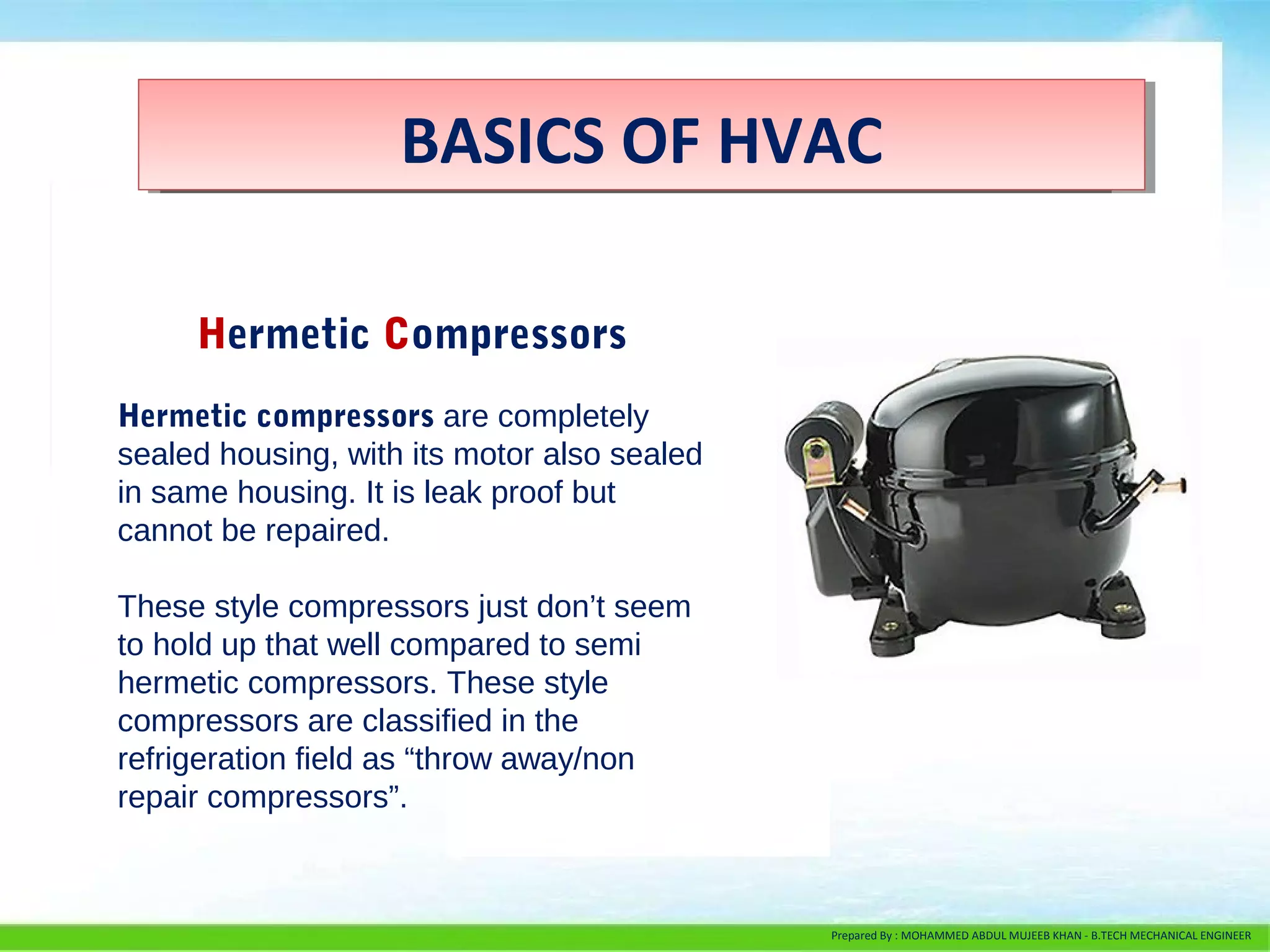
Hermetic compressors are characterized by their completely sealed design. The motor and the compression mechanism are enclosed within a welded steel shell. This creates a sealed unit, making it virtually airtight and preventing refrigerant leaks. Because of this sealed construction, they are often referred to as "sealed compressors."
Key Features of Hermetic Compressors:
- Sealed Construction: The motor and compressor are housed in a single, welded unit.
- Low Leakage Risk: The sealed design minimizes the risk of refrigerant leaks.
- Compact Size: Generally smaller and more compact than semi-hermetic compressors.
- Lower Initial Cost: Typically less expensive to purchase than semi-hermetic models.
- Limited Serviceability: Once a hermetic compressor fails, it's usually replaced as a whole unit, rather than being repaired.
Advantages of Hermetic Compressors:
- Reliability: Due to the sealed design, they are generally very reliable and require minimal maintenance under normal operating conditions.
- Cost-Effective (Initially): The lower purchase price makes them an attractive option for many applications.
- Quiet Operation: The enclosed design often contributes to quieter operation compared to semi-hermetic compressors.
Disadvantages of Hermetic Compressors:
- Limited Repair Options: If a hermetic compressor fails, it is typically not repairable. The entire unit needs to be replaced.
- Higher Long-Term Cost (Potentially): While the initial cost is lower, the need for complete replacement upon failure can lead to higher costs over the system's lifespan.
- Not Suitable for Large Systems: Hermetic compressors are generally limited in size and capacity, making them unsuitable for large commercial or industrial applications.
Applications of Hermetic Compressors:
- Domestic Refrigerators and Freezers: Their reliability, low cost, and compact size make them ideal for household appliances.
- Small Air Conditioners: Window units and smaller split-system air conditioners often utilize hermetic compressors.
- Water Coolers: Similar to refrigerators, water coolers benefit from the hermetic compressor's sealed design and reliability.
- Dehumidifiers: Small and efficient dehumidifiers commonly employ hermetic compressors.
Semi-Hermetic Compressors: Repairable and Robust
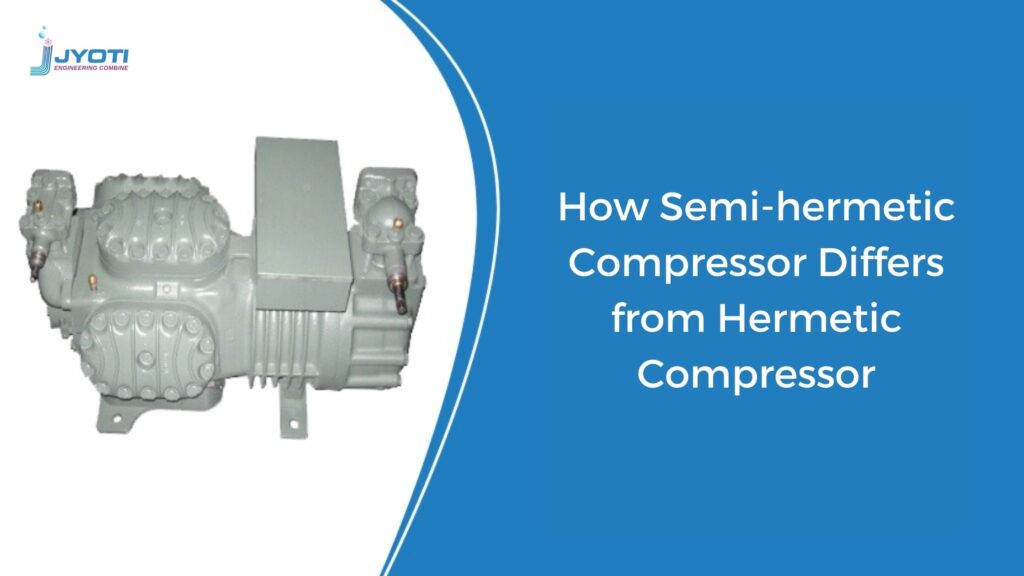
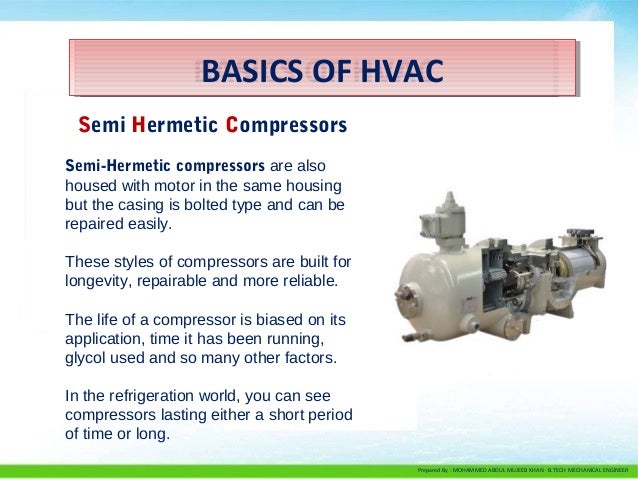
Semi-hermetic compressors, also known as serviceable hermetic compressors, share a similar concept with hermetic compressors in that the motor and compressor are housed within a single unit. However, the key difference lies in their construction: they are bolted together rather than welded. This allows for access to the internal components for maintenance and repairs.
Key Features of Semi-Hermetic Compressors:
- Bolted Construction: The compressor and motor are housed in a bolted unit, allowing for disassembly.
- Serviceable Design: Internal components can be accessed and repaired or replaced.
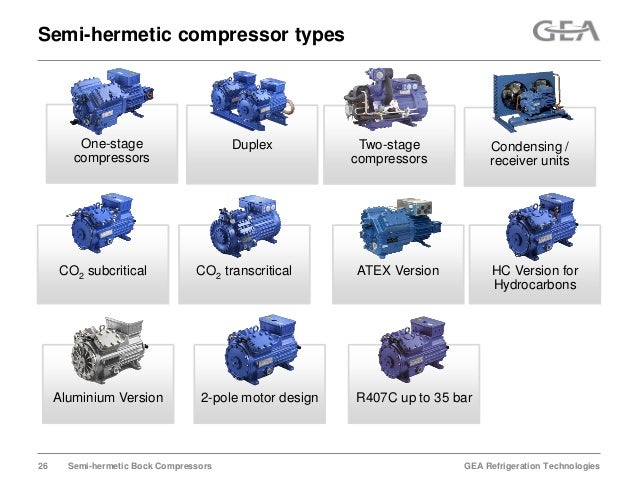
- Higher Capacity Options: Available in a wider range of sizes and capacities, suitable for larger systems.
- Higher Initial Cost: Generally more expensive to purchase than hermetic compressors.
- Potential for Leaks: The bolted construction presents a slightly higher risk of refrigerant leaks compared to the welded hermetic design, though proper maintenance minimizes this risk.
Advantages of Semi-Hermetic Compressors:
- Repairability: A significant advantage is the ability to repair or replace individual components, extending the compressor's lifespan and potentially saving money in the long run.
- Versatility: Available in a wide range of capacities, making them suitable for various applications, from small commercial systems to large industrial installations.
- Lower Long-Term Cost (Potentially): While the initial cost is higher, the ability to repair instead of replace can result in lower overall costs over the system's lifespan.
- Better Performance Monitoring: They often allow for better monitoring of internal components, facilitating preventative maintenance.
Disadvantages of Semi-Hermetic Compressors:
- Higher Initial Cost: The purchase price is typically higher than that of hermetic compressors.
- More Maintenance Required: Due to their serviceable design, they may require more frequent maintenance to ensure optimal performance and prevent issues.
- Slightly Higher Leakage Risk: The bolted construction can present a slightly higher risk of refrigerant leaks if not properly maintained.
- Larger Size: Generally larger and heavier than hermetic compressors.
Applications of Semi-Hermetic Compressors:
- Commercial Refrigeration Systems: Supermarket refrigeration, walk-in coolers, and freezers commonly use semi-hermetic compressors.
- Industrial Refrigeration: Large-scale industrial processes often rely on semi-hermetic compressors for their cooling needs.
- Large Air Conditioning Systems: Chillers and large rooftop air conditioning units frequently utilize semi-hermetic compressors.
- Process Cooling: Manufacturing and other industrial processes that require precise temperature control often employ semi-hermetic compressors.
Hermetic vs. Semi-Hermetic: A Detailed Comparison Table
To further illustrate the differences, here's a comparative table:
| Feature | Hermetic Compressor | Semi-Hermetic Compressor |
|---|---|---|
| Construction | Welded, Sealed | Bolted, Serviceable |
| Repairability | Not Repairable (Replace Only) | Repairable (Components Can Be Replaced) |
| Leakage Risk | Very Low | Slightly Higher (If Not Maintained) |
| Size | Smaller, More Compact | Larger |
| Cost (Initial) | Lower | Higher |
| Cost (Long-Term) | Potentially Higher (Due to Replacement) | Potentially Lower (Due to Repairability) |
| Maintenance | Minimal | More Frequent |
| Capacity | Limited | Wider Range of Capacities |
| Applications | Domestic Refrigerators, Small ACs | Commercial/Industrial Refrigeration, Large ACs |
Making the Right Choice
The choice between a hermetic and a semi-hermetic compressor hinges on the specific requirements of the application. Consider the following factors:
- System Size and Capacity: For smaller systems, hermetic compressors are often sufficient. Larger systems generally require the higher capacity of semi-hermetic compressors.
- Budget: If the initial budget is a primary concern, hermetic compressors are the more affordable option. However, consider the potential for higher long-term costs due to replacement.
- Maintenance Requirements: If minimal maintenance is desired, hermetic compressors are a good choice. However, be prepared to replace the entire unit if it fails.
- Repairability: If repairability and extended lifespan are important, semi-hermetic compressors are the preferred option.
- Operating Environment: Consider the operating environment and the potential for stress on the compressor. Semi-hermetic compressors are generally more robust and can withstand harsher conditions.
In conclusion, both hermetic and semi-hermetic compressors have their strengths and weaknesses. Understanding these differences allows you to select the compressor that best meets the needs of your specific application, ensuring efficient and reliable operation of your refrigeration or air conditioning system. Always consult with a qualified HVAC technician to determine the optimal compressor type for your specific needs.