What Is The Function Of A Humidifier
In the quest for a comfortable and energy-efficient living or working space, understanding the function of a humidifier is crucial. Often overlooked, a humidifier plays a significant role in maintaining optimal indoor air quality, impacting everything from your health and comfort to your energy bills and the longevity of your building’s structure. This article delves into the inner workings of humidifiers, exploring their benefits, various types, integration with smart home systems, and how they can contribute to substantial energy savings.
Understanding the Core Function of a Humidifier
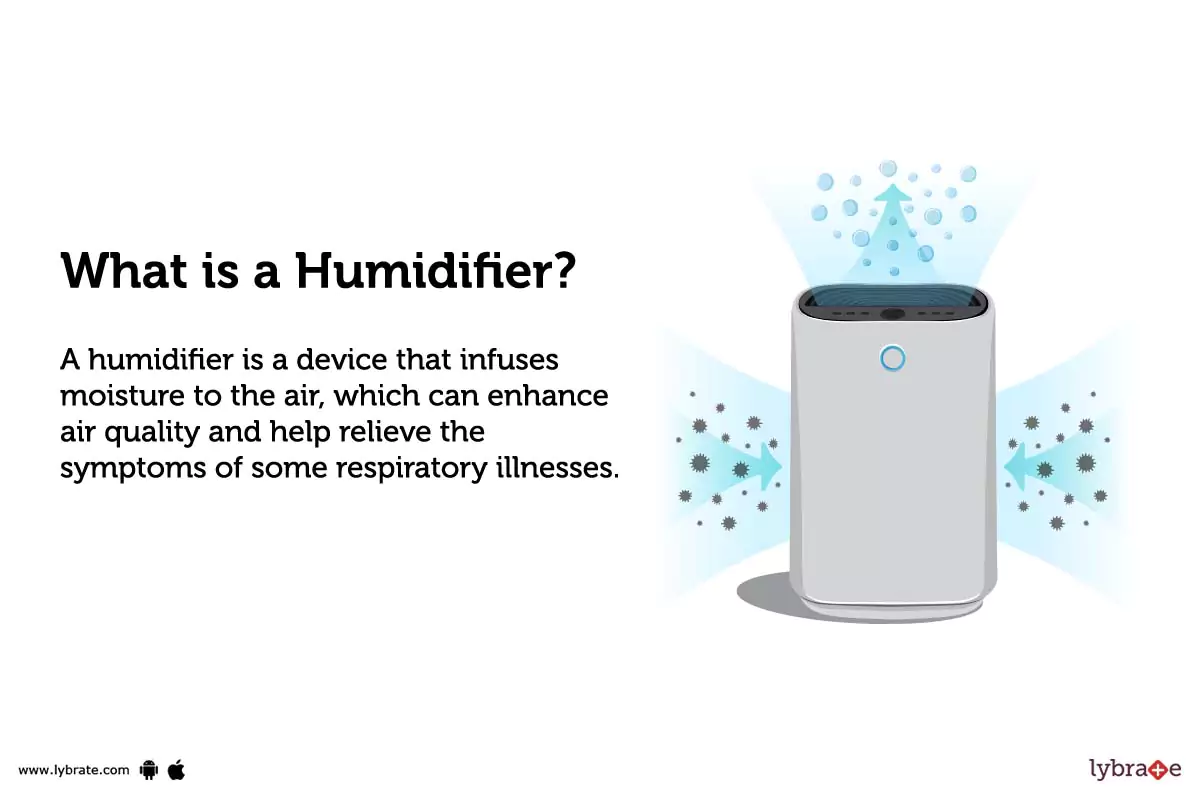
At its most basic level, a humidifier increases the moisture content in the air. This is particularly important during the colder months when heating systems tend to dry out indoor environments. Low humidity can lead to a host of problems, including dry skin, irritated sinuses, increased susceptibility to respiratory infections, and even damage to wooden furniture and flooring. The primary function of a humidifier is, therefore, to counteract these effects by adding water vapor to the air.
However, the function extends beyond simply adding moisture. Humidifiers help to maintain a relative humidity level recommended by organizations like the Environmental Protection Agency (EPA), which suggests keeping indoor humidity between 30% and 50%. This range prevents the growth of mold and mildew (which thrive in high humidity) while alleviating the discomforts associated with excessively dry air. Maintaining optimal humidity levels ensures that your heating system doesn't have to work as hard, translating to significant energy savings.
Types of Humidifiers: A Comparative Analysis
The market offers various types of humidifiers, each with its own mechanism and suitability for different needs. Here's a rundown of the most common types:
Central Humidifiers
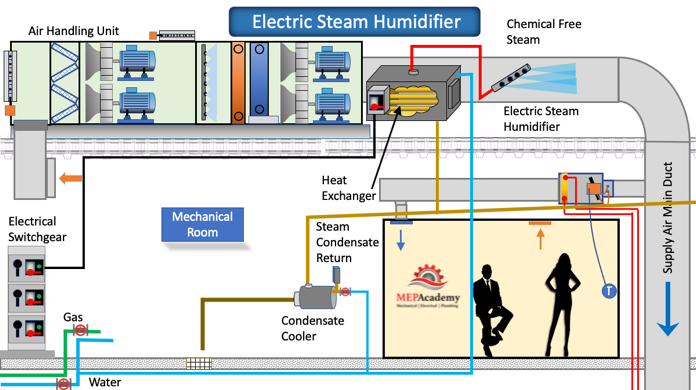
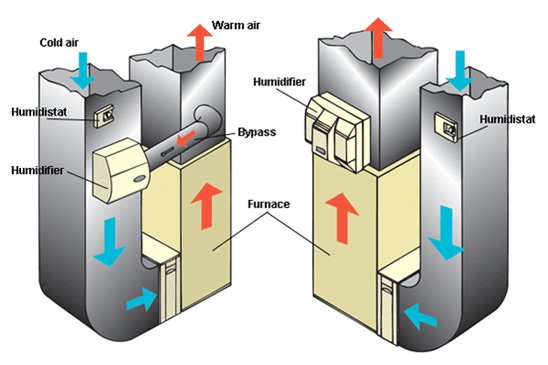
These are integrated directly into your home's HVAC system, making them ideal for whole-house humidification. They work by adding moisture to the air as it passes through the furnace. Central humidifiers are generally more expensive to install, but they offer consistent humidity levels throughout the entire home and require less maintenance than portable units.
Evaporator Humidifiers
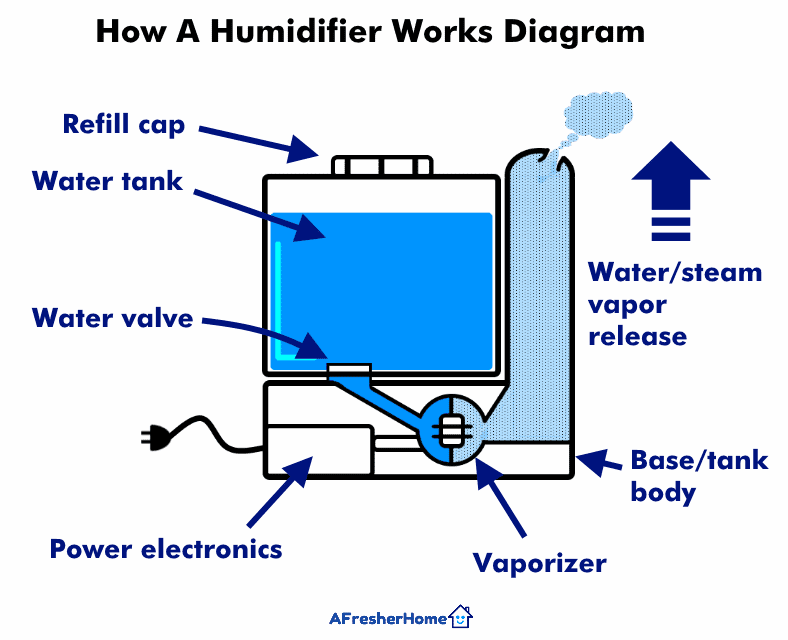
Evaporator humidifiers use a wicking filter to draw water from a reservoir. A fan then blows air through the saturated filter, evaporating the water and releasing it into the air. These are relatively inexpensive and suitable for smaller spaces. However, they require regular cleaning to prevent mold and bacteria growth, and the filters need to be replaced periodically. It is worth considering Energy Star-rated models.
Ultrasonic Humidifiers
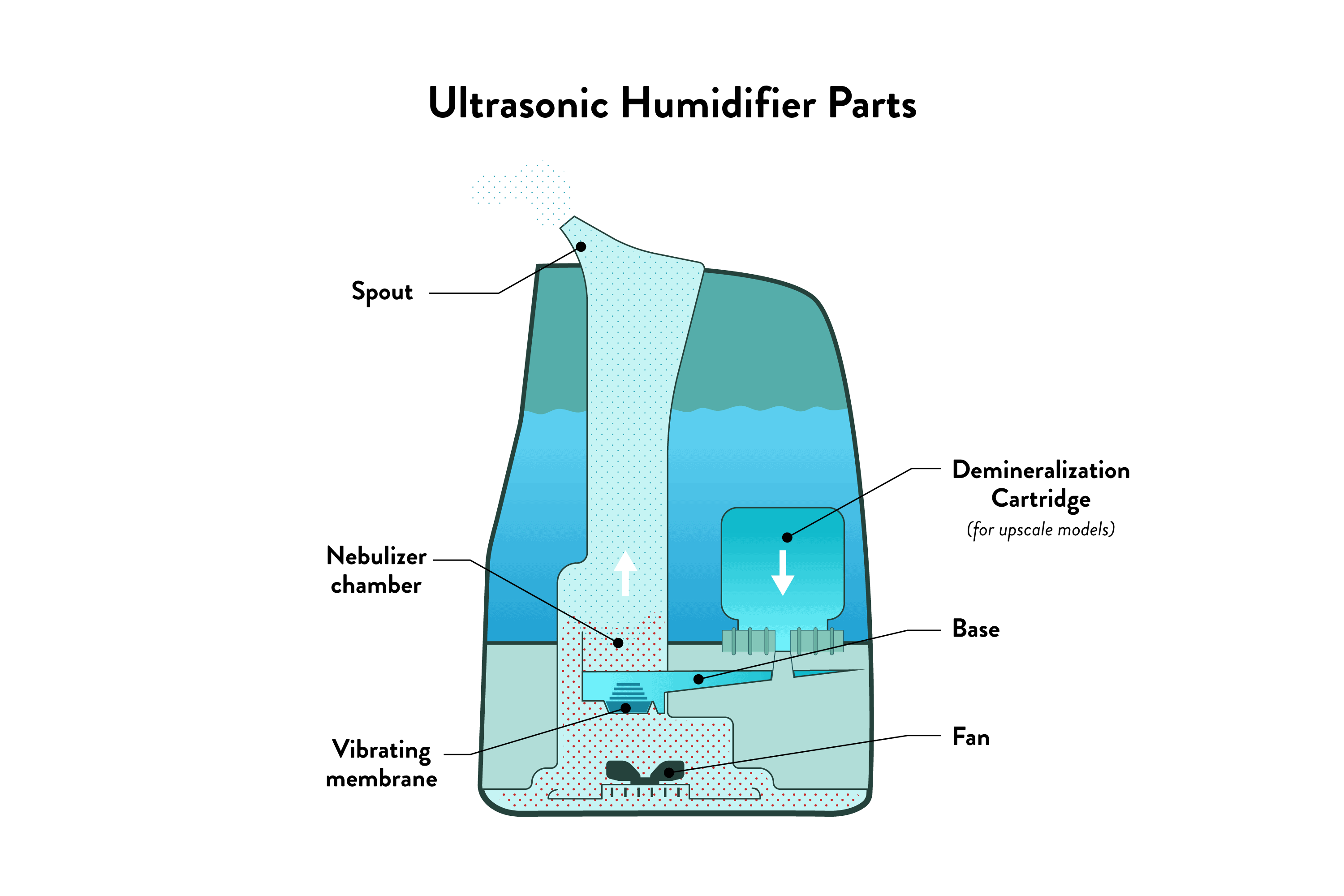
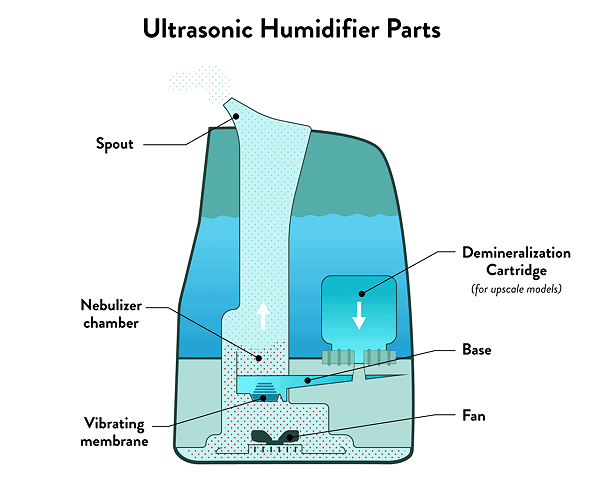
These humidifiers use high-frequency sound vibrations to create a fine mist that is then released into the air. Ultrasonic humidifiers are quiet, energy-efficient, and often come with cool-mist and warm-mist options. They are also filter-free, but they can produce white dust if tap water with high mineral content is used. Distilled water is recommended for these types.
Steam Vaporizers
Steam vaporizers heat water to boiling point, releasing steam into the air. They are effective at killing bacteria and mold in the water, making them a hygienic option. However, they can be a burn hazard, especially for children and pets, and they consume more energy than other types of humidifiers. Avoid leaving unattended for extended periods.
Impeller Humidifiers
Impeller humidifiers use a rotating disk to fling water onto a diffuser, breaking it into fine droplets that are then released into the air. These are typically cool-mist humidifiers and are considered safer than steam vaporizers because they don't use heat. However, they can be noisier than other types.
The Energy Savings Potential of Humidifiers
The connection between humidifiers and energy savings might not be immediately obvious, but it's a significant one. Properly humidified air feels warmer than dry air at the same temperature. This is because moisture in the air helps your skin retain heat. As a result, you can lower your thermostat setting by a few degrees without sacrificing comfort. According to the U.S. Department of Energy, for every degree you lower your thermostat in the winter, you can save up to 1% on your heating bill.
Let's illustrate this with an example: Suppose a homeowner spends $1,500 annually on heating. By using a humidifier to maintain optimal humidity levels and lowering the thermostat by 3 degrees, they could potentially save $45 per year. While this might seem modest, the cumulative savings over several years, coupled with the health and comfort benefits, make a strong case for investing in a humidifier.
Furthermore, businesses upgrading to energy-efficient HVAC systems should consider integrating whole-house humidifiers. Large commercial spaces often suffer from dry air, leading to employee discomfort and reduced productivity. By maintaining optimal humidity levels, businesses can create a more comfortable and healthier work environment, leading to increased employee satisfaction and potentially lower healthcare costs. The ROI here can be substantial.
Smart Humidifier Integration and Control
The advent of smart home technology has revolutionized the way we control our indoor environment. Smart humidifiers offer features like remote control via smartphone apps, humidity sensors, automatic shut-off, and integration with smart thermostats and other smart home devices. These features provide enhanced convenience, energy efficiency, and control over indoor humidity levels.
For instance, a smart humidifier can be programmed to automatically adjust humidity levels based on real-time weather conditions or the occupancy of the room. Some models even learn your preferences over time and adjust accordingly. Integration with smart thermostats allows for coordinated control of temperature and humidity, ensuring optimal comfort and energy savings. Platforms such as Nest and Ecobee are leading the way on this.
The key benefit of smart integration is automation. You don’t have to manually adjust your humidifier based on how you feel. By connecting it to a smart thermostat and environmental sensors, you can automatically adjust the moisture in the air and maintain a consistent level of comfort, all while saving money on your energy bill. With real-time environmental monitoring, smart humidifiers can also detect dry air immediately and take immediate action for a comfortable environment.
Maintenance and Best Practices
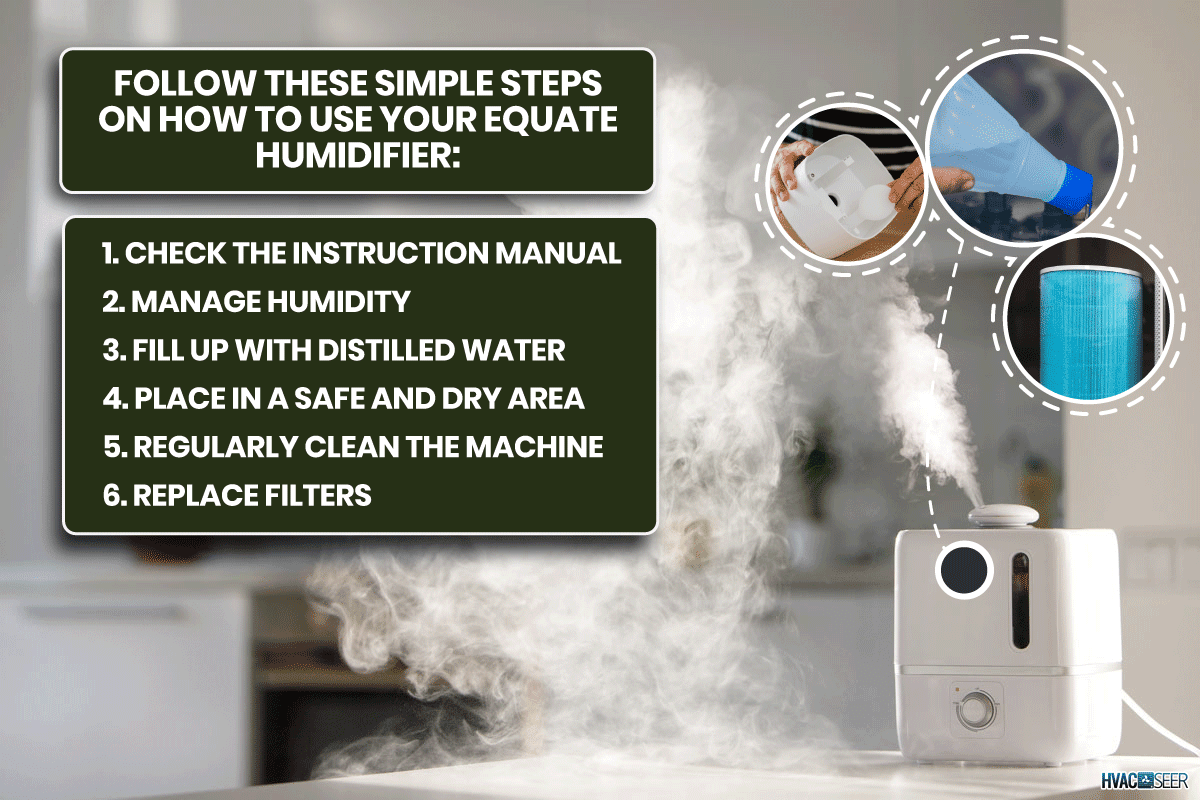
To ensure optimal performance and longevity of your humidifier, regular maintenance is essential. This includes cleaning the unit regularly to prevent mold and bacteria growth, replacing filters as needed, and using distilled water in ultrasonic humidifiers to prevent white dust. Always follow the manufacturer's instructions for cleaning and maintenance.
Here are some specific maintenance tips:
- Empty and clean the humidifier every day: Stagnant water is a breeding ground for bacteria and mold.
- Use distilled or demineralized water: Tap water contains minerals that can build up and clog the humidifier.
- Replace filters regularly: Dirty filters reduce the humidifier's efficiency and can harbor bacteria.
- Clean the humidifier with a mild disinfectant: This will kill any bacteria or mold that may be present.
- Store the humidifier properly when not in use: Make sure it is completely dry to prevent mold growth.
Government Guidelines and Rebates
Several government agencies and organizations offer guidelines and rebates for energy-efficient appliances, including humidifiers. Look for Energy Star-certified humidifiers, as these models meet strict energy efficiency standards and can qualify for rebates in some areas. Check with your local utility company and state energy office for available rebates and incentives.
For example, some utility companies offer rebates for installing whole-house humidifiers as part of a larger energy-efficiency upgrade. These rebates can significantly reduce the upfront cost of the humidifier, making it an even more attractive investment. Furthermore, adhering to government guidelines and standards can help you maximize energy savings and minimize your environmental impact.
Conclusion
The function of a humidifier extends far beyond simply adding moisture to the air. It plays a critical role in maintaining optimal indoor air quality, improving health and comfort, and reducing energy consumption. By understanding the different types of humidifiers, their energy-saving potential, and the benefits of smart home integration, homeowners and businesses can make informed decisions that lead to significant long-term benefits. Embrace the power of humidity control to create a healthier, more comfortable, and energy-efficient environment.


:max_bytes(150000):strip_icc()/anatomy-of-the-home-furnace-humidifier-1824773color-d41575bdba834fd59ac29178949a1e2a.png)