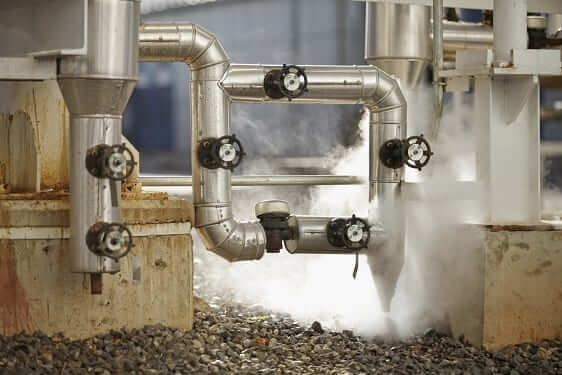
What Is The Function Of A Steam Trap

Have you noticed your radiators banging and clanging, or some rooms in your home feeling consistently colder than others, even though your heating system is running? One potential culprit, often overlooked, is the steam trap. Steam traps are small but mighty components within steam heating systems, and when they malfunction, they can cause a whole host of problems.
This guide will walk you through understanding the function of a steam trap, diagnosing potential issues, and attempting simple DIY fixes. We'll also clearly identify when it's time to call in a professional for assistance.
Understanding the Steam Trap: Its Role in Your Heating System
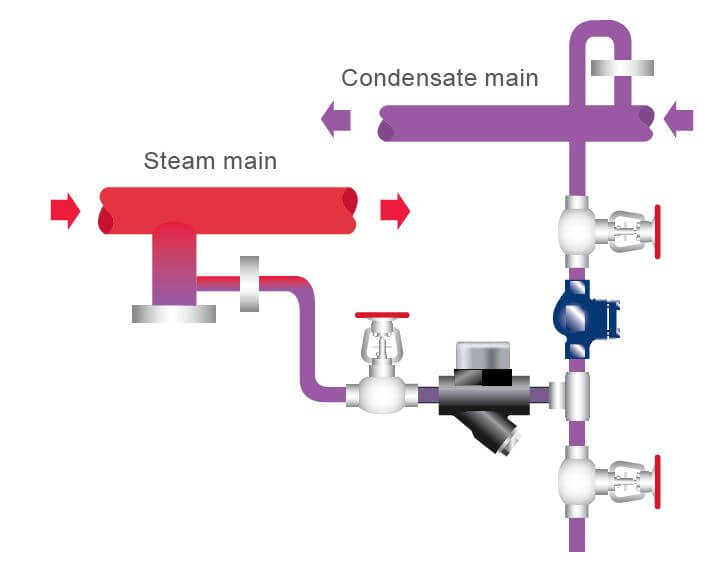
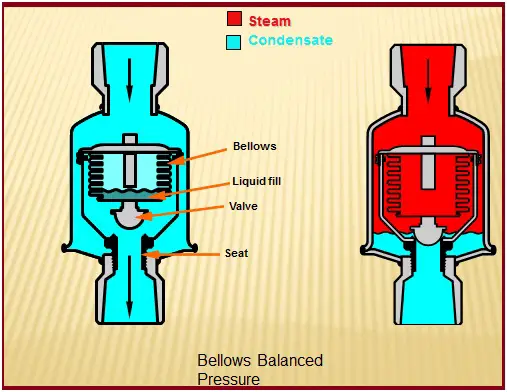
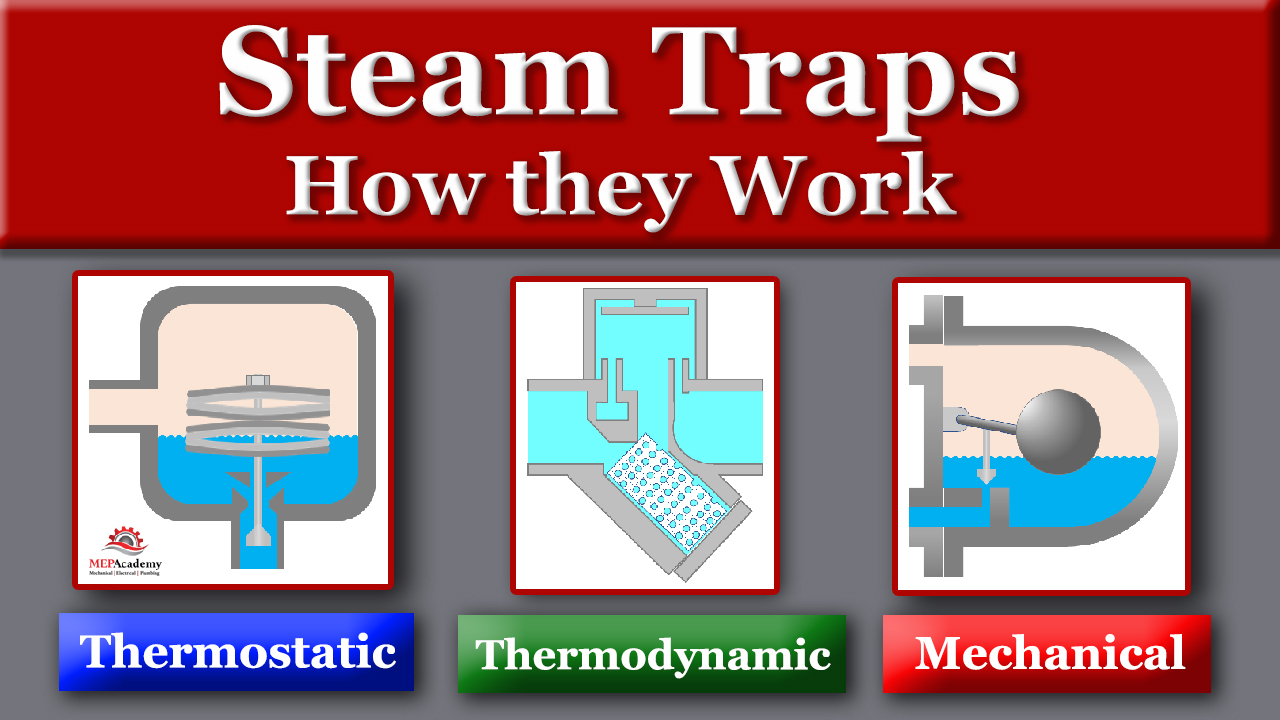
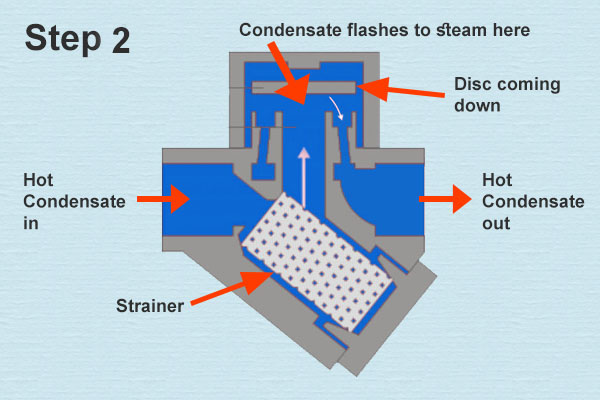
To effectively troubleshoot steam trap issues, it's crucial to understand their primary function. Think of a steam trap as a smart valve with a single, vital job: to discharge condensate (water that forms when steam cools) and air from your steam heating system without letting valuable steam escape.
Here's a breakdown of why this is so important:
* Efficient Heating: Steam carries heat efficiently. If condensate builds up in radiators and pipes, it reduces the space available for steam, hindering heat transfer. This leads to cold spots and inefficient heating. * Prevents Water Hammer: Condensate, mixed with steam, can create a dangerous phenomenon called water hammer. This occurs when pockets of steam rapidly collapse in the presence of cold water, creating a vacuum that slams the water violently through the pipes. This can cause loud banging noises, pipe damage, and even bursts. * Corrosion Prevention: Condensate is often acidic and can corrode pipes and radiators over time. Removing it helps prolong the life of your heating system. * Air Removal: Air in the system also hinders steam circulation and reduces heating efficiency. Steam traps vent this air along with the condensate.In essence, the steam trap is a critical component that ensures your steam heating system operates efficiently, safely, and reliably. When it fails, you'll likely notice a decrease in heating performance and potentially damaging noises.
Diagnosing Steam Trap Problems: A Step-by-Step Guide
Before jumping to conclusions about a faulty steam trap, it's essential to systematically diagnose the problem. Here's a step-by-step approach:
Step 1: Identify the Suspect Steam Trap(s)
Most residential steam heating systems have a steam trap on each radiator and potentially on main steam lines. Start by identifying the radiators that are consistently cold or only partially heating.
Step 2: Listen for Clues
Listen carefully near the suspected steam trap. Here's what to listen for:
* Banging or Clanging: This is a strong indicator of water hammer, which can be caused by a malfunctioning steam trap failing to remove condensate. * Constant Hissing: A continuous hissing sound could indicate that the steam trap is stuck open, allowing steam to escape. This is wasteful and inefficient. * Silence: Complete silence isn't always a good thing. A working steam trap should occasionally make a slight clicking or gurgling sound as it discharges condensate. However, many types of steam traps operate silently, so don't automatically assume it's broken if you don't hear anything. * Water Sounds: Excessive gurgling or sloshing sounds within the radiator can indicate a buildup of condensate due to a faulty steam trap.Step 3: The Temperature Test
Carefully touch the pipe immediately before and after the steam trap (exercise caution; these pipes can be very hot). If you're uncomfortable touching hot pipes, use an infrared thermometer.
* Working Trap: The pipe before the trap should be hot (due to steam), while the pipe after the trap should be cooler (as it's carrying condensate). * Stuck Open: If both pipes are equally hot, the steam trap might be stuck open, allowing steam to pass through. * Stuck Closed: If both pipes are cold or only lukewarm, the steam trap might be stuck closed, preventing condensate from escaping.Step 4: Visual Inspection (If Safe and Accessible)
If you can safely access the steam trap, visually inspect it for any obvious signs of damage, such as leaks, corrosion, or physical damage to the body of the trap. However, do not attempt to disassemble the steam trap unless you are experienced and comfortable doing so.
Step 5: Confirm System Pressure
Ensure your steam heating system's pressure is within the recommended range, typically indicated on the boiler's pressure gauge. Overpressure can sometimes contribute to steam trap malfunctions.
DIY Fixes: Simple Solutions You Can Try
Before calling a professional, here are a few simple DIY fixes you can attempt, but always prioritize your safety:
1. Bleeding the Radiator
Sometimes, trapped air is the primary culprit, mimicking a steam trap problem. Use a radiator key to carefully bleed any trapped air from the radiator. Slowly open the bleed valve until water starts to escape, then close it tightly. This can sometimes resolve cold spots and banging noises.
2. Tap the Trap (Gently!)
Occasionally, a steam trap might be stuck due to debris or a minor obstruction. Gently tapping the steam trap with a small rubber mallet or the handle of a screwdriver can sometimes dislodge the obstruction. Be careful not to damage the trap. Do this *after* the system has cooled down to prevent scalding.
3. Check the System Vent
Ensure that the main vent on your steam heating system is functioning correctly. This vent is typically located on the main steam line, often near the boiler. A clogged or malfunctioning vent can prevent proper system venting and contribute to steam trap issues.
4. Insulate Exposed Pipes
If your steam pipes are exposed to cold drafts, the excessive condensation can overload the steam traps. Insulating these pipes can reduce condensation and improve overall system efficiency. This is more preventative, but it can alleviate the workload on the steam traps.
When to Call a Professional: Recognizing the Limits of DIY
While some steam trap problems can be addressed with simple DIY solutions, certain situations require professional intervention. Here's when it's time to call a qualified HVAC technician:
* Persistent Issues: If you've tried the DIY fixes and the problem persists, it's a sign that the issue is more complex. * Leaking Steam Trap: A leaking steam trap indicates internal damage and needs to be repaired or replaced by a professional. * Corroded or Damaged Traps: If the steam trap is heavily corroded or shows signs of physical damage, it's best to have it replaced. * Unfamiliarity with Steam Systems: If you're not comfortable working with steam heating systems or unsure about any step in the troubleshooting process, it's always best to err on the side of caution and call a professional. Steam systems operate under pressure and can be dangerous if handled improperly. * Replacement Required: Replacing a steam trap usually involves soldering or threading pipes, which requires specialized tools and skills. * Boiler Issues: If you suspect the problem might stem from the boiler itself (e.g., low water level, pressure issues), it's crucial to contact a professional immediately. Boiler problems can be serious and require expert attention. * Old Systems: Very old steam systems might have outdated steam traps that are no longer readily available. A professional can help you find suitable replacements or recommend system upgrades. * Multiple Faulty Traps: If you find that multiple steam traps are malfunctioning, it could indicate a larger system problem that requires professional diagnosis and repair.Safety First! Important Precautions
Working with steam heating systems involves potential hazards. Always prioritize safety:
* Never work on a hot system: Allow the system to cool down completely before attempting any repairs or inspections. * Wear appropriate safety gear: Wear gloves and eye protection to protect yourself from hot surfaces and potential splashes of hot water. * Be careful around hot pipes: Avoid touching hot pipes directly. If you must touch them, use insulated gloves. * Do not attempt repairs you are not comfortable with: If you're unsure about any step in the troubleshooting process, call a professional. * Turn off the boiler if necessary: If you're concerned about a major leak or other safety hazard, turn off the boiler immediately and call a professional. * Know your system: Familiarize yourself with the components of your steam heating system and how they operate. This will help you identify potential problems more easily. * Ventilation: Ensure proper ventilation when working near the boiler, especially if using any chemicals or solvents.Preventative Maintenance: Keeping Your Steam Traps Healthy
Regular maintenance can help prevent steam trap problems and extend the life of your heating system:
* Annual Inspection: Have your steam heating system inspected annually by a qualified HVAC technician. This will help identify potential problems early on. * System Flushing: Periodically flush your steam heating system to remove sediment and debris that can clog steam traps. Your HVAC technician can advise you on the appropriate flushing schedule for your system. * Maintain Proper Water Level: Ensure that the water level in your boiler is maintained at the recommended level. Low water levels can lead to boiler damage and steam trap problems. * Address Leaks Promptly: Repair any leaks in your steam heating system promptly to prevent water damage and corrosion. * Monitor System Pressure: Regularly monitor your steam heating system's pressure to ensure it's within the recommended range.By understanding the function of a steam trap, knowing how to diagnose potential issues, and taking preventative maintenance measures, you can keep your steam heating system running efficiently and reliably for years to come. And remember, when in doubt, always consult a qualified HVAC professional!