What Is The Function Of Pressure Reducing Valve

Have you noticed your home's heating or cooling system isn't performing as well as it used to? Perhaps some rooms are noticeably colder than others in the winter, or sweltering in the summer even with the AC running full blast. One potential culprit, often overlooked, is the pressure reducing valve (PRV) in your water supply line. While seemingly unrelated to your HVAC system, an improperly functioning PRV can indirectly cause issues by affecting the water pressure available for equipment utilizing water like boilers, or even impacting the efficiency of geothermal systems.
This article will guide you through a step-by-step troubleshooting process to determine if a faulty PRV is contributing to your heating or cooling problems. We'll cover basic checks you can perform yourself, identify when professional help is needed, and explain the function of pressure reducing valve.
Understanding the Pressure Reducing Valve (PRV)
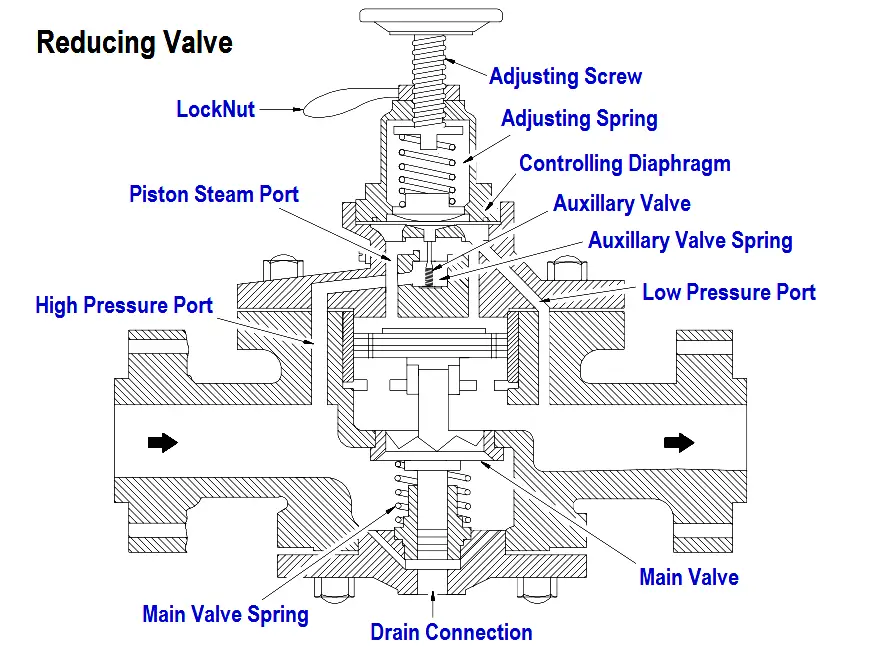
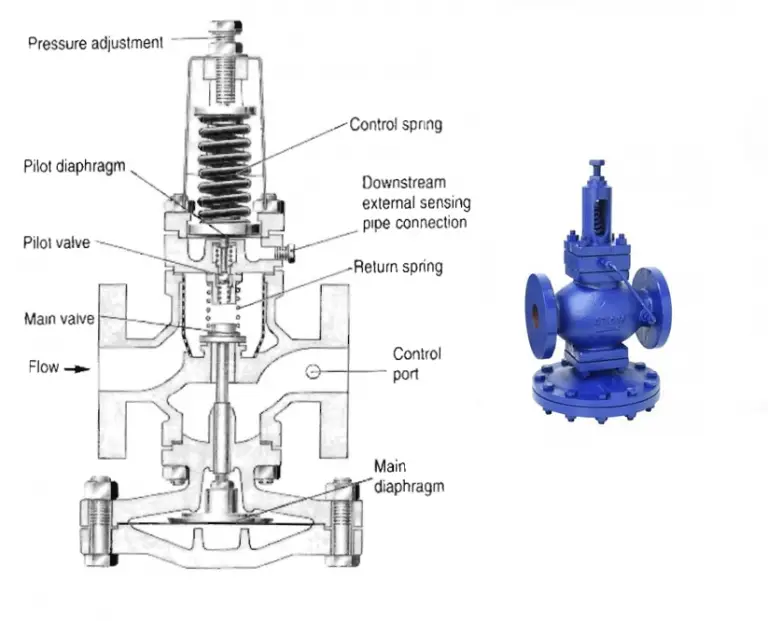
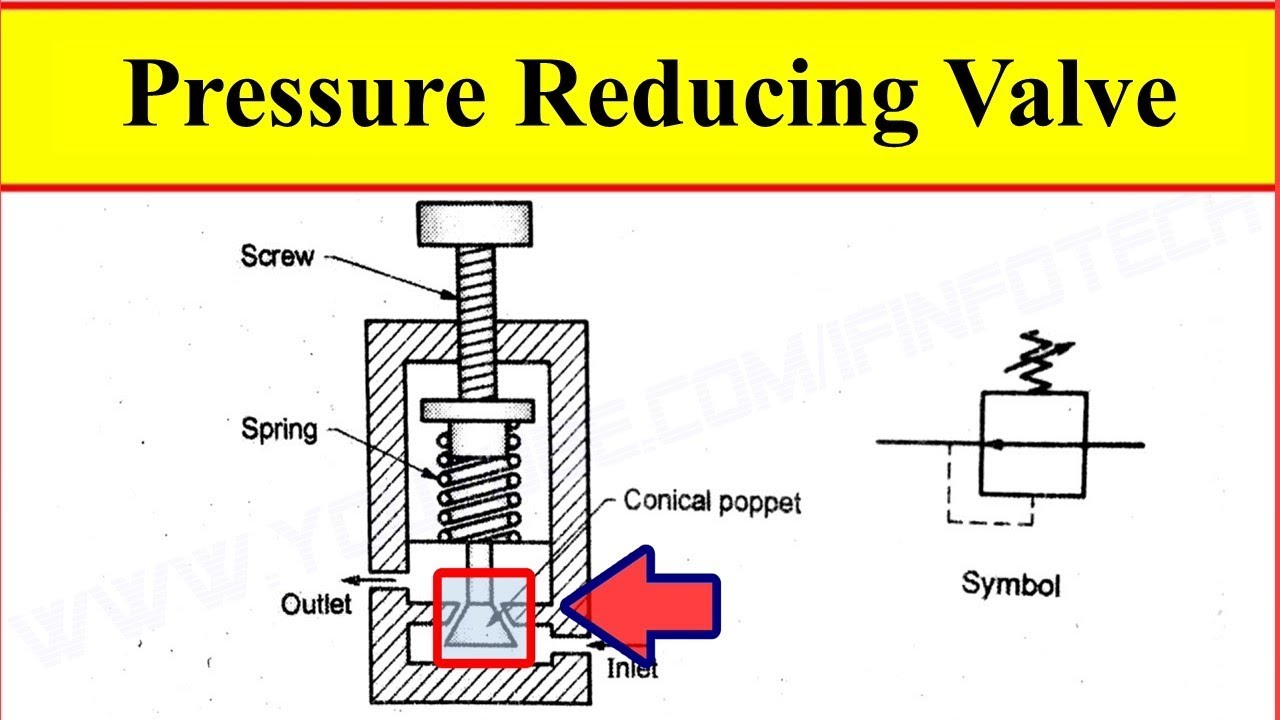
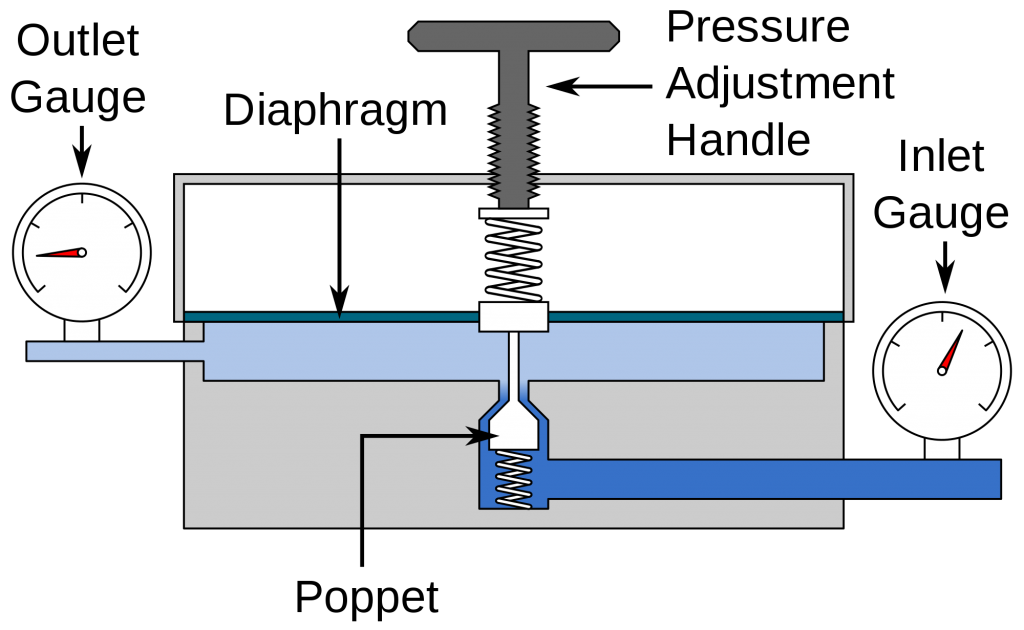
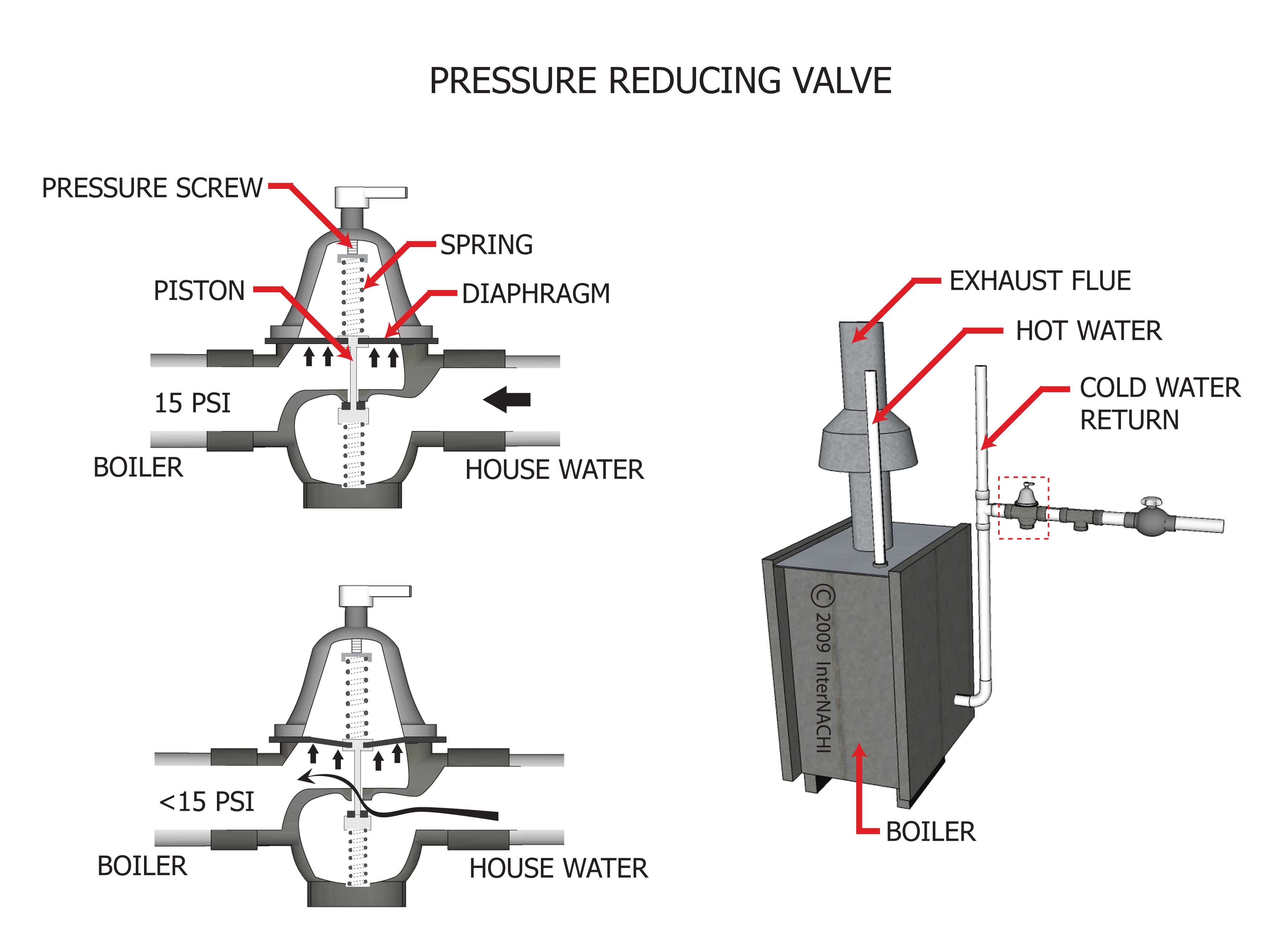
Before we dive into troubleshooting, let's define what a pressure reducing valve is and its role in your plumbing system. The PRV is a vital component installed on your main water supply line, typically near the water meter. Its primary function is to reduce the incoming water pressure from the municipal water supply to a safe and usable level for your home's plumbing fixtures and appliances. Municipal water pressure can often be very high, potentially damaging pipes, faucets, and appliances not designed to withstand such force. The PRV ensures a consistent and controlled water pressure throughout your house.
Why a Faulty PRV Can Impact Your HVAC
While the PRV directly manages water pressure, its malfunction can indirectly affect your heating and cooling system in several ways:
- Insufficient Water Pressure for Boilers: Many homes utilize boilers for heating. Boilers require a specific water pressure to function correctly. If the PRV is failing and not delivering adequate pressure, the boiler might struggle to operate efficiently, leading to inconsistent heating or even complete shutdown.
- Geothermal System Performance: Geothermal heating and cooling systems rely on circulating water through underground loops. A malfunctioning PRV could impede the water flow, reducing the system's overall efficiency and heating/cooling capacity.
- Hot Water Availability: Inadequate water pressure can affect the performance of tankless water heaters, impacting your ability to get a consistent supply of hot water for showers and other household needs, further impacting the boiler's preheating capabilities.
Troubleshooting a Potentially Faulty PRV: A Step-by-Step Guide
Here's a methodical approach to diagnosing potential PRV issues. Remember to always exercise caution when working with plumbing and electricity. If you're uncomfortable with any of these steps, don't hesitate to call a qualified plumber or HVAC technician.
Step 1: Gather Information and Observe
Before you start tinkering, take some time to gather information and observe the symptoms. This will help you narrow down the potential causes.
- Talk to Household Members: Ask if anyone else has noticed changes in water pressure or experienced any unusual noises coming from the plumbing.
- Identify Specific Symptoms: Is the low water pressure affecting the entire house, or just certain fixtures? Is the hot water pressure lower than the cold water pressure? Is the heating system malfunctioning?
- Check for Other Plumbing Issues: Rule out other potential causes of low water pressure, such as leaks, clogged pipes, or a partially closed main shut-off valve.
Step 2: Perform Visual Inspection (No Tools Required)
A visual inspection can often reveal obvious signs of PRV problems.
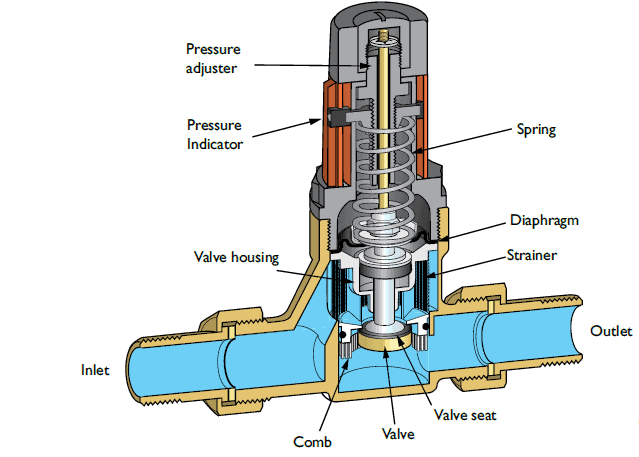
- Locate the PRV: Find the PRV on your main water supply line. It's typically a bell-shaped device with an adjustment screw or bolt on top.
- Check for Leaks: Carefully inspect the PRV for any signs of water leaks, corrosion, or damage. Even a small leak can indicate a problem.
- Observe the Adjustment Screw/Bolt: See if the adjustment screw or bolt appears to be damaged, corroded, or excessively tightened.
- Listen for Unusual Noises: Pay attention to any unusual noises coming from the PRV or surrounding pipes. A buzzing, rattling, or hissing sound could indicate a problem.
Step 3: Check Water Pressure with a Gauge (Basic Equipment Required)
This is the most crucial step in determining if the PRV is functioning correctly. You'll need a water pressure gauge, which can be purchased at most hardware stores.
- Purchase a Water Pressure Gauge: Select a gauge that connects to a standard hose bib (outdoor faucet).
- Locate a Hose Bib: Find a hose bib as close as possible to the PRV (ideally before and after). This will give you the most accurate reading of the incoming and outgoing pressure.
- Attach the Gauge: Screw the water pressure gauge onto the hose bib. Make sure the connection is snug to prevent leaks.
- Open the Hose Bib Fully: Turn the hose bib handle fully open to allow water to flow into the gauge.
- Read the Pressure: Note the pressure reading on the gauge. The ideal water pressure for most homes is between 40 and 60 PSI (pounds per square inch).
- Compare Before and After PRV Readings: Measure the water pressure before the PRV (if possible) and after the PRV. A significant difference should be observed, indicating the PRV is reducing the pressure. If the pressure after the PRV is very low (below 40 PSI) or very high (above 60 PSI), the PRV may be faulty.
- Test at Different Times of Day: Water pressure can fluctuate throughout the day, especially during peak usage times. Take readings at different times to get a more accurate assessment.
Step 4: Adjust the PRV (Basic Equipment Required, Use with Caution)
If the pressure readings are consistently outside the ideal range, you can try adjusting the PRV. However, proceed with caution and only make small adjustments. Over-tightening or loosening the adjustment screw can damage the valve.
- Locate the Adjustment Screw/Bolt: Identify the adjustment screw or bolt on top of the PRV.
- Loosen the Lock Nut (if applicable): Some PRVs have a lock nut that needs to be loosened before you can adjust the screw.
- Make Small Adjustments: Turn the adjustment screw clockwise to increase the pressure and counterclockwise to decrease the pressure. Make only small adjustments (a quarter turn at a time) and then recheck the pressure gauge.
- Monitor the Pressure: After each adjustment, recheck the water pressure gauge to see if the pressure is within the desired range (40-60 PSI).
- Tighten the Lock Nut (if applicable): Once you've achieved the desired pressure, tighten the lock nut to secure the adjustment screw.
Step 5: Testing Water Flow (No Tools Required)
Even if the pressure readings seem within range, the PRV could still be restricting water flow. Here's a simple test:
- Simultaneous Faucet Test: Turn on multiple faucets in your house at the same time (e.g., kitchen sink, bathroom sink, shower).
- Observe the Flow Rate: Check the flow rate at each faucet. If the water flow drops significantly when multiple faucets are running, the PRV may be restricting flow even though the pressure seems adequate.
When to Call a Professional
While some PRV issues can be addressed with basic DIY troubleshooting, certain situations require the expertise of a qualified plumber or HVAC technician.
- You're Uncomfortable Working with Plumbing: If you're not comfortable working with plumbing or electricity, it's always best to err on the side of caution and call a professional.
- The PRV is Severely Corroded or Damaged: If the PRV is severely corroded, damaged, or leaking, it likely needs to be replaced. This is a job best left to a professional.
- You Can't Adjust the PRV: If you're unable to adjust the PRV to achieve the desired pressure, or if the adjustment screw is stuck or broken, call a professional.
- You Suspect a More Complex Plumbing Issue: If you've ruled out a faulty PRV but are still experiencing low water pressure or heating/cooling problems, there may be a more complex plumbing issue that requires professional diagnosis and repair.
- Boiler or Geothermal System Issues Persist: If your boiler or geothermal system continues to malfunction even after addressing the PRV, the problem likely lies within the system itself and requires professional HVAC service.
- If in doubt, consult a professional. Your local plumber will know the correct and safe method to fix the issue.
Safety Tip: Always turn off the water supply to your home before attempting any plumbing repairs. This will prevent flooding and potential water damage.
Summary: Understanding the Function Of Pressure Reducing Valve
The pressure reducing valve is a critical component in your home's plumbing system, ensuring safe and consistent water pressure. While a malfunctioning PRV can indirectly contribute to heating and cooling problems, especially those involving boilers or geothermal systems, a methodical troubleshooting approach can help you identify and address the issue.
Remember to start with basic observations, check the water pressure with a gauge, and carefully adjust the PRV if necessary. Always prioritize safety and don't hesitate to call a professional when faced with complex or potentially risky situations. By understanding the function of the pressure reducing valve, you can ensure the longevity of your plumbing system, and keep your home at a comfortable temperature year-round.


:max_bytes(150000):strip_icc()/Water-pressure-regulator-2718696_color-8cb88034226e4c43aae61588c648e23f.jpg)