What Is The Healthy Humidity Level In A House
.jpg?width=3508&name=Humidity level chart (1).jpg)
Are you constantly battling with a house that feels either damp and clammy or bone-dry and uncomfortable? Many homeowners struggle with this, often without realizing the culprit is an imbalanced humidity level. You might be cranking up the heat in the winter, yet still feel cold, or running the AC non-stop in the summer, only to have a sticky, unpleasant atmosphere. Before you resign yourself to a life of thermostat wars, let's explore how to pinpoint and fix the problem by understanding healthy humidity levels in your home.
The Humidity Headache: Diagnosis Begins
The first step to solving the problem is accurate diagnosis. We’ll break down the process into a manageable series of checks.
Step 1: Observe the Obvious (No Tools Required!)
Before reaching for any equipment, start by carefully observing your home for tell-tale signs of humidity imbalance. These are often the most obvious, and can give you a big head start in figuring things out.
- Condensation on windows: This is a classic sign of high humidity. Look for condensation on the inside of your windows, especially during colder months. Also, check for condensation around cold water pipes.
- Musty odors: That damp, stale smell is a strong indicator of excess moisture. Check bathrooms, basements, and laundry rooms particularly carefully.
- Visible mold or mildew: Mold growth is a serious sign of high humidity and potential water damage. Don't touch it directly. Note its location and extent.
- Warped wood or peeling paint: High humidity can cause wood to swell and warp, and paint to blister and peel, especially in bathrooms and kitchens.
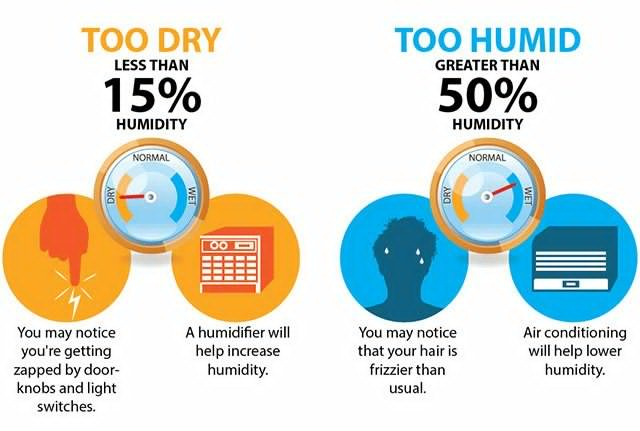
- Static electricity or dry skin: These point to low humidity. Notice if you're getting shocked by touching doorknobs, or if your skin feels constantly dry and itchy.
- Respiratory issues: Dry air can irritate your sinuses and worsen asthma. Excess humidity can exacerbate allergies and create an environment for mold growth, leading to respiratory problems.
Step 2: The Hygrometer Check (Basic Equipment Needed)
A hygrometer is a simple and inexpensive tool that measures the relative humidity in the air. You can find one at most hardware stores or online. Accurate measurement is crucial.
- Purchase a hygrometer: Choose a digital hygrometer for the most accurate readings. Analog hygrometers can be less precise.
- Placement is key: Place the hygrometer in a central location in your home, away from direct sunlight, vents, and exterior walls. For a more comprehensive view, use multiple hygrometers in different rooms.
- Take readings: Monitor the humidity level for several days, taking readings at different times of day. This will give you a better understanding of the overall humidity pattern in your home.
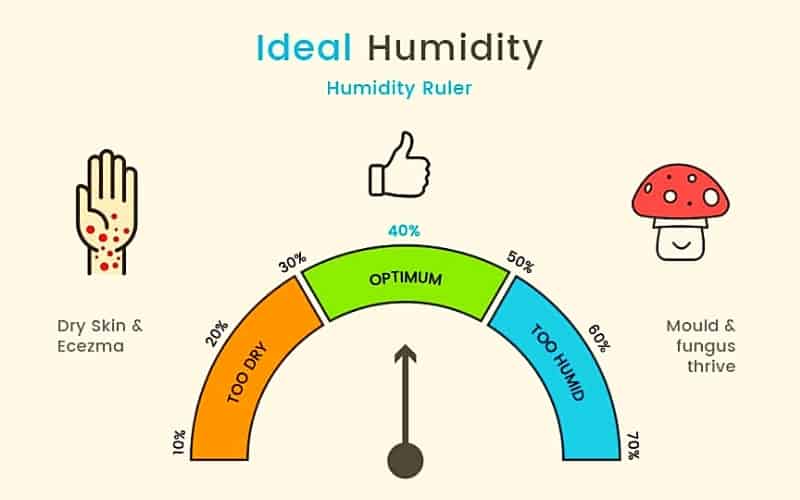
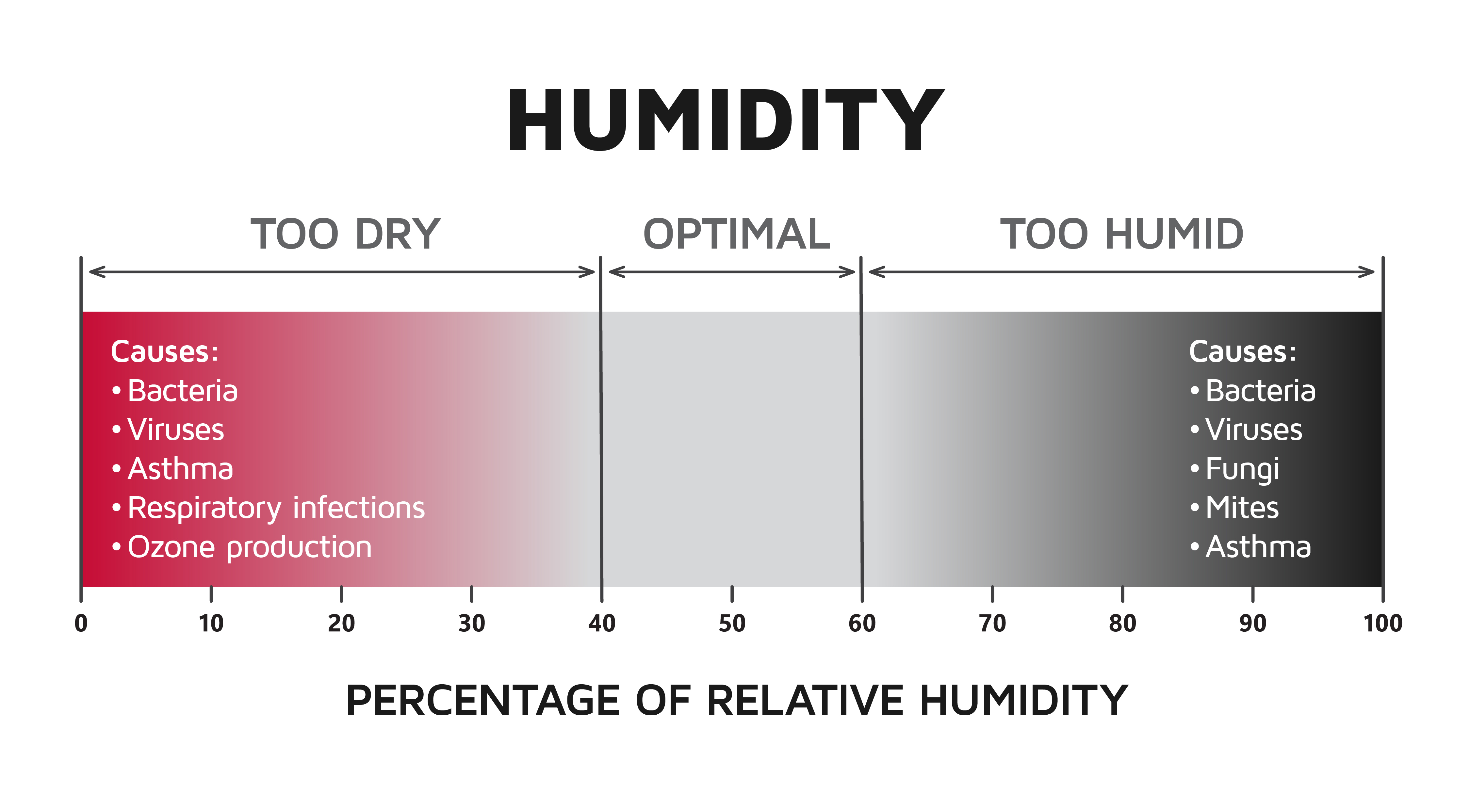
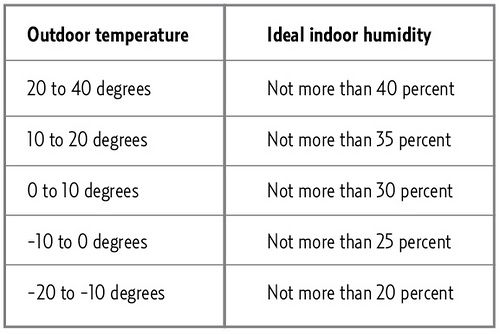
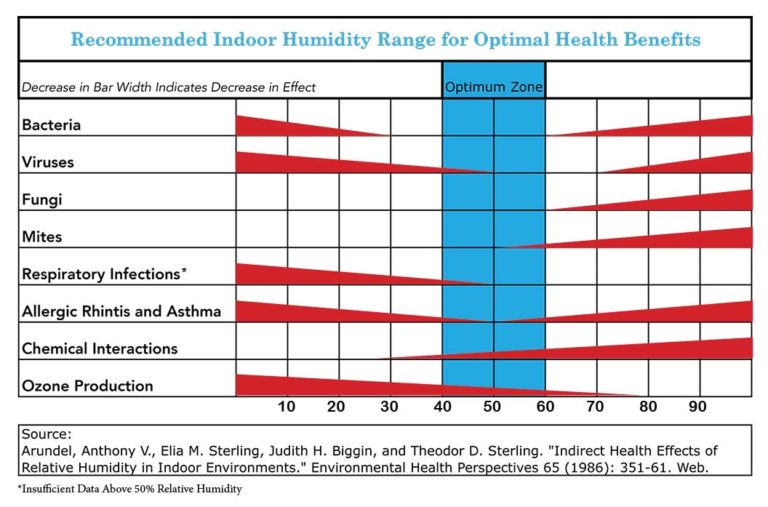
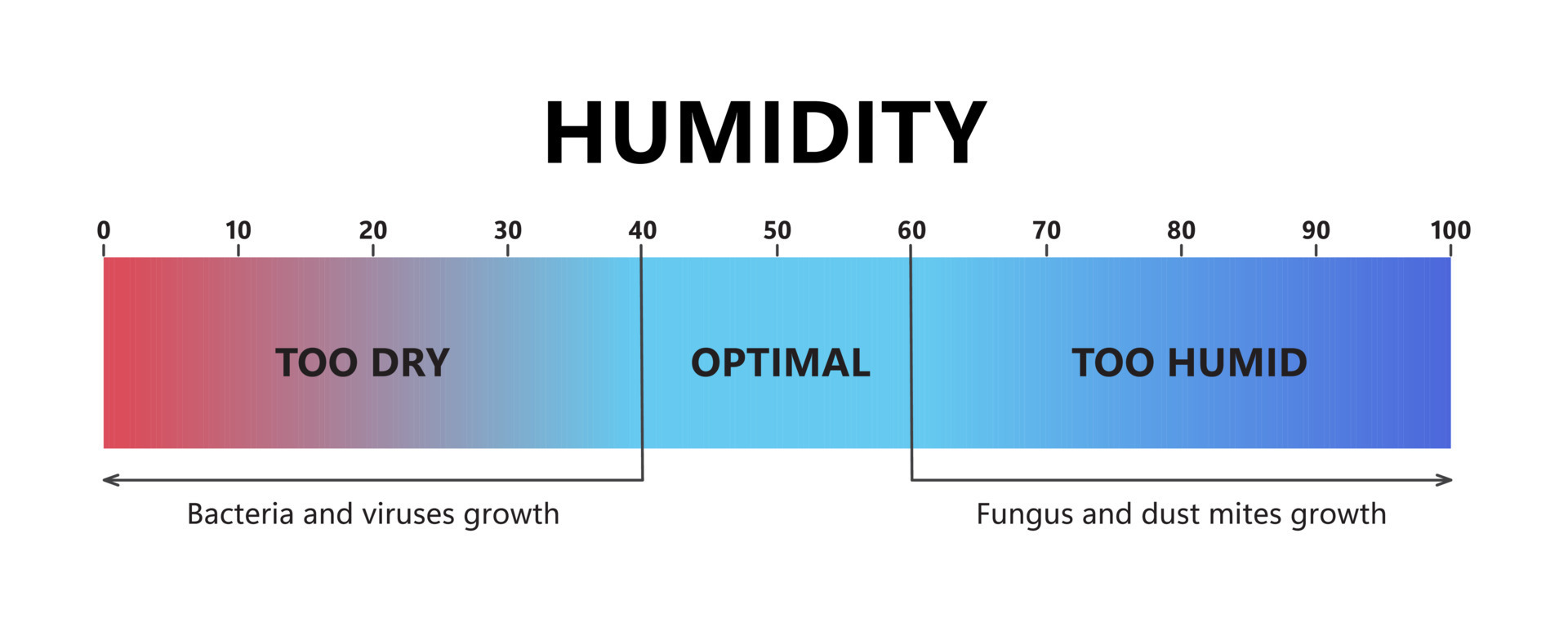
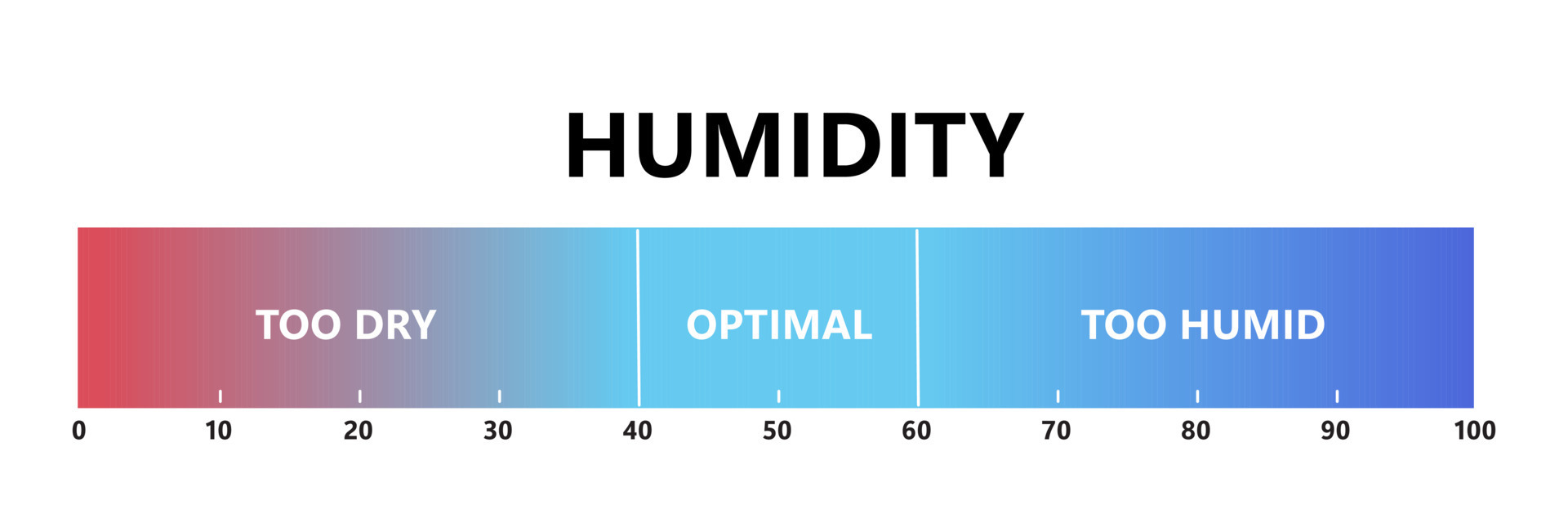
- Understand the ideal range: The ideal relative humidity level in a house is generally considered to be between 30% and 50%. In the winter, it's often recommended to keep it closer to 30-40% to prevent condensation on windows. In the summer, 40-50% is usually comfortable.
Step 3: Identifying Potential Sources (Tools May Be Needed)
Once you have a good understanding of your home's humidity level, it's time to investigate the potential sources of the problem.
- Check for leaks: Inspect plumbing fixtures, faucets, and toilets for leaks. Even small leaks can contribute to high humidity. A moisture meter (available at hardware stores) can help you detect hidden leaks in walls and floors.
- Inspect your roof and gutters: Make sure your roof is in good condition and that your gutters are clean and properly draining water away from your foundation. Pooling water around your foundation can seep into your basement and increase humidity. This may require a ladder, so be careful!
- Examine your ventilation: Ensure that your bathrooms and kitchen have working exhaust fans and that you use them when showering or cooking. Also, check your attic vents to make sure they are not blocked.
- Basement/Crawl Space: These areas are notorious for moisture. Check for cracks in the foundation walls and floor. Consider a vapor barrier if the ground is exposed.
- Air Conditioner: Check the drain line. A clogged drain line in your air conditioner can cause it to back up and increase humidity levels.
DIY Solutions: Taking Action
Based on your diagnosis, here are some simple DIY steps you can take to address humidity imbalances.
For High Humidity:
- Improve ventilation: Use exhaust fans in bathrooms and kitchens when showering or cooking. Open windows when the weather permits to allow fresh air to circulate.
- Fix leaks: Repair any leaky faucets, pipes, or toilets immediately.
- Dehumidifiers: A dehumidifier can be very effective at removing excess moisture from the air, especially in basements or damp rooms. Choose the right size dehumidifier for the area you need to dehumidify. Regularly empty the water collection tank.
- Address moisture sources: If you have a damp basement or crawl space, consider sealing it off or installing a vapor barrier.
- Properly vent appliances: Ensure that your clothes dryer is properly vented to the outside.
- Air conditioner maintenance: Regular maintenance, including cleaning the coils and checking the drain line, can help your air conditioner remove moisture more efficiently.
- Houseplants: While some plants can help regulate humidity, too many plants can contribute to high humidity levels, especially in poorly ventilated rooms.
For Low Humidity:
- Humidifiers: A humidifier adds moisture to the air, relieving dryness and static electricity. Choose the right type of humidifier for your needs. There are several types, including:
- Central humidifiers: These are installed in your home's HVAC system and humidify the entire house.
- Portable humidifiers: These are smaller units that humidify a single room.
- Evaporative humidifiers: These use a wick to draw water up into a fan, which evaporates the water into the air.
- Ultrasonic humidifiers: These use vibrations to create a fine mist that is released into the air.
- Houseplants: Certain plants, such as spider plants and snake plants, can help increase humidity levels.
- Boiling water: Simmering a pot of water on the stove can release moisture into the air. Be careful and never leave a pot unattended.
- Air drying clothes: Instead of using the dryer, hang your clothes to dry indoors. This will add moisture to the air.
- Take shorter, cooler showers: Hot showers can dry out your skin and contribute to low humidity levels.
When to Call a Professional
While many humidity issues can be resolved with DIY solutions, some problems require professional assistance. Here are some signs that it's time to call an HVAC technician or other qualified professional:
- Persistent high humidity despite your best efforts: If you've tried all the DIY solutions and your home is still consistently too humid, there may be a more serious underlying problem, such as a hidden leak or a problem with your HVAC system.
- Mold or mildew growth: Mold remediation should be handled by a professional to ensure that it is properly removed and that the underlying moisture problem is addressed.
- HVAC system malfunctions: If you suspect that your air conditioner or furnace is not working properly, it's best to call a professional to diagnose and repair the problem. Trying to repair HVAC equipment yourself can be dangerous and may void your warranty.
- Structural damage: If you notice signs of structural damage, such as cracks in your foundation or walls, it's important to consult with a structural engineer or contractor to assess the damage and recommend repairs.
- You're uncomfortable working with electricity or heights: Safety first! Don't attempt repairs that are beyond your skill level or comfort zone.
Specifically, consider a professional in these situations:
- HVAC System Inspection: A technician can check the efficiency of your air conditioner and furnace, ensuring they are properly removing or adding humidity. They can also diagnose and fix any underlying issues contributing to the humidity imbalance.
- Mold Remediation: Professionals have the equipment and expertise to safely and effectively remove mold. They can also identify and address the source of the moisture that is causing the mold growth. Do not attempt to remove large areas of mold yourself.
- Structural Repairs: If you suspect water damage is affecting the structural integrity of your home, a structural engineer can assess the damage and recommend necessary repairs.
- Complex Leak Detection: Sometimes, the source of a leak is not easily identifiable. Plumbers have specialized tools and techniques to locate hidden leaks behind walls or under floors.
Maintaining Healthy Humidity: Prevention is Key
Once you've achieved a healthy humidity level in your home, it's important to take steps to maintain it. Here are some tips:
- Regularly monitor humidity levels: Use your hygrometer to check humidity levels regularly, especially during seasonal changes.
- Maintain your HVAC system: Schedule regular maintenance for your air conditioner and furnace to ensure they are working properly.
- Address leaks promptly: Fix any leaks as soon as you notice them.
- Ventilate your home: Open windows and use exhaust fans to promote air circulation.
- Control moisture sources: Take steps to minimize moisture sources, such as drying clothes indoors and using humidifiers or dehumidifiers as needed.
By understanding the importance of healthy humidity levels and taking proactive steps to maintain them, you can create a more comfortable and healthy living environment for yourself and your family. Don't hesitate to call a professional when you need help – they are there to assist you in keeping your home at its best.
Remember, a little detective work and some basic DIY skills can go a long way in resolving humidity issues. With the right approach, you can conquer the humidity headache and enjoy a comfortable, healthy home all year round!