What Is The Height Of A Washing Machine Drain
The seemingly simple act of doing laundry can quickly turn into a plumbing nightmare if your washing machine drain isn't functioning correctly. One of the most crucial factors in ensuring proper drainage is the height of your washing machine drain. Too low, and you risk siphoning; too high, and your pump might struggle. This article will guide you through everything you need to know about washing machine drain height, troubleshooting common issues, and when to call a pro.
Understanding Washing Machine Drain Height
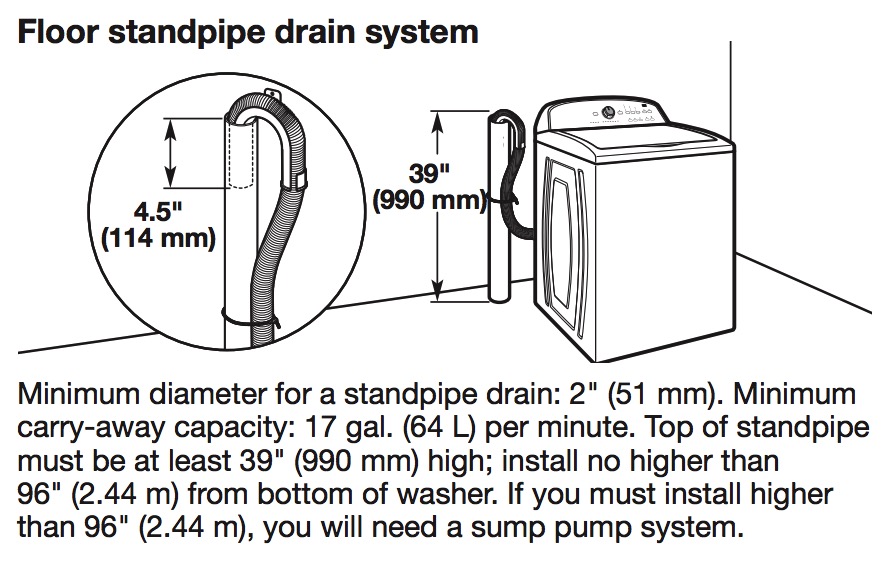
The drain height refers to the distance from the floor to the top of the standpipe where your washing machine drain hose is inserted. This height is crucial for preventing backflow, airlocks, and other drainage problems. Getting it right can save you from messy overflows and costly repairs.
The Ideal Drain Height
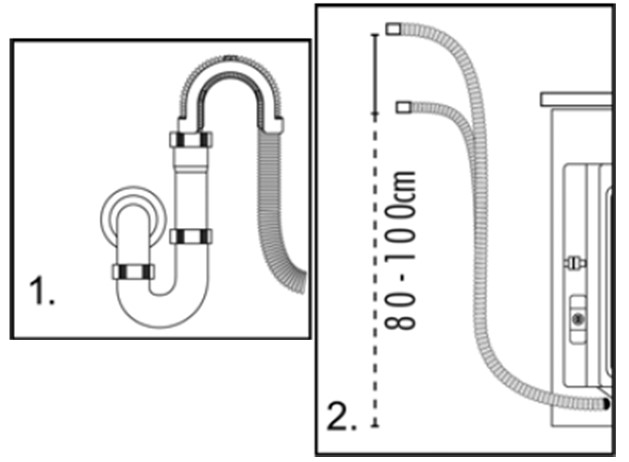
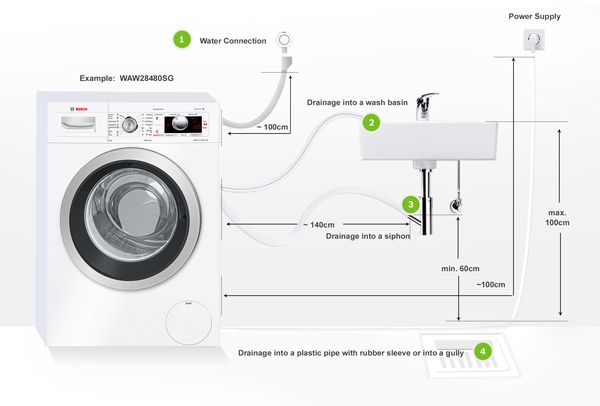
The generally accepted standard drain height for a washing machine is between 30 inches and 96 inches (76 cm to 244 cm) from the floor. This range provides enough elevation to prevent siphoning while remaining within the pump's capacity.
Most plumbing codes require a minimum standpipe height of 18 inches and a maximum of 42 inches above the trap. This is for the portion of the standpipe after the P-Trap.
Why Drain Height Matters
Incorrect drain height can lead to several problems:
- Siphoning: If the drain hose is inserted too far down or the standpipe is too low, the washing machine can siphon water out during the wash cycle. This results in the machine not filling correctly or prematurely draining.
- Overflowing: If the standpipe is too short or narrow and the pump can not keep up with the flow rate the water will overflow.
- Poor Drainage: A standpipe that is too high can make the washing machine pump work harder, potentially shortening its lifespan and causing drainage issues.
- Airlocks: If the drain hose isn't properly positioned, air can get trapped in the drain line, preventing water from flowing freely.
- Sewer Gas: Incorrect drain configuration may allow sewer gasses to enter the building causing noxious odors and health risks.
Troubleshooting Washing Machine Drain Issues
Before calling a plumber, try these troubleshooting steps:
1. Check the Drain Hose Connection
Make sure the drain hose is securely connected to both the washing machine and the standpipe. A loose connection can cause leaks and drainage problems. Use hose clamps to secure the connections.
2. Inspect the Drain Hose for Kinks or Blockages
A kinked or blocked drain hose can restrict water flow. Straighten any kinks and remove any debris that may be clogging the hose. Disconnect the hose and flush it with water to clear any obstructions.
3. Verify the Standpipe Height
Measure the height of the standpipe from the floor. If it's outside the recommended 30-96 inch range, you may need to adjust it. Consider extending or shortening the standpipe using appropriate plumbing fittings.
4. Check the P-Trap
The P-trap is a curved section of pipe located beneath the standpipe. It's designed to trap water, preventing sewer gases from entering your home. Ensure the P-trap is properly installed and free of debris. You may need to disassemble and clean the P-trap to remove any blockages.
5. Inspect the Drain Line for Blockages
A clogged drain line can cause water to back up into the washing machine. Use a drain snake to clear any blockages in the drain line. If you're uncomfortable using a drain snake, you can try pouring a drain cleaner into the drain line (follow the manufacturer's instructions carefully).
6. Test the Washing Machine Pump
If none of the above steps work, the washing machine pump may be faulty. Consult your washing machine's manual for instructions on how to test the pump. A faulty pump may need to be replaced.
DIY Adjustments vs. Calling a Professional
Simple tasks like clearing a clogged drain hose or tightening connections are usually within the realm of DIY. However, more complex adjustments or repairs should be left to a professional.
When to DIY
- Tightening loose connections
- Clearing minor clogs in the drain hose
- Ensuring the drain hose is properly positioned
When to Call a Professional Plumber
- Adjusting standpipe height (especially if it involves cutting or extending pipes)
- Clearing major drain line blockages
- Repairing or replacing the P-trap
- Replacing a faulty washing machine pump
- Dealing with recurring drainage problems
- If you are unsure of what to do, or feel unqualified.
Tools and Materials You May Need
Here's a list of tools and materials you might need for troubleshooting and making minor adjustments:
- Screwdrivers (Phillips and flathead)
- Pliers
- Adjustable wrench
- Hose clamps
- Drain snake
- Plunger
- Measuring tape
- Level
- PVC pipe and fittings (for adjusting standpipe height)
- PVC cutter
- PVC cement
- Safety glasses
- Gloves
Safety First!
Always prioritize safety when working with plumbing or electrical systems:
- Turn off the water supply: Before disconnecting any pipes or hoses, turn off the water supply to the washing machine to prevent flooding.
- Disconnect the power: Unplug the washing machine from the power outlet to avoid electrical shock.
- Wear safety glasses and gloves: Protect your eyes and hands from debris and chemicals.
- Follow manufacturer's instructions: Always refer to the manufacturer's instructions for your washing machine and any plumbing components you're working with.
- Work in a well-ventilated area: When using drain cleaners or PVC cement, work in a well-ventilated area to avoid inhaling harmful fumes.
Cost Considerations
The cost of repairing washing machine drain issues can vary depending on the complexity of the problem and whether you hire a professional plumber.
DIY Costs
- Simple repairs (e.g., clearing a clogged drain hose): $0-$20 (for drain cleaner or a drain snake)
- Adjusting standpipe height (using PVC fittings): $10-$50 (for PVC pipe, fittings, and cement)
Professional Plumber Costs
- Clearing a clogged drain line: $75-$250
- Repairing or replacing the P-trap: $150-$400
- Replacing a washing machine pump: $150-$500 (plus the cost of the pump)
- Adjusting standpipe height: $100-$300
These are just estimates, and the actual cost may vary depending on your location, the plumber's hourly rate, and the specific nature of the problem. Get multiple quotes before hiring a plumber.
Preventative Maintenance
Regular preventative maintenance can help avoid washing machine drain problems:
- Clean the lint trap regularly: A clogged lint trap can restrict water flow and put extra strain on the pump.
- Use the correct amount of detergent: Using too much detergent can lead to buildup in the drain line.
- Run a cleaning cycle: Periodically run a cleaning cycle with a washing machine cleaner to remove buildup and debris.
- Inspect hoses regularly: Check the drain hose and water supply hoses for cracks, leaks, or kinks. Replace them as needed.
- Avoid overloading the washing machine: Overloading the washing machine can put extra strain on the pump and drain system.
Common Mistakes to Avoid
- Using the wrong type of drain hose: Make sure you're using a drain hose specifically designed for washing machines.
- Inserting the drain hose too far into the standpipe: This can cause siphoning. The drain hose should extend only a few inches into the standpipe.
- Ignoring slow drainage: Slow drainage can be a sign of a developing problem. Address it promptly to prevent further damage.
- Using harsh chemicals indiscriminately: While drain cleaner can be effective, overuse or improper use can damage your pipes. Follow the manufacturer's instructions carefully.
- Neglecting the air gap: An air gap (a small space between the drain hose and the standpipe) is necessary to prevent backflow.
Conclusion
Understanding the proper drain height for your washing machine is essential for preventing a host of plumbing problems. By following the guidelines and troubleshooting tips outlined in this article, you can keep your laundry room running smoothly and avoid costly repairs. Remember to prioritize safety and don't hesitate to call a professional plumber when faced with complex issues. Happy laundering!