
What Is The Ideal Humidity Level For A Basement

Understanding Basement Humidity: The Ideal Levels and How to Achieve Them
Basements, often located underground, are prone to moisture issues. Maintaining the right humidity level is crucial for comfort, preventing mold growth, and protecting your home's structural integrity. Let's explore the ideal humidity for your basement and practical strategies for achieving and maintaining it.
What is the Ideal Humidity Level?
The generally accepted ideal humidity level for a basement is between 30% and 50% relative humidity (RH). This range helps prevent mold and mildew growth, deters pests, and minimizes musty odors. Going below 30% can lead to dry air, which can be uncomfortable and potentially damage wooden furniture and floors. Exceeding 50% creates an environment conducive to mold, mildew, and dust mites.
Why is Maintaining Proper Humidity Important?
Maintaining the correct humidity level in your basement offers several significant benefits:
- Mold Prevention: Mold thrives in damp environments. Keeping humidity below 50% significantly reduces the risk of mold growth.
- Pest Control: Many pests, like silverfish and dust mites, prefer humid conditions. Lowering the humidity makes your basement less attractive to them.
- Odor Control: Excessive moisture contributes to musty, unpleasant odors. Controlling humidity helps eliminate these smells.
- Structural Protection: High humidity can damage wooden beams, drywall, and other structural components.
- Improved Air Quality: Mold and mildew release spores into the air, which can trigger allergies and respiratory problems. Proper humidity control improves indoor air quality.
- Comfort: A damp basement can feel cold and uncomfortable. Lowering the humidity makes it more inviting.
Identifying Basement Humidity Problems
Look for these telltale signs of excessive humidity in your basement:
- Visible Mold or Mildew: This is the most obvious sign. Check walls, floors, and ceilings for discoloration or fuzzy growth.
- Musty Odors: A persistent musty smell indicates the presence of mold or mildew.
- Condensation: Water droplets on walls, pipes, or windows are a clear indication of high humidity.
- Water Stains: Dark or discolored patches on walls or floors can indicate water damage.
- Efflorescence: A white, powdery substance on concrete walls is a mineral deposit left behind by evaporating water.
- Warped or Damaged Materials: Wood rot, peeling paint, or warped flooring can result from excessive moisture.
Tools and Materials You Might Need
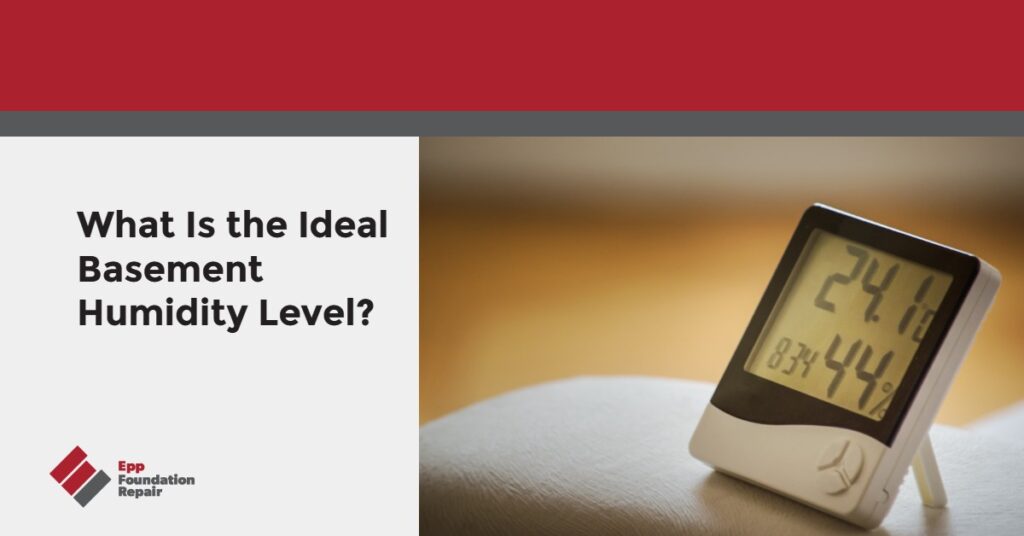
- Hygrometer: Measures relative humidity. A digital hygrometer is accurate and easy to read.
- Dehumidifier: Removes excess moisture from the air. Choose a model sized appropriately for your basement.
- Sump Pump: Removes water that accumulates around the foundation.
- Caulk and Sealant: Seals cracks and gaps to prevent moisture intrusion.
- Waterproof Paint or Sealer: Protects basement walls from moisture.
- Shop Vacuum: Cleans up water spills.
- Protective Gear: Gloves, mask, and eye protection when cleaning mold.
DIY Solutions for Controlling Basement Humidity
Here are several steps you can take to address basement humidity issues:
1. Improve Ventilation
Proper ventilation helps circulate air and reduce moisture buildup. Open windows when the weather permits, but avoid doing so during humid conditions. Consider installing exhaust fans in areas with high moisture levels, such as laundry rooms or bathrooms located in the basement.
2. Seal Cracks and Gaps
Inspect the basement walls and foundation for cracks and gaps. Seal them with caulk or sealant to prevent moisture from seeping in. Pay close attention to areas around pipes, windows, and doors.
3. Insulate Pipes
Condensation often forms on cold water pipes. Insulate them with foam pipe insulation to prevent this condensation and reduce humidity.
4. Use a Dehumidifier
A dehumidifier is an effective way to remove excess moisture from the air. Choose a model that is appropriately sized for your basement's square footage. Empty the water collection tank regularly, or connect the dehumidifier to a drain for continuous operation.
When selecting, consider the pints-per-day (PPD) rating. This refers to the amount of water the dehumidifier can remove in 24 hours. For a moderately damp basement, a 30-50 pint dehumidifier might suffice. For extremely damp basements, a 70-pint or larger unit might be needed.
5. Sump Pump Maintenance
If your basement has a sump pump, ensure it is functioning correctly. Regularly inspect the pump and its discharge line to prevent clogs or malfunctions. Consider installing a battery backup system to keep the pump running during power outages.
6. Proper Grading and Gutters
Ensure the ground around your foundation slopes away from the house to direct water away from the basement. Clean your gutters regularly to prevent overflows that can saturate the soil around your foundation. Extend downspouts to direct water further away from the house.
7. Waterproofing
Consider applying a waterproof paint or sealant to the interior walls of your basement. These products create a barrier that prevents moisture from penetrating the walls.
8. Address Leaks Promptly
Any leaks, whether from plumbing or the foundation, should be addressed immediately. Ignoring leaks can lead to significant water damage and high humidity levels.
9. Clean Mold and Mildew
If you find mold or mildew, clean it promptly. Use a solution of bleach and water (1 part bleach to 10 parts water) to scrub affected areas. Wear gloves, a mask, and eye protection during the cleaning process. Ensure the area is well-ventilated. For large mold infestations, consider calling a professional mold remediation service.
When to Call a Professional
While many humidity-related issues can be addressed with DIY solutions, some situations require professional help:
- Persistent High Humidity: If you've tried DIY solutions and the humidity remains high, there may be underlying issues that require professional assessment.
- Foundation Cracks: Significant foundation cracks can allow water to enter the basement. Structural repairs may be needed.
- Large Mold Infestations: Extensive mold growth can pose health risks. Professional mold remediation services have the expertise and equipment to safely and effectively remove mold.
- Plumbing Leaks: Hidden or complex plumbing leaks should be repaired by a licensed plumber.
- Sump Pump Issues: If your sump pump is malfunctioning or unable to keep up with water accumulation, a professional can diagnose and repair the problem.
Estimated Costs
Here's a general idea of the costs associated with common basement humidity control measures:
- Hygrometer: $10 - $50
- Dehumidifier: $150 - $500 (depending on size and features)
- Caulk and Sealant: $5 - $20 per tube
- Waterproof Paint: $30 - $50 per gallon
- Sump Pump Replacement: $200 - $500 (plus installation)
- Professional Mold Remediation: $500 - $5,000 (depending on the extent of the infestation)
- Foundation Repair: $500 - $10,000+ (depending on the severity and type of repair)
Disclaimer: These are estimated costs and may vary depending on your location and the specific services required. Always obtain quotes from multiple contractors before proceeding with any repairs.
Safety Precautions
- Electrical Safety: When working with electrical appliances like dehumidifiers and sump pumps, ensure they are properly grounded and protected by a GFCI outlet.
- Mold Exposure: Wear gloves, a mask, and eye protection when cleaning mold to avoid exposure to spores.
- Chemical Safety: Follow the manufacturer's instructions when using cleaning solutions, sealants, or paints.
- Structural Integrity: If you suspect structural damage, consult a qualified contractor before attempting any repairs.
Troubleshooting Common Problems
Here are some common problems and potential solutions:
- Dehumidifier Not Working: Check the power cord, filter, and water collection tank. Ensure the humidity setting is appropriate. If the problem persists, consult the manufacturer's instructions or contact a repair technician.
- Sump Pump Not Working: Check the power cord, float switch, and discharge line. Ensure the pump is not clogged or obstructed. If the problem persists, contact a professional.
- Condensation on Windows: Improve ventilation or use a dehumidifier to lower the humidity.
- Musty Odors Persisting: Thoroughly clean and disinfect all surfaces. Ensure there are no hidden sources of mold or mildew. If the odors persist, consider professional mold remediation.
Maintaining the ideal humidity level in your basement is essential for protecting your home and health. By understanding the causes of basement humidity, implementing preventative measures, and addressing problems promptly, you can create a dry, comfortable, and healthy living space.




.jpg?width=3508&name=Humidity level chart (1).jpg)