What Is The Indoor Air Pollution

Indoor air pollution is a significant concern, impacting health and well-being across homes, offices, and various commercial spaces. Understanding its causes, effects, and mitigation strategies is crucial for HVAC professionals. This article delves into the intricacies of indoor air pollution, its impact on the HVAC industry, and the career paths available for those seeking to improve indoor air quality (IAQ).
What is Indoor Air Pollution?
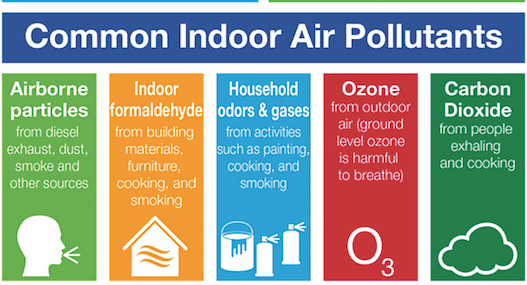
Indoor air pollution refers to the presence of contaminants within enclosed environments. These pollutants can be gases, particles, or biological materials that compromise the air quality and pose health risks. Unlike outdoor air pollution, which is often regulated and monitored on a larger scale, indoor air quality is highly dependent on factors specific to the building, its occupants, and its HVAC system.
Common Sources of Indoor Air Pollution
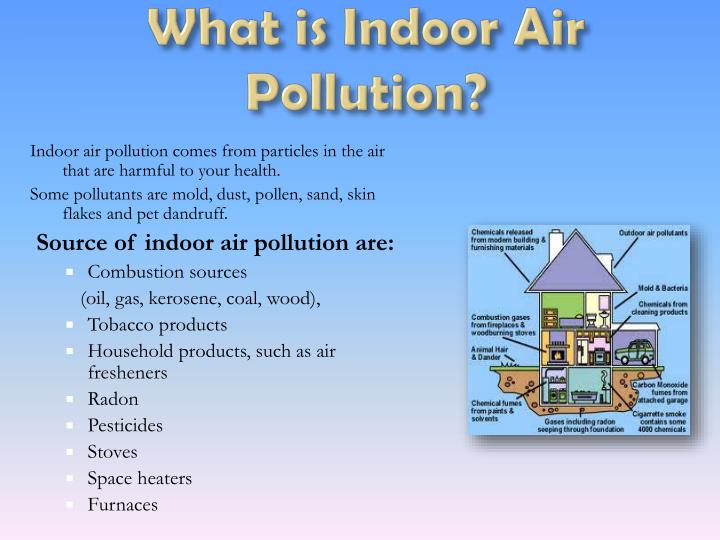
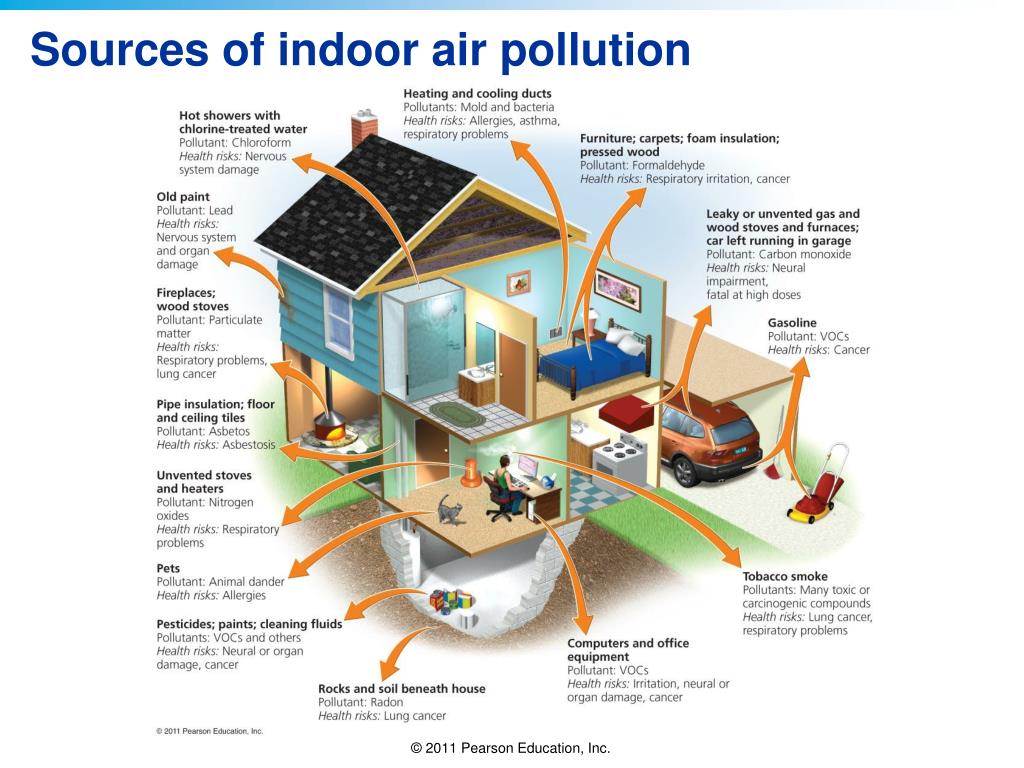
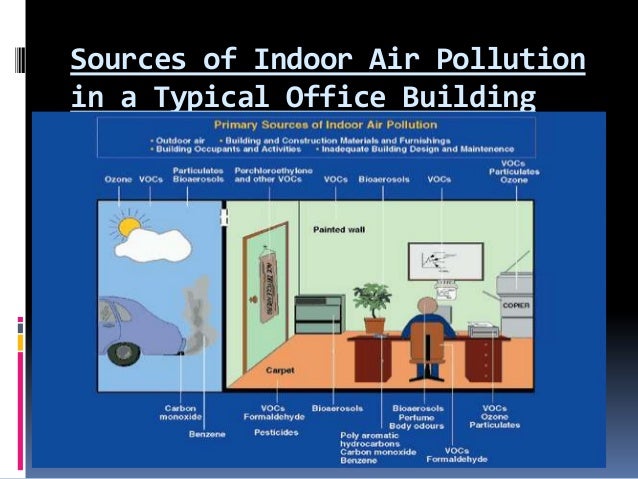
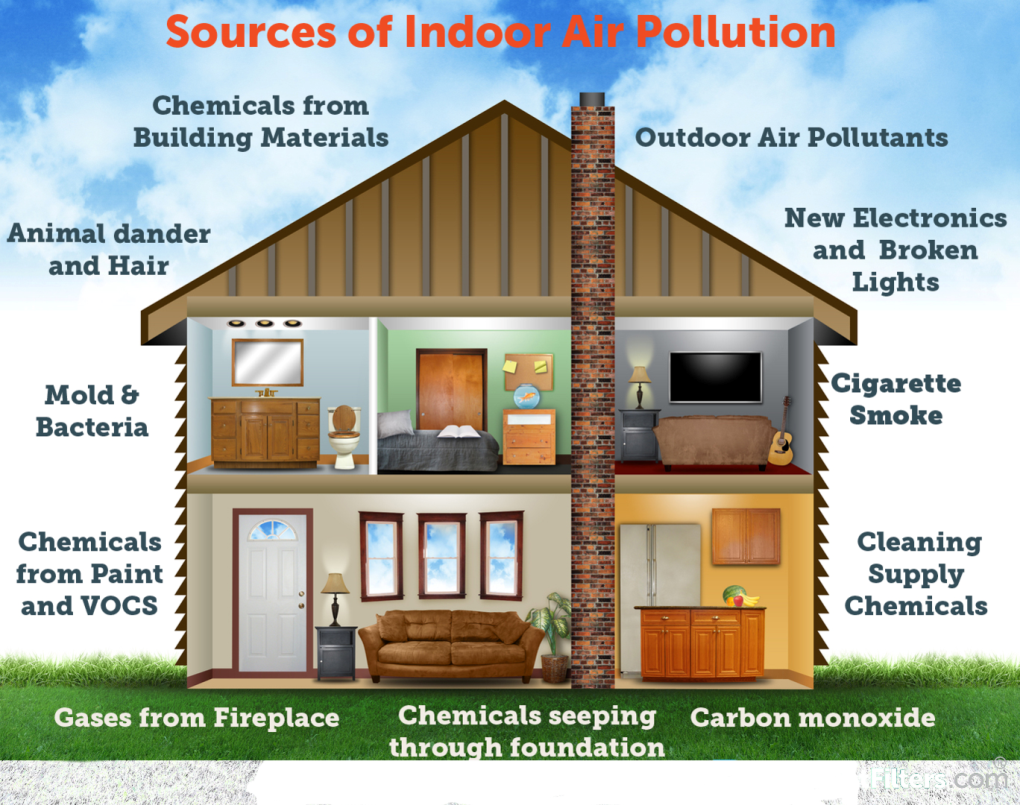
Identifying the sources of indoor air pollution is the first step in addressing the problem. Some of the most prevalent sources include:
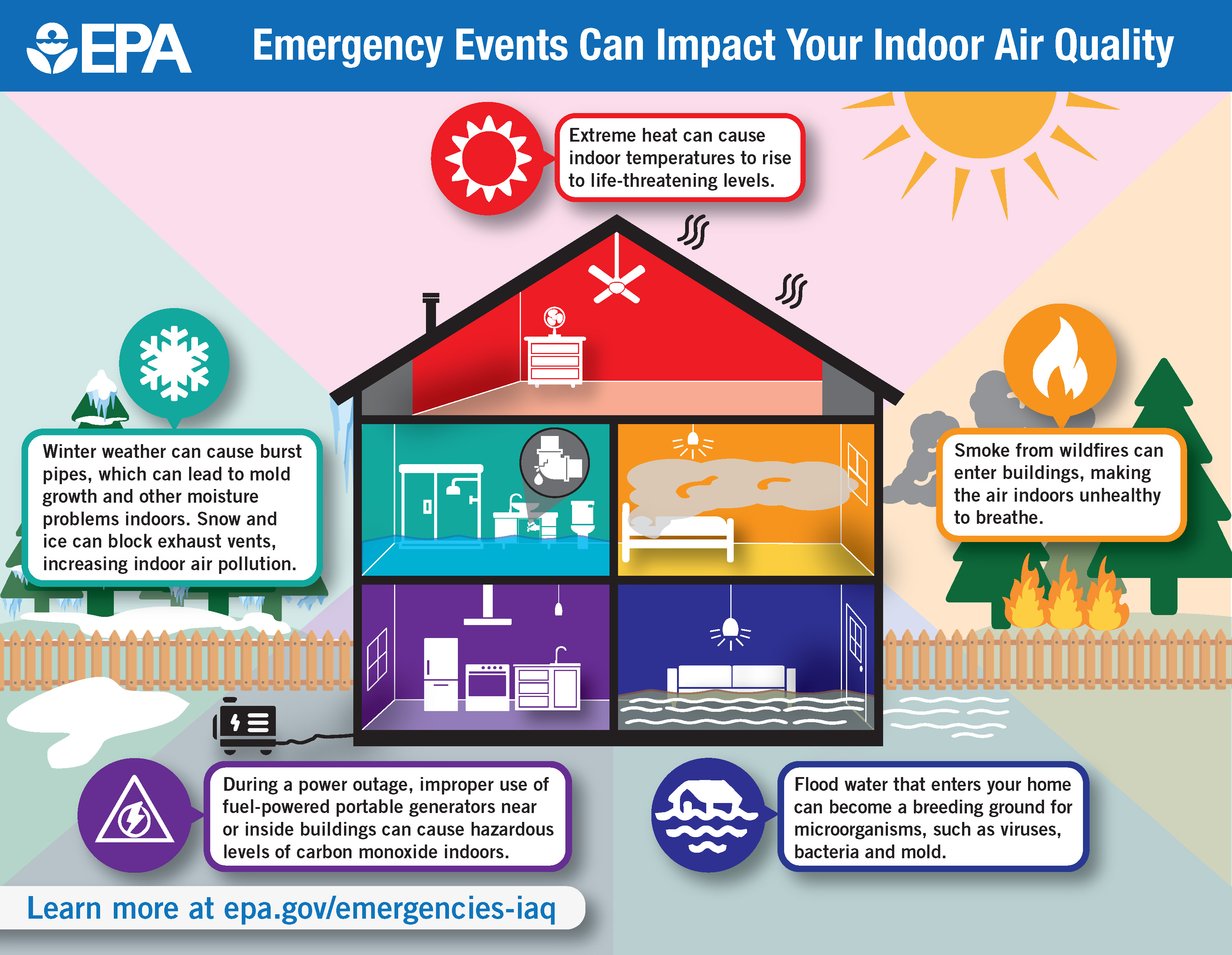
- Combustion Sources: Furnaces, gas stoves, fireplaces, and space heaters can release carbon monoxide (CO), nitrogen dioxide (NO2), and particulate matter. Proper ventilation and regular maintenance are essential to minimize these emissions.
- Building Materials and Furnishings: Many building materials, such as paints, adhesives, flooring, and furniture, emit volatile organic compounds (VOCs). These chemicals can cause short-term and long-term health effects.
- Biological Contaminants: Mold, bacteria, viruses, pollen, and dust mites thrive in humid environments and can trigger allergies, asthma, and other respiratory problems.
- Household Cleaning Products and Pesticides: These products often contain harsh chemicals that can irritate the eyes, skin, and respiratory system.
- Radon: Radon is a naturally occurring radioactive gas that seeps into buildings from the soil. It is a leading cause of lung cancer, particularly in non-smokers.
- Tobacco Smoke: A significant source of indoor air pollution, releasing a complex mixture of toxic chemicals and particulate matter.
Health Effects of Poor Indoor Air Quality
Exposure to indoor air pollutants can lead to a wide range of health problems, ranging from mild discomfort to severe chronic illnesses. The severity of the effects depends on the type and concentration of pollutants, the duration of exposure, and the individual's susceptibility.
- Short-Term Effects: These include eye, nose, and throat irritation, headaches, dizziness, fatigue, and exacerbation of allergy and asthma symptoms.
- Long-Term Effects: Prolonged exposure to indoor air pollutants can contribute to respiratory diseases, heart disease, and cancer. Radon exposure, in particular, is a major risk factor for lung cancer.
- Sick Building Syndrome (SBS): A condition characterized by a range of symptoms, such as headaches, fatigue, and difficulty concentrating, that are associated with spending time in a particular building. Often linked to poor ventilation and indoor air quality.
The HVAC Industry's Role in Improving IAQ
The HVAC industry plays a critical role in maintaining and improving indoor air quality. HVAC systems are responsible for circulating air, controlling temperature and humidity, and filtering out pollutants. Properly designed, installed, and maintained HVAC systems can significantly reduce the concentration of indoor air pollutants and create healthier indoor environments.
Key HVAC Strategies for Improving IAQ
- Ventilation: Providing adequate ventilation is essential for diluting indoor air pollutants and bringing in fresh outdoor air. Mechanical ventilation systems, such as energy recovery ventilators (ERVs) and heat recovery ventilators (HRVs), can improve ventilation while minimizing energy loss.
- Filtration: Air filters remove particulate matter, such as dust, pollen, and pet dander, from the air. High-efficiency particulate air (HEPA) filters are particularly effective at capturing small particles. The Minimum Efficiency Reporting Value (MERV) rating indicates a filter's ability to capture larger particles, with higher MERV ratings indicating better filtration.
- Humidity Control: Maintaining optimal humidity levels (typically between 30% and 60%) can prevent the growth of mold and dust mites. Dehumidifiers can be used to reduce humidity in damp environments.
- Regular Maintenance: Regular HVAC system maintenance, including cleaning or replacing air filters, cleaning coils, and inspecting ductwork, is crucial for ensuring optimal performance and preventing the buildup of pollutants.
- Air Purification: Technologies like ultraviolet (UV) lights and activated carbon filters can remove biological contaminants and odors from the air.
HVAC Career Paths Focused on Indoor Air Quality
The growing awareness of the importance of IAQ has created a demand for skilled HVAC professionals with expertise in this area. Several career paths offer opportunities to specialize in IAQ:
- HVAC Technicians with IAQ Specialization: These technicians are trained to diagnose and address IAQ problems, install and maintain air purification systems, and perform IAQ testing.
- HVAC System Designers: Designers can incorporate IAQ considerations into the design of new HVAC systems, selecting appropriate ventilation, filtration, and humidity control strategies.
- Building Performance Analysts: These professionals assess the overall performance of buildings, including IAQ, energy efficiency, and occupant comfort. They use diagnostic tools and software to identify areas for improvement.
- Indoor Air Quality Consultants: Consultants provide expert advice to building owners and managers on how to improve IAQ. They conduct IAQ assessments, develop remediation plans, and oversee implementation.
Certifications for HVAC Professionals in IAQ
Earning industry certifications can enhance your credibility and demonstrate your expertise in IAQ. Some relevant certifications include:
- NATE (North American Technician Excellence): NATE offers certifications for HVAC technicians in various specialties, including IAQ. Holding a NATE certification demonstrates that you have the knowledge and skills to perform HVAC work competently.
- EPA 608 Certification: Required for technicians who handle refrigerants. Proper refrigerant management is essential for preventing ozone depletion and minimizing the environmental impact of HVAC systems.
- Building Performance Institute (BPI): BPI offers certifications for building performance professionals, including building analysts and envelope professionals. These certifications focus on improving the energy efficiency and IAQ of buildings.
- American Indoor Air Quality Council (AIAQC): AIAQC offers certifications for indoor environmental consultants and mold assessors.
Job Outlook and Salary Expectations
The job outlook for HVAC technicians is projected to grow in the coming years. The U.S. Bureau of Labor Statistics projects a 6 percent growth from 2022 to 2032, about as fast as the average for all occupations. As concerns about indoor air quality rise, skilled technicians with IAQ expertise will be in even greater demand.
The median annual wage for HVAC mechanics and installers was $59,620 in May 2023. The highest 10 percent earned more than $88,470. Salaries can vary depending on experience, education, location, and specialization. Technicians with IAQ certifications and experience may command higher salaries.
Example Career Path: An HVAC apprentice starts with on-the-job training, earning their EPA 608 certification early on. After gaining experience, they pursue NATE certification in HVAC service, and then specialize further with IAQ-specific training. Over time, they can progress to become a lead technician, supervisor, or even start their own HVAC business focused on IAQ solutions.
Resources for Further Learning
To stay up-to-date on the latest developments in IAQ, consider exploring the following resources:
- ASHRAE (American Society of Heating, Refrigerating and Air-Conditioning Engineers): ASHRAE is a leading organization for HVAC professionals, providing standards, guidelines, and resources on IAQ.
- EPA (Environmental Protection Agency): The EPA provides information on indoor air quality, including sources of pollution, health effects, and mitigation strategies.
- IAQA (Indoor Air Quality Association): The IAQA is a professional organization for IAQ consultants and professionals.
In conclusion, indoor air pollution is a complex issue that requires the attention of HVAC professionals. By understanding the sources of pollution, implementing effective mitigation strategies, and pursuing relevant certifications, you can contribute to creating healthier indoor environments and advance your career in this growing field. The demand for qualified HVAC technicians with IAQ expertise is only expected to increase, making this a rewarding and promising career path.

-min.png)