What Is The Name Of The Skin On Your Elbow

You might be surprised to learn that the skin on your elbow doesn't have a special, unique name like, say, your patella (kneecap) does. The skin covering your elbow is simply referred to as skin, specifically, the skin located over the olecranon process and surrounding areas. However, there are terms related to the elbow region that are relevant to understanding its anatomy and potential skin conditions.
Understanding the Anatomy of the Elbow
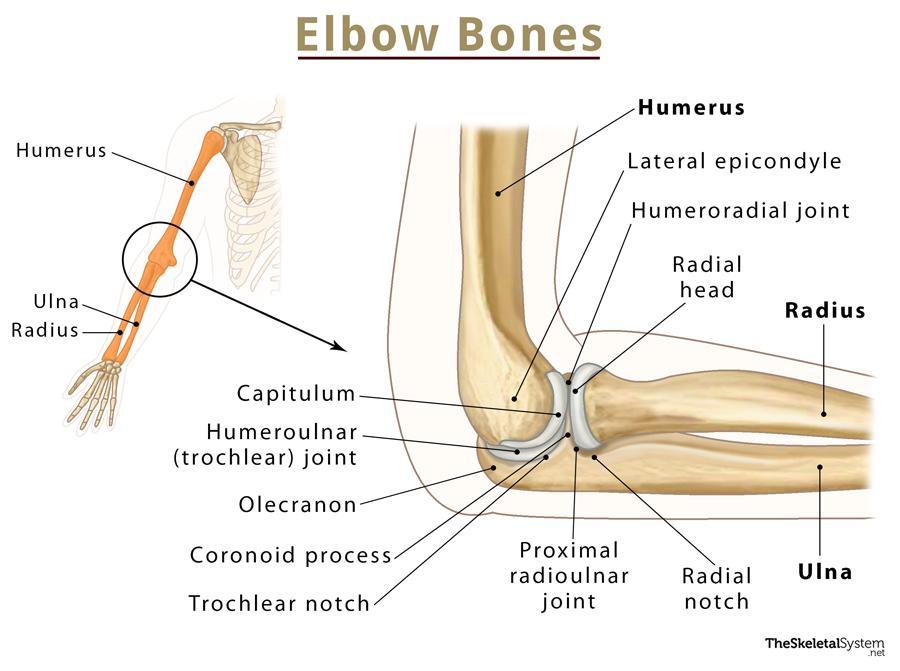
To better understand the skin on your elbow, it’s helpful to grasp the basic anatomy of the elbow joint itself. The elbow is a complex hinge joint formed by the meeting of three bones:
- Humerus: The bone of your upper arm.
- Ulna: One of the two bones in your forearm, located on the pinky finger side. The olecranon process is a part of the ulna.
- Radius: The other bone in your forearm, located on the thumb side.
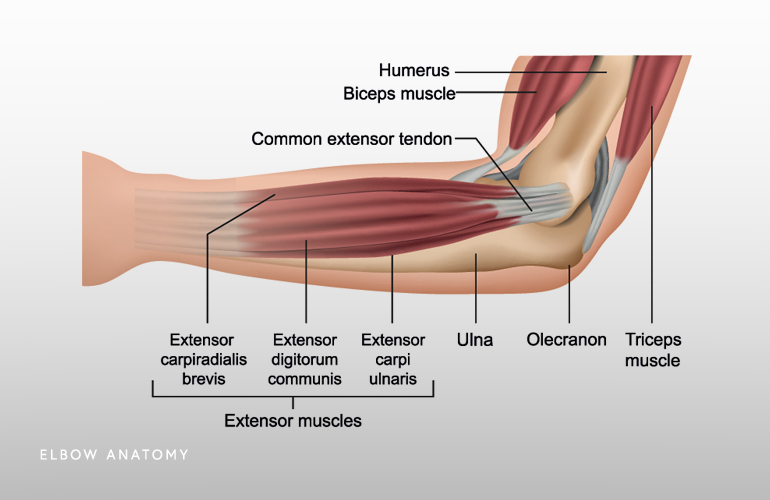
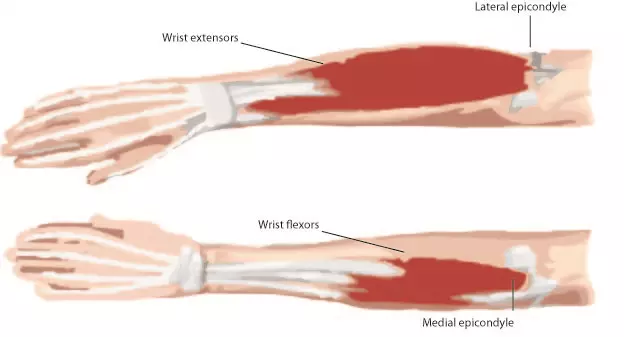
These bones are held together by ligaments, which are strong, fibrous tissues that connect bones to each other. Muscles and tendons also play a crucial role in elbow movement. Tendons connect muscles to bones, allowing you to bend, straighten, and rotate your forearm. The skin covering all of this is just that – skin!
The Olecranon Process: The Bony Bump
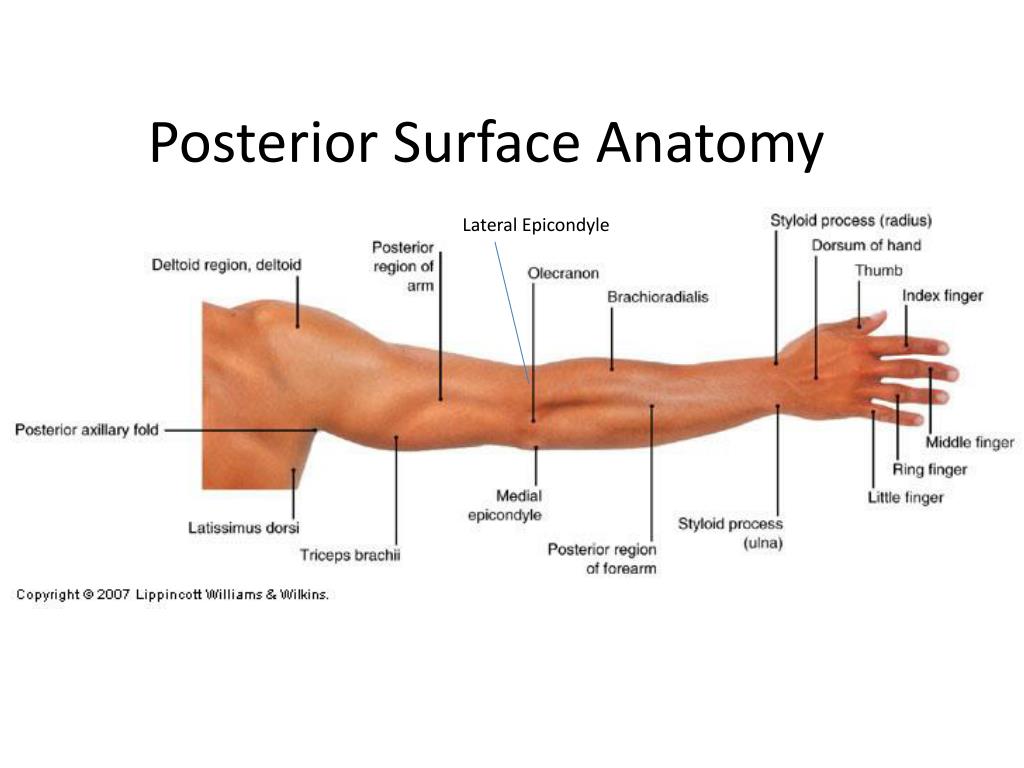
The olecranon process is a prominent bony projection of the ulna that forms the pointy part of your elbow. It's what you feel when you bend your arm. Because it lies relatively close to the surface, it’s more susceptible to bumps and injuries. The skin covering the olecranon process is also subject to more friction and pressure than skin in other areas.
Why the Skin on Your Elbow Can Be Different
The skin on your elbow often appears different from the skin on other parts of your body. This is due to several factors:
- Constant Movement: The elbow is constantly bending and straightening, stretching and compressing the skin. This constant movement can lead to the formation of lines, wrinkles, and folds.
- Lack of Subcutaneous Fat: There's relatively little subcutaneous fat (the layer of fat beneath the skin) over the olecranon process. This means the skin is closer to the bone, making it more prone to pressure and irritation.
- Friction and Pressure: We often lean on our elbows, especially when sitting at a desk or table. This constant pressure and friction can lead to thickening of the skin and the development of calluses or dark patches.
- Exposure to the Elements: The elbows, like the hands and face, are often exposed to the sun, wind, and cold, which can dry out the skin and make it more susceptible to damage.
Common Skin Conditions Affecting the Elbow
While the skin on the elbow is still just skin, certain conditions are more prone to affect this area due to its unique characteristics:
- Eczema (Atopic Dermatitis): This chronic inflammatory skin condition can cause dry, itchy, and inflamed skin. The elbow creases are a common site for eczema outbreaks.
- Psoriasis: This autoimmune disease can cause thick, red, scaly patches on the skin. The elbows are a common site for psoriasis plaques.
- Contact Dermatitis: This occurs when the skin comes into contact with an irritant or allergen, causing inflammation, itching, and a rash. This can happen from detergents, soaps, lotions, or even certain fabrics.
- Bursitis: While not strictly a skin condition, olecranon bursitis (inflammation of the bursa, a fluid-filled sac that cushions the elbow joint) can cause swelling and redness of the skin over the elbow.
- Calluses: Repeated pressure and friction can cause the skin to thicken and form calluses. These are usually painless but can become uncomfortable if they get too thick.
- Elbow Dyschromia (Dark Elbows): This refers to the darkening of the skin on the elbows, often due to hyperpigmentation caused by friction, sun exposure, or underlying skin conditions.
Caring for the Skin on Your Elbows
Taking care of the skin on your elbows is important for maintaining its health and appearance. Here are some tips:
- Moisturize Regularly: Apply a thick, emollient moisturizer to your elbows several times a day, especially after showering or bathing. Look for ingredients like shea butter, cocoa butter, ceramides, and hyaluronic acid.
- Exfoliate Gently: Exfoliate your elbows once or twice a week to remove dead skin cells and prevent buildup. Use a gentle scrub or a washcloth. Avoid harsh scrubs that can irritate the skin.
- Protect from the Sun: Apply sunscreen to your elbows when you're going to be outdoors, even on cloudy days. Sunscreen helps prevent sun damage and hyperpigmentation.
- Avoid Excessive Pressure: Try to avoid leaning on your elbows for extended periods. If you work at a desk, consider using elbow pads to cushion your elbows.
- Use Gentle Soaps and Detergents: Harsh soaps and detergents can strip the skin of its natural oils, leading to dryness and irritation. Choose mild, fragrance-free products.
- Stay Hydrated: Drinking plenty of water helps keep your skin hydrated from the inside out.
- See a Dermatologist: If you're experiencing persistent skin problems on your elbows, such as severe dryness, itching, rash, or discoloration, consult a dermatologist for diagnosis and treatment.
Addressing Dark Elbows (Elbow Dyschromia)
Dark elbows are a common concern. Here's how you can address them:
- Exfoliation: Regular exfoliation helps remove the buildup of dead skin cells that contribute to the dark appearance.
- Moisturization: Keeping the skin hydrated is essential. Look for moisturizers that contain ingredients like urea or lactic acid, which can help exfoliate and lighten the skin.
- Topical Lightening Agents: Over-the-counter creams containing ingredients like kojic acid, arbutin, or vitamin C can help lighten dark spots. Always use these products as directed and perform a patch test first to check for sensitivity.
- Prescription Treatments: In some cases, a dermatologist may prescribe stronger lightening creams containing hydroquinone. Hydroquinone is a powerful depigmenting agent but should be used with caution and under medical supervision.
- Sun Protection: Sun exposure can worsen hyperpigmentation, so it's crucial to protect your elbows from the sun with sunscreen.
- Chemical Peels: Chemical peels can help exfoliate the skin and reduce hyperpigmentation. These should be performed by a qualified professional.
- Laser Treatments: Laser treatments can target and break down the excess melanin that causes dark spots. These are more expensive options and may require multiple sessions.
When to See a Doctor
While many elbow skin issues can be managed at home, it's important to see a doctor if you experience any of the following:
- Severe pain or swelling
- Signs of infection, such as redness, pus, or fever
- A rash that doesn't improve with over-the-counter treatments
- Persistent itching or discomfort
- Changes in the size, shape, or color of a mole or skin lesion
- Concerns about skin cancer
A dermatologist can properly diagnose the underlying cause of your skin problem and recommend the most appropriate treatment plan. Remember, early detection and treatment are key for managing many skin conditions.
In Conclusion
So, while there's no fancy scientific name for the skin on your elbow, it's still an important part of your body that deserves proper care and attention. Understanding the anatomy of the elbow, the factors that affect the skin in this area, and common skin conditions can help you keep your elbow skin healthy and looking its best. By following a consistent skincare routine and seeking professional help when needed, you can maintain healthy and comfortable skin on your elbows for years to come.



:max_bytes(150000):strip_icc()/VWH-GettyImages-510954994-f72031f3357d4244a395736896b10db8.jpg)