What Is The Normal Humidity Inside A House
.jpg?width=3508&name=Humidity level chart (1).jpg)
Maintaining optimal indoor humidity is crucial for comfort, health, and the preservation of your home's structure. As HVAC professionals, understanding the nuances of humidity control is fundamental, not just for troubleshooting but also for offering valuable solutions to clients. This article will delve into the ideal humidity levels inside a house, the impact of improper humidity, and how HVAC systems and professionals play a critical role in maintaining a healthy indoor environment.
Understanding Ideal Indoor Humidity
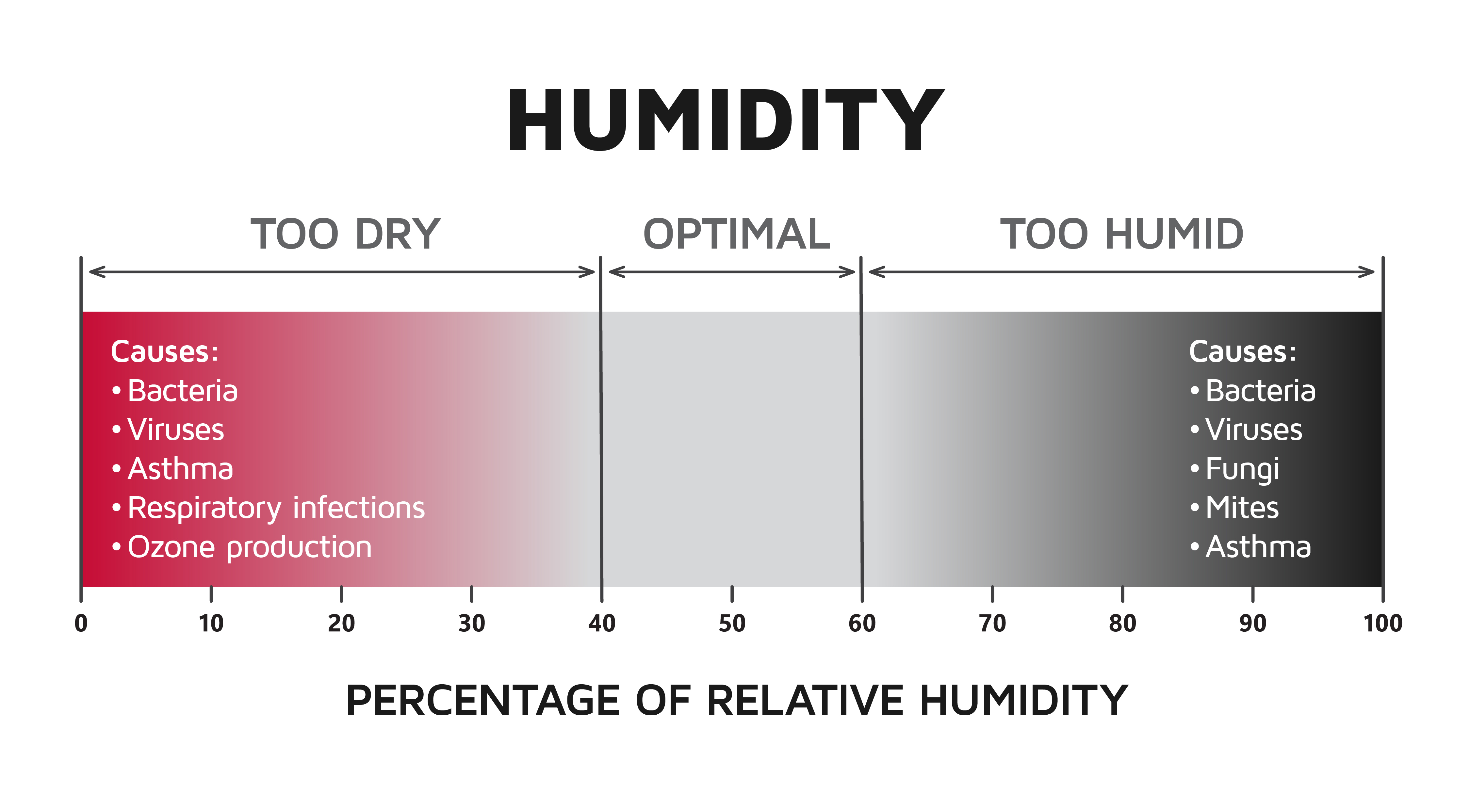
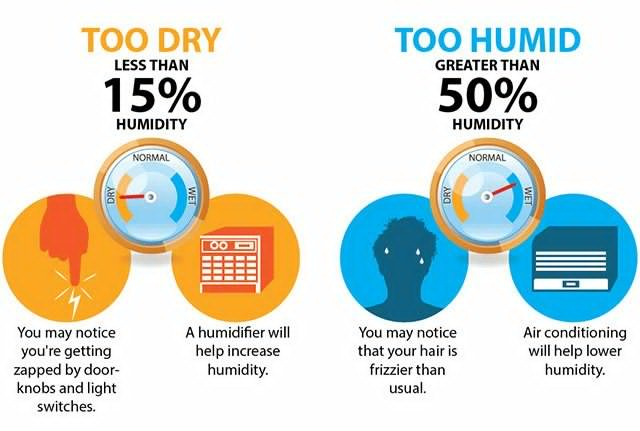
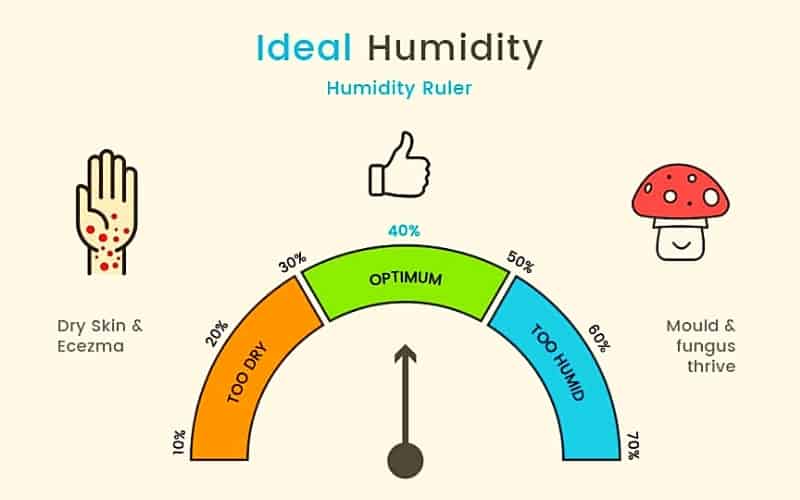
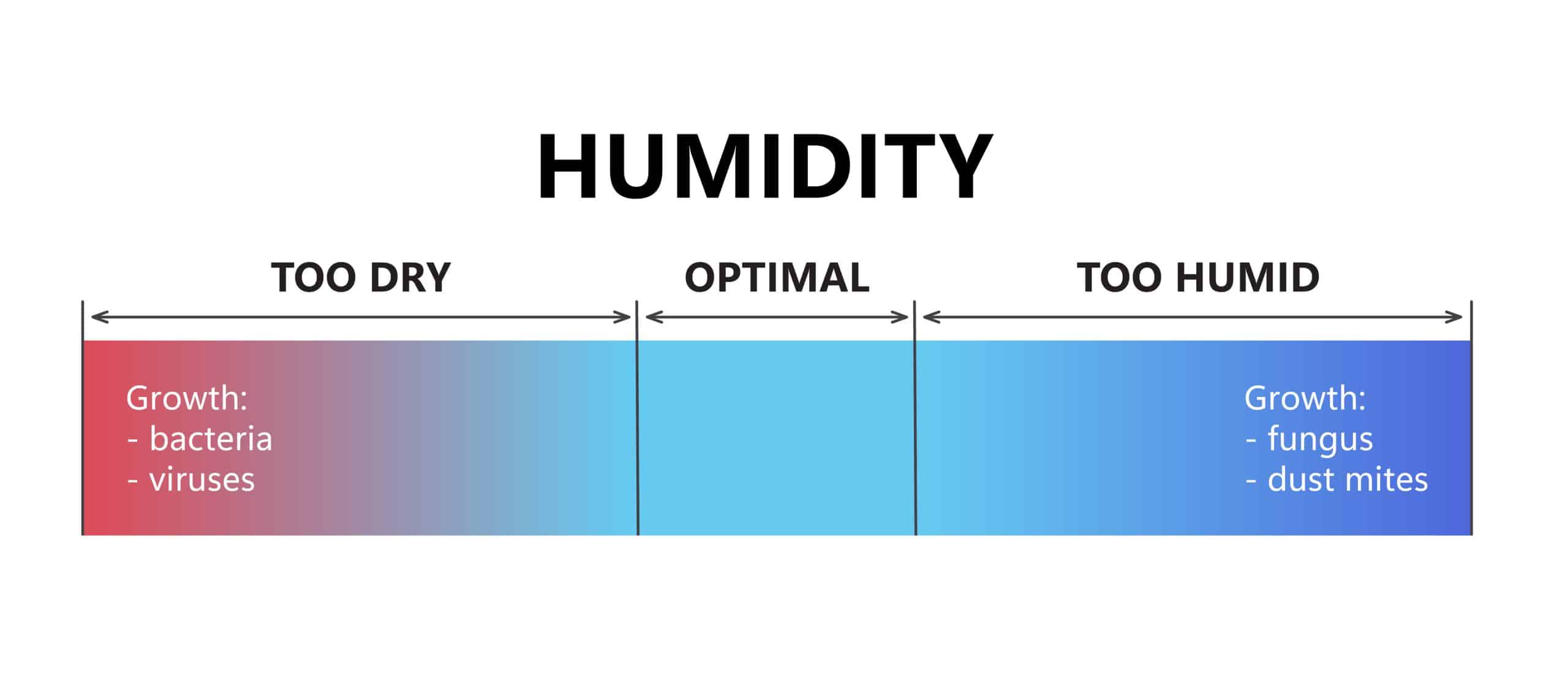
The generally recommended relative humidity (RH) inside a house is between 30% and 50%. This range is considered the sweet spot for several reasons. Below 30%, the air becomes too dry, leading to health issues like dry skin, irritated sinuses, and increased susceptibility to respiratory infections. Above 50%, the risk of mold growth, dust mite infestation, and condensation increases, potentially damaging building materials and exacerbating allergies and asthma.
Seasonal Variations
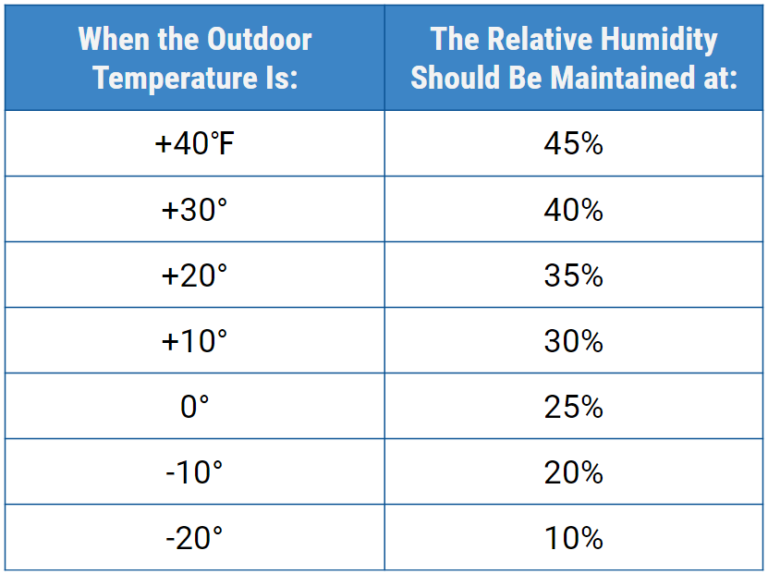
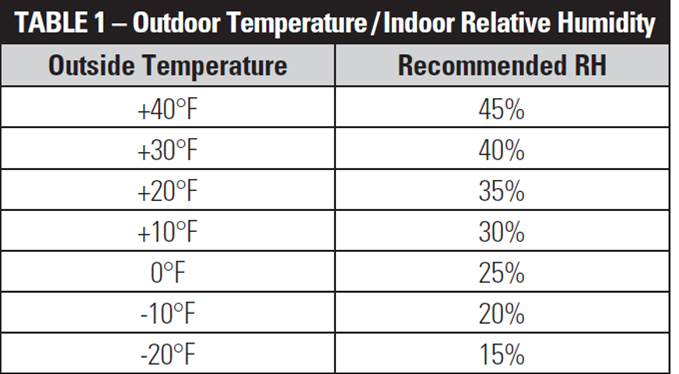
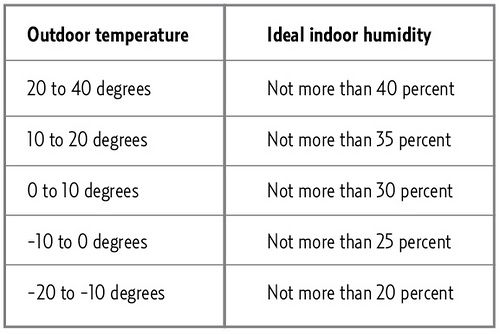
It's important to recognize that the ideal humidity level can fluctuate slightly depending on the season. During winter, colder outdoor air holds less moisture, leading to lower indoor humidity when that air is heated. Aiming for the lower end of the 30-50% range, perhaps around 30-40%, can help prevent condensation on windows and other cold surfaces. In summer, higher outdoor humidity levels often necessitate dehumidification to maintain the recommended indoor range. Strategies for managing humidity will vary greatly depending on climate and specific building conditions.
The Impact of Improper Humidity Levels
Failing to maintain proper humidity levels can lead to a cascade of problems affecting both occupants and the building itself.
Health Concerns
- Low Humidity: Dry air can irritate the respiratory system, leading to nosebleeds, sore throats, and increased vulnerability to viruses. It can also worsen eczema and other skin conditions.
- High Humidity: Excess moisture encourages the growth of mold and mildew, which are known allergens and can trigger asthma attacks. It also provides a breeding ground for dust mites, another common allergen. High humidity can also cause general discomfort, making a room feel stuffy and sticky.
Building Damage
- Low Humidity: Dry air can cause wood furniture, flooring, and trim to crack or warp. It can also damage musical instruments and artwork.
- High Humidity: Condensation from high humidity can damage walls, ceilings, and windows. It can also lead to wood rot and structural damage.
HVAC Systems and Humidity Control
Modern HVAC systems are designed not only to regulate temperature but also to manage humidity levels. Here's how different components contribute to humidity control:
Air Conditioners
Air conditioners naturally dehumidify the air as part of the cooling process. As air passes over the cold evaporator coil, moisture condenses and drains away. However, air conditioners are primarily designed for cooling, and their dehumidification capacity may not be sufficient in particularly humid climates.
Dehumidifiers
Dehumidifiers are specifically designed to remove moisture from the air. They work by drawing air over a cold coil, causing condensation, and then reheating the air before releasing it back into the room. Dehumidifiers are particularly useful in basements, crawl spaces, and other areas prone to high humidity. They can be portable units or whole-house systems integrated with the HVAC system.
Humidifiers
Humidifiers add moisture to the air. They are commonly used during winter to combat the drying effects of heating systems. There are several types of humidifiers, including evaporative humidifiers, steam humidifiers, and ultrasonic humidifiers. Whole-house humidifiers can be integrated with the HVAC system for consistent humidity control throughout the home.
Ventilation Systems
Proper ventilation is essential for maintaining healthy indoor air quality, including humidity levels. Ventilation systems bring fresh air into the home, which can help to dilute pollutants and excess moisture. Heat recovery ventilators (HRVs) and energy recovery ventilators (ERVs) are advanced ventilation systems that can exchange air between the inside and outside while minimizing energy loss. ERVs are particularly effective at controlling humidity, as they transfer moisture between the incoming and outgoing air streams.
The Role of the HVAC Professional
As HVAC professionals, your expertise is critical in helping homeowners maintain optimal indoor humidity levels. This includes:
- Assessment: Conducting thorough inspections to identify humidity problems, such as mold growth, condensation, or dry air symptoms.
- System Design and Installation: Selecting and installing the appropriate HVAC equipment, including air conditioners, dehumidifiers, humidifiers, and ventilation systems, based on the specific needs of the home and climate.
- Maintenance and Repair: Performing regular maintenance to ensure that HVAC systems are operating efficiently and effectively, including cleaning coils, checking refrigerant levels, and replacing filters.
- Troubleshooting: Diagnosing and repairing humidity-related problems, such as leaky ducts, malfunctioning humidistats, or inadequate ventilation.
- Education: Educating homeowners about the importance of humidity control and how to properly operate and maintain their HVAC systems.
HVAC Career Paths and Certifications
A career in HVAC offers diverse paths and rewarding opportunities. Here’s a glimpse:
Entry-Level Positions
Apprentice technicians typically start by assisting experienced technicians with installations, maintenance, and repairs. They learn the trade through on-the-job training and formal classroom instruction. According to the Bureau of Labor Statistics, the median annual wage for HVAC mechanics and installers was $51,390 in May 2022. Job outlook is projected to grow 6 percent from 2022 to 2032, about as fast as the average for all occupations.
Advanced Roles
With experience and certifications, technicians can advance to more specialized roles, such as:
- HVAC Service Technician: Diagnoses and repairs complex HVAC systems.
- HVAC Installation Technician: Installs new HVAC systems in residential and commercial buildings.
- HVAC Design Engineer: Designs and develops HVAC systems for new construction and renovation projects.
- HVAC Sales Engineer: Sells HVAC equipment and services to clients.
Essential Certifications
Earning certifications enhances your credibility and opens doors to more advanced career opportunities. Some important certifications include:
- NATE (North American Technician Excellence): This is a widely recognized certification that demonstrates a technician's knowledge and skills in HVAC. NATE offers certifications for various specialties, such as air conditioning, heating, and commercial refrigeration.
- EPA Section 608 Certification: Required by the EPA for technicians who handle refrigerants. This certification ensures that technicians understand and comply with regulations for handling and disposing of refrigerants safely.
Real-World Examples
- Sarah, a NATE-certified technician: Started as an apprentice and now leads a team of installers, specializing in energy-efficient HVAC systems. Her expertise has made her a valuable asset to her company, resulting in significant raises and promotions.
- Mark, an HVAC service technician with EPA 608 certification: Runs his own HVAC repair business. His certifications ensure that he can handle refrigerant-related issues safely and legally, building trust with his clients.
Employer Expectations
Employers in the HVAC industry seek candidates with a strong technical foundation, problem-solving skills, and a commitment to continuous learning. Key expectations include:
- Technical Skills: Proficiency in diagnosing, repairing, and installing HVAC systems.
- Problem-Solving: Ability to troubleshoot complex issues and find effective solutions.
- Communication Skills: Ability to communicate effectively with clients and colleagues.
- Customer Service: Commitment to providing excellent customer service.
- Certifications: NATE and EPA 608 certifications are highly valued.
Conclusion
Maintaining the correct indoor humidity is essential for a healthy and comfortable living environment. As HVAC professionals, your knowledge and skills are indispensable in helping homeowners achieve this. By understanding the science behind humidity control, mastering the tools and techniques, and staying up-to-date with industry certifications and trends, you can build a successful and rewarding career in the HVAC field. Continually expand your knowledge, network with other professionals, and embrace the evolving technologies that shape the future of HVAC. Embrace every opportunity to learn, and you will be well on your way to a fulfilling and prosperous career in the ever-evolving world of HVAC.