What Is The Normal Humidity Level In A Basement

Have you ever walked into your basement and been met with a damp, musty smell, or noticed condensation on the walls and floor? Or, perhaps you're struggling with your home's overall heating and cooling efficiency and suspect the basement might be playing a role. One common culprit is an improperly managed humidity level. But what is the *normal* humidity level in a basement, and how can you troubleshoot if yours is off?
Understanding the Basement Humidity Problem
Many homeowners experience issues with their HVAC systems struggling to efficiently heat or cool their homes. This can manifest as high energy bills, rooms that never seem to reach the set temperature, or excessive cycling of the furnace or air conditioner. While there can be many reasons for this, a damp basement significantly contributes to the problem. A humid basement can make the entire house feel cooler in the winter and warmer in the summer. This forces your HVAC system to work harder, consuming more energy and potentially shortening its lifespan.
The basement, being underground, is naturally prone to higher humidity levels due to its cooler temperatures and proximity to the earth. Moisture can seep through foundation walls, floors, and even condensation can form due to temperature differences. Maintaining the correct humidity balance is essential, not just for comfort, but also to prevent mold growth, structural damage, and health issues.
Diagnosing the Humidity Level in Your Basement: A Step-by-Step Guide
Here’s a methodical approach to diagnosing the humidity problem in your basement. Start with the simplest checks and then move on to more involved steps.
Step 1: Initial Observations (No Tools Required)
Begin with a thorough visual inspection of your basement. This initial assessment can reveal a lot about potential humidity problems.
- Smell Test: Does the basement smell musty, moldy, or damp? This is a strong indicator of high humidity.
- Visual Inspection of Walls and Floors: Look for signs of water damage, such as discoloration, stains, or efflorescence (a white, powdery deposit) on the walls. Check for condensation on pipes, windows, or the floor.
- Check for Mold: Carefully inspect corners, under carpets, behind furniture, and around windows for any visible mold growth. Mold is a serious health hazard and should be addressed promptly. If you find significant mold growth, consult a professional mold remediation service.
- Evaluate Airflow: Does the air feel stagnant? Poor airflow can exacerbate humidity problems.
Safety First: If you suspect mold, wear a mask and gloves during your initial inspection, especially if you have respiratory sensitivities.
Step 2: Measuring Humidity Levels (Basic Equipment Needed)
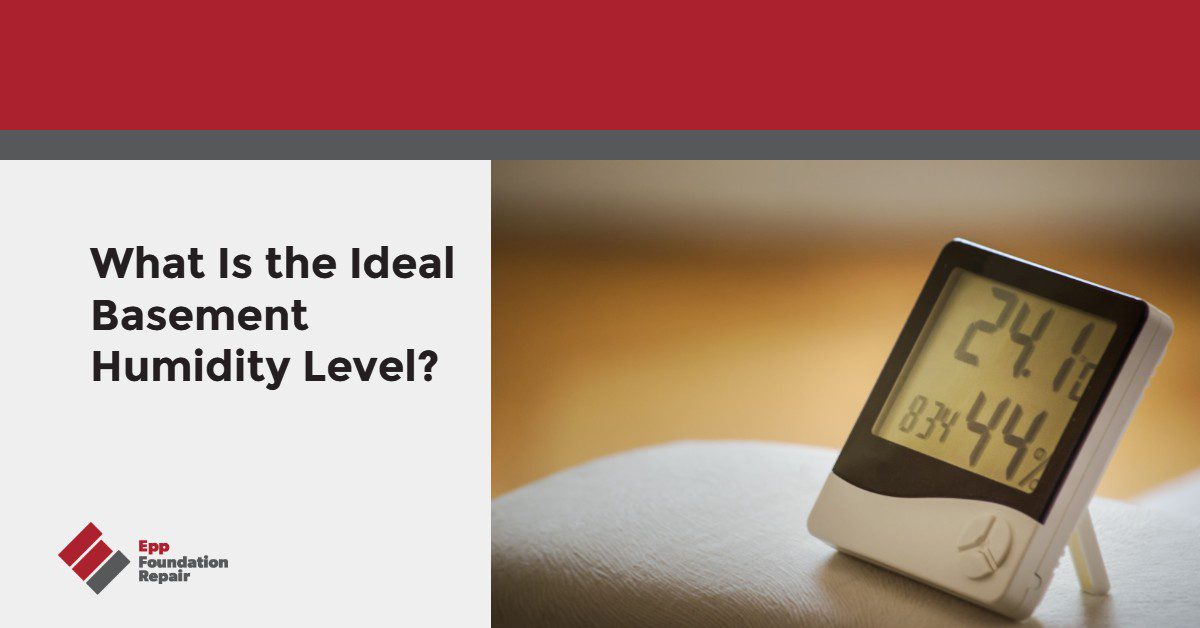
The most accurate way to determine if your basement has a humidity problem is to measure it using a hygrometer. These are inexpensive and readily available at most hardware stores or online retailers. Digital hygrometers are often more accurate and easier to read than analog models.
- Purchase a Hygrometer: Choose a reputable brand and model for accurate readings.
- Placement: Place the hygrometer in the center of the basement, away from exterior walls, windows, and sources of moisture (like a sump pump). It's best to place it about 2-4 feet off the ground for a more accurate reading.
- Record Readings: Leave the hygrometer in place for at least 24 hours to get an accurate average reading. Record the humidity level at different times of the day, especially during periods when the outdoor humidity is high.
- Interpret the Results: The ideal humidity level in a basement should be between 30% and 50%. Anything above 60% is considered high and requires attention. Readings consistently above 70% pose a serious risk of mold growth.
Understanding Relative Humidity: Remember that relative humidity is temperature-dependent. Warm air can hold more moisture than cold air. So, a humidity reading of 60% in a warm basement is more problematic than 60% in a cold basement.
Step 3: Identifying Potential Moisture Sources (Some Checks Require Basic Tools)
Once you've established that your basement has a humidity problem, the next step is to identify the source(s) of the moisture. This may require some detective work and potentially using a few basic tools.
- Check for Leaks:
- Plumbing: Inspect all visible pipes, faucets, and drains for leaks. Use a flashlight to get a good view of hard-to-reach areas. Even a small, slow leak can contribute to high humidity over time.
- Water Heater: Examine the water heater for signs of leaks or condensation.
- Washing Machine: If you have a washing machine in your basement, check the hoses and connections for leaks.
- Foundation Cracks: Carefully inspect the foundation walls for cracks, both inside and outside. Use a small putty knife to gently probe any suspicious areas. Water can seep through even hairline cracks.
- Window Wells: If you have window wells, make sure they are properly drained and free of debris.
- Gutters and Downspouts: Ensure your gutters are clean and that downspouts are directing water away from the foundation. Clogged gutters can cause water to overflow and seep into the ground around the basement walls.
- Evaluate Ventilation:
- Windows: Are the basement windows properly sealed? Are they being left open when the humidity is high?
- Air Vents: Are there adequate air vents in the basement to promote air circulation?
- Dryer Vent: Is the dryer vent properly connected and venting to the outside? A disconnected dryer vent can release significant amounts of moisture into the basement.
- Groundwater Issues:
- Sump Pump: If you have a sump pump, make sure it is functioning correctly. A malfunctioning sump pump can allow groundwater to accumulate in the basement.
- Grading: Check the grading around your house. The ground should slope away from the foundation to prevent water from pooling near the walls.
Tool Tip: A moisture meter can be a helpful tool for detecting moisture in walls and floors. These are relatively inexpensive and can help you pinpoint hidden leaks.
Step 4: DIY Solutions to Reduce Basement Humidity
Once you've identified the sources of moisture, you can take several DIY steps to reduce humidity in your basement.
- Fix Leaks: Repair any plumbing leaks promptly. Seal cracks in the foundation walls with hydraulic cement or epoxy crack filler (follow the manufacturer's instructions).
- Improve Ventilation: Open windows (when the outdoor humidity is low) to allow for air circulation. Consider installing a dehumidifier to remove excess moisture from the air. Ensure proper venting for clothes dryers.
- Control Condensation: Insulate cold water pipes to prevent condensation. Ensure proper insulation in basement walls to minimize temperature differences.
- Improve Drainage: Clean gutters and downspouts regularly. Ensure downspouts extend far enough away from the foundation to direct water away from the walls. Consider improving the grading around your house to ensure proper drainage.
- Use a Dehumidifier: A dehumidifier is often the most effective solution for controlling humidity in a basement. Choose a model that is appropriately sized for the square footage of your basement. Empty the water collection tank regularly or connect a hose to drain the water automatically. Regular cleaning of the dehumidifier's filter is also essential for optimal performance.
- Proper Ventilation: Use fans to improve air circulation, which can help reduce moisture buildup.
Choosing a Dehumidifier: Look for a dehumidifier with an automatic humidistat that allows you to set your desired humidity level. Consider a model with a pump to automatically drain the collected water if you don't want to empty the tank manually.
Step 5: Monitoring and Prevention
After implementing these solutions, continue to monitor the humidity level in your basement using a hygrometer. Make adjustments as needed to maintain the ideal humidity range of 30-50%. Regular preventative maintenance can help prevent future humidity problems.
- Regular Inspections: Conduct regular visual inspections of your basement for signs of moisture.
- Maintain Drainage: Keep gutters and downspouts clean and in good repair.
- Monitor Humidity: Continue to monitor the humidity level and adjust your dehumidifier settings as needed.
When to Call a Professional
While many basement humidity problems can be addressed with DIY solutions, there are certain situations where it's best to call a professional.
- Persistent High Humidity: If you've tried the DIY solutions and the humidity level remains consistently high, there may be a more serious underlying problem, such as a foundation issue or a hidden leak.
- Significant Mold Growth: Dealing with extensive mold growth yourself can be dangerous and ineffective. A professional mold remediation service has the expertise and equipment to safely and effectively remove mold and prevent its recurrence.
- Foundation Problems: If you suspect that your foundation is cracked or damaged, consult a structural engineer or a foundation repair specialist. Foundation problems can be complex and require professional attention.
- Complex Plumbing Issues: If you have a major plumbing leak or a complex plumbing issue, it's best to call a licensed plumber.
- HVAC System Issues: If you suspect that your HVAC system is contributing to the humidity problem, consult a qualified HVAC technician. They can assess your system's performance and recommend appropriate solutions. This might involve checking the system's refrigerant levels, ductwork for leaks, or the overall efficiency of the unit.
Professional HVAC Service: If your HVAC system isn't running efficiently or is contributing to humidity problems, a professional can diagnose and repair the issue. This could involve cleaning or replacing coils, checking refrigerant levels, or addressing ductwork leaks. Remember, improper handling of refrigerants can be harmful to the environment.
In Conclusion
Maintaining the correct humidity level in your basement is crucial for your home's overall health and comfort. By following these steps, you can diagnose and address many common basement humidity problems. Remember to prioritize safety and don't hesitate to call a professional when needed. With a little effort, you can keep your basement dry, comfortable, and free from mold and mildew, ultimately improving your home's air quality and energy efficiency.