What Is The Outside Air Conditioner Unit Called

Decoding the Mystery: What *Is* That Outdoor Air Conditioner Unit Called?
If you're on a mission to lower your energy bills and boost your home's energy efficiency, understanding your HVAC system is a crucial first step. And when it comes to your air conditioning, that bulky metal box sitting outside your house is more than just a noisy appliance. It's a key component of your cooling system, and understanding its name and function can unlock significant energy savings.
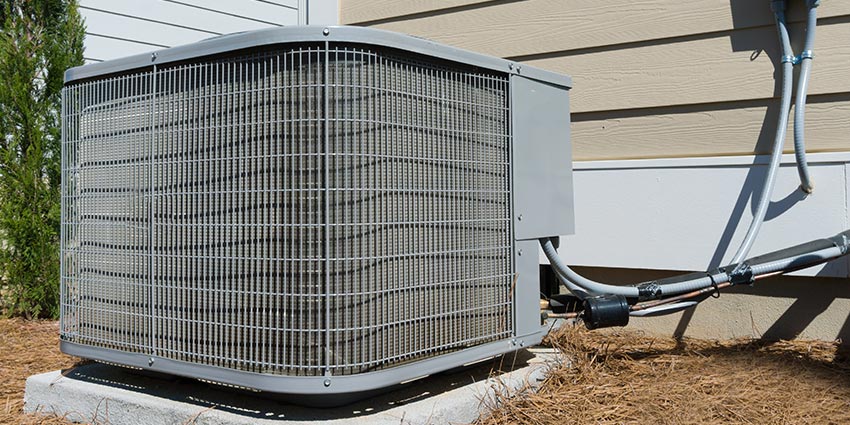
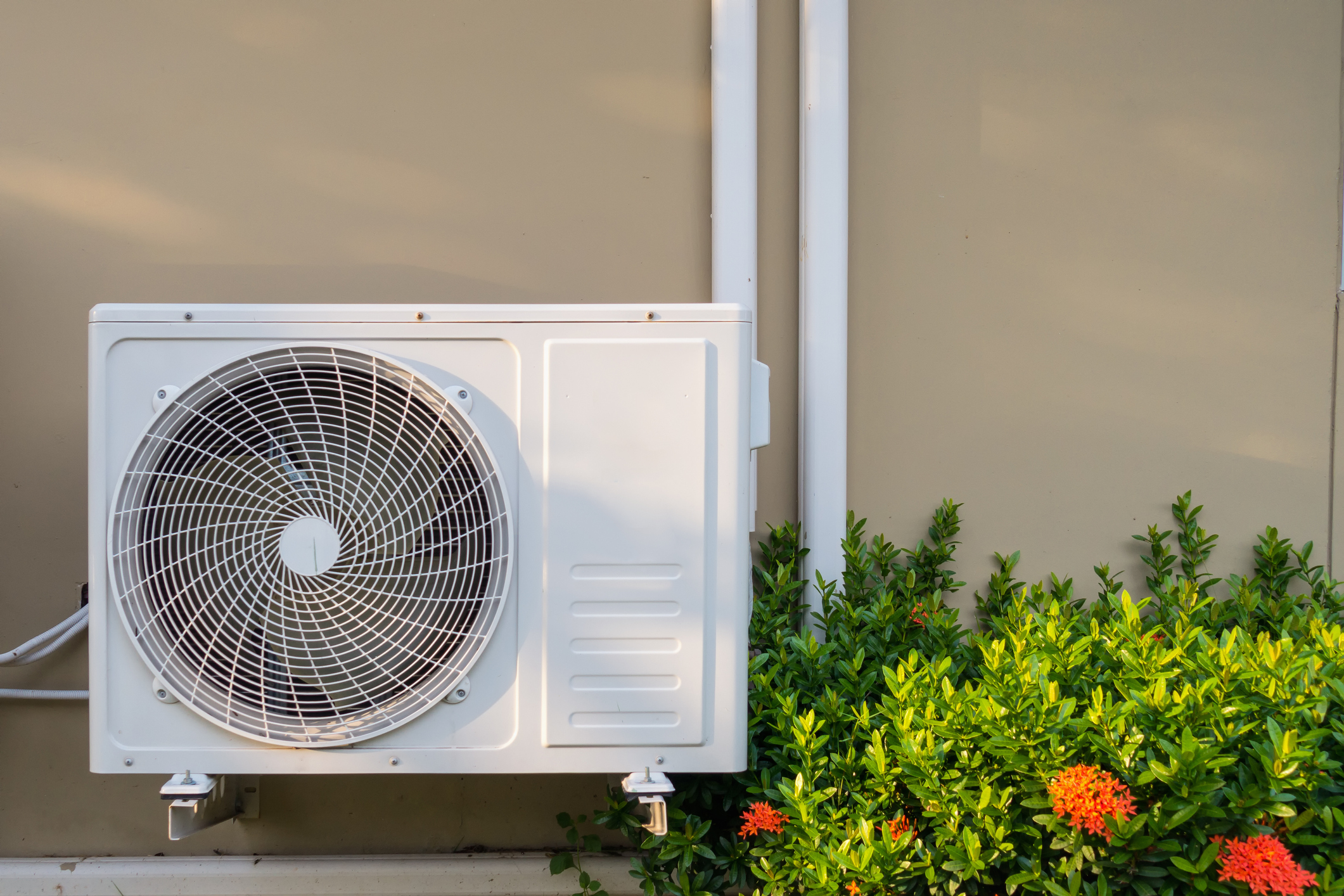
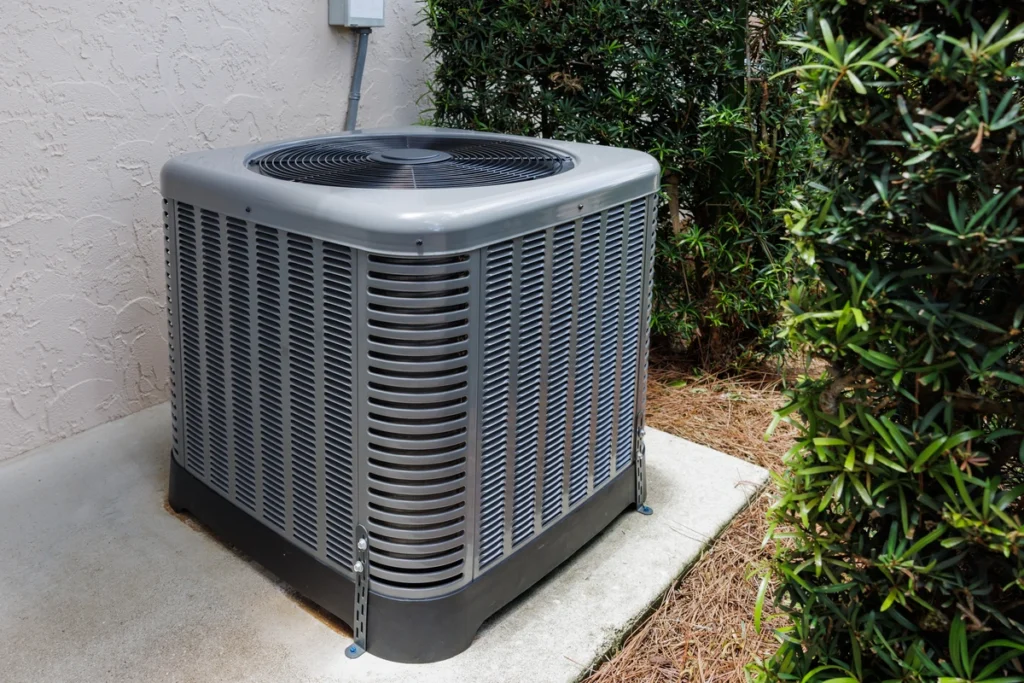
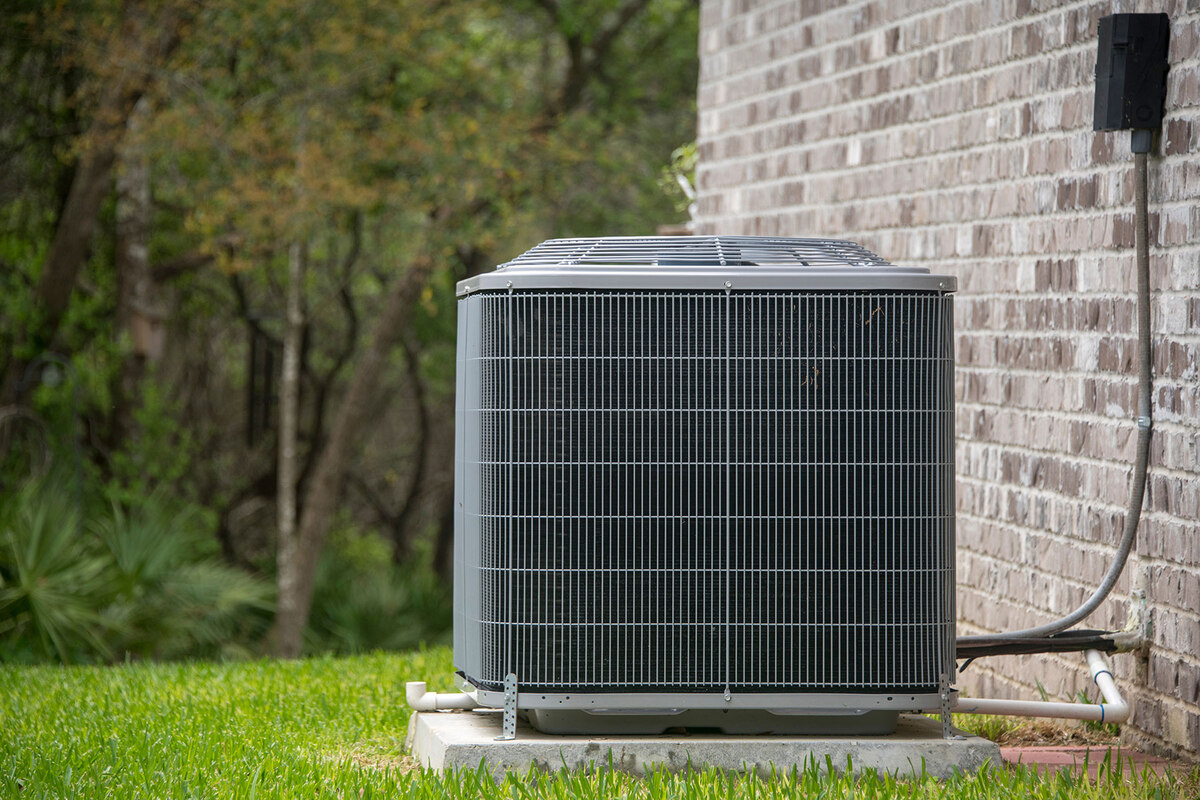
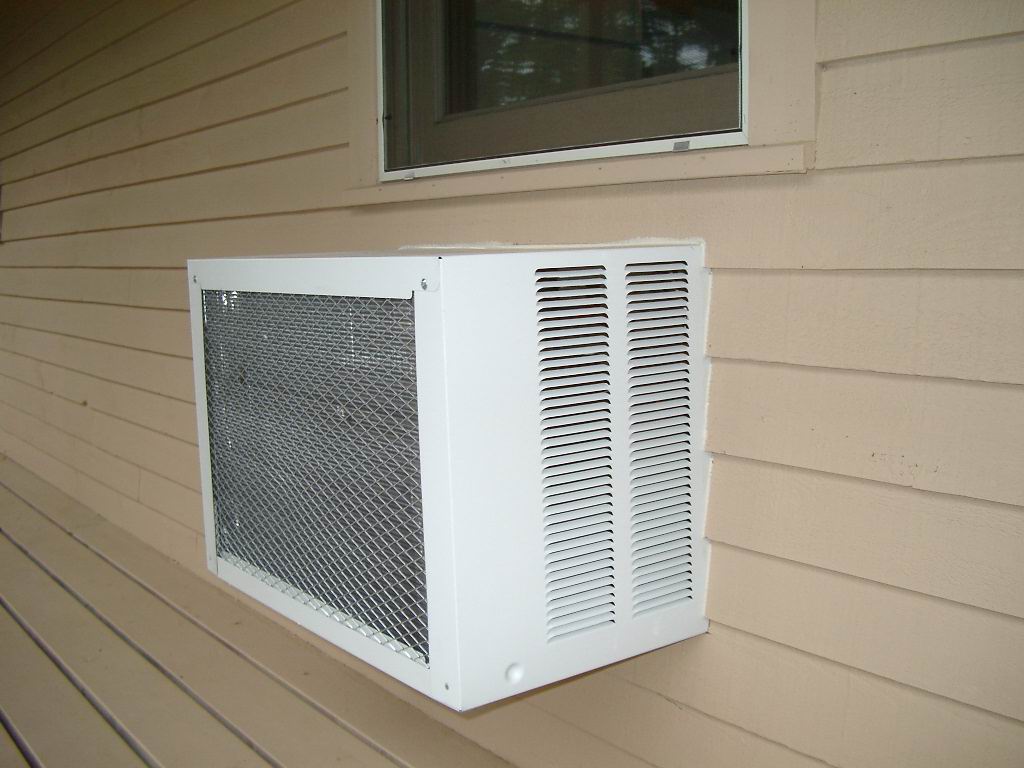
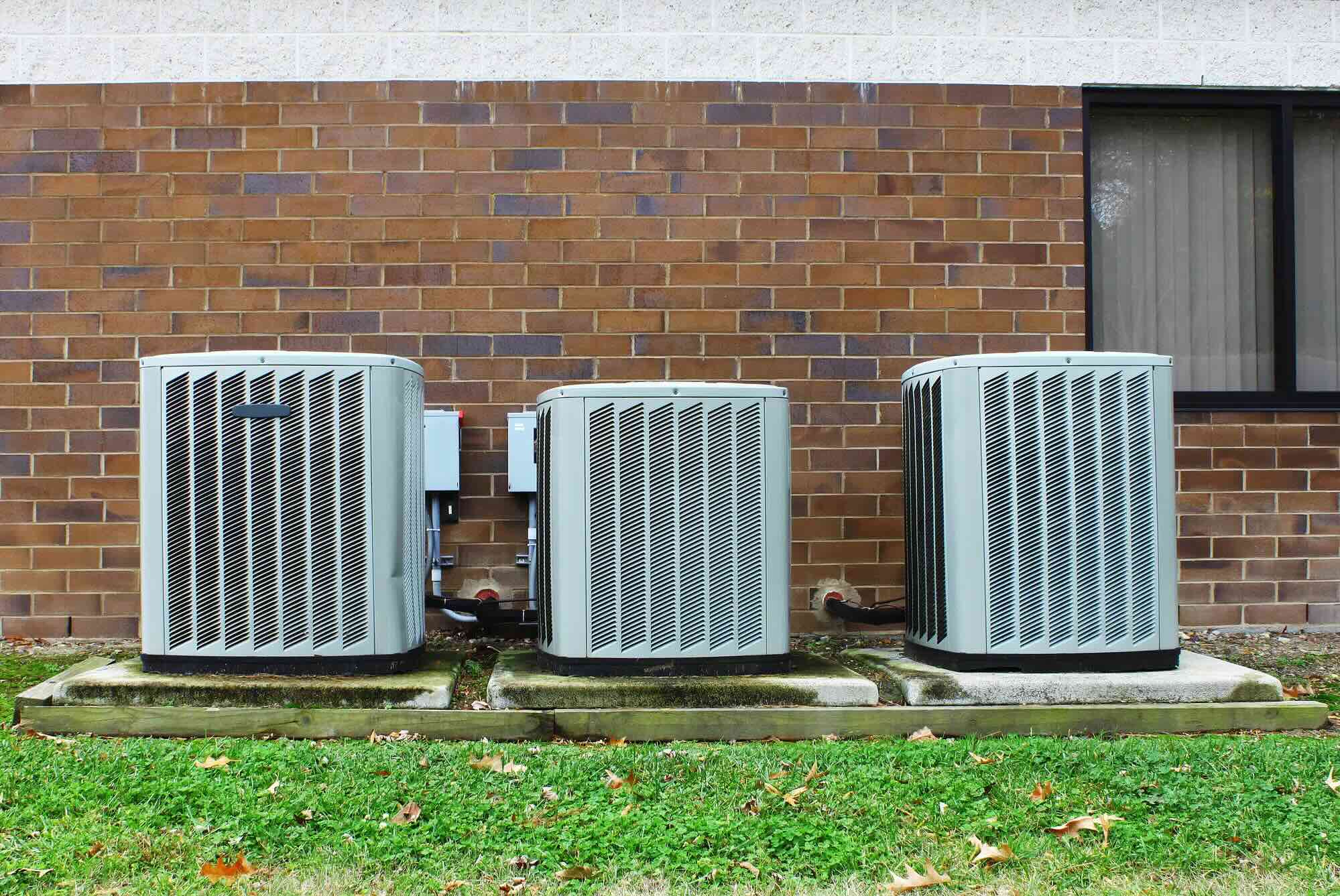
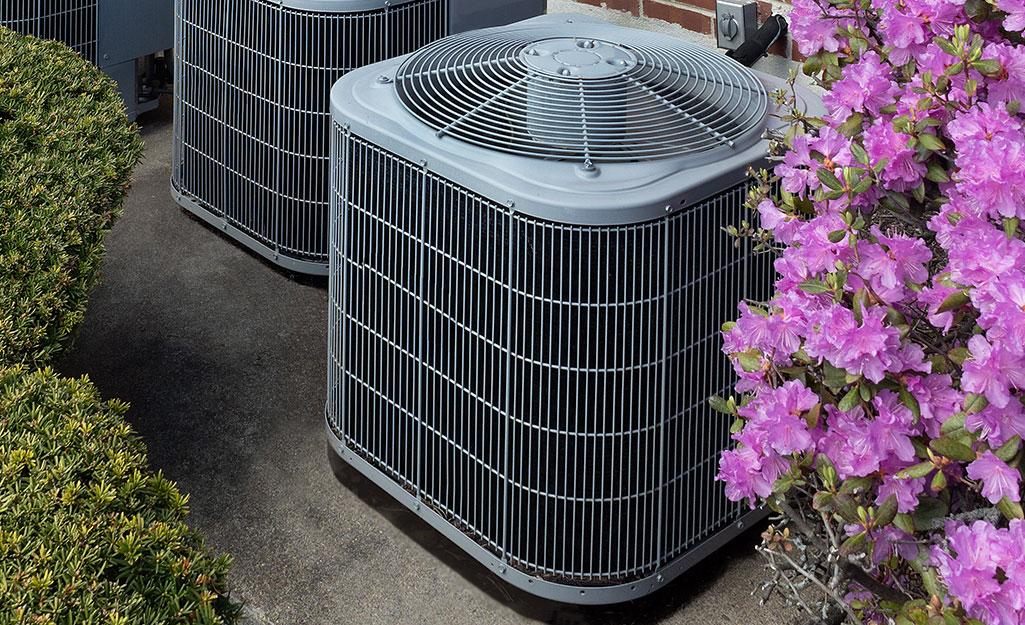
The correct term for the outside part of your air conditioner is the condenser unit. While you might also hear it referred to as the "outdoor unit," "compressor unit," or even just the "AC unit outside," condenser unit is the most accurate and technically correct term.
The Condenser Unit: A Deep Dive into Its Function
The condenser unit is the workhorse of your air conditioning system. Its primary job is to release the heat that's been absorbed from inside your home. This happens through a process involving refrigerant, a special fluid that cycles between the indoor and outdoor units.
- Refrigerant Absorption: Inside your home, the indoor unit (the evaporator coil, typically located within your furnace or air handler) absorbs heat from the air. The refrigerant transforms from a liquid to a gas in this process.
- Compression: The gaseous refrigerant then travels to the condenser unit outside, where the compressor increases its pressure and temperature.
- Heat Rejection: As the high-pressure, high-temperature refrigerant flows through the condenser coil, the fan blows air across the coil, dissipating the heat into the outside environment. The refrigerant cools down and condenses back into a liquid.
- Cycle Repeat: The liquid refrigerant then returns to the indoor unit to repeat the cycle.
Think of it this way: the indoor unit takes the heat from your home, and the outdoor condenser unit dumps it outside. This continuous cycle keeps your home cool and comfortable.
Understanding the Components of Your Condenser Unit
The condenser unit isn't just a big metal box; it's a complex piece of machinery with several key components working together:
- Compressor: The heart of the system, the compressor pumps the refrigerant and is responsible for increasing its pressure and temperature. It's also the most energy-intensive component. Newer, more efficient compressors, like scroll compressors, can significantly reduce energy consumption.
- Condenser Coil: This is a series of coiled tubes where the refrigerant releases its heat to the outside air. The efficiency of the coil is crucial for overall system performance.
- Condenser Fan: The fan blows air across the condenser coil, helping to dissipate heat. Fan motors can also be a source of energy savings; consider models with electronically commutated motors (ECMs) for improved efficiency.
- Refrigerant Lines: These insulated copper pipes carry the refrigerant between the indoor and outdoor units. Proper insulation is vital to prevent heat loss or gain, maximizing efficiency.
- Service Valves: These valves allow HVAC technicians to access the refrigerant for maintenance and repairs.
- Electrical Components: The condenser unit also houses electrical components like capacitors, contactors, and wiring, which control the operation of the compressor and fan.
Energy Efficiency and the Condenser Unit: Saving You Money
The efficiency of your condenser unit directly impacts your energy bills. A more efficient unit uses less electricity to remove the same amount of heat from your home.
SEER Rating: Your Guide to Efficiency
The most important metric for evaluating the efficiency of an air conditioner is its Seasonal Energy Efficiency Ratio (SEER). The SEER rating indicates how efficiently the unit cools your home over an entire cooling season. The higher the SEER rating, the more efficient the unit and the lower your energy bills.
The U.S. Department of Energy (DOE) sets minimum SEER requirements for air conditioners. As of 2023, the minimum SEER rating for new air conditioners in most of the U.S. is 14. In the Southeast and Southwest regions, the minimum SEER rating is 15.
Upgrading from an older, less efficient unit (e.g., SEER 10) to a modern, high-efficiency unit (e.g., SEER 18 or higher) can result in significant energy savings. According to Energy Star, replacing an old air conditioner with a certified model can save homeowners up to 20% on their cooling costs.
Investing in a High-Efficiency Condenser Unit: ROI and Rebates
While a high-efficiency condenser unit has a higher upfront cost, the long-term savings on your energy bills can quickly offset the initial investment. Calculate the Return on Investment (ROI) by comparing the cost of the new unit to the projected energy savings over its lifespan (typically 10-15 years).
Many utility companies and government agencies offer rebates and incentives for installing energy-efficient HVAC equipment. Check with your local utility and the DSIRE (Database of State Incentives for Renewables & Efficiency) website for available programs.
Smart HVAC Integration: Taking Control of Your Cooling
Integrating your air conditioning system with smart home technology can further enhance energy efficiency and comfort. Smart thermostats, sensors, and smart HVAC systems allow you to control your cooling remotely, optimize schedules, and monitor energy consumption in real-time.
- Smart Thermostats: Learn your cooling preferences and automatically adjust the temperature based on your schedule and occupancy. Many smart thermostats also offer features like geofencing (automatically adjusting the temperature when you leave or approach home) and energy usage reports.
- Smart Sensors: Monitor temperature and humidity in different rooms, allowing you to optimize cooling for specific areas of your home.
- Smart HVAC Systems: Some newer HVAC systems offer advanced features like variable-speed compressors and fans, which can precisely match cooling output to demand, maximizing efficiency and comfort.
By connecting your condenser unit to a smart home system, you can gain greater control over your cooling, reduce energy waste, and potentially save even more money on your energy bills.
Maintenance Tips for Your Condenser Unit
Proper maintenance is essential for ensuring the long-term efficiency and lifespan of your condenser unit. Neglecting maintenance can lead to reduced performance, increased energy consumption, and costly repairs.
- Regular Cleaning: Keep the condenser coil free of debris like leaves, grass clippings, and dirt. Use a garden hose to gently rinse the coil from the inside out.
- Clear Obstructions: Ensure there is ample space around the condenser unit for proper airflow. Trim any shrubs or plants that are growing too close.
- Professional Maintenance: Schedule annual maintenance with a qualified HVAC technician. They will inspect the unit, clean the coils, check refrigerant levels, and identify any potential problems.
- Filter Replacement: While the condenser unit itself doesn't have a filter, remember to regularly replace the air filter in your indoor unit (furnace or air handler). A dirty filter restricts airflow and can reduce the efficiency of the entire system.
Choosing the Right Condenser Unit: Factors to Consider
If you're replacing your condenser unit, several factors should be considered to ensure you choose the right system for your home:
- Size: The size of the unit (measured in tons or BTUs) should be properly matched to your home's cooling load. An oversized unit will cycle on and off frequently, wasting energy and reducing comfort. An undersized unit will struggle to keep your home cool on hot days. A professional HVAC contractor can perform a Manual J load calculation to determine the appropriate size.
- SEER Rating: Choose a unit with a SEER rating that meets your energy efficiency goals and budget.
- Compressor Type: Consider a unit with a scroll compressor, which is more efficient and quieter than older reciprocating compressors.
- Noise Level: Check the unit's noise rating (measured in decibels). A quieter unit will be less disruptive to your neighborhood.
- Warranty: Look for a unit with a comprehensive warranty that covers parts and labor.
- Contractor Expertise: Choose a reputable and experienced HVAC contractor to install your new condenser unit. Proper installation is crucial for optimal performance and efficiency.
Conclusion: Knowledge is Power (and Savings!)
Knowing that the outdoor unit is called a condenser unit is just the beginning. Understanding its function, components, and efficiency ratings empowers you to make informed decisions about your HVAC system, ultimately leading to lower energy bills, increased comfort, and a more sustainable home.