What Is The Pressure Of Propane In A Home
Propane, also known as liquefied petroleum gas (LPG), is a versatile and efficient fuel source for many homes and businesses. Understanding the pressure of propane within your home's system is crucial for safety, optimal performance, and ultimately, lower energy costs. This article dives into the factors affecting propane pressure, how to monitor it, and the benefits of maintaining a properly regulated system.
Understanding Propane Pressure: The Basics
Unlike natural gas which is delivered at relatively consistent low pressure, propane is stored and transported as a liquid under pressure. When released for use in appliances like furnaces, water heaters, and stoves, it vaporizes and is regulated to a lower pressure suitable for combustion. The pressure within your propane system isn't a static number; it fluctuates based on several factors, primarily temperature and usage.
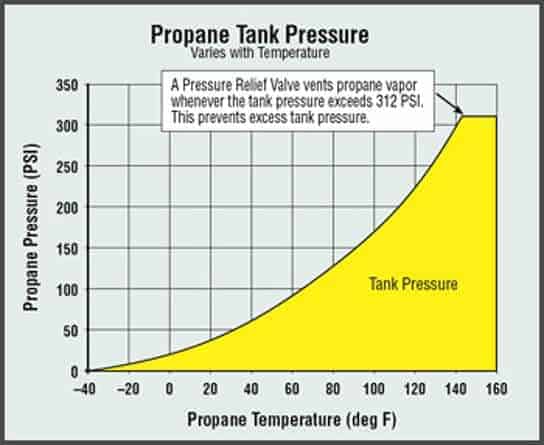
The pressure inside a propane tank is directly related to its temperature. Warmer temperatures cause the propane to vaporize more readily, increasing the pressure inside the tank. Conversely, colder temperatures reduce vaporization and lower the pressure. This is why you might notice a difference in appliance performance during different seasons.
Typical Pressure Levels in Residential Systems
Residential propane systems typically operate in two stages of pressure reduction:
- Tank Pressure: The pressure inside the propane tank itself can vary widely, from around 30 PSI (pounds per square inch) in warmer weather to over 200 PSI in colder climates.
- Regulated Pressure: After leaving the tank, propane passes through one or more regulators that reduce the pressure to a much lower level suitable for appliances. This regulated pressure is typically around 11 inches of water column (WC) for most residential appliances, which is equivalent to approximately 0.4 PSI. Some appliances may require different pressures, so always consult the manufacturer's specifications.
Maintaining the correct regulated pressure is vital. Too high, and appliances can malfunction or even become dangerous. Too low, and appliances may not function efficiently, leading to incomplete combustion and higher energy bills. Regular inspection and maintenance by a qualified HVAC technician are essential for ensuring proper pressure regulation.
Factors Influencing Propane Pressure in Your Home
Several factors can impact propane pressure within your home's system, leading to performance issues and potentially higher energy costs. Understanding these factors is the first step in optimizing your system and saving money.
Temperature Fluctuations
As mentioned earlier, temperature plays a significant role. Colder temperatures reduce propane vaporization, potentially leading to lower pressure at the appliance. This can be particularly noticeable during peak heating season when propane usage is high.
Tank Level
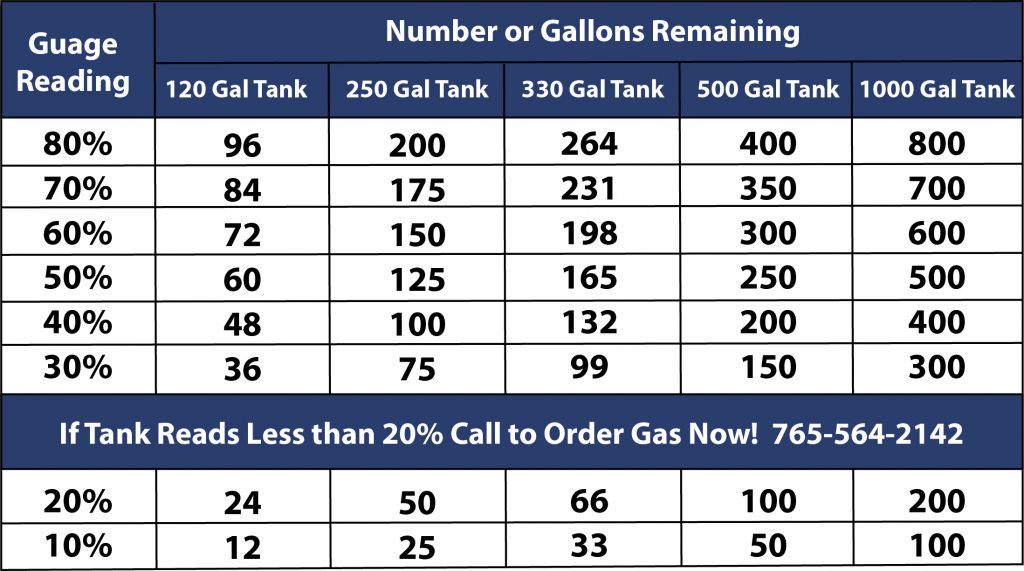
While the pressure in the tank doesn't drastically change as the level decreases, a nearly empty tank can experience issues. The remaining propane has less surface area to vaporize, especially in cold weather. This can lead to pressure drops and appliance malfunctions. Many propane suppliers offer automatic delivery services to ensure you never run too low.
Regulator Malfunctions
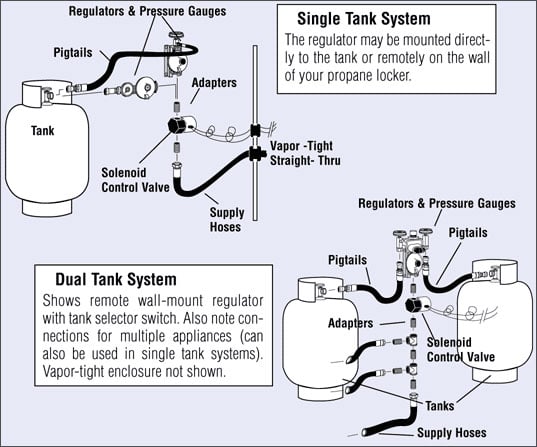
The propane regulator is a critical component that reduces the high pressure from the tank to a safe and usable level for your appliances. A malfunctioning regulator can cause pressure to be too high or too low, both of which can be dangerous and inefficient. Signs of a faulty regulator include fluctuating appliance flames, unusual odors, and appliance shutdowns.
Line Blockages and Leaks
Blockages in the propane lines, such as debris or kinks, can restrict flow and reduce pressure at the appliance. Similarly, propane leaks, even small ones, can significantly lower the overall system pressure and create a safety hazard. It is crucial to have your propane system professionally inspected for leaks regularly.
Appliance Demand
The simultaneous use of multiple propane appliances can strain the system, especially if the regulator or supply lines are undersized. This is particularly true in larger homes with multiple propane-fueled appliances. Consider upgrading your regulator and supply lines if you frequently experience pressure drops when using multiple appliances at the same time.
Monitoring Propane Pressure and Ensuring Safety
While you don't need to constantly monitor the pressure gauge on your propane tank (if equipped), understanding how to recognize potential issues and prioritizing safety are essential. Here's how to keep an eye on your propane system:
Recognizing Warning Signs
Pay attention to any unusual behavior from your propane appliances. Flickering flames, pilot lights that frequently go out, or a yellow or orange flame instead of a blue one can indicate pressure problems or incomplete combustion. Unusual odors, especially a rotten egg smell (which is added to propane as a safety measure), should be taken seriously and reported immediately to your propane supplier or fire department.
Regular Professional Inspections
Schedule regular inspections with a qualified HVAC technician or propane specialist. These professionals can check the regulator, lines, and appliances for leaks, corrosion, and proper functioning. They can also assess the overall system and recommend upgrades or repairs to improve efficiency and safety. The National Fire Protection Association (NFPA) recommends regular inspections for propane systems.
Installing a Propane Leak Detector
Consider installing a propane leak detector, similar to a carbon monoxide detector. These devices can detect even small leaks and provide an early warning of a potential hazard. Smart leak detectors can even send alerts to your smartphone, allowing you to take action even when you're away from home.
Smart Home Integration for Enhanced Monitoring
Smart home technology offers new ways to monitor your propane system and optimize energy usage. Consider investing in smart thermostats and sensors that can provide real-time data on temperature, propane consumption, and even potential leaks.
- Smart Thermostats: These thermostats learn your heating and cooling patterns and adjust automatically to save energy. Many smart thermostats also offer remote control and energy usage reports. Look for Energy Star certified models to maximize energy savings.
- Propane Tank Monitors: These devices attach to your propane tank and provide real-time information on the tank level, allowing you to schedule refills proactively and avoid running out of propane. Some monitors even integrate with smart home systems and automatically order refills when the tank reaches a certain level.
- Leak Detection Sensors: As mentioned earlier, smart leak detectors can provide early warnings of propane leaks and send alerts to your smartphone. Some models can even shut off the propane supply automatically in the event of a leak.
Optimizing Propane Usage for Energy Savings
Beyond maintaining proper pressure, several strategies can help you optimize propane usage and reduce your energy bills.
Upgrade to Energy-Efficient Appliances
Replacing older, inefficient appliances with newer, Energy Star certified models can significantly reduce propane consumption. Look for high-efficiency furnaces, water heaters, and stoves that are designed to use less fuel and deliver better performance. The upfront cost of these appliances may be higher, but the long-term energy savings can quickly offset the initial investment.
Improve Insulation and Weatherization
Proper insulation and weatherization can significantly reduce heat loss and lower your heating bills. Seal air leaks around windows, doors, and other openings to prevent drafts. Add insulation to your attic, walls, and floors to keep your home warmer in the winter and cooler in the summer. According to the U.S. Department of Energy, proper insulation can save homeowners up to 15% on their energy bills.
Regular Maintenance and Tune-Ups
Schedule regular maintenance and tune-ups for your propane appliances. A qualified technician can clean and adjust the burners, check the venting system, and ensure that the appliances are operating efficiently. Regular maintenance can also help prevent breakdowns and extend the lifespan of your appliances.
Take Advantage of Rebates and Incentives
Many utility companies, state governments, and federal agencies offer rebates and incentives for upgrading to energy-efficient appliances and making other energy-saving improvements. Check with your local utility company and the Energy Star website to see what rebates are available in your area. These incentives can help you offset the cost of upgrades and accelerate your return on investment.
The ROI of a Well-Maintained Propane System
Investing in a well-maintained and optimized propane system offers a significant return on investment (ROI) in several ways:
- Lower Energy Bills: By ensuring proper pressure, upgrading to efficient appliances, and improving insulation, you can significantly reduce your propane consumption and lower your energy bills.
- Improved Appliance Performance: A properly regulated system ensures that your appliances operate at their optimal efficiency, delivering consistent performance and preventing breakdowns.
- Increased Safety: Regular inspections and maintenance can help identify and address potential safety hazards, such as leaks and faulty regulators, protecting your family and property.
- Extended Appliance Lifespan: Proper maintenance can extend the lifespan of your appliances, reducing the need for costly replacements.
- Increased Home Value: Energy-efficient upgrades can increase the value of your home, making it more attractive to potential buyers.
In conclusion, understanding and managing propane pressure in your home is crucial for safety, efficiency, and cost savings. By taking proactive steps to monitor your system, maintain your appliances, and optimize your energy usage, you can enjoy the benefits of propane while minimizing your environmental impact and maximizing your ROI. Contact a qualified HVAC professional or propane specialist to schedule an inspection and discuss the best strategies for optimizing your propane system.