What Is The Seer Rating On An Air Conditioner

The Seasonal Energy Efficiency Ratio, or SEER rating, is a crucial metric when it comes to understanding the energy efficiency of your air conditioner. In simple terms, it tells you how much cooling you get for each unit of energy (electricity) you use. Think of it as the MPG (miles per gallon) for your car, but for your AC. A higher SEER rating translates to lower energy bills and a smaller carbon footprint. This article will break down everything you need to know about SEER ratings, from understanding the numbers to choosing the right unit for your home or business.
Decoding the SEER Rating: What Does It Really Mean?
The SEER rating is calculated by dividing the total cooling output of an AC unit (measured in British thermal units, or BTUs) during a typical cooling season by the total electrical energy input (measured in watt-hours) during the same period. For example, an AC unit with a SEER rating of 16 will provide 16 BTUs of cooling for every watt-hour of electricity it consumes. Let's break this down further:
- BTU (British Thermal Unit): A standard unit of heat, representing the amount of energy needed to raise the temperature of one pound of water by one degree Fahrenheit.
- Watt-hour: A unit of energy, equivalent to one watt of power sustained for one hour.
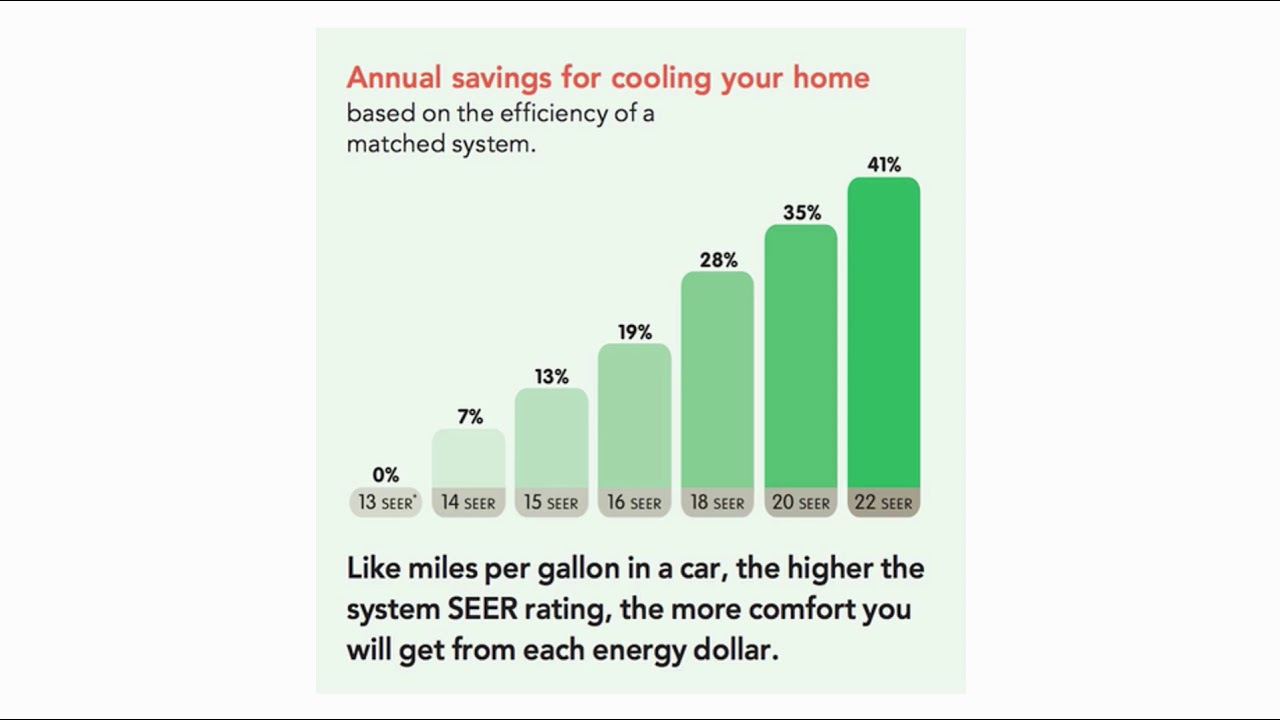
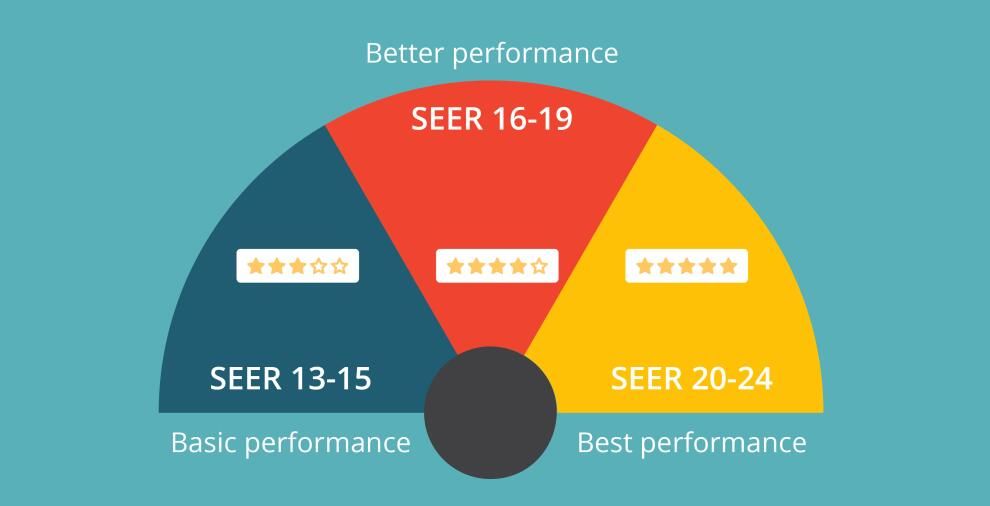
The higher the SEER rating, the more efficient the air conditioner. This efficiency translates directly into lower electricity bills, reduced energy consumption, and a smaller environmental impact. It's important to note that the SEER rating is a seasonal metric, meaning it reflects the AC's performance over an entire cooling season, taking into account varying temperatures and humidity levels.
Prior to 2023, the minimum SEER rating for air conditioners sold in the United States was 13 in the northern states and 14 in the southern states. However, new regulations went into effect on January 1, 2023, raising the minimum SEER rating to 14 SEER in the northern states and 15 SEER in the southern states. These regulations are part of the U.S. Department of Energy's ongoing efforts to improve energy efficiency and reduce carbon emissions.
SEER Ratings and Energy Savings: Quantifying the ROI
Investing in a high-SEER air conditioner can result in significant energy savings over the lifespan of the unit. To illustrate this, let's compare two scenarios: an older AC unit with a SEER rating of 10 and a newer, more efficient unit with a SEER rating of 18.
Assume your current AC unit consumes 2000 watts of electricity per hour of operation. If you run the unit for 8 hours per day during the cooling season (approximately 120 days), your total energy consumption would be:
2000 watts x 8 hours/day x 120 days = 1,920,000 watt-hours = 1,920 kilowatt-hours (kWh)
If the average cost of electricity is $0.15 per kWh, your total cooling cost for the season would be:
1,920 kWh x $0.15/kWh = $288
Now, let's calculate the energy consumption of the newer, higher-SEER unit. Since the SEER rating is directly proportional to efficiency, the higher-SEER unit will consume less energy to provide the same amount of cooling. In this scenario, upgrading from a SEER 10 to a SEER 18 unit will reduce your energy consumption by approximately 44%. Therefore, the new unit will consume 1,075 kWh per season and cost approximately $161.25
Difference of $126.75 annually!
The exact savings will vary depending on your location, climate, energy rates, and usage patterns, but this example clearly demonstrates the potential for significant cost savings with a higher-SEER air conditioner. Over the lifespan of the unit (typically 10-15 years), these savings can add up to thousands of dollars.
Navigating SEER Ratings: Choosing the Right Unit for Your Needs
Selecting the appropriate SEER rating for your air conditioner depends on several factors, including your geographic location, climate, budget, and energy consumption habits. Here's a breakdown of key considerations:
- Climate: As mentioned earlier, the U.S. Department of Energy has different minimum SEER requirements for northern and southern states. In warmer climates, where air conditioning is used more frequently, a higher SEER rating is generally recommended to maximize energy savings.
- Budget: Higher-SEER air conditioners typically have a higher upfront cost than lower-SEER models. However, the long-term energy savings can offset this initial investment. It's important to consider the total cost of ownership, including purchase price, installation costs, and ongoing energy expenses.
- Home Size and Insulation: The size of your home and the quality of its insulation will also influence the appropriate SEER rating. A larger home or a poorly insulated home will require a more powerful air conditioner, and a higher SEER rating can help offset the increased energy consumption.
- Rebates and Incentives: Many utility companies and government agencies offer rebates and incentives for installing energy-efficient air conditioners. These programs can significantly reduce the upfront cost of a high-SEER unit. Check with your local utility company and the Energy Star website (www.energystar.gov) to see what rebates and incentives are available in your area.
Beyond SEER: Exploring Other Efficiency Factors
While the SEER rating is a primary indicator of energy efficiency, it's not the only factor to consider when choosing an air conditioner. Other important metrics include:
- EER (Energy Efficiency Ratio): EER measures the cooling efficiency of an AC unit at a specific operating point, typically at 95°F. While SEER considers seasonal variations, EER provides a snapshot of performance under peak cooling conditions.
- HSPF (Heating Seasonal Performance Factor): If you're considering a heat pump, the HSPF rating measures its heating efficiency. A higher HSPF rating indicates greater energy savings during the heating season.
- Smart Thermostats and Zoning: Integrating your air conditioner with a smart thermostat and zoning system can further enhance energy efficiency. Smart thermostats allow you to program temperature settings based on your schedule and preferences, while zoning systems allow you to control the temperature in different areas of your home independently.
Smart HVAC Integration: Maximizing Efficiency and Comfort
The rise of smart home technology has revolutionized the way we control and manage our HVAC systems. Smart thermostats, sensors, and connected AC units offer a range of features that can optimize energy efficiency and improve comfort:
- Remote Control: Adjust your thermostat from anywhere using your smartphone or tablet.
- Learning Capabilities: Smart thermostats learn your temperature preferences and automatically adjust settings to maximize energy savings.
- Geofencing: Set your thermostat to automatically adjust the temperature when you leave or return home.
- Zoning Control: Control the temperature in different zones of your home based on occupancy and usage patterns.
- Energy Monitoring: Track your energy consumption and identify areas where you can save even more.
By integrating your air conditioner with a smart home ecosystem, you can create a more comfortable and energy-efficient living environment. These systems often offer integration with other smart devices like window sensors, that trigger the AC unit to shut down, preventing wasted energy.
The Contractor's Perspective: Selling and Installing High-Efficiency Systems
For HVAC contractors, understanding SEER ratings is crucial for selling and installing energy-efficient systems. Here are some key considerations:
- Educate Customers: Clearly explain the benefits of high-SEER air conditioners, including energy savings, reduced carbon footprint, and potential rebates.
- Offer a Range of Options: Provide customers with a variety of air conditioner models with different SEER ratings to meet their specific needs and budget.
- Accurate Sizing: Properly size the air conditioner to ensure optimal performance and efficiency. An oversized unit will cycle on and off too frequently, wasting energy and reducing comfort.
- Proper Installation: Ensure that the air conditioner is installed correctly, including proper sealing of ductwork and insulation. Poor installation can significantly reduce efficiency.
- Highlight Rebates and Incentives: Inform customers about available rebates and incentives to help them offset the upfront cost of a high-efficiency system.
The Future of SEER Ratings: What's Next?
As technology continues to advance, we can expect to see even more efficient air conditioners with even higher SEER ratings. The U.S. Department of Energy is constantly evaluating and updating efficiency standards to promote energy conservation and reduce carbon emissions. Future regulations may require even higher minimum SEER ratings, pushing manufacturers to develop more innovative and efficient cooling technologies. Consumers can stay informed about the latest developments by regularly checking the Energy Star website and consulting with qualified HVAC professionals.
In conclusion, understanding the SEER rating is essential for making informed decisions about your air conditioning system. By choosing a high-SEER unit and integrating it with smart home technology, you can significantly reduce your energy bills, minimize your environmental impact, and enjoy a more comfortable living environment. Whether you're a homeowner looking to save money, a business upgrading to eco-friendly systems, or an HVAC contractor selling energy-efficient solutions, the SEER rating is a powerful tool for achieving your goals.