What Is Total Harmonic Distortion In Generators
Generators are lifesavers during power outages, keeping your essential appliances, including your HVAC system, running. However, using a generator improperly can lead to problems, including damage to your sensitive electronics. One crucial factor to consider is Total Harmonic Distortion (THD). Let's explore what THD is, why it matters for your generator and HVAC system, and how to manage it.
Understanding Total Harmonic Distortion (THD)
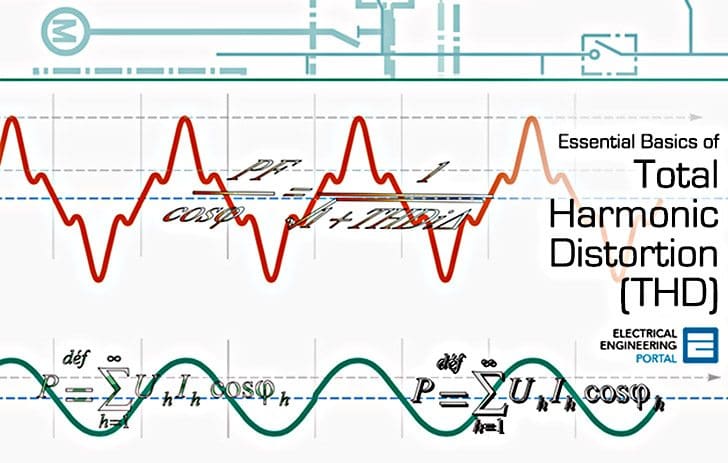
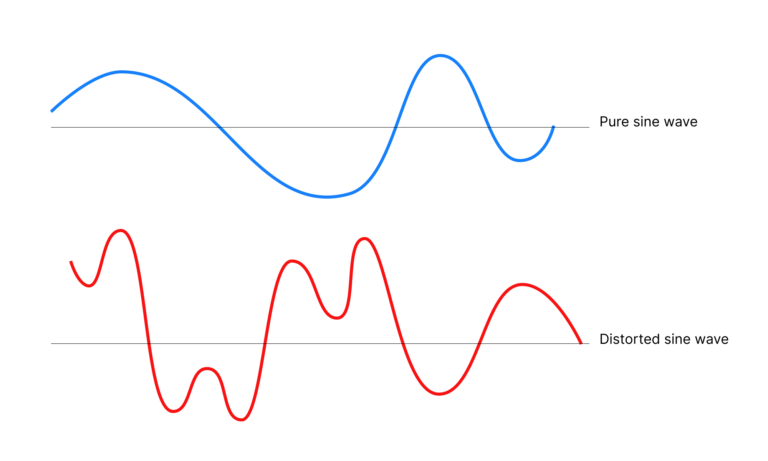
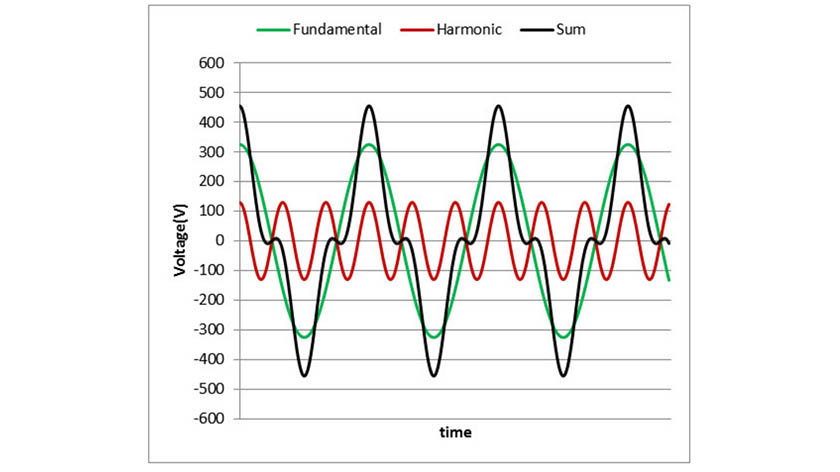
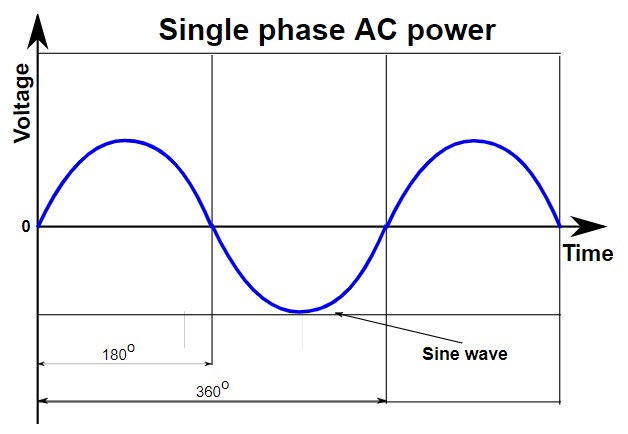
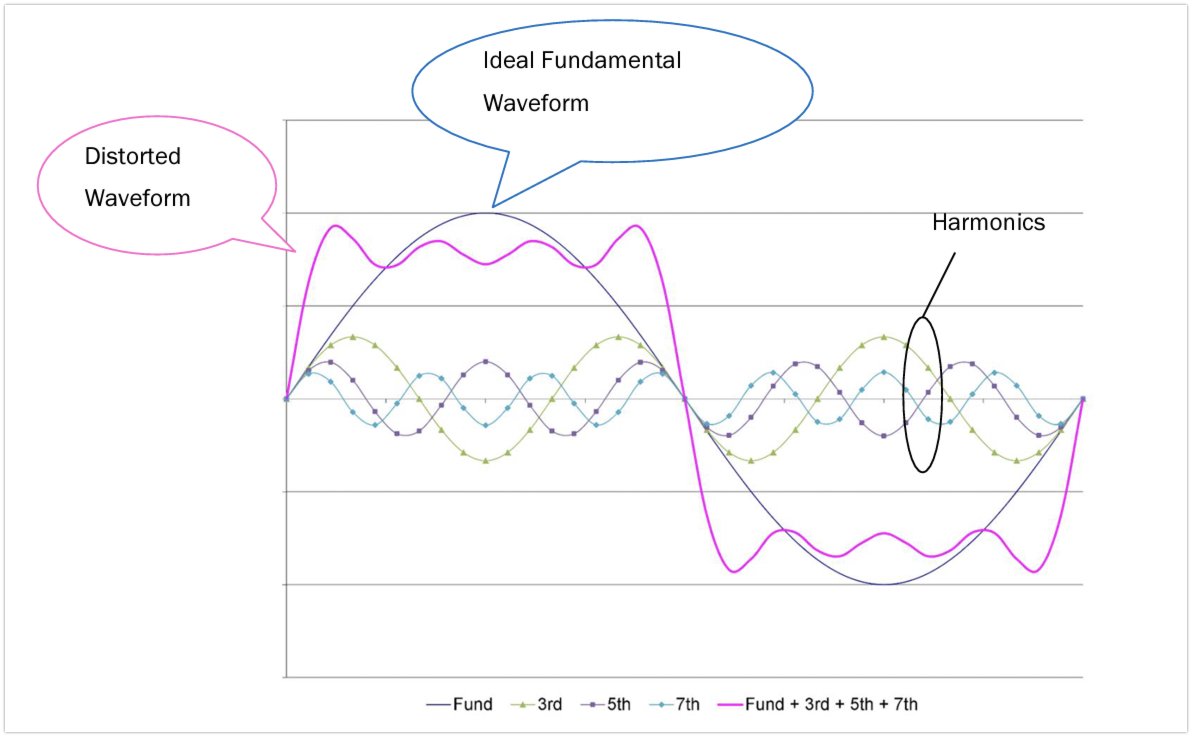
Think of electricity as a smooth, clean wave. That's ideally what comes from your utility company. THD is a measure of how much that wave is distorted. These distortions, called harmonics, are extra frequencies added to the main 60 Hz (in North America) or 50 Hz (in Europe) frequency. These harmonics aren't just unwanted noise; they can cause real problems for electronic equipment.
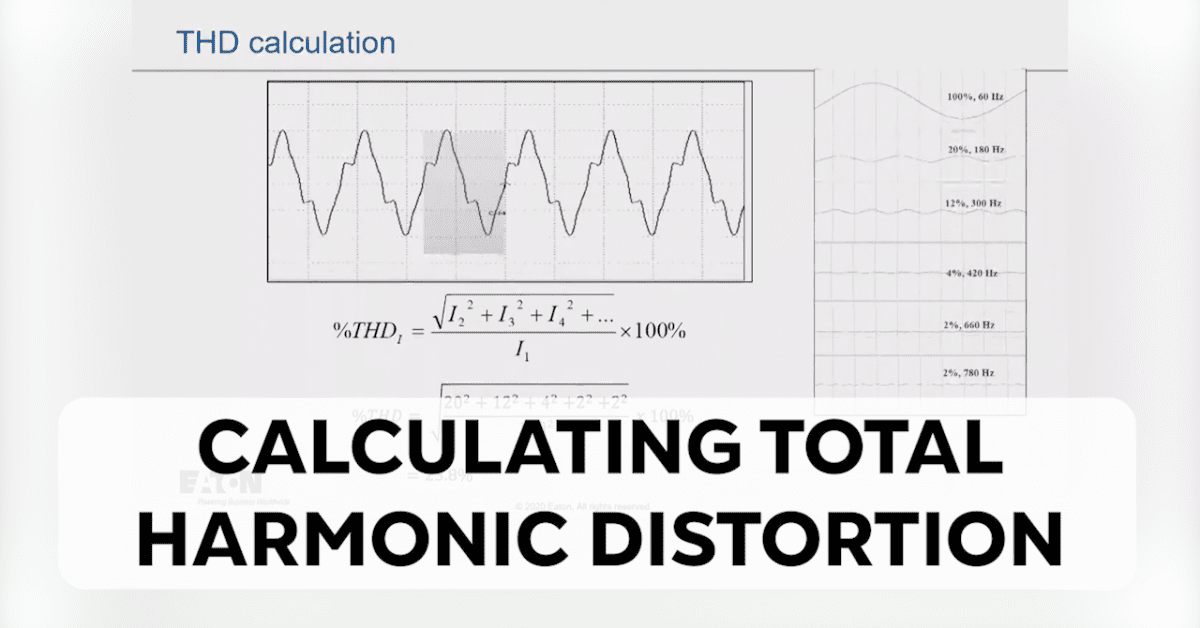
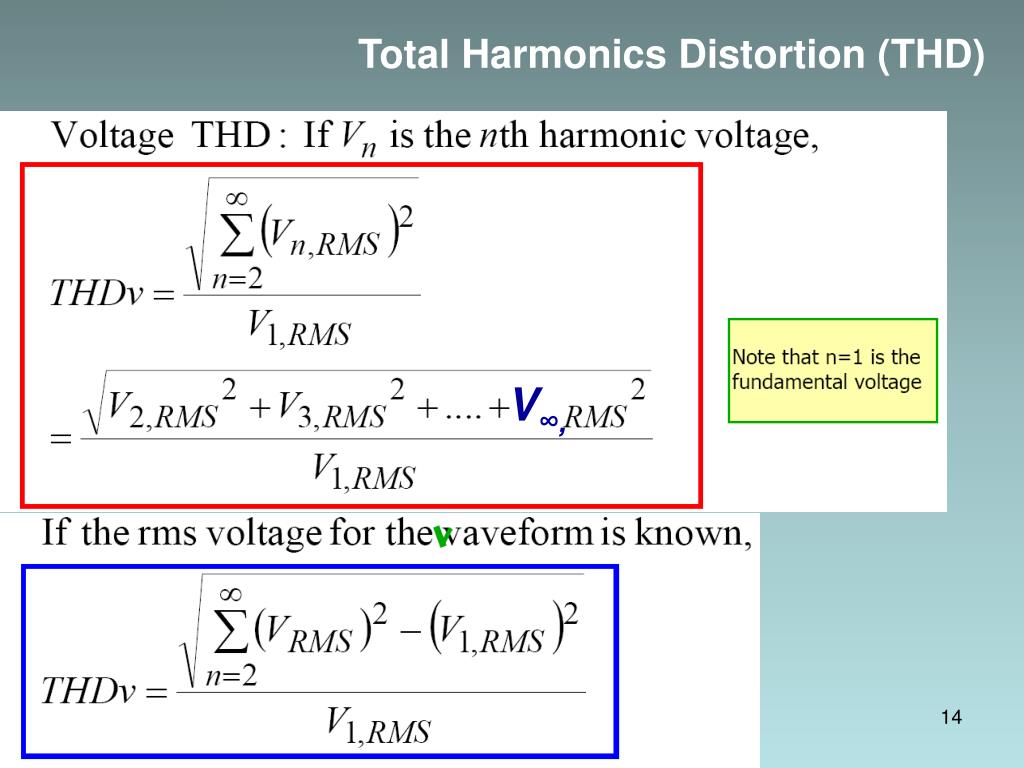
Technically, THD is expressed as a percentage. It represents the ratio of the sum of the amplitudes of all harmonic components to the amplitude of the fundamental frequency. A lower THD percentage indicates a cleaner, more stable power supply, while a higher percentage means more distortion.
Why is THD Important?
High THD can cause a range of issues:
- Overheating: Harmonics generate extra heat in electrical components like motors, transformers, and wiring.
- Equipment Malfunction: Sensitive electronics, like those found in modern HVAC systems, can malfunction or fail prematurely due to distorted power. This includes circuit boards, variable frequency drives (VFDs), and programmable thermostats.
- Reduced Efficiency: Harmonics reduce the efficiency of motors and other electrical equipment, causing them to draw more power than necessary.
- Increased Noise: Harmonics can create audible noise in equipment and electrical systems.
THD and Your HVAC System
Modern HVAC systems are increasingly reliant on sensitive electronic components. Variable-speed motors, sophisticated control boards, and digital thermostats are all vulnerable to the effects of high THD. Running your HVAC system on a generator with high THD can lead to:
- Control Board Failure: The delicate electronics on the control board are particularly susceptible to damage from harmonic distortion.
- VFD Issues: Variable Frequency Drives (VFDs) are used to control the speed of motors, offering improved efficiency. High THD can cause VFDs to malfunction, leading to inconsistent airflow or complete failure.
- Compressor Problems: While more robust, even the compressor motor can suffer from overheating and reduced lifespan if exposed to high THD for extended periods.
- Thermostat Problems: Digital thermostats rely on clean power. High THD can cause them to display incorrect readings, lose settings, or fail entirely.
Identifying Potential THD Problems
While specialized equipment is needed to measure THD precisely, here are some signs that your generator might be producing excessively distorted power:
- Equipment runs hotter than usual: Motors, transformers, or even wiring might feel unusually warm.
- Strange noises: Buzzing or humming sounds from your HVAC equipment or electrical panels can indicate harmonic issues.
- Erratic equipment behavior: Your HVAC system might cycle on and off erratically, or the thermostat might display incorrect readings.
- Premature equipment failure: If your HVAC components are failing more frequently than expected, high THD could be a contributing factor.
Generator Types and THD
The type of generator you use significantly impacts the amount of THD it produces. Here's a breakdown:
- Conventional Generators: These are generally the least expensive but tend to produce higher THD levels, often above 5%. This can be problematic for sensitive electronics.
- Inverter Generators: These generators use an inverter to produce a cleaner, more stable power supply with significantly lower THD, typically below 3% and often below 1%. They are ideal for powering sensitive electronics.
- Digital Generators: Similar to inverter generators, digital generators offer precise voltage and frequency control, resulting in low THD.
Choosing the Right Generator for Your HVAC System
To protect your HVAC system and other sensitive electronics, it's crucial to choose a generator with low THD. Here's what to consider:
- Inverter Generator: An inverter generator is the safest option for powering sensitive electronics, including HVAC systems with electronic controls.
- THD Specification: Always check the generator's THD specification. Look for models with THD below 5%, and ideally below 3%, for optimal protection.
- Power Needs: Calculate the starting and running wattage requirements of your HVAC system and other essential appliances. Choose a generator that provides sufficient power without being significantly oversized, as this can reduce efficiency.
Managing THD: Solutions and Best Practices
If you suspect your generator is producing high THD, here are some steps you can take:
- Use an Inverter Generator: If you're using a conventional generator, consider upgrading to an inverter generator.
- Install a Line Conditioner: A line conditioner can filter out harmonics and provide a cleaner power supply to your sensitive electronics.
- Use a Surge Protector with Harmonic Filtering: Some surge protectors offer built-in harmonic filtering to mitigate the effects of THD.
- Proper Grounding: Ensure your generator and electrical system are properly grounded to minimize electrical noise and improve power quality.
- Limit Non-Linear Loads: Non-linear loads, such as electronic devices with switching power supplies, can contribute to THD. Minimize the number of these devices operating on the generator simultaneously.
- Professional Inspection: Have a qualified electrician inspect your generator and electrical system to identify and address any potential THD issues. They can use specialized equipment to measure THD and recommend appropriate solutions.
Tools and Parts
Here is a list of tools and parts you might need:
- Digital Multimeter
- Inverter Generator
- Line Conditioner
- Surge Protector with Harmonic Filtering
- Grounding Rod and Wire
- Appropriate Extension Cords (heavy-duty)
Safety First!
Working with electricity can be dangerous. Always follow these safety precautions:
- Disconnect Power: Before working on any electrical equipment, always disconnect the power supply.
- Use Insulated Tools: Use tools with insulated handles to prevent electric shock.
- Wear Safety Gear: Wear safety glasses and gloves to protect yourself from injury.
- Never Work in Wet Conditions: Avoid working with electricity in wet or damp environments.
- When in Doubt, Call a Pro: If you're not comfortable working with electricity, call a qualified electrician or HVAC technician.
Cost Estimates
The cost of addressing THD issues can vary depending on the severity of the problem and the solutions required. Here are some rough estimates:
- Inverter Generator: $500 - $2000+ (depending on wattage)
- Line Conditioner: $100 - $500+
- Surge Protector with Harmonic Filtering: $50 - $200+
- Professional Electrical Inspection: $100 - $300+
These are just estimates, and the actual costs may vary depending on your location and the specific services required.
When to Call a Professional
While some THD mitigation steps can be taken by homeowners, certain situations require professional assistance. Call a qualified electrician or HVAC technician if:
- You're unsure how to properly ground your generator or electrical system.
- You suspect a serious electrical problem, such as overheating wires or sparking.
- You're not comfortable working with electricity.
- You need to measure THD levels accurately.
- Your HVAC system is experiencing frequent or unexplained failures.
By understanding THD and its potential impact on your HVAC system, you can take steps to protect your investment and ensure reliable power during outages. Choosing the right generator and implementing appropriate mitigation strategies can help you avoid costly repairs and keep your home comfortable.