What Is Uv Light Used For
Understanding UV Light Applications in HVAC Systems: A Comprehensive Guide
Ultraviolet (UV) light technology has become an increasingly vital component in modern Heating, Ventilation, and Air Conditioning (HVAC) systems. Initially adopted for specialized applications like hospitals and laboratories, UV light is now widespread in residential, commercial, and industrial settings. This guide explores how UV light is used in HVAC, the benefits, the technical considerations, and the career opportunities surrounding this technology.
The Science Behind UV Light
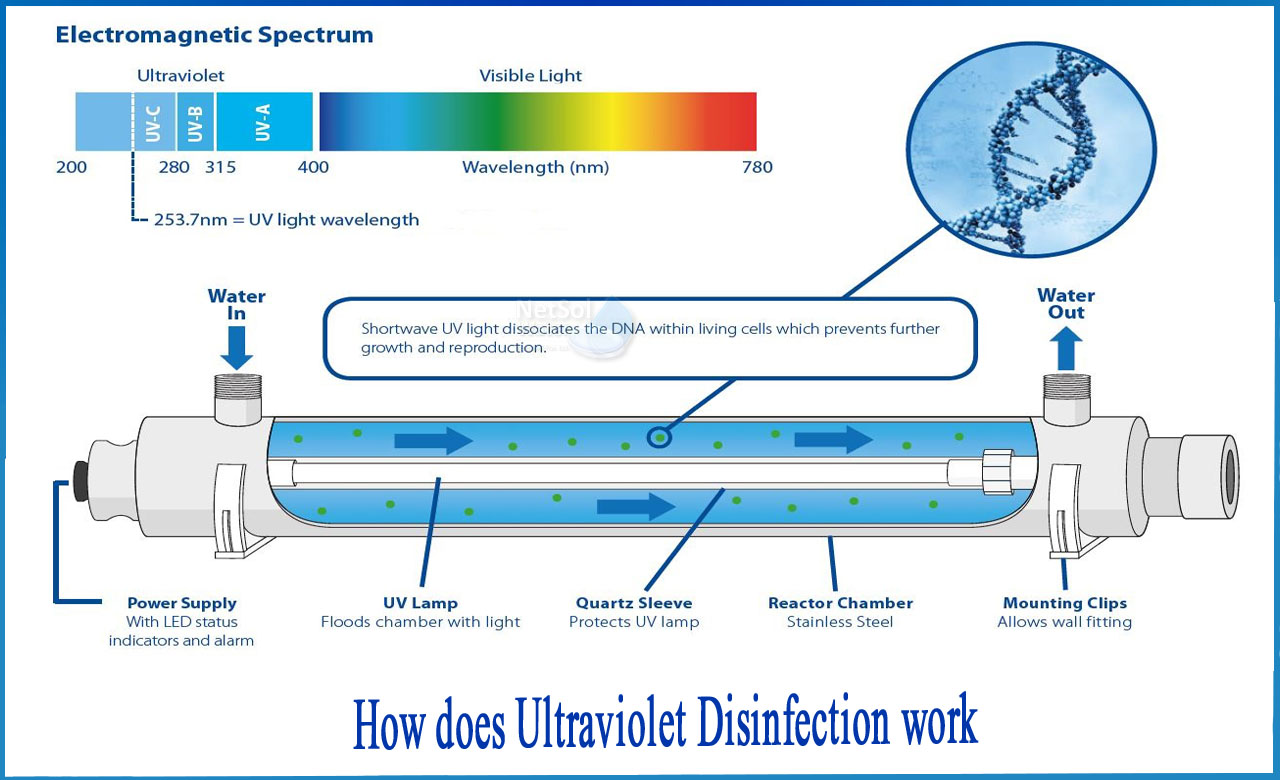
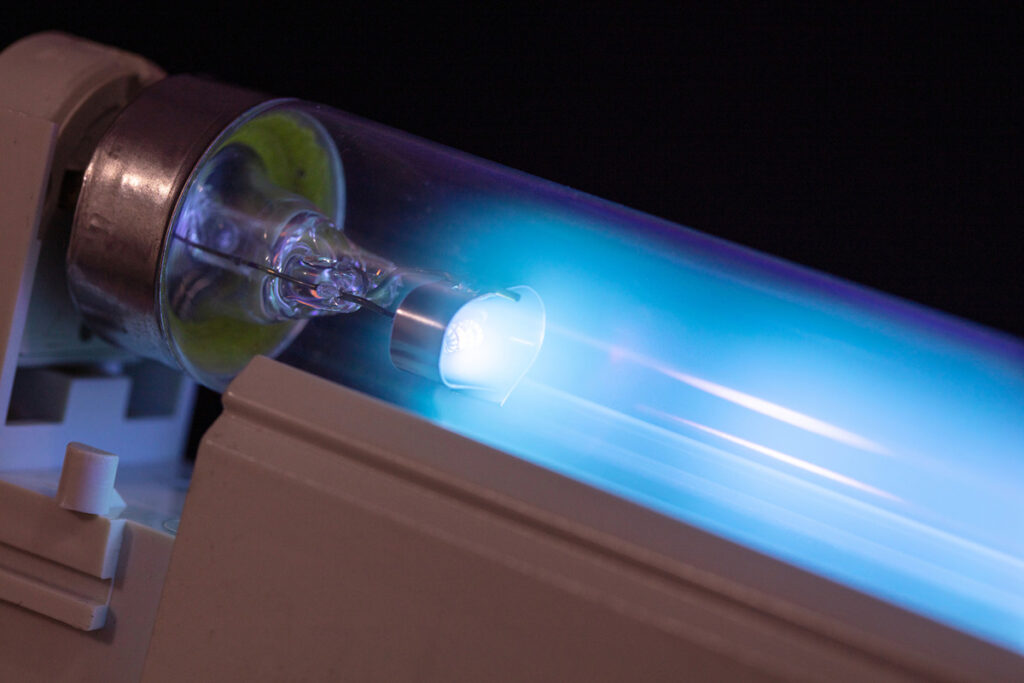
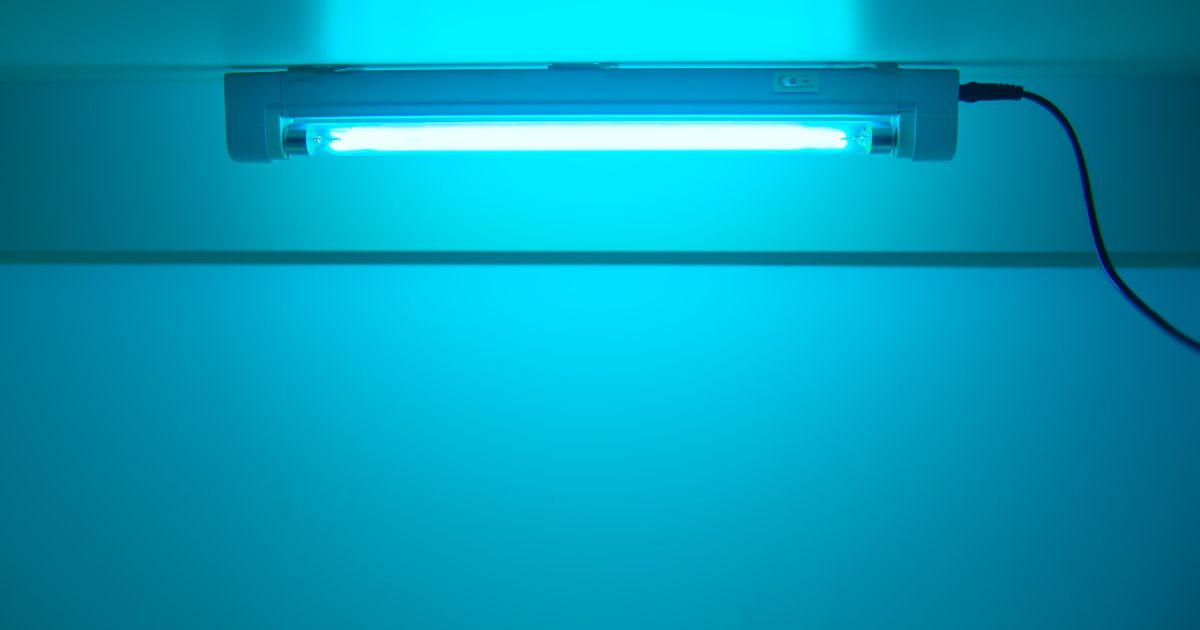
UV light exists on the electromagnetic spectrum between visible light and X-rays. Its germicidal properties stem from its ability to disrupt the DNA of microorganisms, preventing them from replicating. There are three main types of UV light: UVA, UVB, and UVC. In HVAC applications, UVC light, with a wavelength of around 254 nanometers, is primarily used due to its powerful disinfecting capabilities. It's important to note that while effective against microorganisms, UV light does not remove dust or allergens – filtration systems handle that task. Think of it as a sanitation tool, not a cleaning tool.
Two Primary Applications in HVAC
UV light is generally deployed in two main ways within HVAC systems:
1. Coil Sanitization (UV-C Lights)
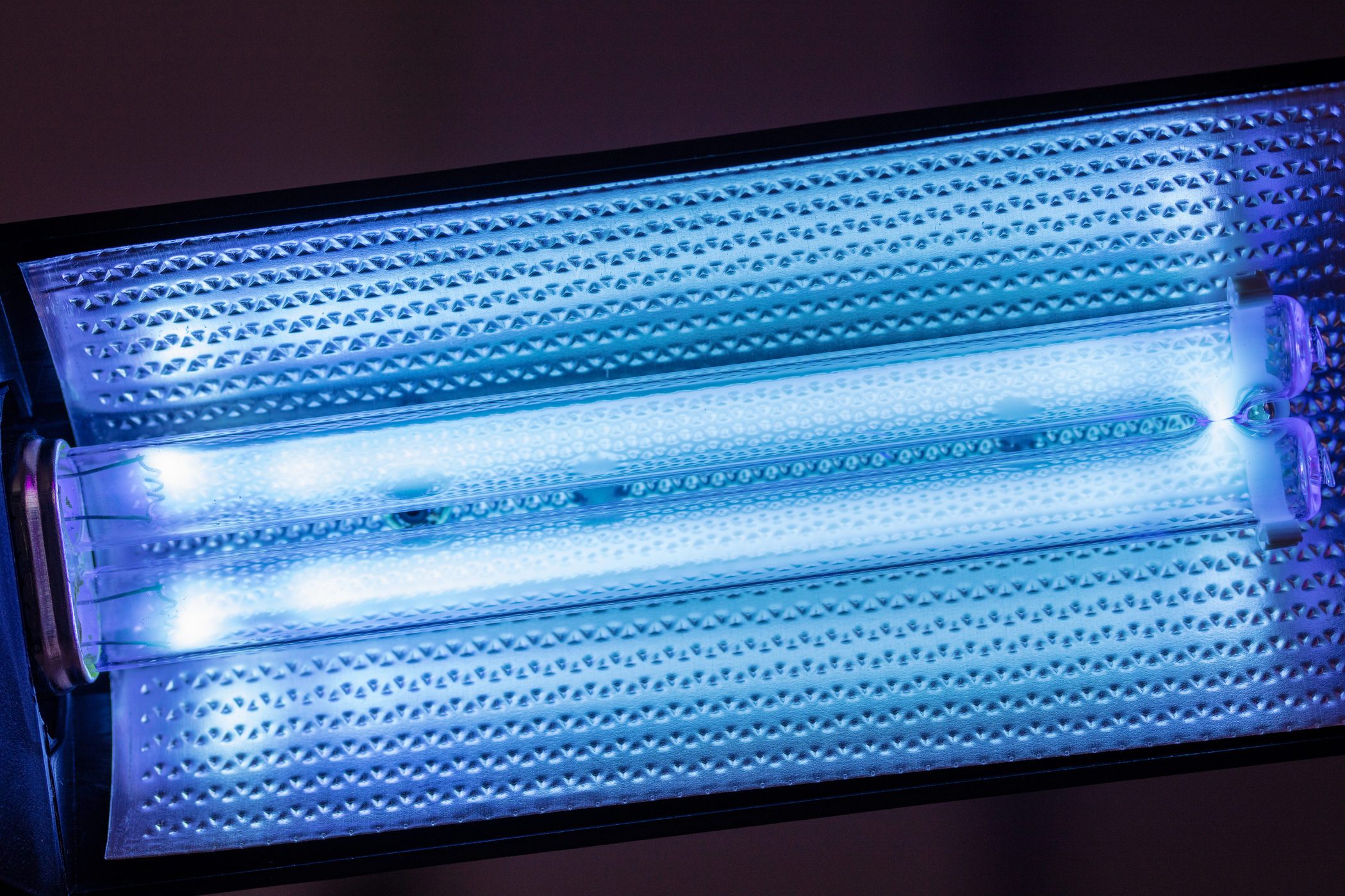
This application involves installing UV lamps near the cooling coils and drain pans of the HVAC system. These areas are prone to moisture and darkness, creating ideal breeding grounds for mold, bacteria, and other microorganisms. The UV light continuously irradiates the coil, preventing the buildup of biofilm. This is particularly useful because biofilm reduces the efficiency of heat transfer and can contribute to "sick building syndrome." A study by the EPA (Environmental Protection Agency) estimated that dirty coils can reduce HVAC efficiency by as much as 30%, leading to higher energy costs. Regular UV-C treatment can help maintain optimal performance and reduce energy consumption.
2. Air Stream Disinfection (UVGI - Ultraviolet Germicidal Irradiation)
UVGI systems are designed to disinfect the air circulating through the HVAC system. These systems often use more powerful UV lamps and are typically installed within the ductwork. As air passes through the UVGI system, microorganisms are exposed to the UV light and neutralized. This is particularly useful in environments where air quality is critical, such as hospitals, schools, and food processing facilities. The effectiveness of UVGI depends on several factors, including the intensity of the UV lamp, the air flow rate, and the exposure time.
Benefits of Using UV Light in HVAC
Integrating UV light into HVAC systems offers a range of benefits:
- Improved Air Quality: Reduces airborne microorganisms, leading to healthier indoor environments.
- Enhanced HVAC Efficiency: Keeps coils clean, improving heat transfer and reducing energy consumption.
- Odor Control: Eliminates odor-causing bacteria and mold.
- Reduced Maintenance: By preventing biofilm buildup, UV light can extend the lifespan of HVAC components and reduce the frequency of cleaning.
- Lower Operating Costs: Improved efficiency translates to lower energy bills.
Technical Considerations and Installation
Proper installation and maintenance are crucial for the effectiveness of UV light systems. Factors to consider include:
- Lamp Selection: Choosing the right type and intensity of UV lamp for the specific application is essential.
- Placement: Proper placement of the lamps ensures optimal coverage and exposure.
- Safety: UV light can be harmful to the eyes and skin, so proper safety precautions must be taken during installation and maintenance. Technicians should always wear appropriate personal protective equipment (PPE), including UV-blocking eyewear and gloves.
- Maintenance: UV lamps need to be replaced periodically as their effectiveness decreases over time. Regular inspections are also necessary to ensure the system is functioning properly.
Career Opportunities in UV Light HVAC Technology
The increasing adoption of UV light in HVAC systems is creating new career opportunities for skilled technicians. Here are a few potential career paths:
- HVAC Technician: Installing, maintaining, and repairing HVAC systems, including UV light components. The median annual wage for HVAC technicians was $51,390 in May 2022, according to the Bureau of Labor Statistics (BLS). The BLS projects 6% growth in employment for HVAC technicians from 2022 to 2032.
- HVAC Installer: Specializing in the installation of new HVAC systems, including UV light systems. Strong understanding of electrical wiring and ductwork is essential.
- Indoor Air Quality (IAQ) Specialist: Focusing on assessing and improving indoor air quality, which includes the use of UV light technology. IAQ specialists may perform air quality testing, recommend solutions, and install and maintain IAQ equipment.
- HVAC Sales Engineer: Selling HVAC systems and solutions, including UV light technology, to commercial and industrial clients. Requires a strong technical understanding of HVAC systems and excellent communication skills.
Certifications and Training
Several certifications can enhance your career prospects in the HVAC industry, particularly when working with UV light systems:
- NATE (North American Technician Excellence): NATE certification demonstrates your competency in HVAC technology, including air conditioning, heating, and ventilation. While there isn't a specific NATE certification for UV light, having a strong foundation in HVAC principles is essential.
- EPA Section 608 Certification: Required for technicians who handle refrigerants. This certification covers the proper handling and disposal of refrigerants, which is important when working on HVAC systems that use UV light.
- Industry-Specific Training: Many manufacturers and training organizations offer courses on UV light technology for HVAC systems. These courses cover the principles of UV light, installation procedures, maintenance requirements, and safety precautions. Look for certifications or training programs recognized by organizations like ACCA (Air Conditioning Contractors of America).
Salary Expectations
Salaries for HVAC professionals working with UV light technology vary depending on experience, location, and certifications. Here's a general overview:
- Entry-Level HVAC Technician: $35,000 - $45,000 per year.
- Experienced HVAC Technician: $45,000 - $65,000 per year.
- HVAC Installer: $40,000 - $60,000 per year.
- IAQ Specialist: $50,000 - $75,000 per year.
- HVAC Sales Engineer: $60,000 - $100,000+ per year (including commission).
These figures are estimates and can vary depending on the specific job market and the technician's qualifications. Obtaining certifications and specialized training in UV light technology can lead to higher earning potential.
The Future of UV Light in HVAC
The demand for improved indoor air quality is expected to continue to drive the adoption of UV light technology in HVAC systems. As building codes and regulations become stricter regarding air quality, the use of UV light will likely become more widespread. Furthermore, advancements in UV light technology are leading to more efficient and cost-effective systems, making them more accessible to a wider range of applications. The rise of smart HVAC systems, integrated with sensors and controls, will also play a role in optimizing the performance of UV light systems and ensuring effective air disinfection.
Case Study: Hospital Implementation
Consider a large hospital system that recently implemented UVGI systems in their operating rooms and patient care areas. Prior to the implementation, the hospital had experienced several outbreaks of healthcare-associated infections (HAIs). After installing the UVGI systems, the hospital saw a significant reduction in airborne microorganisms and a corresponding decrease in HAIs. The investment in UV light technology not only improved patient safety but also reduced healthcare costs associated with treating infections. This case study highlights the potential of UV light to create healthier and safer environments in critical settings.
Conclusion
UV light technology is a valuable tool for improving indoor air quality and enhancing the efficiency of HVAC systems. As the demand for healthier and more sustainable buildings grows, the use of UV light is expected to become increasingly prevalent. For HVAC students, technicians, and employers, understanding UV light technology is essential for staying competitive in the industry. By investing in training, certifications, and the latest technologies, HVAC professionals can position themselves for success in this growing field. The role of skilled HVAC professionals is becoming increasingly important to ensure the correct installation, maintenance, and operation of such complex systems.