What Psi Is Natural Gas At Home
One of the most frustrating experiences for any homeowner is a heating system that sputters and struggles to keep the house warm, or a cooling system that doesn't quite cut it on a sweltering summer day. Sometimes, the issue stems from something as simple as a dirty filter. Other times, the culprit could be related to your natural gas supply, specifically the pressure at which it's delivered to your appliances. Understanding natural gas pressure is crucial for ensuring your appliances are running safely and efficiently.
Understanding Natural Gas Pressure in Your Home
Natural gas pressure isn't something most homeowners think about regularly, but it's a vital factor in how well your gas-powered appliances – like your furnace, water heater, and stove – function. If the pressure is too low, your appliances may not operate correctly, leading to inefficient heating, lukewarm water, or inconsistent cooking. If it's too high, it can be dangerous and potentially damage your appliances.
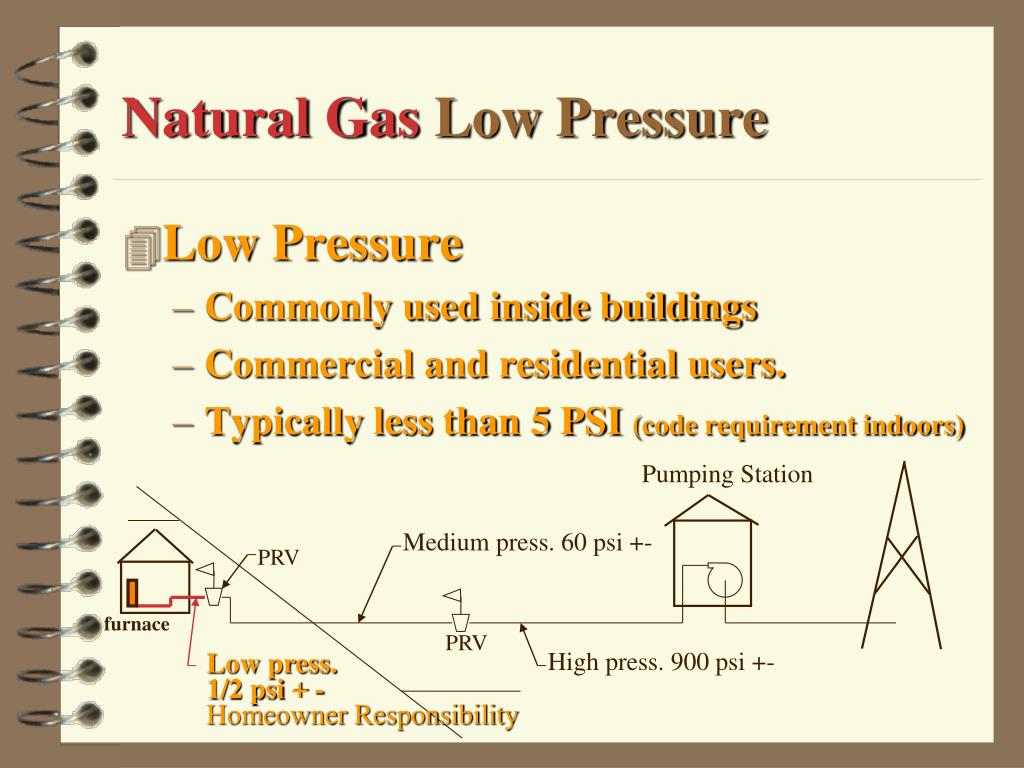
The typical natural gas pressure in a home is relatively low, usually measured in inches of water column (WC) rather than pounds per square inch (PSI). The standard pressure range is usually between 5 to 7 inches WC for residential use. Converting this to PSI, we're talking about pressures in the range of 0.18 to 0.25 PSI, which is very low. This low pressure is critical for safety and optimal appliance performance.
Now, let's break down how to troubleshoot potential pressure-related issues, starting with some easy checks you can do yourself.
Troubleshooting: Is Low Gas Pressure the Problem?
Before diving into anything technical, let's start with the basics. These checks require no tools and can often pinpoint the problem.
Step 1: Observe All Gas Appliances
The first step is to observe all your gas appliances. Are they all experiencing issues? If only one appliance is acting up, the problem is likely isolated to that specific appliance and not related to the overall gas pressure coming into your home. For example, if your furnace isn't firing correctly but your stove is working fine, the furnace itself is the more likely suspect.
Things to look for include:
- Furnace: Frequent cycling (turning on and off), weak flame, pilot light going out repeatedly.
- Water Heater: Lukewarm water, slow recovery time (time it takes to reheat the tank after use).
- Stove: Weak burner flames, inconsistent heat.
- Fireplace: Weak or flickering flame, difficulty starting.
Document your observations. This will be invaluable if you need to call a professional.
Step 2: Check Other Obvious Causes
Before assuming a gas pressure issue, rule out other common causes:
- Air Filter: A dirty air filter can restrict airflow to your furnace, causing it to overheat and shut down prematurely. Replace your air filter if it's dirty.
- Pilot Light (Older Appliances): Make sure the pilot light is lit. Follow the manufacturer's instructions to relight it if it's out.
- Thermostat: Ensure your thermostat is set correctly and is functioning properly. Try increasing the temperature setting to see if the furnace responds.
- Gas Valve Position: Check the main gas valve near your gas meter. Make sure it's fully open. It should be parallel to the gas pipe.
These simple checks often resolve common heating and cooling problems.
Step 3: Check for Recent Gas Work in Your Neighborhood
Has there been any recent construction or gas line work in your neighborhood? Sometimes, gas companies temporarily reduce pressure during maintenance or repairs. If this is the case, the issue is likely temporary and will resolve itself once the work is completed.
Contact your gas company to inquire about any planned or ongoing work in your area.
When Tools Are Required: Proceed with Caution
If the above checks don't reveal the problem, you might need to use some basic tools. However, working with gas lines can be dangerous. If you're not comfortable or confident, stop here and call a qualified HVAC technician or gas plumber.
Warning: Natural gas is flammable and can be explosive. If you smell gas at any time, evacuate the premises immediately and call your gas company from a safe location.
Step 4: Inspect the Gas Meter Regulator (Visual Inspection Only)
The gas meter regulator is a device attached to your gas meter that regulates the gas pressure coming into your home. Do not attempt to adjust or tamper with the regulator in any way. This is strictly for qualified professionals.
However, you can visually inspect the regulator for any obvious signs of damage, such as:
- Corrosion
- Leaks (listen for a hissing sound or smell gas)
- Physical damage (dents, cracks)
If you notice any of these signs, contact your gas company immediately. Do not attempt to fix the regulator yourself.
Step 5: Checking Appliance Burner Flames (Visual Inspection)
Observe the flames on your gas appliances. Healthy flames are typically blue with a slight yellow tip. Weak, yellow, or flickering flames can indicate low gas pressure or other problems.
Things to look for:
- Flame Color: A strong blue flame indicates efficient combustion. A yellow or orange flame suggests incomplete combustion, which can produce carbon monoxide.
- Flame Height: Compare the flame height to what's described in the appliance's manual. A significantly shorter flame could indicate low gas pressure.
- Flame Stability: A flickering or unstable flame is another sign of a potential problem.
Note: A small amount of yellow at the tip of the flame is normal. However, a predominantly yellow or orange flame requires attention.
Step 6: Testing Gas Pressure (Requires a Manometer - Professional Recommended)
This step requires a manometer, a tool specifically designed to measure gas pressure. It also requires knowledge of how to safely connect and use the manometer, as well as understanding the pressure requirements for your specific appliances. This step is best left to a qualified professional.
A qualified technician will:
- Connect the manometer to a test port on the gas line near the appliance.
- Measure the gas pressure while the appliance is both at rest (static pressure) and in operation (dynamic pressure).
- Compare the measured pressure to the manufacturer's specifications for the appliance.
If the pressure is outside the acceptable range, the technician will diagnose the cause and make the necessary repairs. This could involve adjusting the gas regulator, clearing a blockage in the gas line, or replacing a faulty component.
DIY Actions (Limited and with Extreme Caution)
Based on your observations, there are very limited DIY actions you can take, and they should only be attempted if you're comfortable and confident.
- Cleaning Burners (Stove/Oven): Clogged burner ports can sometimes mimic low gas pressure. Carefully clean the burner ports with a wire brush or pin to remove any debris. Always turn off the gas supply to the appliance before cleaning. Consult your appliance's manual for cleaning instructions.
- Checking Flexible Gas Connectors: Inspect the flexible gas connectors (usually yellow or coated stainless steel) that connect your appliances to the gas line. Look for kinks, bends, or damage. Ensure they are properly connected and tightened. Again, turn off the gas supply before inspecting or tightening connections. Use a wrench, but avoid overtightening.
Remember: Even these seemingly simple tasks can be dangerous if not done correctly. If you're unsure, always err on the side of caution and call a professional.
When to Call a Professional
It's time to call a qualified HVAC technician or gas plumber if:
- You smell gas.
- You suspect a gas leak.
- You see any signs of damage to the gas meter regulator.
- You are uncomfortable working with gas lines.
- You have tested the gas pressure and it's outside the acceptable range.
- Your appliances are still not working correctly after you've tried the troubleshooting steps above.
- You are unsure about any aspect of the troubleshooting process.
A qualified technician has the tools, training, and experience to diagnose and repair gas pressure problems safely and effectively. They can also ensure that your appliances are operating correctly and efficiently, saving you money on your energy bills.
Preventative Maintenance
To help prevent gas pressure problems, consider these preventative maintenance tips:
- Regular Appliance Servicing: Have your gas appliances serviced annually by a qualified technician. This will help ensure they are operating safely and efficiently.
- Inspect Gas Lines: Periodically inspect your visible gas lines for any signs of corrosion or damage.
- Carbon Monoxide Detectors: Install carbon monoxide detectors on every level of your home and test them regularly.
By understanding the basics of natural gas pressure and taking these preventative measures, you can help ensure the safety and efficiency of your gas-powered appliances and maintain a comfortable home.


.jpg)