What R Value Insulation For 2x6 Walls
:max_bytes(150000):strip_icc()/size-insulation-for-2x4-and-2x6-walls-1821598-V2-55b64bcbe4c242428cc1670d93413fb9.png)
Understanding insulation R-value is crucial for anyone involved in the HVAC industry, from aspiring technicians to seasoned professionals and employers seeking skilled workers. Selecting the correct R-value for a wall, particularly for 2x6 construction, directly impacts energy efficiency, homeowner comfort, and the longevity of HVAC systems. This article provides a detailed look at R-values for 2x6 walls, considering regional climates, construction practices, and career implications within the HVAC field.
R-Value Explained: The Basics
R-value, or Resistance-value, is a measure of thermal resistance used in the building and construction industry. It indicates how well a material resists conductive heat flow. A higher R-value means better insulation and less heat transfer through the material. The R-value needed for walls, ceilings, and floors depends on several factors, including:
- Climate: Colder climates require higher R-values.
- Local Building Codes: These codes often specify minimum R-value requirements.
- Construction Type: Wall framing dimensions (e.g., 2x4 vs. 2x6) influence insulation options.
- Energy Efficiency Goals: Homeowners may opt for higher R-values than code minimums to save on energy bills.
R-Value Recommendations for 2x6 Walls
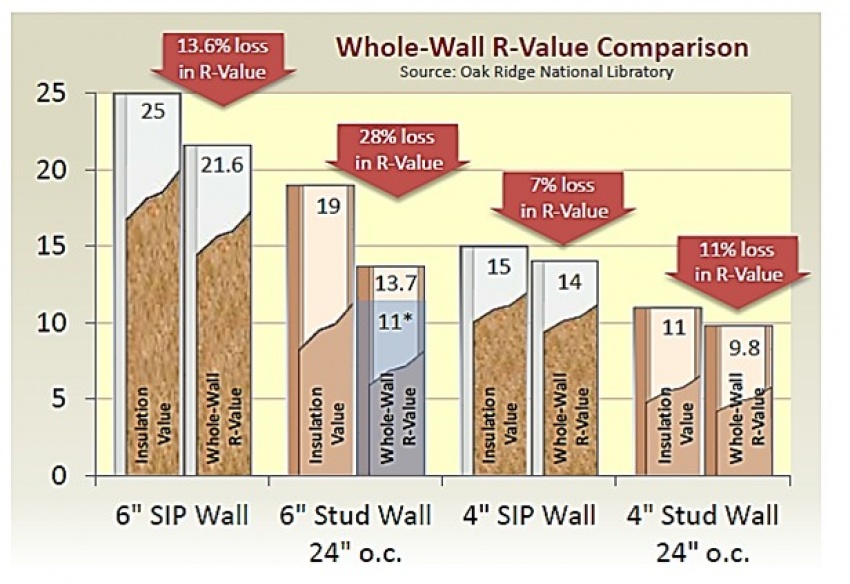
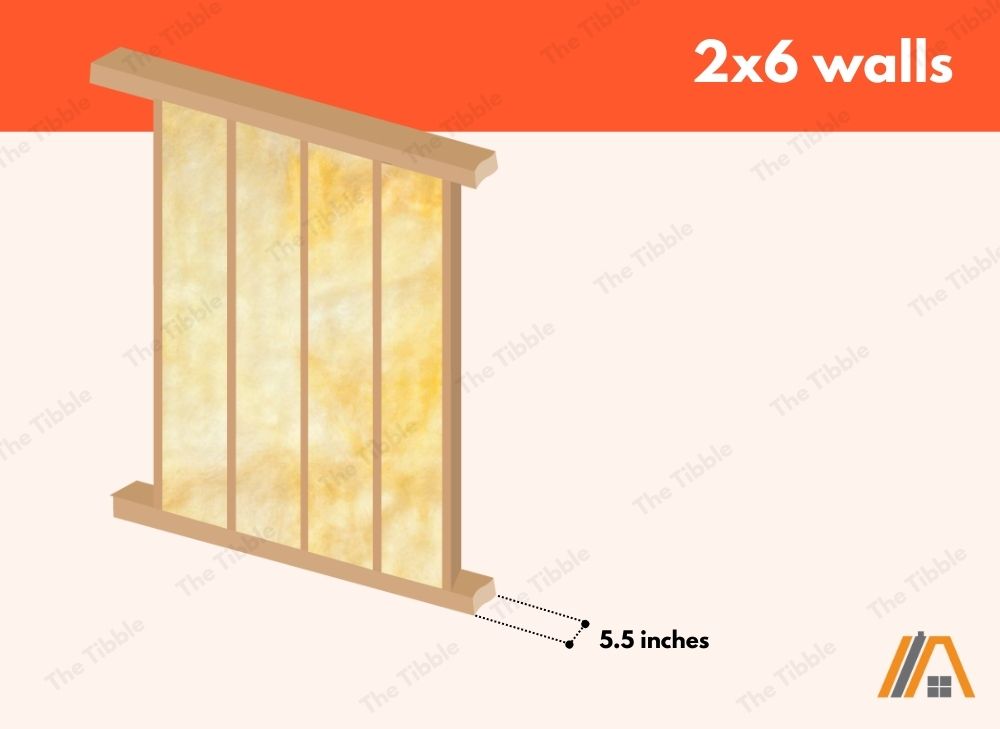
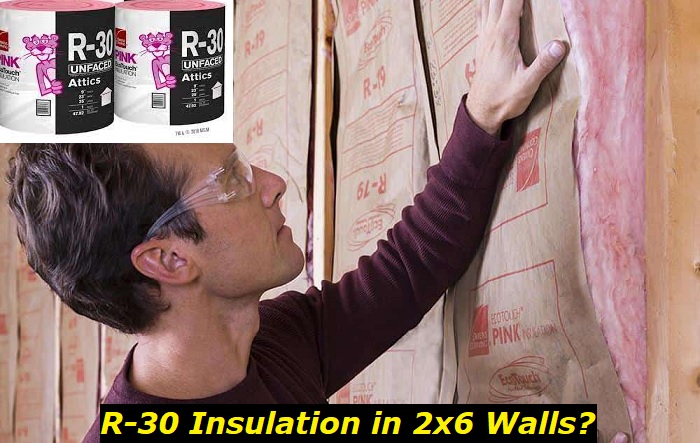
A 2x6 wall allows for thicker insulation than a 2x4 wall, leading to higher potential R-values. Generally, 2x6 walls are designed to accommodate R-19 to R-21 insulation when using fiberglass batts or mineral wool. However, denser insulation materials like spray foam can achieve significantly higher R-values within the same 2x6 wall cavity.
Here's a regional breakdown, keeping in mind that local codes always take precedence:
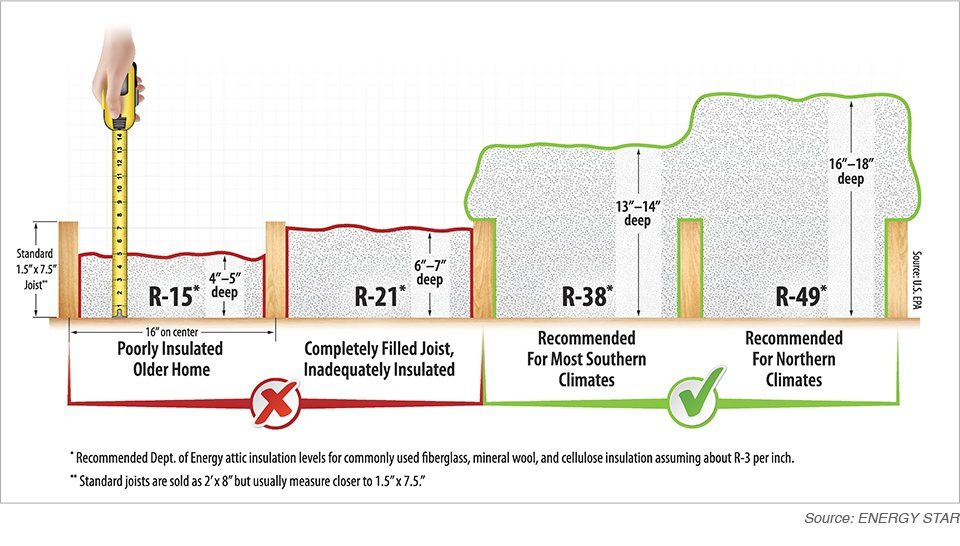
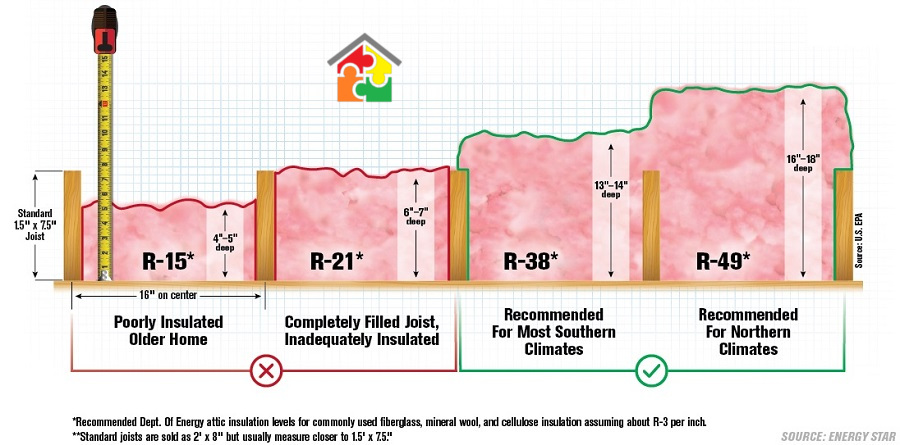
- Warm Climates (Climate Zones 1-3): R-13 to R-15 might be sufficient, but R-19 is often recommended for better energy efficiency.
- Mixed Climates (Climate Zones 4-5): R-19 is a common recommendation, with some areas benefiting from R-21 or higher.
- Cold Climates (Climate Zones 6-8): R-21 is generally recommended as a minimum, with some areas requiring R-25 or higher.
It's essential to consult local building codes and energy efficiency programs like Energy Star for specific recommendations in your area. These resources often provide detailed guidance on insulation requirements based on climate zone and construction type.
Specific Insulation Types and Their R-Values in 2x6 Walls
Various insulation materials can be used in 2x6 walls, each offering different R-values and installation methods:
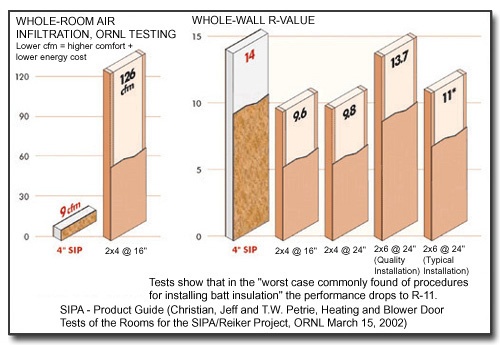
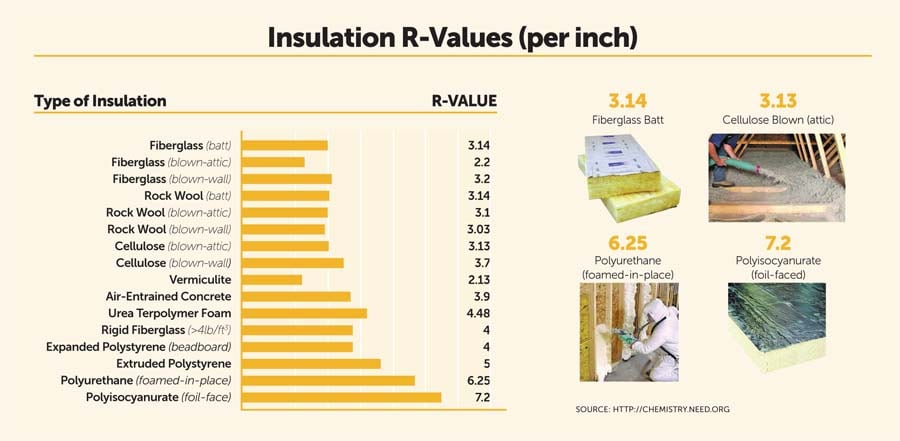
- Fiberglass Batts: A common and cost-effective option, typically achieving R-19 to R-21 in 2x6 walls. Proper installation is crucial to avoid gaps and compression, which can reduce R-value.
- Mineral Wool Batts: Similar to fiberglass but with better fire resistance and sound absorption. Can achieve R-19 to R-21.
- Cellulose: Loose-fill insulation made from recycled paper. Can be blown into wall cavities, providing good coverage and R-values around R-3.7 per inch. In a 2x6 wall, this can achieve an R-value exceeding R-21.
- Spray Foam (Closed-Cell): Offers the highest R-value per inch, typically around R-6 to R-7. Can seal air leaks and provide a moisture barrier. Considerably more expensive than fiberglass or mineral wool. Properly installed, closed-cell spray foam can easily exceed R-21 in a 2x6 wall, and even reach R-30 or higher.
- Spray Foam (Open-Cell): Offers a lower R-value per inch compared to closed-cell, typically around R-3.5 to R-4. It is less expensive than closed-cell and expands more. It provides excellent air sealing but is less effective as a moisture barrier.
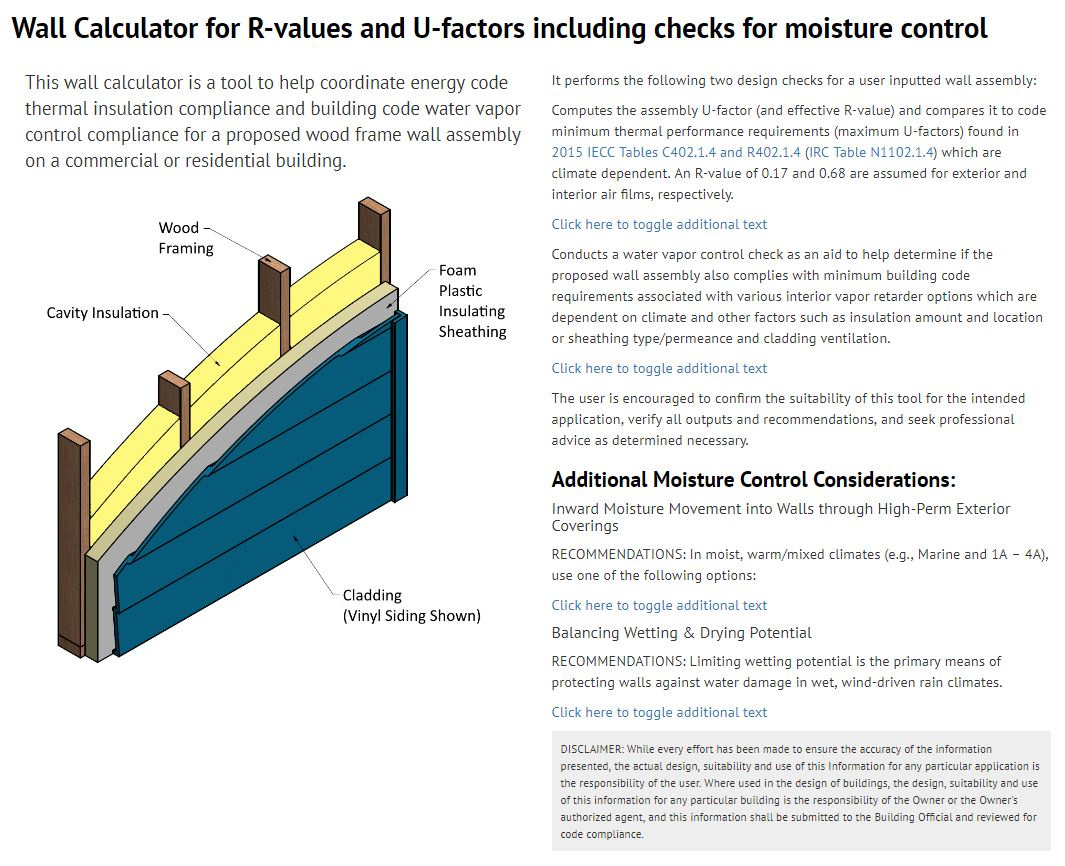
- Rigid Foam Boards: Can be used as exterior insulation, adding to the overall R-value of the wall assembly. Common types include XPS (extruded polystyrene), EPS (expanded polystyrene), and polyisocyanurate.
Career Paths and the Importance of Insulation Knowledge
Understanding insulation principles and practices is vital for various roles within the HVAC industry:
- HVAC Technicians: Technicians who understand building envelope performance, including insulation, can better diagnose and address heating and cooling issues. They can advise homeowners on energy efficiency upgrades and ensure HVAC systems are properly sized for the building's insulation levels. The median annual salary for HVAC technicians is around $51,390 (Bureau of Labor Statistics, May 2022), but experienced technicians with specialized knowledge can earn significantly more.
- Home Energy Auditors: These professionals assess a building's energy efficiency and identify areas for improvement, including insulation deficiencies. They often use tools like infrared cameras to detect thermal bridging and air leaks.
- Insulation Installers: Skilled installers are needed to properly install various types of insulation, ensuring optimal performance and avoiding common mistakes like compression and gaps.
- HVAC Sales Professionals: Sales professionals who can explain the benefits of proper insulation and recommend appropriate R-values can increase sales and build customer trust.
Certifications to Enhance Your Career
Several certifications can enhance your skills and career prospects in the HVAC field, particularly in areas related to energy efficiency and insulation:
- NATE (North American Technician Excellence): NATE certification demonstrates competence in HVAC installation, service, and maintenance. While not specifically focused on insulation, NATE-certified technicians often have a broader understanding of building science principles.
- BPI (Building Performance Institute): BPI offers certifications for home energy auditors and weatherization professionals. These certifications focus on whole-house energy efficiency, including insulation, air sealing, and HVAC system performance.
- EPA Section 608 Certification: Required for technicians who handle refrigerants. While not directly related to insulation, it's a fundamental certification for HVAC professionals.
The Job Outlook and Salary Expectations
The job outlook for HVAC technicians is projected to grow 6 percent from 2022 to 2032, about as fast as the average for all occupations (Bureau of Labor Statistics). The increasing demand for energy-efficient buildings and the need to replace aging HVAC systems will drive this growth. As mentioned before, the median annual wage for HVAC technicians was $51,390 in May 2022. However, salaries can vary widely based on experience, location, and certifications. Experienced technicians with specialized skills in areas like energy efficiency and building automation can command higher salaries.
Employers are increasingly seeking HVAC professionals with a strong understanding of building science principles, including insulation. They value candidates who possess relevant certifications and can demonstrate a commitment to energy efficiency.
Real-World Examples of Career Paths
- Example 1: A recent HVAC graduate starts as an entry-level technician, focusing on installation and maintenance. They pursue NATE certification and gain experience in energy auditing. Over time, they specialize in energy-efficient HVAC systems and become a lead technician, earning a higher salary and more responsibilities.
- Example 2: An experienced HVAC technician obtains BPI certification and transitions into a role as a home energy auditor. They conduct energy audits for homeowners and recommend energy efficiency improvements, including insulation upgrades. They work independently or for a home performance contracting company.
- Example 3: A skilled insulation installer starts their own business, specializing in high-performance insulation systems. They market their services to homeowners and builders who are seeking energy-efficient solutions. They stay up-to-date on the latest insulation technologies and building codes.
Conclusion
Selecting the appropriate R-value for 2x6 walls is a critical aspect of building design and construction, directly impacting energy efficiency, comfort, and HVAC system performance. A thorough understanding of R-values, insulation materials, and local building codes is essential for HVAC professionals at all levels. By investing in relevant certifications and staying abreast of industry trends, HVAC technicians and other professionals can enhance their career prospects and contribute to a more sustainable built environment. The future of the HVAC industry is intertwined with energy efficiency, and those who embrace this trend will be well-positioned for success.