What Replaced Freon In Ac Units

Frequently Asked Questions: What Replaced Freon in AC Units?
For many years, Freon was the standard refrigerant used in air conditioning systems. However, due to its damaging effects on the Earth's ozone layer, it has been phased out. This article answers some common questions about what replaced Freon and what that means for you.
1. What exactly was Freon, and why was it phased out?
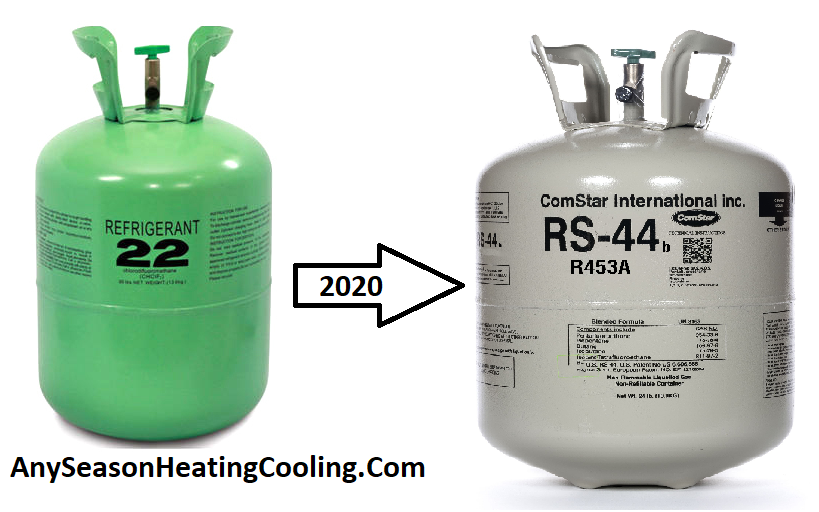
Freon is actually a brand name for several different chlorofluorocarbon (CFC) and hydrochlorofluorocarbon (HCFC) refrigerants, most notably R-22. These refrigerants were widely used in air conditioning and refrigeration systems due to their effectiveness and stability.
The problem with Freon, specifically R-22, is that it contains chlorine. When released into the atmosphere, chlorine molecules break down the ozone layer, which protects us from harmful ultraviolet radiation from the sun. This ozone depletion led to international agreements like the Montreal Protocol, which mandated the phasing out of CFCs and HCFCs like R-22.
2. What refrigerant replaced Freon (R-22) in AC units?
The primary refrigerant that replaced R-22 is R-410A, also known as Puron (another brand name). R-410A is a hydrofluorocarbon (HFC) refrigerant. The key difference is that it doesn't contain chlorine, meaning it doesn't deplete the ozone layer.
While R-410A has become the standard for many years, it is itself being phased down due to its high global warming potential (GWP). This means if released into the atmosphere, it contributes significantly to climate change.
3. Is R-410A the only alternative refrigerant now being used?
No. While R-410A was the main replacement for R-22, the industry is moving towards even more environmentally friendly refrigerants with lower GWPs. Some of the newer alternatives include:
- R-32: This is another HFC refrigerant with a significantly lower GWP than R-410A. It's also more energy-efficient in some applications.
- R-454B: An HFC/HFO blend marketed as a low-GWP alternative with performance characteristics similar to R-410A.
- R-290 (Propane): A natural refrigerant with a very low GWP. It’s highly flammable and generally used in small, self-contained appliances.
- R-744 (Carbon Dioxide): Another natural refrigerant. It operates at very high pressures and requires specialized equipment.
- R-1234ze: This is a hydrofluoroolefin (HFO) refrigerant with an ultra-low GWP.
The specific refrigerant being used in new AC units will depend on the manufacturer, the application, and regional regulations. The direction is towards low GWP refrigerants and natural refrigerants.
4. Can I simply "top off" my old R-22 AC unit with R-410A?
No, absolutely not! R-22 and R-410A are not compatible. They operate at different pressures, require different types of oil in the compressor, and have different system components. Mixing refrigerants can cause:
- Severe damage to your AC unit's compressor and other components.
- Reduced efficiency and cooling performance.
- Potential safety hazards, including explosions.
- Voiding of any warranty on your system.
If your old R-22 system is leaking, you should contact a qualified HVAC technician. They can determine if a repair is possible using reclaimed R-22 (if available) or advise you on replacing your system with a newer, more efficient model that uses an approved refrigerant.
5. What happens if my AC unit still uses R-22 and needs repairs? Can I still get it fixed?
Yes, you can still get your R-22 AC unit repaired, but it might be more expensive and increasingly difficult. Here's what you need to know:
- R-22 is no longer being manufactured: The production and import of new R-22 were banned in the United States as of January 1, 2020.
- Reclaimed R-22 is available: You might still be able to find reclaimed (recycled) R-22 for repairs. However, the supply is limited, and the price can be significantly higher than it used to be.
- Retrofitting is usually not an option: While theoretically possible to retrofit an R-22 system to use R-410A, it's generally not recommended. It requires replacing numerous components, and the cost is often comparable to installing a new system. Plus, you'd need to verify the retrofit would allow for proper operation of the existing equipment.
- Consider replacing your system: If your R-22 unit is old, inefficient, or requires extensive repairs, replacing it with a new unit that uses R-410A or a newer, environmentally friendly refrigerant is often the most cost-effective and environmentally responsible option in the long run.
6. Will replacing my AC unit with one using a newer refrigerant save me money?
In most cases, yes. While the initial investment of a new AC unit can be significant, the long-term savings can outweigh the cost.
- Increased Energy Efficiency: Newer AC units are generally more energy-efficient than older models, meaning they use less electricity to provide the same amount of cooling. This can lead to lower monthly energy bills.
- Lower Repair Costs: New units are less likely to break down, reducing repair costs. Plus, parts are readily available for newer models, unlike older R-22 systems where parts can be scarce and expensive.
- Rebates and Tax Credits: Depending on your location and the type of unit you purchase, you might be eligible for rebates or tax credits, further reducing the overall cost.
- Environmentally Friendly: Using a unit with a low-GWP refrigerant contributes to a smaller carbon footprint and helps protect the environment.
To determine the potential savings, consider the SEER (Seasonal Energy Efficiency Ratio) rating of your old and new units. A higher SEER rating indicates greater energy efficiency. Consult with an HVAC professional to assess your specific needs and recommend the most energy-efficient and cost-effective option for your home or building.
7. What should I look for when buying a new AC unit regarding refrigerants?
When shopping for a new AC unit, pay attention to the type of refrigerant it uses. Here are some things to consider:
- Refrigerant Type: Confirm which refrigerant the unit uses. Check whether it uses R-410A, R-32, R-454B, or another approved low-GWP refrigerant.
- Global Warming Potential (GWP): Ask about the GWP of the refrigerant. Aim for units with lower GWP refrigerants to minimize their environmental impact. Many areas are shifting away from R-410A, consider local regulations.
- Energy Efficiency (SEER Rating): Look for a high SEER rating to maximize energy savings. A higher SEER rating means the unit is more efficient.
- Energy Star Certification: Choose an Energy Star-certified unit, as these units meet specific energy efficiency guidelines set by the EPA.
- Warranty: Check the warranty on the unit and the compressor. A longer warranty provides peace of mind and protection against potential repair costs.
- Professional Installation: Ensure the unit is installed by a qualified HVAC technician. Proper installation is crucial for optimal performance and efficiency.
By considering these factors, you can choose an AC unit that is both efficient, environmentally friendly, and provides reliable cooling for your home or building.