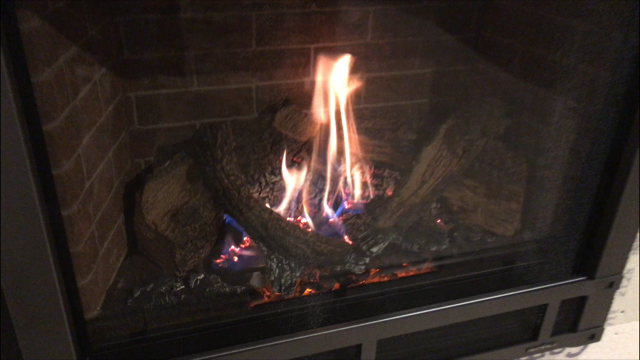
What Should A Gas Fireplace Flame Look Like

Many homeowners experience inconsistent heating during the colder months, often noticing that one room is significantly warmer or colder than another. This is a common problem, and while several factors can contribute to it, a properly functioning fireplace can make a big difference. If you have a gas fireplace, ensuring its flame is burning correctly is crucial for efficient heating and safety. This article will guide you through troubleshooting your gas fireplace flame, helping you identify and address potential issues.
Understanding a Healthy Gas Fireplace Flame
Before diving into troubleshooting, let's establish what a normal, healthy gas fireplace flame should look like. This baseline understanding will help you quickly identify deviations indicating a problem.
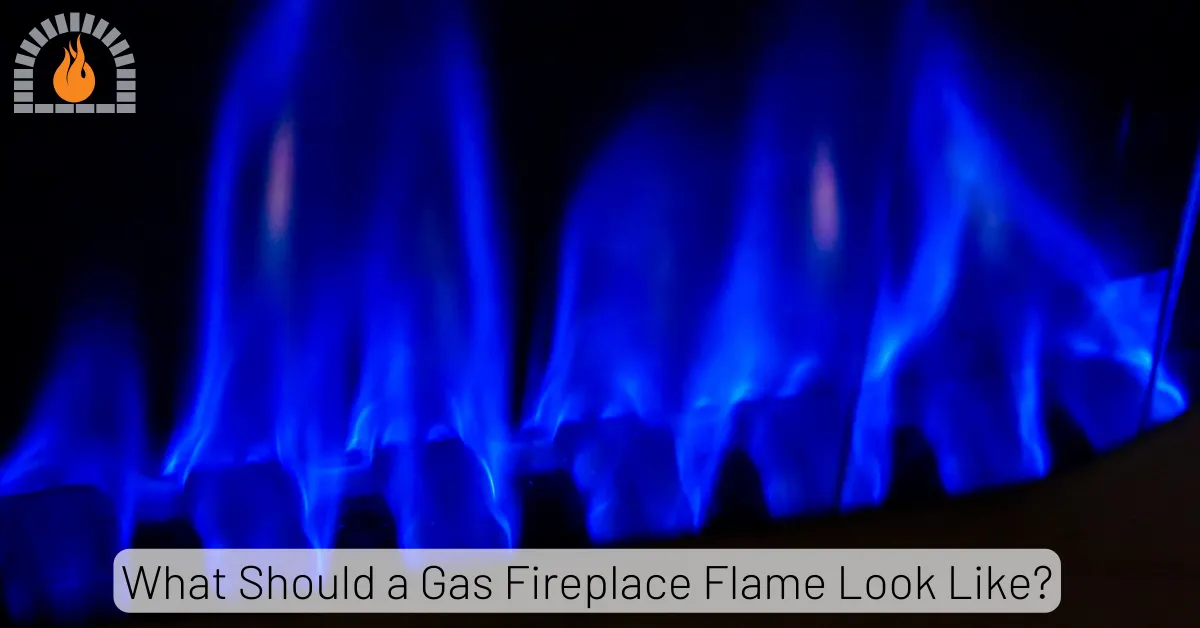
- Color: A healthy gas fireplace flame should primarily be blue, possibly with tinges of yellow at the very top. The blue color indicates complete combustion of the gas.
- Shape: The flames should be steady and evenly distributed across the burner. They shouldn't be excessively tall or short, and they shouldn't be flickering wildly.
- Size: The flame height will vary depending on your fireplace model and the gas setting. Consult your owner's manual for the expected flame height for your specific unit. However, generally, they shouldn't be so small they're barely visible or so large they're hitting the top of the firebox.
- Sound: You should hear a gentle, consistent whooshing sound. Loud roaring, hissing, or popping sounds are usually indicative of a problem.
Troubleshooting a Problematic Gas Fireplace Flame
Now, let's explore common flame issues and how to troubleshoot them. We'll start with simple checks and progress to steps requiring basic tools.
1. Initial Visual Inspection (No Tools Required)
Begin with a thorough visual inspection of your fireplace. This step is crucial and requires no tools.
- Check the Vent: Ensure the vent is clear of any obstructions, such as debris, snow, or ice. A blocked vent can cause incomplete combustion and lead to a yellow or orange flame, as well as carbon monoxide buildup.
- Inspect the Glass: Look for soot or residue buildup on the glass. Excessive soot indicates incomplete combustion.
- Examine the Burner: Carefully look at the burner itself. Are there any visible blockages, such as dust, lint, or spider webs? Even small obstructions can affect the flame pattern.
- Pilot Light Check: If your fireplace has a pilot light, ensure it's lit and burning with a strong blue flame. A weak or yellow pilot light can cause ignition problems.
DIY Action: If you find any debris or obstructions, carefully remove them with a vacuum cleaner and a soft brush. Be gentle to avoid damaging the burner.
2. Checking the Gas Supply (No Tools Required Initially)
An insufficient gas supply can cause a weak or inconsistent flame.
- Check the Gas Valve: Make sure the gas valve supplying the fireplace is fully open. Sometimes, it can be accidentally partially closed.
- Check Other Gas Appliances: Are other gas appliances in your home working correctly (e.g., stove, water heater)? If they're also experiencing problems, there might be an issue with the main gas supply to your house.
DIY Action: If the gas valve is partially closed, fully open it. If other gas appliances are malfunctioning, contact your gas company immediately.
3. Cleaning the Burner (Basic Tools Required)
If a visual inspection reveals a dirty burner, a more thorough cleaning might be necessary. Always ensure the gas supply is turned off before cleaning the burner.
Tools Required:
- Screwdriver (appropriate type for your fireplace)
- Vacuum cleaner with a brush attachment
- Small wire brush (soft bristles)
- Mild soap and water
- Clean cloth
Steps:
- Turn off the gas supply to the fireplace at the gas valve.
- Allow the fireplace to cool completely.
- Carefully remove the glass front of the fireplace, following the manufacturer's instructions.
- Locate and remove the burner. This usually involves unscrewing a few screws. Refer to your owner's manual for specific instructions.
- Vacuum the burner to remove loose dust and debris.
- Use the wire brush to gently scrub away any stubborn deposits. Be careful not to damage the burner ports.
- Wash the burner with mild soap and water, then rinse thoroughly and allow it to dry completely.
- Inspect the burner ports. Use a small wire or needle to clear any clogged ports.
- Reinstall the burner, ensuring it's properly seated and secured.
- Reinstall the glass front.
- Turn on the gas supply and relight the pilot light (if applicable).
- Observe the flame. It should now be burning cleaner and more consistently.
4. Checking the Thermocouple/Thermopile (Basic Tools & Knowledge Required)
The thermocouple or thermopile is a safety device that ensures the gas valve stays open only when the pilot light is lit. A faulty thermocouple/thermopile can cause the pilot light to go out or the main burner to fail to ignite properly.
Tools Required:
- Multimeter
- Screwdriver (appropriate type for your fireplace)
Testing the Thermocouple/Thermopile:
- Turn off the gas supply to the fireplace.
- Allow the fireplace to cool completely.
- Locate the thermocouple/thermopile near the pilot light.
- Disconnect the thermocouple/thermopile from the gas valve.
- Set your multimeter to the millivolt (mV) setting.
- Connect the multimeter leads to the terminals of the thermocouple/thermopile.
- Light the pilot light and hold it lit.
- Observe the multimeter reading. A healthy thermocouple should generate around 25-30 mV, while a thermopile should generate around 600-750 mV. Refer to your owner's manual for the specific voltage range for your unit.
- If the voltage is significantly lower than the specified range, the thermocouple/thermopile is likely faulty and needs to be replaced.
Replacing a thermocouple/thermopile involves working with gas lines and requires careful attention to detail. If you're not comfortable with this procedure, it's best to call a qualified technician.
When to Call a Professional
While many gas fireplace issues can be resolved with simple troubleshooting and DIY actions, certain situations require the expertise of a qualified HVAC technician or gas fireplace specialist.
- Gas Leaks: If you suspect a gas leak (e.g., you smell gas), immediately turn off the gas supply to the fireplace and evacuate the premises. Contact your gas company or a qualified technician to repair the leak.
- Carbon Monoxide Concerns: If you have a carbon monoxide detector that is alarming, evacuate the premises and call the fire department. Do not operate the fireplace until it has been inspected and repaired by a qualified technician.
- Complex Repairs: If you've tried the troubleshooting steps outlined above and the problem persists, or if the issue involves complex components like the gas valve, igniter, or control board, it's best to seek professional help.
- Lack of Experience: If you're not comfortable working with gas appliances or lack the necessary tools and knowledge, don't hesitate to call a professional. Working with gas can be dangerous, and it's always better to err on the side of caution.
- Unusual Flame Colors: While a yellow tinge at the top of the flame can be normal, a persistent yellow, orange, or green flame can indicate serious problems, such as incomplete combustion or the presence of contaminants in the gas. Contact a professional for inspection.
Preventative Maintenance
Regular maintenance can help prevent many gas fireplace problems and ensure optimal performance.
- Annual Inspection: Schedule an annual inspection and cleaning by a qualified technician.
- Regular Cleaning: Clean the glass front and surrounding area regularly to remove dust and soot.
- Vent Inspection: Periodically inspect the vent for obstructions.
By understanding what a healthy gas fireplace flame looks like, performing regular maintenance, and knowing when to seek professional help, you can keep your fireplace burning safely and efficiently, ensuring a warm and comfortable home throughout the winter.