What Should The Humidity Be In A House In Winter
Frequently Asked Questions: Ideal Winter Humidity for Your Home
Maintaining the proper humidity level in your home during winter is crucial for both your comfort and the preservation of your property. Too little humidity can lead to dry skin and damage to your furniture, while too much can create an environment conducive to mold growth. Here are some answers to frequently asked questions to help you achieve the perfect balance.
Q1: What is the ideal humidity level for my house in winter?
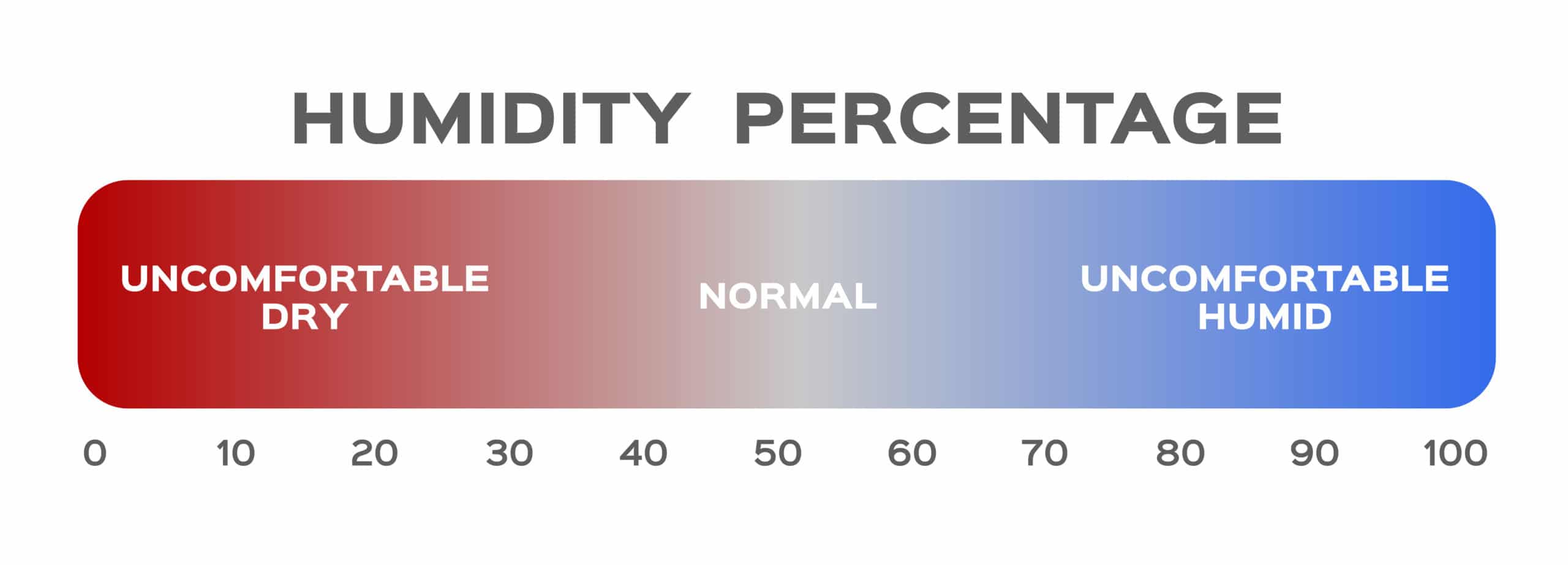
The ideal humidity level for your home during the winter months is typically between 30% and 50%. Aiming for this range helps prevent the discomfort associated with dry air and minimizes the risk of condensation and mold growth. It's important to note that the lower end of this range is often preferable, especially in colder climates.
Here's why this range is optimal:
- Preventing Dryness: A humidity level within this range helps prevent dry skin, chapped lips, and irritated sinuses.
- Protecting Your Home: It also prevents wood furniture, flooring, and musical instruments from drying out and cracking.
- Minimizing Mold Risk: Keeping humidity below 50% reduces the likelihood of condensation forming on windows and walls, which can lead to mold growth.
Q2: How can I measure the humidity level in my home?
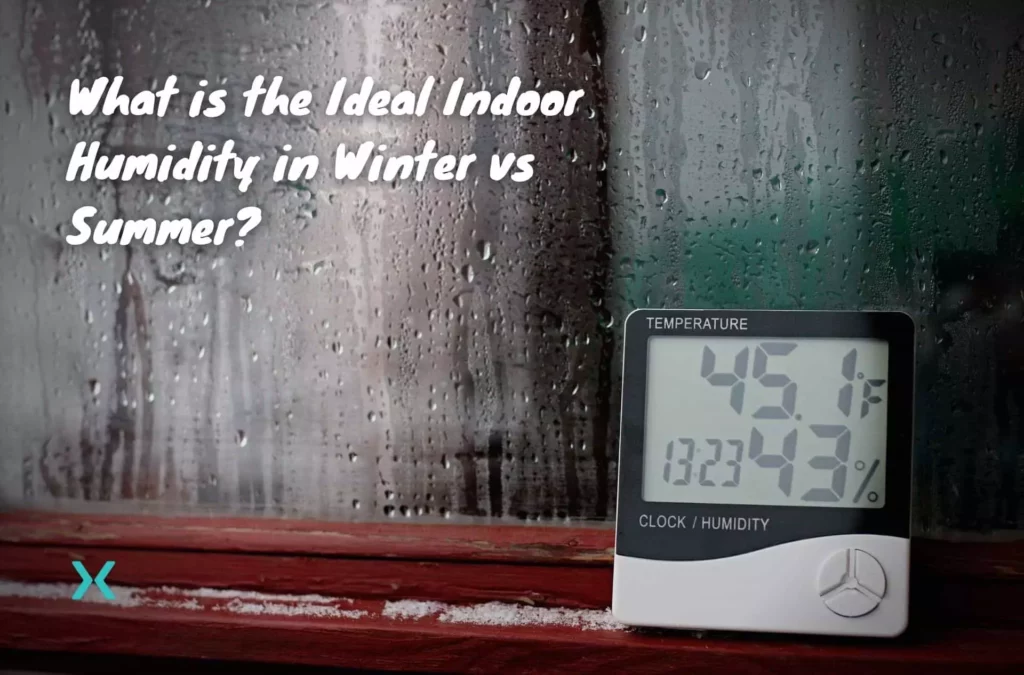
You can easily measure the humidity level in your home using a device called a hygrometer or a humidity meter. These devices are readily available at most hardware stores, home improvement centers, and online retailers. They come in both analog and digital versions, and some even include a thermometer for measuring temperature.
Here's how to use a hygrometer:
- Placement: Place the hygrometer in a central location in your home, away from direct sunlight, drafts, or sources of moisture.
- Reading: Allow the hygrometer to sit for a few hours to acclimate to the environment.
- Monitoring: Check the reading regularly to monitor the humidity level and make adjustments as needed.
Many smart thermostats also have built-in humidity sensors, allowing you to monitor and control both temperature and humidity from a single device.
Q3: What are the signs that my house is too dry in winter?
Several telltale signs can indicate that your home is too dry during the winter. Recognizing these signs early can help you take corrective action before the problem becomes more severe.
Here are some common indicators of low humidity:
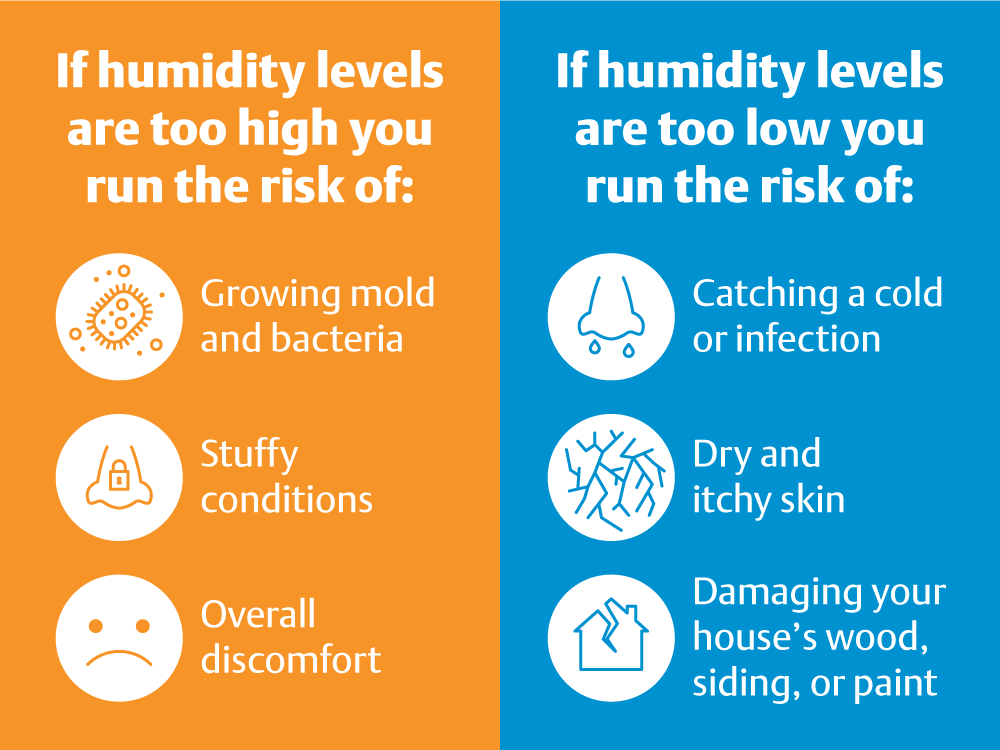
- Dry Skin and Irritated Sinuses: You may experience dry, itchy skin, chapped lips, a scratchy throat, and frequent nosebleeds.
- Static Electricity: Clothes clinging to you, frequent static shocks when touching objects, and hair that is difficult to manage are all signs of dry air.
- Cracked Wood Furniture and Flooring: Wood furniture, floors, and musical instruments can dry out and develop cracks.
- Shrinking Door and Window Frames: Doors and windows may become difficult to close properly due to shrinkage of the frames.
- Increased Respiratory Problems: Dry air can exacerbate asthma and other respiratory conditions.
If you notice any of these signs, it's a good idea to check your humidity level with a hygrometer.
Q4: What are the signs that my house is too humid in winter?
While dry air is a common problem in winter, it's also possible for your home to become too humid, especially if you have poor ventilation or excessive moisture sources.
Here are some signs of high humidity in winter:
- Condensation on Windows: Water droplets forming on the inside of windows is a clear sign of excess humidity.
- Musty Odors: A musty or moldy smell indicates that mold is likely growing somewhere in your home.
- Visible Mold Growth: Look for mold on walls, ceilings, and around windows and doors.
- Dampness: Feeling damp or clammy indoors, even when the temperature is comfortable.
- Peeling Paint or Wallpaper: Excess moisture can cause paint and wallpaper to peel or bubble.
High humidity can lead to serious problems, including mold growth, structural damage, and health issues. If you suspect your home is too humid, take steps to reduce the moisture level immediately.
Q5: How can I increase the humidity in my house during winter?
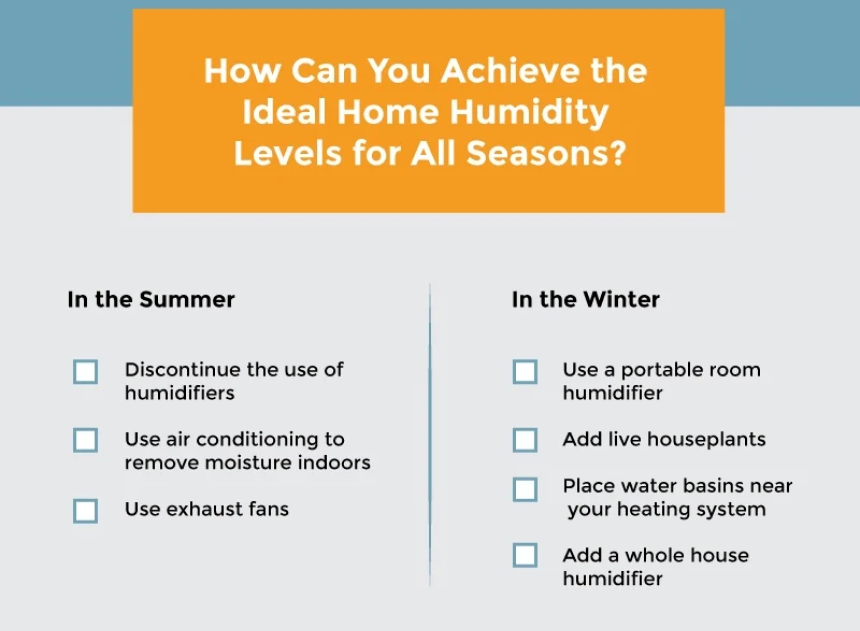
If your hygrometer readings consistently fall below 30%, you need to increase the humidity in your home. There are several ways to do this, ranging from simple solutions to more involved methods.
Here are some effective ways to increase humidity:
- Use a Humidifier: This is the most effective way to add moisture to the air. There are different types of humidifiers, including:
- Central Humidifiers: These are integrated into your home's HVAC system and humidify the entire house.
- Portable Humidifiers: These are smaller units that can be used in individual rooms.
- Evaporative Humidifiers: These use a wick to draw water up and a fan to evaporate it.
- Ultrasonic Humidifiers: These use vibrations to create a fine mist.
- Boil Water: Simmering a pot of water on the stove can release moisture into the air. Be sure to monitor the pot and never leave it unattended.
- Take Longer Showers: Leave the bathroom door open while showering to allow the steam to circulate throughout the house.
- Place Bowls of Water Around the House: Simply filling bowls with water and placing them near radiators or heat sources can help increase humidity.
- Dry Clothes Indoors: Hanging clothes to dry indoors allows moisture to evaporate into the air.
- Houseplants: Plants release moisture into the air through transpiration.
When using a humidifier, be sure to clean it regularly to prevent the growth of mold and bacteria. Follow the manufacturer's instructions for cleaning and maintenance.
Q6: How can I decrease the humidity in my house during winter?
If your hygrometer readings consistently exceed 50%, you need to reduce the humidity in your home. High humidity can lead to mold growth, structural damage, and health problems.
Here are some effective ways to decrease humidity:
- Use a Dehumidifier: This is the most effective way to remove moisture from the air. Choose a dehumidifier with a capacity that is appropriate for the size of the room or area you want to dehumidify.
- Improve Ventilation: Ensure that your home is properly ventilated. Open windows and doors when weather permits, and use exhaust fans in bathrooms and kitchens.
- Fix Leaks: Repair any leaks in your roof, plumbing, or around windows and doors. Even small leaks can contribute to excess humidity.
- Avoid Overwatering Plants: Overwatering plants can increase the humidity in your home. Water plants only when the soil is dry to the touch.
- Take Shorter Showers: Reduce the amount of steam produced by taking shorter, cooler showers.
- Use Air Conditioner: An air conditioner removes humidity as it cools the air.
- Run the Fan After Showering: Always use the bathroom fan during and after showering to remove excess moisture.
Regularly inspect your home for signs of moisture problems and address them promptly. Early detection and remediation can prevent more serious damage.
Q7: Does the outside temperature affect the ideal humidity level inside my home?
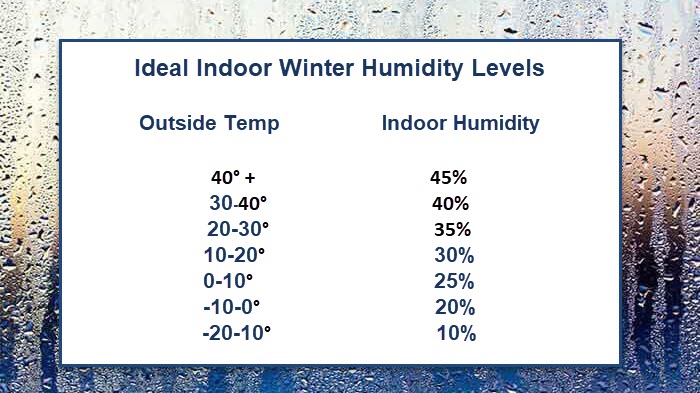
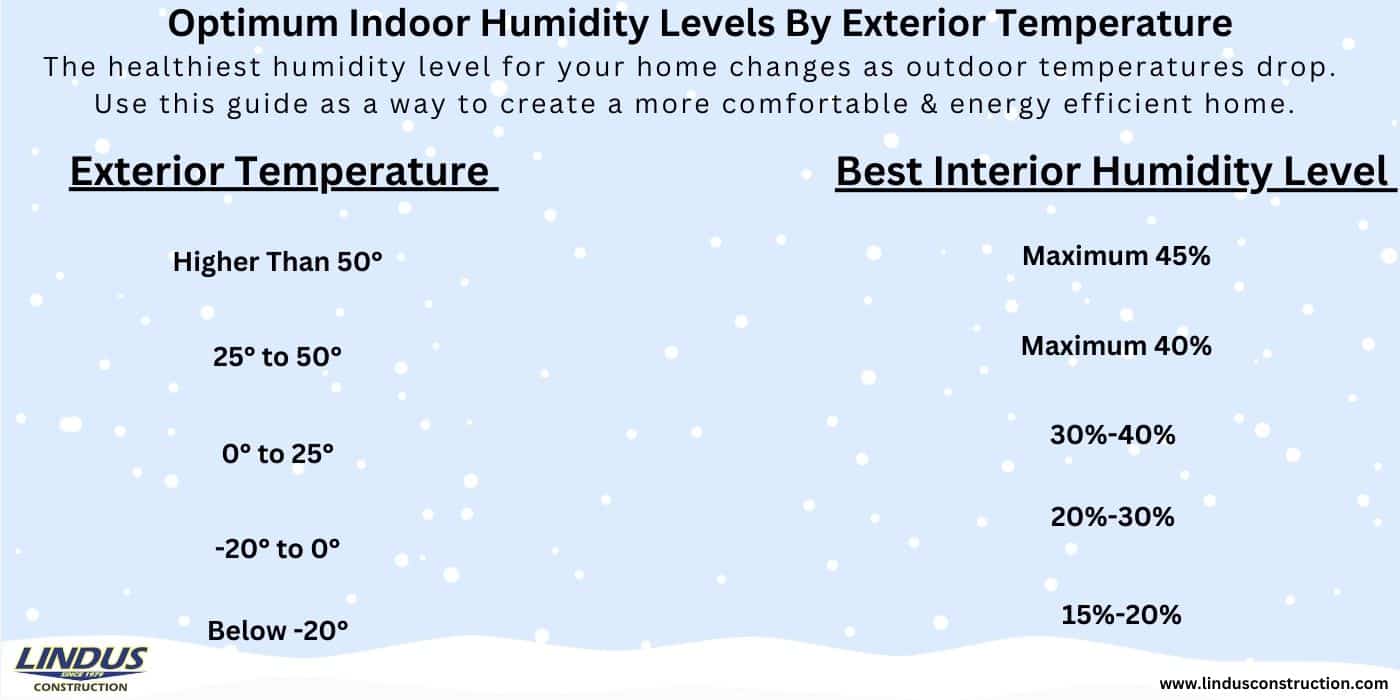
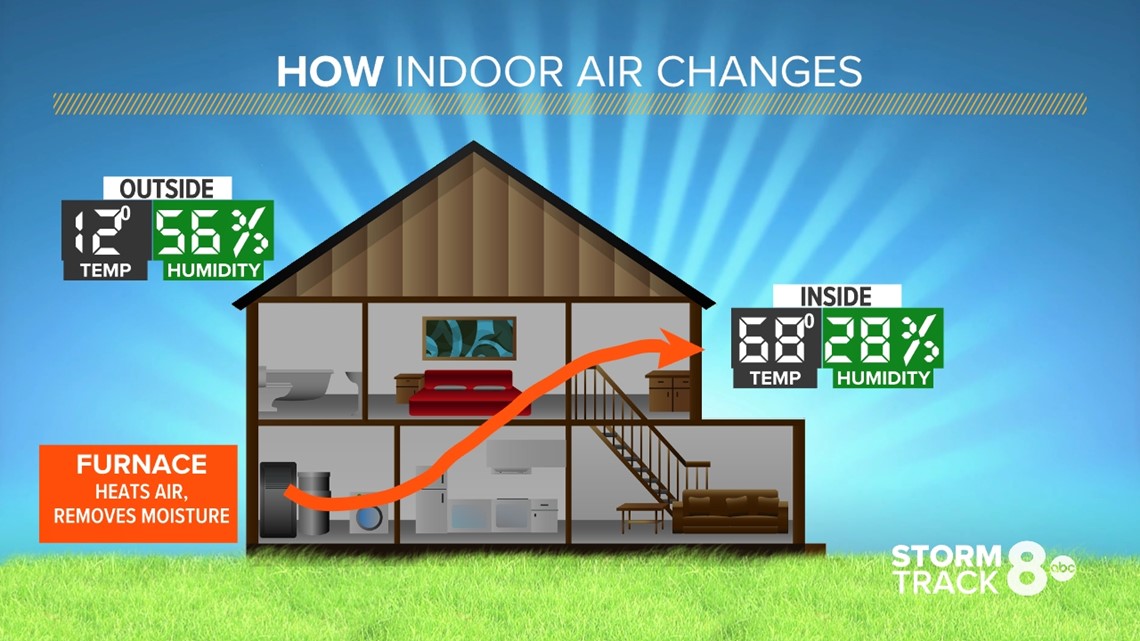
Yes, the outside temperature significantly affects the ideal humidity level inside your home during the winter. As the outside temperature drops, the air's capacity to hold moisture decreases. This means that the colder it is outside, the lower the humidity level you should aim for inside to prevent condensation on windows and walls.
Here's a general guideline:
- Above 20°F: Aim for a humidity level of 40-50%.
- 10°F to 20°F: Aim for a humidity level of 30-40%.
- 0°F to 10°F: Aim for a humidity level of 20-30%.
- Below 0°F: Aim for a humidity level of 10-20%.
These are just guidelines, and you may need to adjust the humidity level based on your specific home and climate. Regularly monitor your windows and walls for condensation and adjust the humidity accordingly. If you notice condensation, lower the humidity. Strive to maintain a healthy balance that protects your home and keeps you comfortable throughout the winter months.