What Size Ac For 12x12 Room
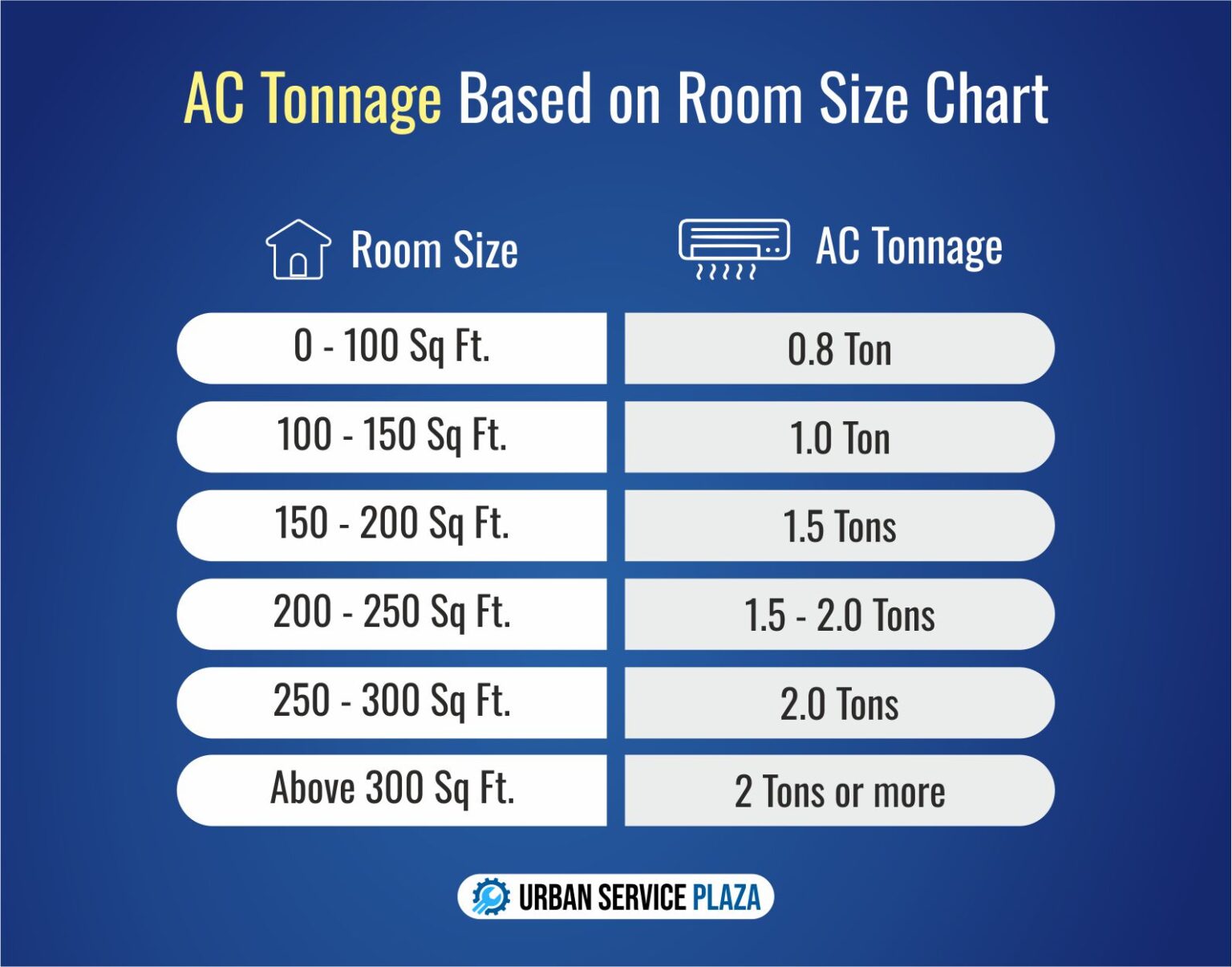
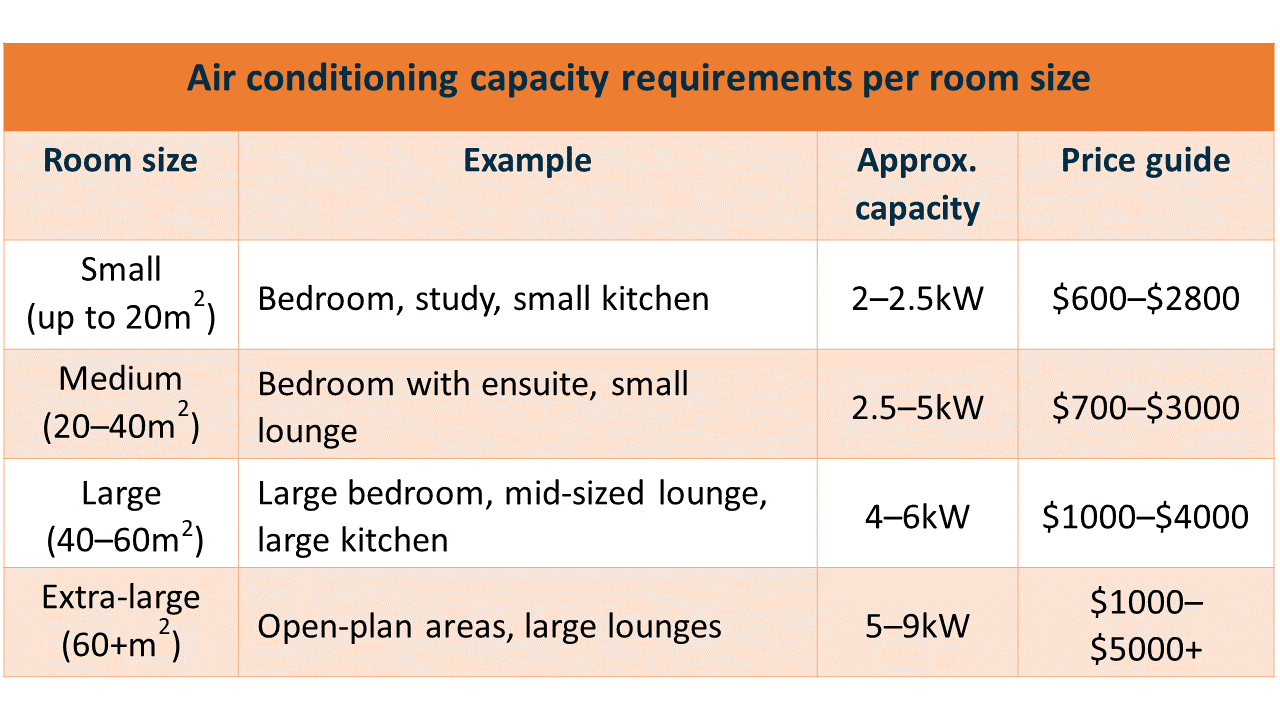
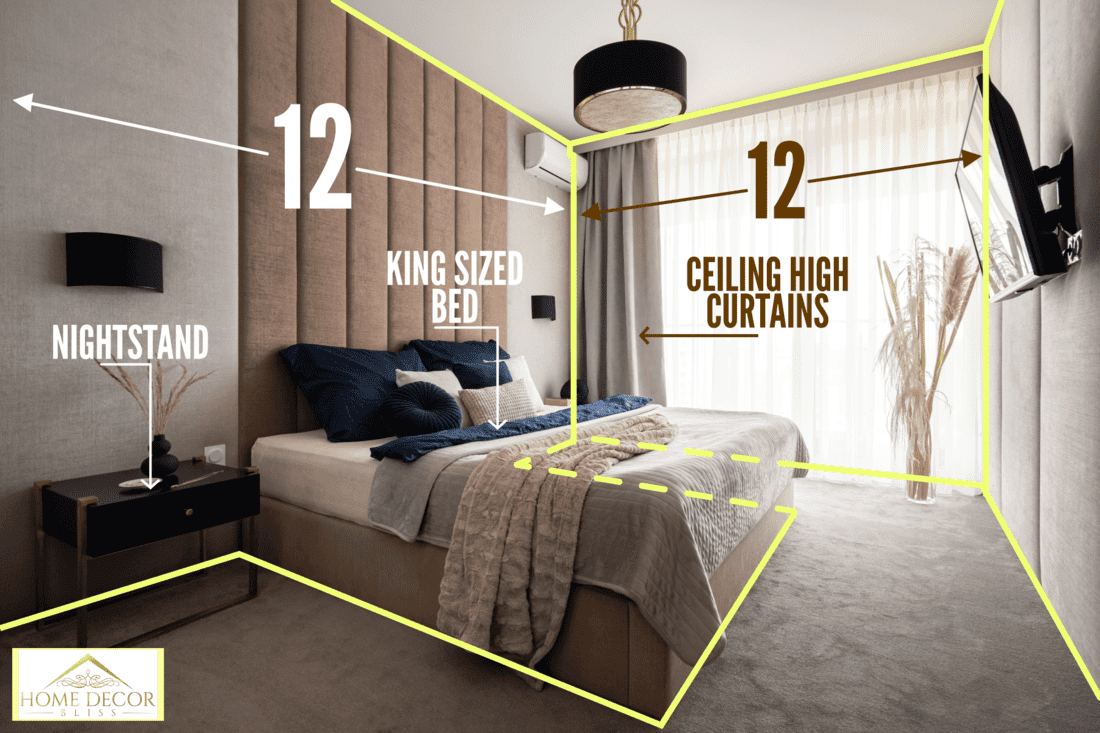
Determining the appropriate air conditioning (AC) unit size for a 12x12 room, or approximately 144 square feet, is crucial for ensuring optimal cooling, energy efficiency, and comfort. Oversized units cool too quickly, leading to short cycling and poor dehumidification, while undersized units struggle to maintain the desired temperature, wasting energy and potentially damaging the compressor. This article provides a comprehensive guide to calculating AC size for a 12x12 room, considering factors beyond square footage, and explores relevant career paths within the HVAC industry.
Calculating BTU Requirements: More Than Just Square Footage
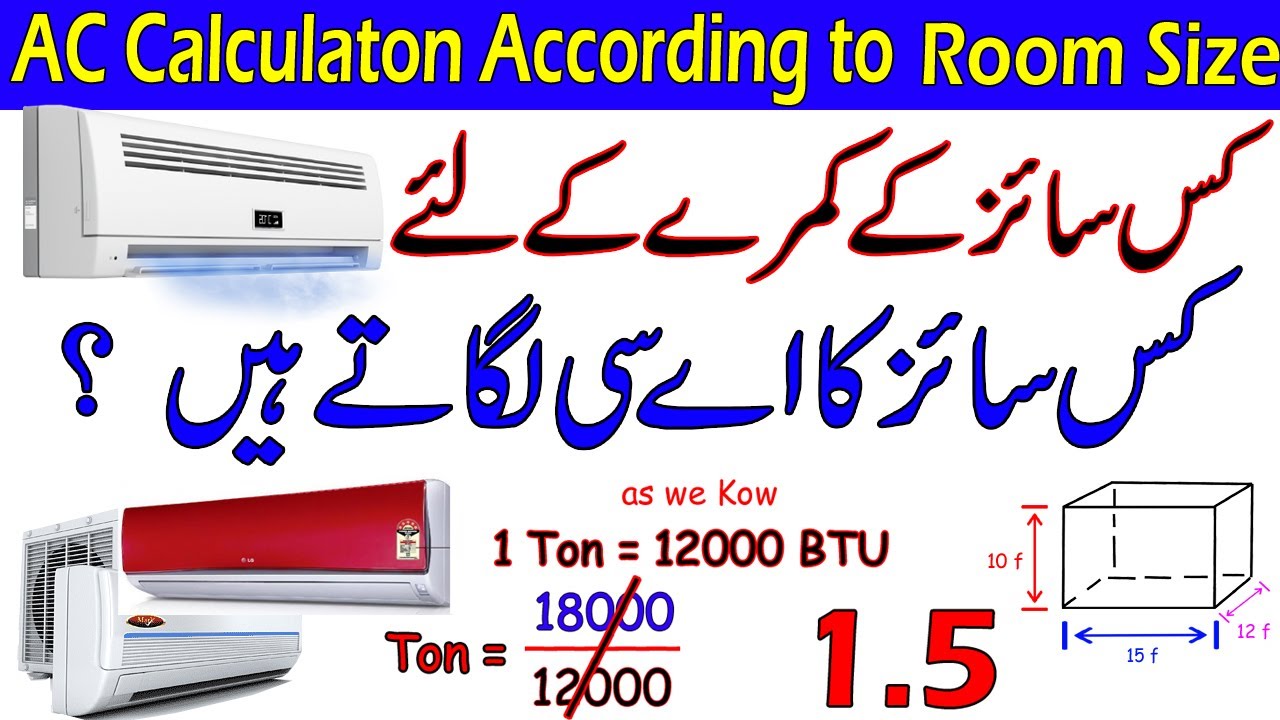
The most common metric for sizing an AC unit is the British Thermal Unit (BTU). A BTU measures the amount of heat required to raise the temperature of one pound of water by one degree Fahrenheit. For a 12x12 room, a simple rule of thumb suggests 20 BTU per square foot. Therefore, 144 square feet would initially suggest a requirement of around 2,880 BTU. However, this is just a starting point. Several other factors significantly influence the actual BTU requirement:
Factors Influencing BTU Calculation:
- Climate: Locations with hotter climates naturally require more cooling power. For instance, a room in Phoenix, Arizona, will need more BTUs than a similar room in Seattle, Washington.
- Insulation: Well-insulated walls and ceilings minimize heat gain, reducing the BTU requirement. Poorly insulated spaces, on the other hand, will necessitate a larger unit.
- Window Size and Orientation: Large windows, especially those facing south or west, allow significant solar heat gain. The type of window (e.g., single-pane, double-pane, low-E coating) also affects heat transfer.
- Occupancy: The number of people regularly occupying the room impacts the cooling load. Each person generates heat, increasing the BTU requirement.
- Heat-Generating Appliances: Computers, televisions, and other appliances produce heat, adding to the overall cooling demand.
- Ceiling Height: Rooms with higher ceilings have a larger volume of air to cool, requiring more BTUs. While a standard 8-foot ceiling is assumed in many calculations, higher ceilings demand adjustments.
A more accurate estimate can be achieved by using an online BTU calculator or consulting with an HVAC professional who can conduct a load calculation considering all these variables.
Example: Consider a 12x12 room in Dallas, Texas (hot climate), with standard insulation, two south-facing windows, occupied by one person, and containing a computer. A simple 2,880 BTU estimate would likely be insufficient. A detailed calculation might reveal a need for 4,000-5,000 BTU.
Types of AC Units Suitable for a 12x12 Room
Several types of AC units are suitable for cooling a 12x12 room. Each has its own advantages and disadvantages:
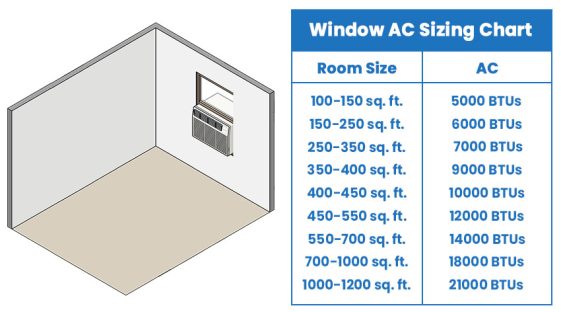
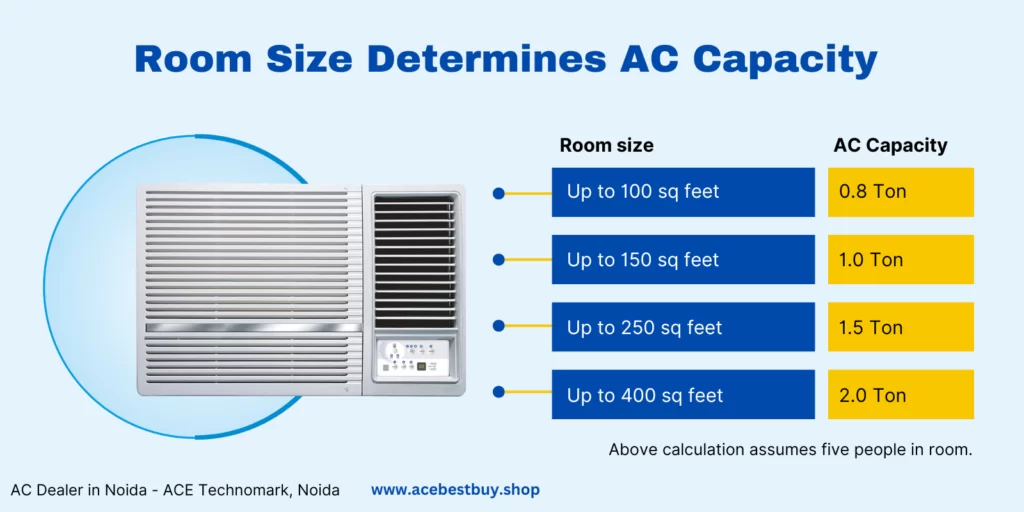
- Window AC Units: These are the most common and affordable option. They are easy to install and relatively energy-efficient for smaller spaces. Window units typically range from 5,000 to 12,000 BTU, making them well-suited for a 12x12 room, provided the appropriate BTU level is selected.
- Portable AC Units: These units are self-contained and can be moved from room to room. They require venting through a window, typically with a hose. While convenient, portable AC units are generally less energy-efficient and noisier than window units.
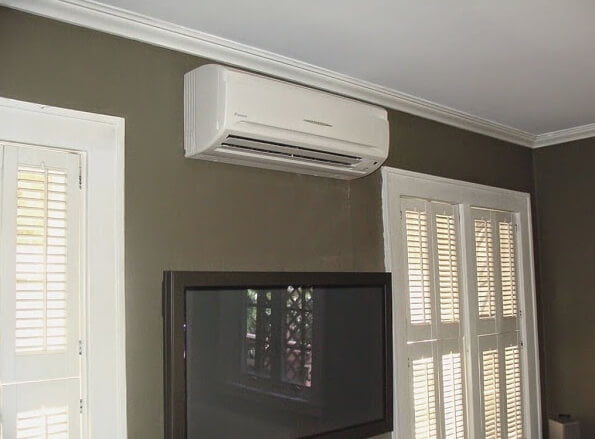
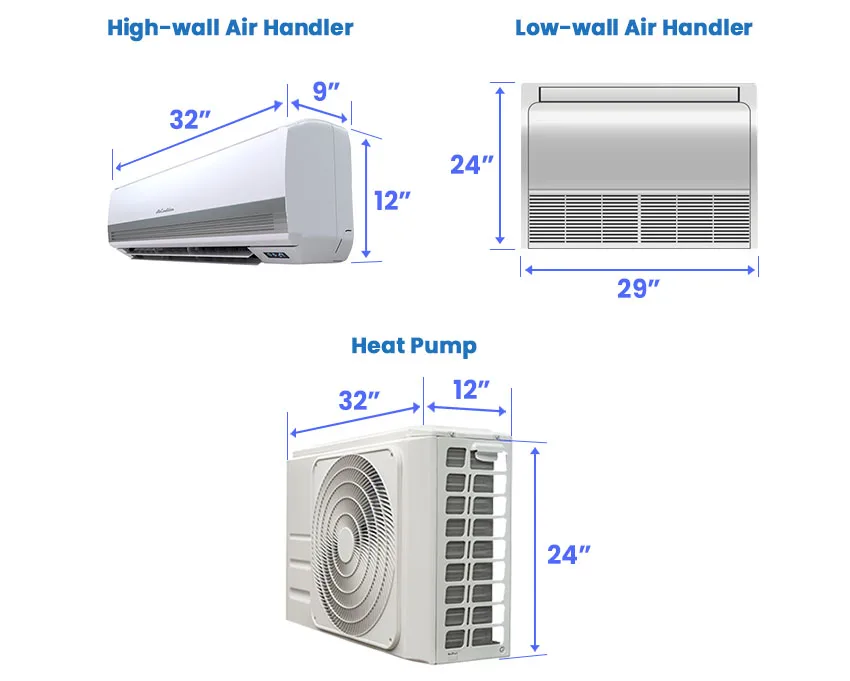
- Mini-Split Systems (Ductless): These systems consist of an outdoor compressor and an indoor air handler mounted on the wall. Mini-splits offer superior energy efficiency, quiet operation, and individual zone control. While more expensive than window or portable units, they provide long-term cost savings and enhanced comfort.
For a 12x12 room, a 5,000 BTU window AC unit might suffice in a well-insulated space with minimal heat sources and a moderate climate. However, in a warmer climate or a room with significant heat gain, a 6,000-8,000 BTU unit might be necessary. Mini-split systems typically start at 9,000 BTU, offering more cooling power than strictly needed for a 12x12 room but providing superior efficiency and control.
The HVAC Industry: A Booming Career Field
The HVAC industry is experiencing significant growth, driven by increasing demand for energy-efficient cooling and heating solutions, stricter environmental regulations, and a growing construction sector. According to the Bureau of Labor Statistics (BLS), the job outlook for HVAC technicians is projected to grow 6 percent from 2022 to 2032, about as fast as the average for all occupations. This growth translates to approximately 38,000 new openings each year, on average, over the decade.
The median annual wage for HVAC mechanics and installers was $59,620 in May 2023. The lowest 10 percent earned less than $37,770, and the highest 10 percent earned more than $86,720. Wages vary depending on experience, location, and specialization.
Career Paths in HVAC:
- HVAC Technician/Installer: Installs, maintains, and repairs heating, ventilation, and air conditioning systems in residential, commercial, and industrial settings.
- HVAC Service Technician: Specializes in diagnosing and repairing HVAC system malfunctions, performing routine maintenance, and ensuring optimal performance.
- HVAC Design Engineer: Designs HVAC systems for new construction and renovation projects, considering energy efficiency, building codes, and client requirements.
- HVAC Sales Engineer: Sells HVAC equipment and services to contractors, building owners, and other clients, providing technical expertise and solutions.
- HVAC Project Manager: Oversees HVAC installation projects, ensuring they are completed on time, within budget, and according to specifications.
Essential Certifications for HVAC Professionals
Certifications are highly valued in the HVAC industry, demonstrating competency and professionalism. Some of the most recognized certifications include:
- EPA Section 608 Certification: Required by the Environmental Protection Agency (EPA) for technicians who handle refrigerants. There are four types of certifications: Type I (small appliances), Type II (high-pressure appliances), Type III (low-pressure appliances), and Universal (all appliance types).
- NATE Certification: The North American Technician Excellence (NATE) certification is a widely recognized credential that demonstrates a technician's knowledge and skills in HVAC systems. NATE offers certifications in various specialties, such as air conditioning, heating, and refrigeration.
- HVAC Excellence Certification: Another respected certification program that assesses a technician's competency in HVAC principles and practices.
- State and Local Licenses: Many states and municipalities require HVAC technicians to be licensed. Licensing requirements vary by location, but typically involve passing an exam and completing an apprenticeship or formal training program.
Obtaining these certifications not only enhances a technician's credibility but also improves their earning potential and career advancement opportunities. Employers often prioritize hiring certified technicians, recognizing their commitment to quality and professionalism.
The Importance of Proper Installation and Maintenance
Even with the correctly sized AC unit, proper installation and regular maintenance are essential for ensuring optimal performance and longevity. Incorrect installation can lead to reduced efficiency, increased energy consumption, and premature equipment failure. Regular maintenance, such as cleaning filters, checking refrigerant levels, and inspecting components, can prevent costly repairs and extend the lifespan of the AC unit.
Maintenance Tips:
- Clean or replace air filters regularly (every 1-3 months).
- Keep the outdoor unit free of debris.
- Schedule annual maintenance with a qualified HVAC technician.
- Inspect and clean coils regularly.
- Check refrigerant levels and pressures.
Real-World Career Examples
Sarah's Story: Sarah started as an HVAC apprentice after completing a vocational training program. She earned her EPA 608 certification and NATE certification within two years. Now, as a service technician for a large commercial HVAC company, she specializes in diagnosing and repairing complex HVAC systems, earning a salary well above the median for her experience level.
David's Story: David initially worked as an HVAC installer for a residential construction company. He pursued further education in HVAC design and engineering, obtaining a bachelor's degree in mechanical engineering. Now, he works as an HVAC design engineer, developing energy-efficient HVAC systems for new buildings, contributing to sustainable building practices.
These examples illustrate the diverse career paths available within the HVAC industry and the importance of continuous learning and professional development.
Conclusion
Determining the appropriate AC size for a 12x12 room requires careful consideration of various factors beyond just square footage. Climate, insulation, window size, occupancy, and heat-generating appliances all play a significant role in the cooling load. Selecting the right type of AC unit and ensuring proper installation and maintenance are also crucial for optimal performance and energy efficiency. The HVAC industry offers promising career opportunities for skilled professionals, with strong job growth and competitive salaries. By investing in education, certifications, and continuous learning, individuals can build successful and rewarding careers in this dynamic field. Employers seeking to hire qualified HVAC professionals should prioritize candidates with relevant certifications and a proven track record of experience.