What Size Ac Unit For 1400 Square Foot House

Choosing the right size air conditioning (AC) unit for your home is crucial for comfort and efficiency. An undersized unit will struggle to cool your home, leading to high energy bills and discomfort. An oversized unit will cycle on and off too frequently, also wasting energy and reducing its lifespan. This guide will help you determine the appropriate AC unit size for a 1400 square foot house.
Understanding AC Sizing: BTUs
AC units are measured in British Thermal Units (BTUs). A BTU represents the amount of energy required to raise the temperature of one pound of water by one degree Fahrenheit. In the context of AC units, BTU/hour indicates the amount of heat the unit can remove from a room per hour. The higher the BTU rating, the more powerful the AC unit.
Calculating the Right BTU for Your 1400 Sq Ft Home
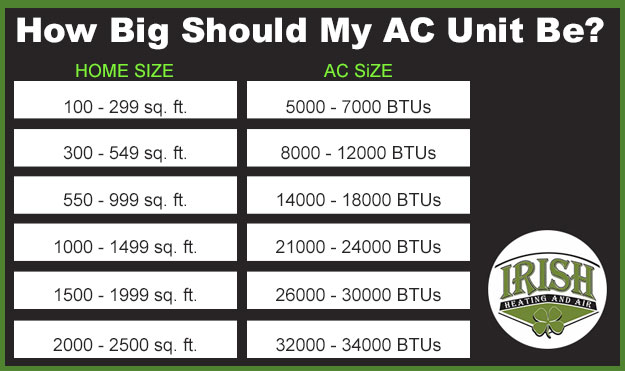
While there's no one-size-fits-all answer, a general rule of thumb is to use 20 BTUs per square foot of living space. For a 1400 square foot house, this equates to:
1400 sq ft x 20 BTU/sq ft = 28,000 BTUs
Therefore, a 28,000 BTU AC unit would be the starting point for your home. However, this is just a baseline. Several other factors can influence the required BTU rating. Let's consider these.
Factors Affecting AC Size Requirements
The 20 BTU per square foot guideline is a good starting point, but to get a more accurate estimate, you need to consider the following:
Climate
The climate you live in significantly impacts the AC size needed. In hotter climates, you'll need a more powerful unit. Consider these adjustments:
- Hot, Arid Climates (e.g., Arizona, Nevada): Increase the BTU rating by 10-15%.
- Hot, Humid Climates (e.g., Florida, Louisiana): Increase the BTU rating by 15-20%.
- Temperate Climates (e.g., California, North Carolina): The baseline calculation is usually sufficient.
- Cooler Climates (e.g., Washington, Maine): You may be able to slightly decrease the BTU rating (5-10%), but it's generally better to err on the side of slightly larger than undersized.
For example, if you live in a hot, humid climate, you might need:
28,000 BTUs x 1.15 (15% increase) = 32,200 BTUs
Insulation
Well-insulated homes require less cooling power. Poorly insulated homes require more. Check your insulation in the attic, walls, and crawl spaces. Common insulation materials include fiberglass, cellulose, and spray foam. If your home is older or has insufficient insulation, consider increasing the BTU rating by 5-10%.
Number of Windows and Doors
Windows and doors are major sources of heat gain. The more windows and doors you have, especially if they are single-pane or not energy-efficient, the larger the AC unit you'll need. Consider these adjustments:
- Many Windows/Doors (especially facing south or west): Increase the BTU rating by 5-10%.
- Energy-Efficient Windows/Doors: No adjustment needed, or possibly even a slight decrease.
Sun Exposure
Homes with significant sun exposure, especially on the south or west side, will require more cooling power. Adjust accordingly:
- Significant Sun Exposure: Increase the BTU rating by 5-10%.
- Shaded Home: No adjustment needed, or possibly a slight decrease.
Ceiling Height
Higher ceilings increase the volume of air that needs to be cooled. If your ceilings are significantly higher than the standard 8 feet, you'll need a larger AC unit. For every foot above 8 feet, consider increasing the BTU rating by 2-3%.
For example, for a 1400 sq ft house with 10-foot ceilings in a temperate climate with standard insulation:
10 ft - 8 ft = 2 ft above standard
2 ft x 2.5% (average of 2-3%) = 5% increase
28,000 BTUs x 1.05 = 29,400 BTUs
Number of Occupants
Each person in your home generates heat. The more people living in the house, the more cooling power you'll need. A good rule of thumb is to add 400 BTUs per person. For example, if you have a family of four:
4 people x 400 BTUs/person = 1600 BTUs
Add this to your base calculation.
Heat-Generating Appliances
Appliances like ovens, stoves, computers, and even lighting can generate heat. If you frequently use these appliances, you may need a slightly larger AC unit. Consider adding 500-1000 BTUs if you regularly use heat-generating appliances.
Calculating Your Adjusted BTU Requirement: An Example
Let's say you have a 1400 square foot house in a hot, humid climate with standard 8-foot ceilings, average insulation, several south-facing windows, and a family of four. Here's how you would calculate the adjusted BTU requirement:
- Base BTU: 28,000 BTUs
- Climate Adjustment (Hot, Humid): 28,000 BTUs x 1.15 = 32,200 BTUs
- Window Adjustment (South-Facing): 32,200 BTUs x 1.05 = 33,810 BTUs
- Occupant Adjustment (4 people): 33,810 BTUs + 1600 BTUs = 35,410 BTUs
In this scenario, you would need approximately a 35,410 BTU AC unit. Since AC units are typically sold in increments of 6,000 BTUs (e.g., 18,000, 24,000, 30,000, 36,000), you would likely choose a 36,000 BTU unit.
AC Unit Types and Considerations
Once you've determined the appropriate BTU rating, you need to consider the type of AC unit that's best for your home:
Central Air Conditioning
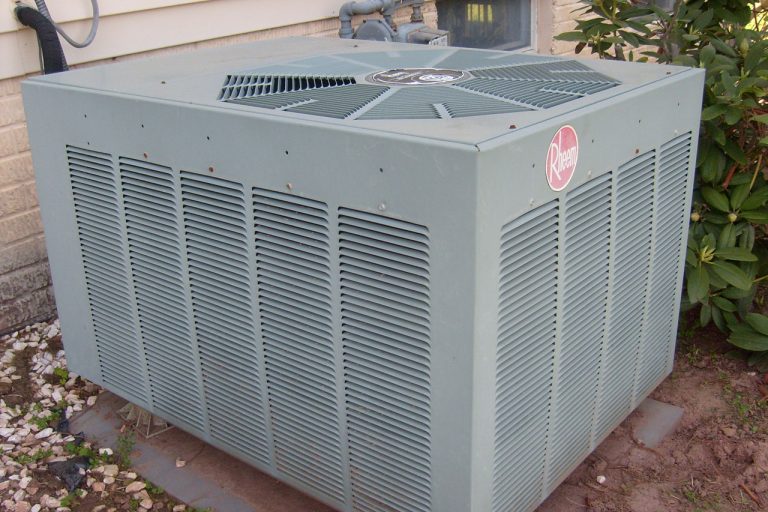
Central AC is the most common type for whole-house cooling. It uses a network of ducts to distribute cool air throughout the house. It consists of an outdoor unit (condenser) and an indoor unit (evaporator coil, usually part of the furnace). Professional installation is generally required.
Ductless Mini-Split Systems
Ductless mini-split systems are a good option for homes without existing ductwork or for cooling specific zones. They consist of an outdoor unit and one or more indoor units mounted on the wall. They are more energy-efficient than window units and offer individual temperature control for each zone. Professional installation is often recommended, especially for multi-zone systems.
Window Units
Window units are the least expensive option and are suitable for cooling a single room. They are easy to install and remove, but they are less energy-efficient than central AC or mini-split systems. A window unit may not be sufficient for a 1400 sq ft home unless you only need to cool a small portion of it.
Portable Air Conditioners
Portable air conditioners are another option for cooling a single room. They are similar to window units, but they sit on the floor and vent through a window using a hose. They are more convenient than window units because they can be easily moved from room to room, but they are generally less efficient.
Understanding SEER Ratings
In addition to BTU rating, it's essential to consider the Seasonal Energy Efficiency Ratio (SEER). The SEER rating indicates the efficiency of an AC unit. The higher the SEER rating, the more energy-efficient the unit. A higher SEER rating translates to lower energy bills over the lifespan of the unit.
The minimum SEER rating currently required by law in the United States is 14. However, many newer models have SEER ratings of 16 or higher. Consider investing in a higher SEER rating to save money on your energy bills in the long run.
Avoiding Common Mistakes
- Oversizing: As mentioned earlier, avoid oversizing your AC unit. An oversized unit will cycle on and off frequently, leading to wasted energy, uneven cooling, and increased wear and tear. It can also create a damp feeling in the house because it doesn't run long enough to properly dehumidify the air.
- Undersizing: An undersized unit will struggle to cool your home, especially on hot days. It will run constantly, consuming more energy and shortening its lifespan.
- Ignoring Insulation: Failing to account for insulation can lead to an inaccurate BTU calculation. Proper insulation is crucial for energy efficiency.
- DIY Installation: While window units are easy to install yourself, central AC and ductless mini-split systems generally require professional installation. Improper installation can void warranties and lead to performance issues.
Professional Consultation
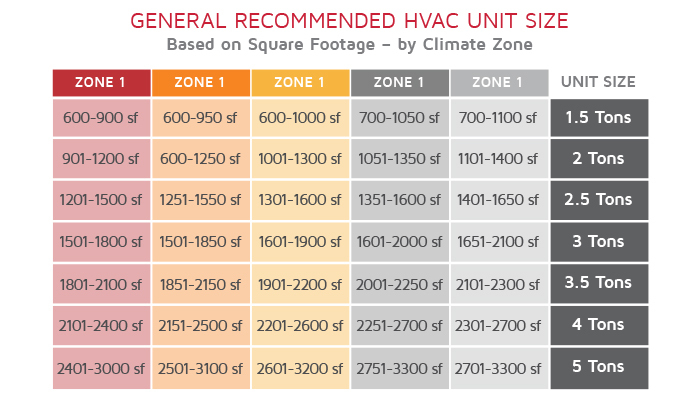
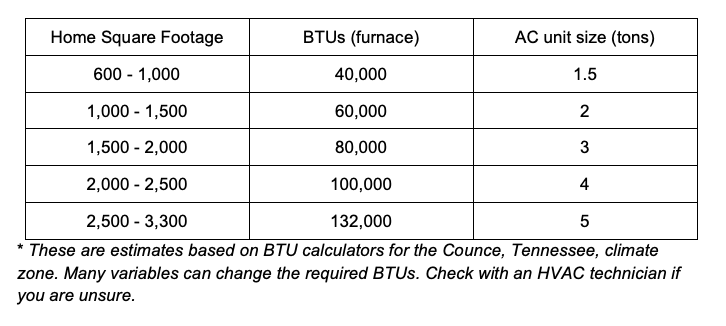
While this guide provides a framework for determining the appropriate AC unit size, it's always a good idea to consult with a qualified HVAC professional. An HVAC professional can perform a load calculation, taking into account all the factors that affect your home's cooling needs, and recommend the best AC unit for your specific situation. They can also ensure proper installation, which is essential for optimal performance and longevity.
A professional consultation will involve a detailed assessment of your home, including:
- Square footage
- Insulation levels
- Window and door types and orientation
- Climate
- Ceiling heights
- Number of occupants
- Air leakage assessment (using a blower door test)
Conclusion
Choosing the right size AC unit for your 1400 square foot house is an important decision that can impact your comfort, energy bills, and the lifespan of the unit. By considering the factors outlined in this guide and consulting with a qualified HVAC professional, you can ensure that you select the perfect AC unit for your needs. Remember that the 20 BTU per square foot rule is a starting point, and adjustments need to be made based on your specific circumstances. Taking the time to do your research and get professional advice will pay off in the long run with a comfortable and energy-efficient home. Investing in a properly sized and installed AC unit is an investment in your home's comfort and value.


:max_bytes(150000):strip_icc()/air-conditioning-chart-1152654_final-02-c37c8b4fdf08432baf378e8f0cb9d8e0.jpg)