What Size Drill Bit For 1 2 Npt Tap
Drilling for Success: Choosing the Right Drill Bit for a 1/2 NPT Tap (and Saving Energy!)
When tackling plumbing or HVAC projects that require tapping a 1/2 inch National Pipe Thread (NPT), accuracy is paramount. Choosing the wrong drill bit size can lead to weak connections, leaks, and ultimately, wasted energy. This article will guide you through selecting the correct drill bit, ensuring a secure and energy-efficient seal. We'll also explore how proper pipe threading contributes to overall energy savings in your home or business, tying into the broader picture of sustainable HVAC practices and smart home integration.
Understanding NPT and Why Threading Matters
NPT, or National Pipe Thread, is a U.S. standard for tapered threads used to join and seal pipes and fittings. Unlike straight threads, NPT threads are designed to create a pressure-tight seal as they are tightened. The taper creates friction and wedging action, preventing leaks when properly installed. This is especially crucial in HVAC systems where pressurized refrigerants or water are circulating.
A poorly threaded connection due to an incorrect drill bit size can compromise this seal. Leaks, even small ones, can lead to:
- Reduced HVAC Efficiency: Leaking refrigerant means your system has to work harder to achieve the desired temperature, consuming more energy. Similarly, water leaks in hydronic heating systems reduce efficiency.
- Increased Energy Bills: The increased workload on your HVAC system translates directly into higher electricity or gas bills.
- Equipment Damage: Constant stress from leaks can damage components and shorten the lifespan of your HVAC system.
- Environmental Impact: Refrigerant leaks contribute to greenhouse gas emissions, further impacting the environment. Many modern, energy-efficient HVAC systems use refrigerants with lower Global Warming Potential (GWP), but preventing leaks is still essential.
The Magic Number: Drill Bit Size for a 1/2 NPT Tap
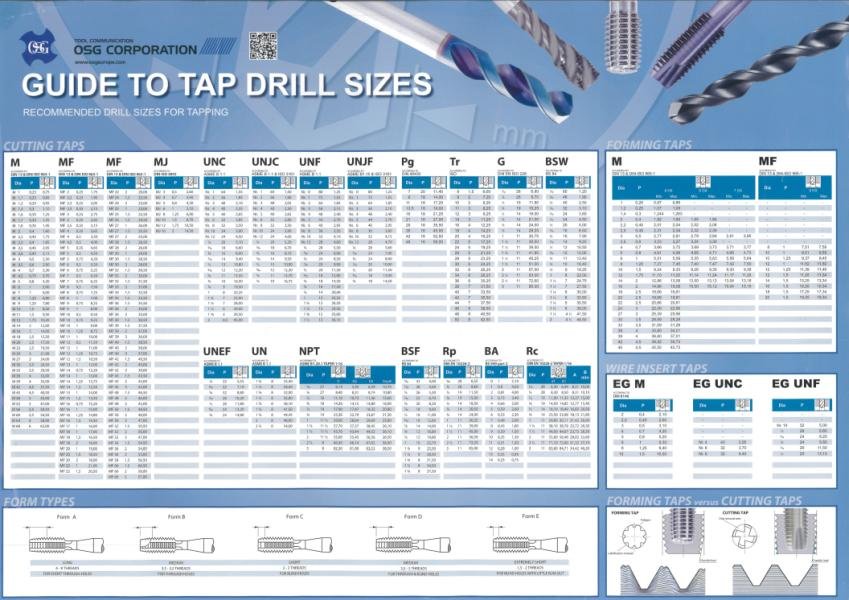
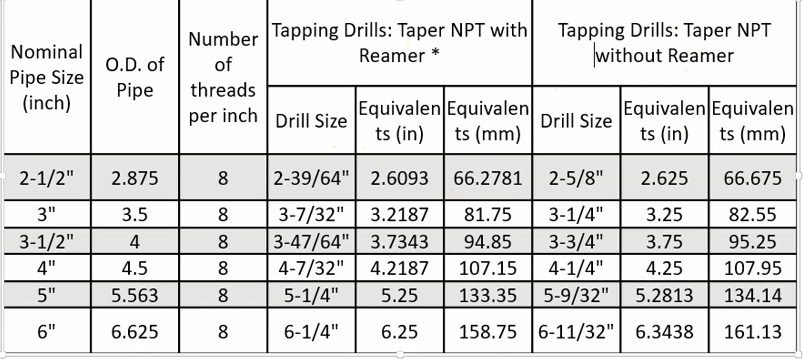
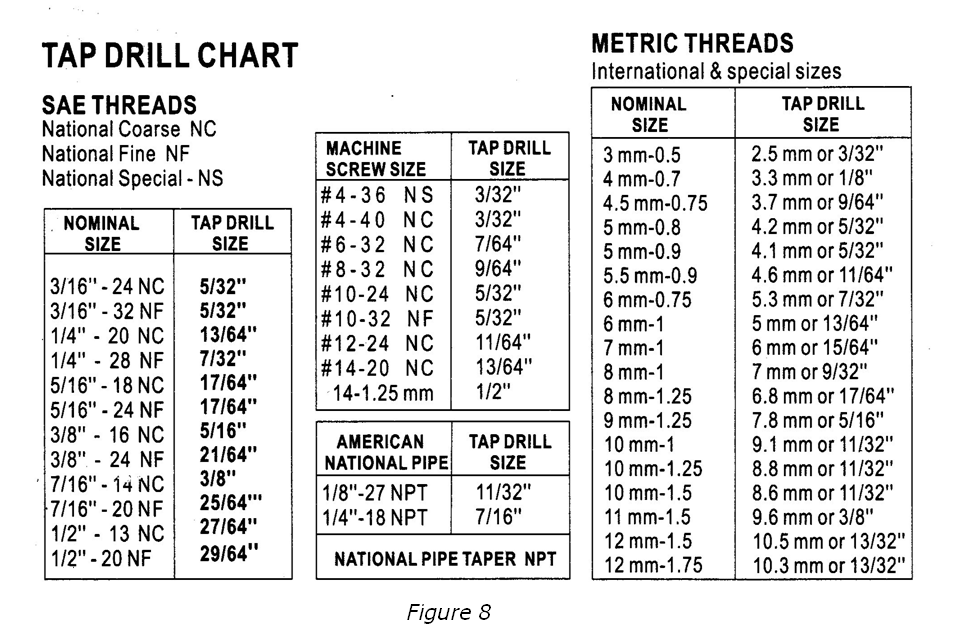
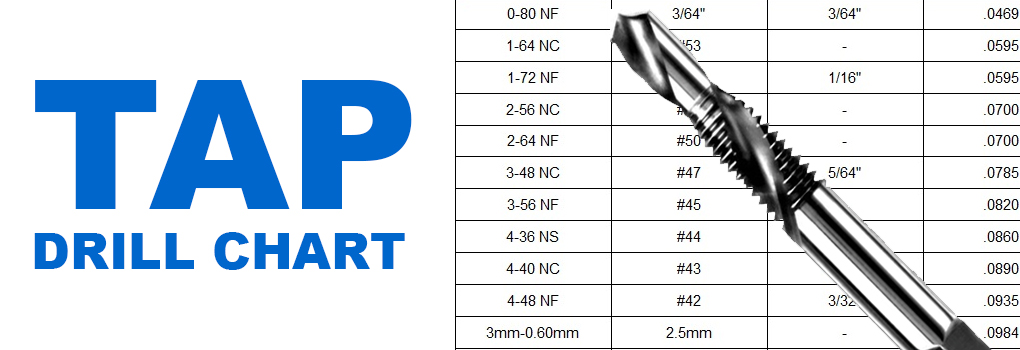
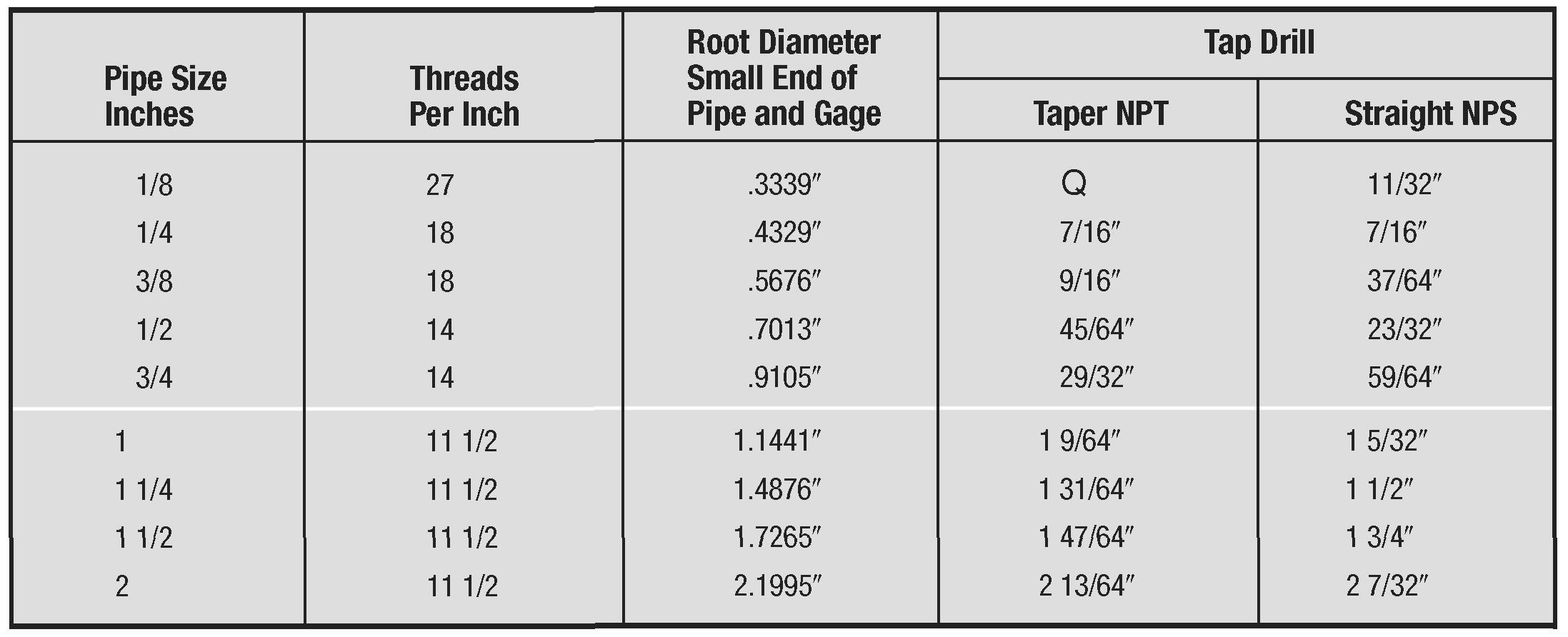
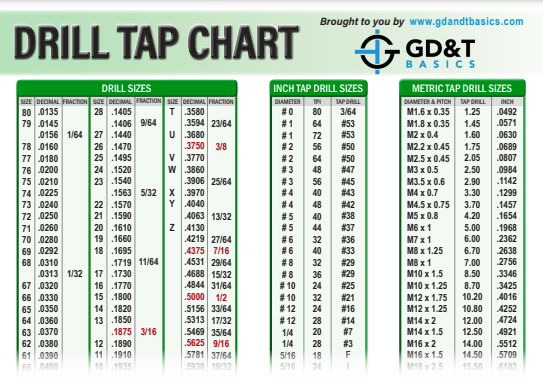
For a 1/2 inch NPT tap, the recommended drill bit size is typically 37/64 inch (0.5781 inches or approximately 14.7 mm). However, there's a caveat: Some manufacturers may recommend a slightly different size. Always consult the manufacturer's specifications for the specific tap you are using. It is generally safer to err on the side of slightly larger than slightly smaller. A slightly larger hole will result in a shallower thread, but a hole that is too small can cause you to break the tap.
Why not just use a 1/2 inch drill bit? Because the NPT tap needs to cut threads into the material. The hole needs to be slightly smaller than the outer diameter of the pipe thread to allow the tap to create those threads. A 1/2 inch drill bit would create a hole too large, resulting in no threads or very shallow, unusable threads.
Step-by-Step Guide to Tapping a 1/2 NPT Thread
- Gather Your Materials: You'll need the correct 37/64 inch drill bit (or the manufacturer's recommended size), a 1/2 NPT tap, a tap handle, cutting oil, a drill (preferably a drill press for greater accuracy), safety glasses, and gloves.
- Prepare the Workpiece: Securely clamp the workpiece in a vise or on a stable surface. Make sure the area where you'll be drilling is clean and free of debris.
- Drill the Pilot Hole: Using the 37/64 inch drill bit, drill a straight and perpendicular pilot hole through the workpiece. Using a drill press ensures the hole is drilled at a 90-degree angle, which is crucial for proper thread engagement.
- Apply Cutting Oil: Liberally apply cutting oil to both the tap and the inside of the drilled hole. Cutting oil lubricates the tap, reduces friction, and helps to create cleaner threads.
- Start Tapping: Insert the tap into the hole and gently turn it clockwise using the tap handle. Apply even pressure and turn the tap a few rotations, then reverse it slightly to break the chip and prevent binding.
- Continue Tapping: Continue this process, applying cutting oil frequently, until the tap has created the desired depth of threads. Refer to the tap's specifications for the correct thread depth.
- Clean the Threads: Once you've finished tapping, remove the tap and clean the threads with a brush and cutting oil to remove any metal shavings.
- Test the Fit: Test the fit of the 1/2 inch NPT fitting. It should thread in smoothly and snugly.
The Importance of Using the Right Tools
Using the correct tools is crucial for a successful and leak-free NPT connection. Here's why:
- Drill Bit Quality: Invest in high-quality drill bits made from high-speed steel (HSS) or cobalt. These bits are more durable and will create cleaner, more accurate holes.
- Tap Quality: Use a high-quality NPT tap made from hardened steel. Cheap taps can easily break or produce uneven threads.
- Tap Handle: A good tap handle provides leverage and control, making it easier to turn the tap and create consistent threads.
- Cutting Oil: Always use cutting oil to lubricate the tap and reduce friction. This will help to prevent the tap from breaking and will produce cleaner threads. Specific cutting oils are formulated for different metals, so select the correct one for your application.
Connecting Threading to Energy Efficiency: A Holistic View
While drilling and tapping might seem like a small part of a larger HVAC system, its impact on energy efficiency is significant. Consider this scenario:
A homeowner installs a new, energy-efficient heat pump (Energy Star certified, of course!). They connect the refrigerant lines using improperly threaded fittings. These fittings leak, causing the heat pump to lose refrigerant. The heat pump now has to work harder to maintain the desired temperature, consuming more electricity. The homeowner's energy bills increase, negating some of the savings they expected from the new heat pump. Furthermore, the leaking refrigerant damages the environment and the homeowner will eventually need to pay for a costly refrigerant recharge.
This example illustrates the importance of paying attention to detail, even in seemingly minor aspects of HVAC installation and maintenance. Properly threaded connections are essential for ensuring the long-term efficiency and performance of your HVAC system. Additionally, improper connections in hydronic systems can cause leaks which result in water waste and potential property damage.
Smart Home Integration and Leak Detection
Integrating your HVAC system with a smart home system can provide an additional layer of protection against leaks and energy waste. Smart thermostats, for example, can monitor system performance and alert you to potential problems, such as refrigerant leaks (indicated by longer run times or difficulty reaching the set temperature). Smart water leak detectors can be placed near plumbing connections to provide an early warning of any leaks, allowing you to address the problem before it causes significant damage or energy loss.
Several companies offer smart leak detection systems that integrate with smart home platforms like Google Home or Amazon Alexa. These systems can automatically shut off the water supply in the event of a leak, preventing further damage and saving water. They can also track water usage patterns and identify potential leaks that might otherwise go unnoticed.
Rebates and Incentives for Energy-Efficient HVAC Systems
Many utility companies and government agencies offer rebates and incentives for installing energy-efficient HVAC systems and making energy-saving upgrades to your home. These rebates can help to offset the cost of new equipment and make energy-efficient upgrades more affordable. Check with your local utility company and state energy office to see what rebates and incentives are available in your area. The Energy Star website is also a valuable resource for finding information on energy-efficient products and rebates.
For HVAC Contractors: Selling the Benefits of Precision and Efficiency
As an HVAC contractor, you can differentiate yourself by emphasizing the importance of precision and attention to detail in your work. Explain to your clients how properly threaded connections, high-quality materials, and smart home integration can lead to significant energy savings and long-term cost reductions. Highlight the benefits of Energy Star certified equipment and the available rebates and incentives. By positioning yourself as an expert in energy efficiency, you can attract clients who are looking for sustainable and cost-effective HVAC solutions. Furthermore, documenting your process and using quality control checklists helps maintain consistency across all projects.
Conclusion: Threading the Needle Towards Energy Savings
Choosing the correct drill bit for a 1/2 NPT tap is a seemingly small detail, but it plays a crucial role in ensuring the energy efficiency and longevity of your HVAC system. By understanding the importance of proper threading, using the right tools, and embracing smart home integration, you can minimize leaks, reduce energy waste, and save money on your energy bills. Remember to consult the manufacturer's specifications for the specific tap you are using and to prioritize precision and quality in all your HVAC projects. Ultimately, a commitment to energy efficiency benefits not only your wallet but also the environment.