What Size Generator For Air Conditioner
Ensuring comfort during power outages is a growing concern for homeowners and businesses alike. A critical component of maintaining that comfort is the air conditioner. However, running an AC unit requires significant power, making generator sizing a crucial consideration. This article will guide HVAC professionals, students, employers, and homeowners through the process of selecting the right size generator for air conditioning systems, covering essential calculations, industry trends, and career opportunities related to power solutions.
Understanding Air Conditioner Power Requirements
The first step in determining the appropriate generator size is understanding your air conditioner's power needs. AC units are typically rated in BTUs (British Thermal Units), which measure their cooling capacity. However, generators are rated in watts (W) or kilowatts (kW). Converting between these units requires a few key considerations:
Calculating Starting and Running Watts
Air conditioners have two distinct power requirements: running watts and starting watts. Running watts represent the continuous power needed to keep the unit operating once it's started. Starting watts, also known as surge watts, are the momentary power surge required to initially start the compressor motor. This starting surge can be significantly higher than the running wattage.
Here's a general formula to estimate wattage requirements:
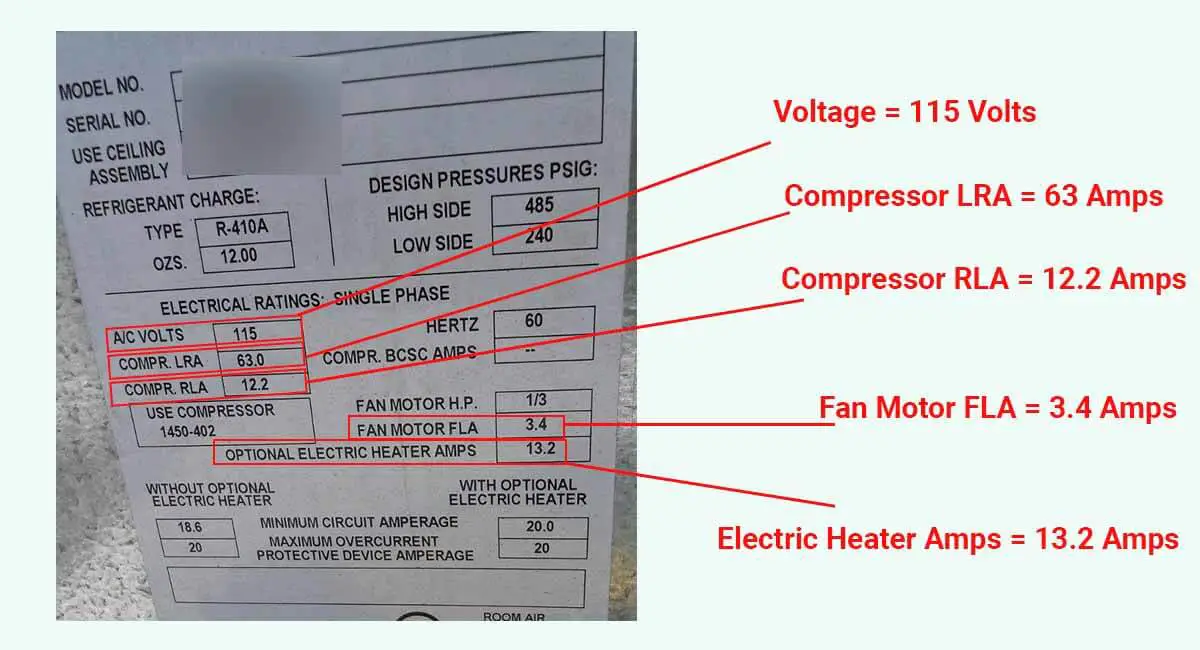
* Running Watts (RW): Find the unit's amperage (A) on the nameplate and multiply by the voltage (V), typically 120V or 240V (RW = A x V). * Starting Watts (SW): Multiply the running watts by a factor that depends on the type of motor. For most AC units, this factor is between 2 and 3. (SW = RW x 2 or RW x 3).Example: A window AC unit rated at 10 amps running on 120V will have running watts of 1200W (10A x 120V). Its starting watts could range from 2400W to 3600W. This means the generator must be able to handle this surge.
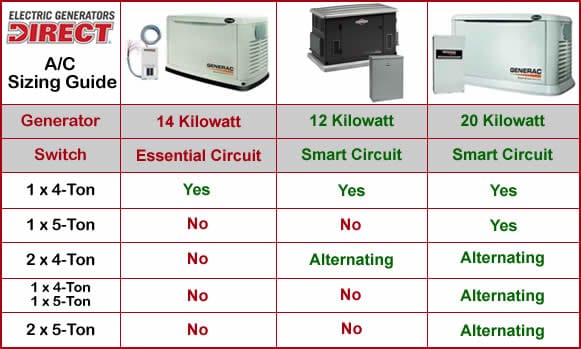
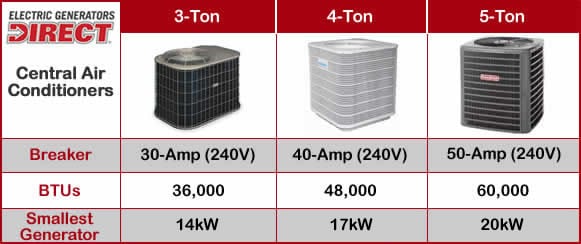
For central air conditioning systems, the wattage requirements are considerably higher. A 3-ton central AC unit can easily require 3500 running watts and 10,000 starting watts or more.
Considering Additional Appliances
It's crucial to factor in other appliances you plan to run simultaneously with the air conditioner. Common examples include refrigerators, lights, TVs, and computers. Calculate the running wattage for each appliance and add them to the AC unit's running wattage to determine the total running wattage requirement. Remember to also account for the largest starting wattage among all appliances you plan to run simultaneously.
Example: If, in addition to the window AC unit from the previous example, you also need to power a refrigerator (200W running, 600W starting) and a few lights (100W), your total running wattage requirement would be 1200W (AC) + 200W (Fridge) + 100W (Lights) = 1500W. The highest starting wattage is the AC's 2400W-3600W.
Generator Types and Sizing
Generators come in various types, each with its own advantages and disadvantages:
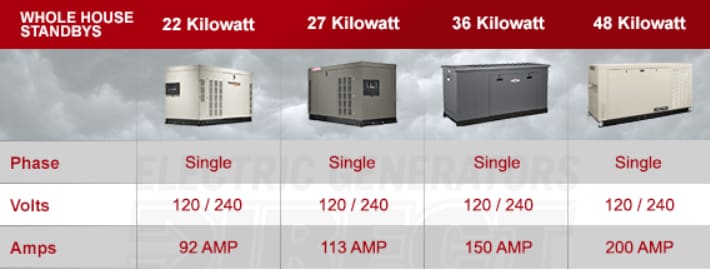
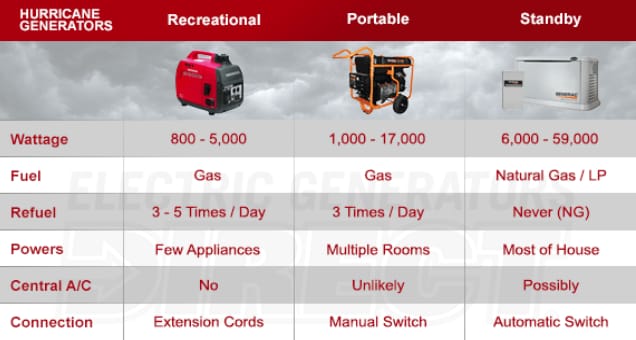
* Portable Generators: Offer flexibility and are suitable for smaller loads and temporary power needs. * Inverter Generators: Produce clean, stable power and are ideal for sensitive electronics. Generally more expensive. * Standby Generators: Permanently installed and automatically switch on during a power outage. They are the most expensive option but offer the most convenience.When sizing a generator, it's wise to choose one that provides a buffer above your calculated requirements. A good rule of thumb is to add 10-20% extra capacity to accommodate unexpected surges or future appliance additions. Overloading a generator can damage both the generator and the connected appliances.
The HVAC Professional's Role in Generator Sizing
HVAC professionals play a vital role in advising homeowners and businesses on appropriate generator sizing. Their expertise in understanding AC unit specifications, electrical loads, and safety regulations is invaluable. This service can be a significant revenue stream for HVAC businesses.
Career Paths in Power Solutions
The increasing demand for backup power solutions is creating new career opportunities for HVAC technicians. Specializing in generator installation, maintenance, and repair can be a lucrative career path. Common roles include:
* Generator Technician: Installs, services, and repairs generators. * HVAC System Designer: Designs HVAC systems with integrated backup power solutions. * Sales Engineer: Sells and consults on generator systems for residential and commercial clients.According to the Bureau of Labor Statistics, the median annual wage for HVAC technicians was $51,390 in May 2021. However, technicians specializing in areas like generator systems can command higher salaries, especially with certifications and experience.
Essential Certifications
To excel in the HVAC and generator field, several certifications are highly valued:
* NATE (North American Technician Excellence): Demonstrates competency in HVAC knowledge and skills. * EPA Section 608 Certification: Required for handling refrigerants. * EGSA (Electrical Generating Systems Association) Certification: Specifically focuses on generator systems. * Manufacturer-Specific Training: Offered by generator manufacturers like Generac and Kohler.Earning these certifications not only enhances your skills but also improves your marketability and earning potential.
Industry Trends and Future Outlook
The HVAC industry is experiencing several key trends that impact generator sizing and power solutions:
* Increased Demand for Smart Home Integration: Consumers want generators that can be integrated with smart home systems for remote monitoring and control. * Growing Adoption of Energy-Efficient AC Units: More efficient AC units require less power, potentially reducing the generator size needed. However, these often utilize variable speed drives, which can complicate starting wattage calculations. * Rise of Renewable Energy Sources: Integrating solar panels and battery storage with generators is becoming increasingly common, offering greater energy independence.According to reports, the global generator market is projected to reach $35 billion by 2027, driven by factors such as increasing power outages and growing infrastructure development. This growth presents significant opportunities for HVAC professionals who are knowledgeable about power solutions.
Practical Considerations for Employers
For HVAC employers, it's crucial to invest in training and certification for your technicians in the area of generator systems. Offering services like generator installation and maintenance can expand your business and attract new customers. Additionally, understanding generator sizing is crucial for offering comprehensive HVAC solutions.
Hiring Skilled Technicians
When hiring HVAC technicians, prioritize candidates with experience or certifications related to generator systems. Look for candidates who understand electrical codes, generator troubleshooting, and safety procedures. Offering competitive salaries and benefits packages is essential for attracting and retaining top talent.
Investing in Training and Equipment
Provide your technicians with ongoing training on the latest generator technologies and best practices. Equip them with the necessary tools and equipment for installing, servicing, and repairing generators safely and efficiently. This investment will improve the quality of your services and enhance your company's reputation.
Conclusion
Determining the correct generator size for an air conditioner requires careful consideration of various factors, including starting and running wattage, additional appliances, and generator type. HVAC professionals play a crucial role in guiding homeowners and businesses through this process. By specializing in generator systems and earning relevant certifications, HVAC technicians can enhance their career prospects and contribute to the growing demand for reliable backup power solutions. For employers, investing in training and hiring skilled technicians in this area can expand their business and meet the evolving needs of their customers. As the HVAC industry continues to evolve, understanding power solutions will become increasingly important for success.