What Size Generator To Run Air Conditioner

Frequently Asked Questions: Generator Sizing for Air Conditioners
Choosing the right size generator to power your air conditioner is crucial for both comfort and the longevity of your appliances. Undersized generators can struggle to start your AC, leading to damage, while oversized generators are inefficient and waste fuel. This FAQ provides answers to common questions to help you make an informed decision.
Q1: Why is it important to choose the right size generator for my air conditioner?
Choosing the correct generator size is essential for several reasons:
- Preventing Damage: An undersized generator can't provide the start-up surge that air conditioners require, leading to strain on both the generator and the AC unit. This can cause premature failure.
- Ensuring Efficient Operation: An oversized generator will run inefficiently, wasting fuel and potentially damaging the generator itself over time due to "wet stacking" (unburned fuel accumulating).
- Maintaining Air Conditioner Performance: If the generator can't handle the initial surge, the air conditioner may not cool effectively or cycle properly, impacting comfort.
- Safety: Overloading a generator can create a fire hazard.
Q2: What is a "start-up surge" and why is it so important when sizing a generator for an air conditioner?
The start-up surge is the brief but significant increase in power required when an air conditioner's compressor initially kicks on. This is because the compressor motor needs considerably more power to overcome inertia and start spinning than it does to maintain its operation once it's running smoothly.
Think of it like pushing a car: It takes more effort to get it moving from a standstill than it does to keep it rolling. The same principle applies to an AC compressor. The start-up surge can be 2-3 times (or even more for older units) the air conditioner's running wattage. Failing to account for this surge is the most common mistake people make when choosing a generator.
Q3: How do I determine the running wattage and starting wattage of my air conditioner?
There are several ways to find this information:
- Check the Air Conditioner's Nameplate: The most reliable source is the nameplate, a sticker usually located on the outside of the AC unit. It will list the voltage (e.g., 120V or 240V) and amperage (amps). You might also find the wattage (watts) directly listed. If only amps are given, use the formula: Watts = Volts x Amps. Look for "Locked Rotor Amps" (LRA) as that is what is used to calculate the start up wattage.
- Consult the Owner's Manual: The owner's manual should also provide the running wattage and potentially the start-up wattage or LRA.
- Contact the Manufacturer: If you can't find the information in the manual or on the nameplate, contact the air conditioner manufacturer directly. Provide them with the model number.
- Use a Wattage Meter: For a more precise measurement of the actual running wattage, you can use a wattage meter or an energy monitor. Plug the air conditioner into the meter, and it will display the power consumption in real-time. This won't measure the start-up surge but can give you a good baseline.
Once you have the amperage, you can calculate the wattage using the formula: Watts = Volts x Amps. For example, if your 120V air conditioner has a nameplate indicating 10 amps running current and LRA of 40, then running wattage is 1200 watts and start-up surge is 4800 watts. Most nameplates do not provide wattage of LRA but most provide amperage or LRA.
Q4: What size generator do I need if I want to run my air conditioner AND other appliances simultaneously?
Sizing a generator to run multiple appliances, including an air conditioner, requires careful calculation. Here's the process:
- Determine the Running Wattage of Each Appliance: Find the running wattage for each appliance you want to run simultaneously. This information can usually be found on the appliance's nameplate or in its owner's manual.
- Identify the Highest Starting Wattage Appliance: Determine which appliance has the highest start-up surge. This is typically the air conditioner or any other appliance with a motor (e.g., refrigerator, freezer).
- Calculate the Total Starting Wattage: Add the starting wattage of the highest surge appliance (usually the AC) to the running wattage of all other appliances you intend to run concurrently. This gives you the total peak wattage the generator needs to handle.
- Calculate the Total Running Wattage: Add the running wattage of ALL the appliances you plan to use at the same time. This is the sustained power the generator needs to provide.
- Choose a Generator: Select a generator with a starting wattage (peak wattage) that is equal to or greater than the Total Starting Wattage calculated in step 3. The generator's running wattage (continuous wattage) should be equal to or greater than the Total Running Wattage calculated in step 4.
- Add a Safety Margin: It's always a good idea to add a safety margin of 10-20% to both the starting and running wattage requirements. This provides a buffer for fluctuations in power demand and extends the lifespan of your generator.
Example:
Let's say you want to run a 10,000 BTU air conditioner (running watts: 1200, starting watts: 3600), a refrigerator (running watts: 200, starting watts: 600), and a TV (running watts: 100). Then the total continuous (running) watts needed is 1500 (1200 + 200 + 100). Then the total starting watts needed is 3600 (AC start-up) + 200 (fridge running) + 100 (TV running) = 3900. So you will want to make sure the generator has peak or starting wattage of at least 3900 watts and running wattage of at least 1500 watts.
Q5: What are some other factors to consider when choosing a generator for my air conditioner?
Besides wattage, consider these factors:
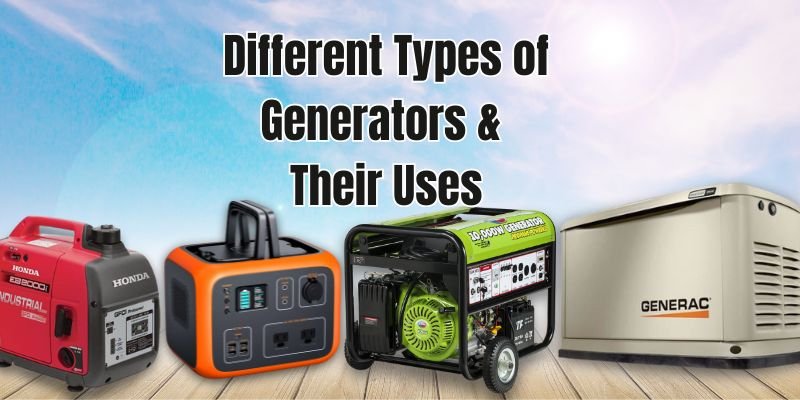
- Fuel Type: Generators run on gasoline, propane, diesel, or natural gas. Each fuel has pros and cons in terms of cost, availability, and storage.
- Runtime: How long do you need the generator to run? Consider the fuel tank capacity and fuel consumption rate.
- Noise Level: Generators can be noisy. Look for models with noise reduction features, especially if you live in a residential area. Inverter generators tend to be quieter than conventional generators.
- Portability: Do you need to move the generator easily? Consider the weight and whether it has wheels and a handle.
- Inverter vs. Conventional Generators: Inverter generators produce cleaner electricity (more stable voltage and frequency), making them safer for sensitive electronics. They are also typically quieter and more fuel-efficient than conventional generators. For AC units, a standard generator will suffice.
- Automatic Transfer Switch (ATS): If you want the generator to automatically start and power your home during a power outage, you'll need an ATS. This requires professional installation.
- Altitude: At higher altitudes, generators produce less power. If you live at a high altitude, you may need a larger generator to compensate.
- Budget: Generator prices vary widely depending on their size, features, and brand.
Q6: Can I use a smaller generator with a "soft start" device on my air conditioner?
Yes, a soft start device can be a great solution if you want to use a smaller generator. A soft start device reduces the inrush current during start-up, spreading the energy demand over a longer period. This can significantly lower the start-up surge, allowing you to use a smaller generator.
Here's how it works:
- Reduced Start-Up Surge: Soft starters can reduce the start-up surge by as much as 60-70%.
- Smaller Generator: With a reduced surge, you can use a generator with a lower starting wattage capacity.
- Easier on the AC Unit: Soft starters also reduce stress on the air conditioner's compressor, potentially extending its lifespan.
- Installation: Soft starters are typically installed by a qualified electrician.
Before purchasing a soft start device, check its compatibility with your air conditioner model and consult with a qualified electrician to ensure proper installation. This can be a cost-effective way to avoid buying a larger, more expensive generator.
Q7: Where can I find a generator sizing calculator or consult with an expert?
There are several options for getting help with generator sizing:
- Online Generator Sizing Calculators: Many generator manufacturers and retailers offer online sizing calculators. These tools typically ask for information about your appliances and their wattage requirements and then recommend a suitable generator size. However, always double-check the results with your own calculations, paying particular attention to the air conditioner's start-up wattage.
- Generator Retailers: Reputable generator retailers have knowledgeable staff who can help you choose the right size generator based on your needs. Bring information about your air conditioner and other appliances you plan to run, and they can provide personalized recommendations.
- Electricians: A qualified electrician can assess your electrical needs and recommend the appropriate generator size, taking into account local electrical codes and safety regulations. They can also install the generator and ensure it's properly connected to your electrical system.
- HVAC Professionals: HVAC technicians are familiar with air conditioner power requirements and can provide insights into sizing a generator specifically for your AC unit. They can also advise on the use of soft start devices.
Remember to prioritize safety and accuracy when selecting a generator. Consulting with an expert can help you avoid costly mistakes and ensure that you have the right generator to meet your needs.