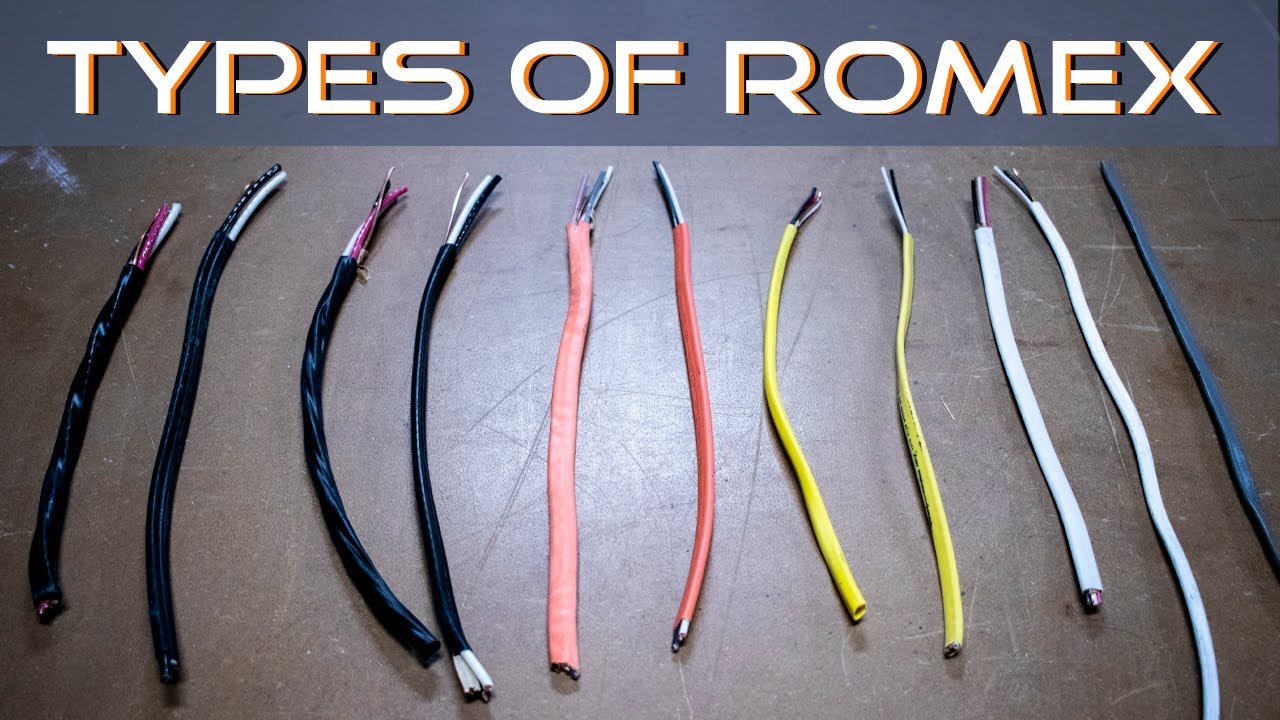
What Size Romex For 50 Amps
Many homeowners encounter electrical problems eventually, and one common issue revolves around circuit breaker tripping, especially when dealing with high-amperage appliances. Imagine plugging in your new electric stove, only to have the breaker immediately trip. This often points to an incorrect Romex wire size for the circuit's amperage.
Understanding the Problem: Amperage and Wire Gauge
Before diving into troubleshooting, it's crucial to understand the relationship between amperage (amps) and wire gauge (Romex size). Amperage is the measure of electrical current flowing through a wire. Wire gauge refers to the thickness of the wire; thicker wires can safely handle more current. Using a wire that's too thin for the amperage it's carrying is a serious fire hazard. The wire will overheat, potentially melting the insulation and igniting surrounding materials.
For a 50-amp circuit, you need to ensure you're using the correct Romex wire size. Using the wrong size can lead to:
- Frequent breaker tripping
- Overheated wires and outlets
- Potential for electrical fires
- Damage to appliances
Step-by-Step Troubleshooting Guide
Here's a systematic approach to determine if your Romex wire is appropriately sized for a 50-amp circuit:
Step 1: Safety First! Turn Off the Breaker
Before doing anything, turn off the 50-amp circuit breaker at your electrical panel. This is absolutely essential to prevent electric shock. Double-check that the power is off using a non-contact voltage tester. Place the tester near the wires you'll be working with. If it lights up or beeps, the circuit is still live, and you need to re-check the breaker. Your safety is paramount.
Step 2: Locate the Wiring
Identify the wiring connected to the 50-amp circuit. This is typically found at the appliance (e.g., electric stove, oven, or dedicated circuit in a workshop) or within a junction box along the circuit's path.
Step 3: Identify the Romex Wire Size
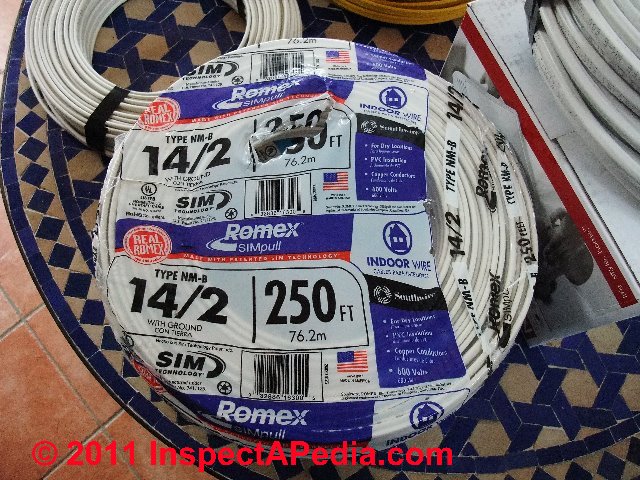
Examine the Romex cable's outer jacket. The wire size is printed directly on the cable. Look for markings like "10/3," "8/3," or "6/3." These numbers indicate the wire gauge and the number of conductors within the cable (including the ground wire). The first number is the wire gauge.
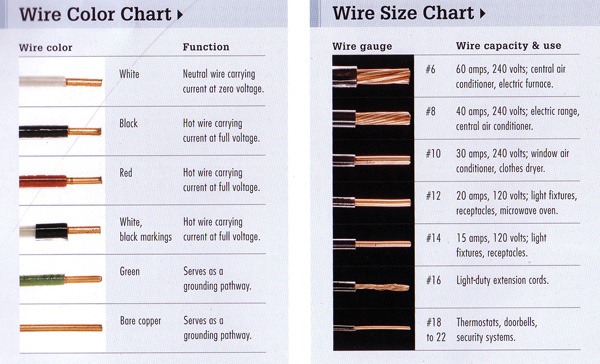
Common Romex Wire Sizes:
- 12 AWG: Typically used for 20-amp circuits
- 10 AWG: Typically used for 30-amp circuits
- 8 AWG: May be used for 40-amp circuits (check local codes)
- 6 AWG: Often used for 50-amp circuits
- 4 AWG: Can be used for circuits exceeding 50 amps, depending on distance and load
Step 4: Check the Circuit Breaker Amperage
Verify the amperage rating of the circuit breaker. It should be clearly labeled on the breaker switch itself (e.g., "50A"). Make sure this matches the intended amperage of the circuit and the appliance connected to it.
Step 5: Compare Wire Size to Amperage Rating
This is the crucial step. Compare the Romex wire size you identified in Step 3 to the circuit breaker's amperage rating (Step 4). For a 50-amp circuit, you generally need at least 6 AWG copper wire. However, this is a simplified guideline. Factors such as the length of the wire run and the type of insulation can affect the wire's ampacity (current-carrying capacity). Check the National Electrical Code (NEC) tables or your local electrical code for the most accurate ampacity ratings. You can typically find these resources online or at your local library. For example, using aluminum wire (which is rarely used) it can change the size requirements. Always consult your local codes.
Simplified Chart for Copper Wire (General Guidelines - Always Verify with NEC and Local Codes):
- 14 AWG: 15 Amps
- 12 AWG: 20 Amps
- 10 AWG: 30 Amps
- 8 AWG: 40 Amps
- 6 AWG: 55 Amps (Suitable for 50 Amps with some derating)
- 4 AWG: 70 Amps
Note: These are general guidelines. Consult the NEC and your local electrical codes for specific ampacity ratings based on wire type, insulation, and installation conditions.
Step 6: Inspect for Damage
While you have the circuit de-energized, inspect the Romex cable for any signs of damage, such as:
- Cracked or brittle insulation
- Exposed conductors
- Burn marks or discoloration
- Loose connections at terminals
If you find any damage, the wiring needs to be replaced, and it's best to call a qualified electrician.
Simple DIY Fixes (When Safe and Applicable)
Important: The following fixes should only be attempted if you are comfortable working with electrical wiring and fully understand the risks involved. If you have any doubts, always consult a qualified electrician.
Fix 1: Tighten Loose Connections
Loose connections are a common cause of circuit breaker tripping. With the breaker turned OFF, carefully tighten the screws on the terminals where the Romex wires are connected at the breaker, the appliance, and any junction boxes along the circuit. Use the correct screwdriver size to avoid stripping the screws. Do not overtighten; just ensure they are snug.
Fix 2: Replace Damaged Outlets or Switches
If you find a damaged outlet or switch connected to the 50-amp circuit, replace it with a new one of the same type and amperage rating. Ensure the breaker is turned OFF before starting. Carefully disconnect the old wires and connect them to the new outlet/switch in the same configuration. Double-check your work before turning the power back on.
Fix 3: Correct Wiring Mistakes (If and Only If You Are Qualified)
Occasionally, wiring mistakes can occur, such as using the wrong gauge wire for a short section of the circuit. If you are experienced with electrical wiring and can identify such a mistake, carefully correct it by replacing the undersized wire with the correct gauge. This should only be attempted by those with extensive electrical knowledge.
When to Call a Professional Electrician
There are several situations where you should immediately call a qualified electrician:
- If the Romex wire is smaller than required for a 50-amp circuit (e.g., 10 AWG or 12 AWG). This requires rewiring the entire circuit with the correct gauge wire.
- If you find any signs of burning, melting, or arcing on the wiring, outlets, or breaker. This indicates a serious electrical problem that needs professional attention.
- If you are uncomfortable working with electrical wiring or have any doubts about your abilities.
- If you are unsure about the correct wire size or ampacity ratings according to the NEC and local codes.
- If the problem persists after attempting simple DIY fixes. This suggests a more complex underlying issue.
- If you live in an older home with outdated wiring (e.g., aluminum wiring). These systems often require specialized knowledge and may need to be upgraded for safety.
Rewiring a circuit is not a simple task and often requires a permit and inspection to ensure compliance with electrical codes. Hiring a qualified electrician ensures the work is done safely and correctly, protecting your home and family from potential hazards.
Preventive Measures
Here are some tips to prevent future problems with your electrical circuits:
- Regularly inspect your electrical panel for any signs of damage or corrosion.
- Avoid overloading circuits by plugging too many appliances into the same outlet.
- Use surge protectors to protect your electronics from power surges.
- If you are planning to add new electrical appliances or circuits, consult with a qualified electrician to ensure your electrical system can handle the increased load.
- Familiarize yourself with your home's electrical system, including the location of the main panel and the amperage ratings of each circuit.
By understanding the basics of amperage and wire gauge, and by following these troubleshooting steps, you can identify and address some common electrical problems safely. However, always remember that electrical work can be dangerous, and when in doubt, consult a qualified electrician. Your safety is the most important thing.