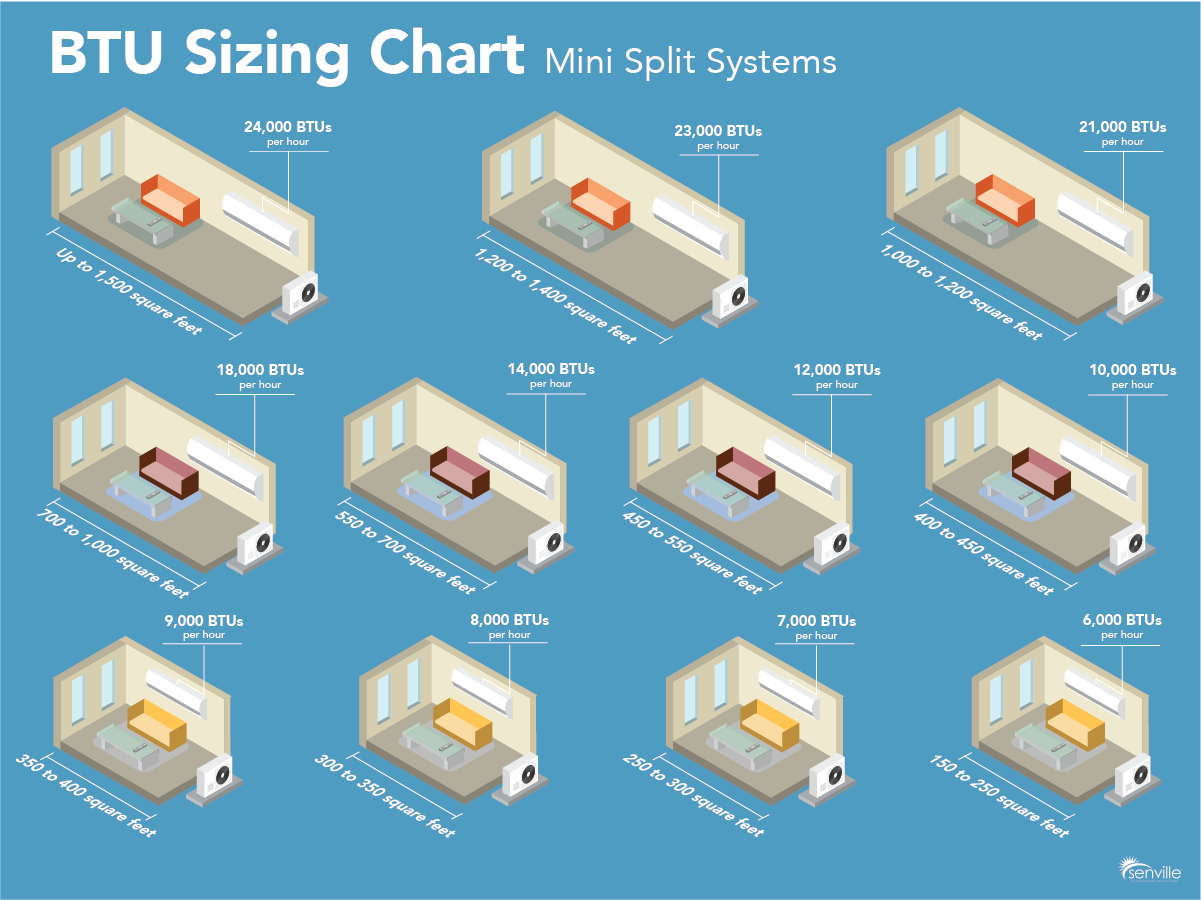
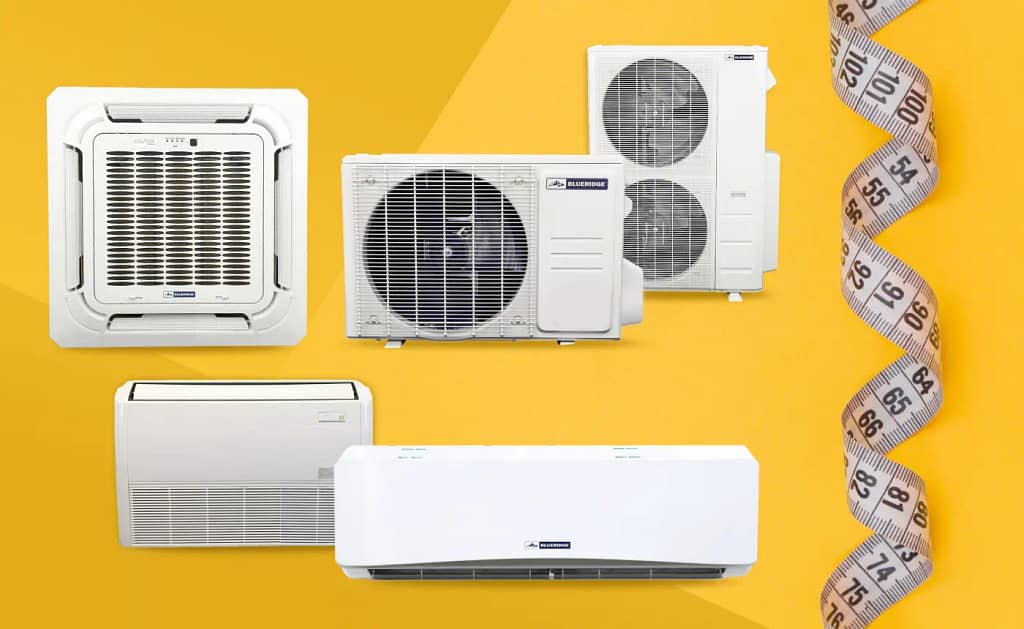
What Size Split System Do I Need
Sizing Up Comfort: A Comprehensive Guide to Choosing the Right Split System for Your Needs
Selecting the right size split system air conditioner or heat pump is crucial for ensuring optimal comfort, energy efficiency, and cost savings. An improperly sized unit can lead to short cycling, uneven temperatures, higher energy bills, and premature equipment failure. Whether you're a homeowner, a seasoned HVAC professional, or just entering the field, understanding the principles behind split system sizing is essential.
Why Correct Sizing Matters: Beyond Just Feeling Cool
The primary goal of an HVAC system is to maintain a comfortable indoor environment, but it's not as simple as just blowing cold air. A properly sized system is designed to effectively remove heat and humidity from the space. Here’s why getting it right is so vital:
- Efficiency: An oversized unit will cool the space quickly, but it won't run long enough to dehumidify properly, leading to a clammy, uncomfortable feeling and wasted energy. Undersized units struggle to maintain temperature, running constantly and resulting in higher energy consumption.
- Comfort: Correct sizing ensures consistent temperatures throughout your home. An oversized unit can cause cold spots near the vents and leave other areas feeling stuffy. An undersized system will struggle to keep up during peak demand.
- Equipment Lifespan: Short cycling, a common problem with oversized units, puts excessive strain on the compressor and other components, shortening the system's lifespan. Conversely, a constantly running undersized unit will also experience accelerated wear and tear.
- Cost Savings: A properly sized and efficient system translates to lower monthly utility bills. Furthermore, you'll avoid the expense of premature repairs and replacements.
The Manual J Calculation: The Gold Standard for Load Calculation
The most accurate method for determining the appropriate size split system is performing a Manual J load calculation. This comprehensive calculation takes into account various factors that influence the heating and cooling loads of a building, including:
- Climate: The local climate, including temperature extremes, humidity levels, and solar radiation, plays a significant role in determining the heating and cooling demands.
- Building Size and Orientation: The square footage of the space, the direction it faces, and the layout of the rooms all influence heat gain and loss.
- Insulation Levels: The amount of insulation in the walls, ceilings, and floors directly affects the rate of heat transfer.
- Window and Door Efficiency: The type and number of windows and doors, as well as their insulation properties, impact heat gain and loss.
- Air Leakage: Gaps and cracks in the building envelope allow conditioned air to escape and outside air to enter, increasing energy consumption.
- Occupancy and Internal Loads: The number of occupants, their activities, and the heat generated by appliances and lighting contribute to the overall load.
Manual J calculations are typically performed using specialized software, which requires training and certification. The Air Conditioning Contractors of America (ACCA) is the leading organization for Manual J certification and provides comprehensive training programs for HVAC professionals.
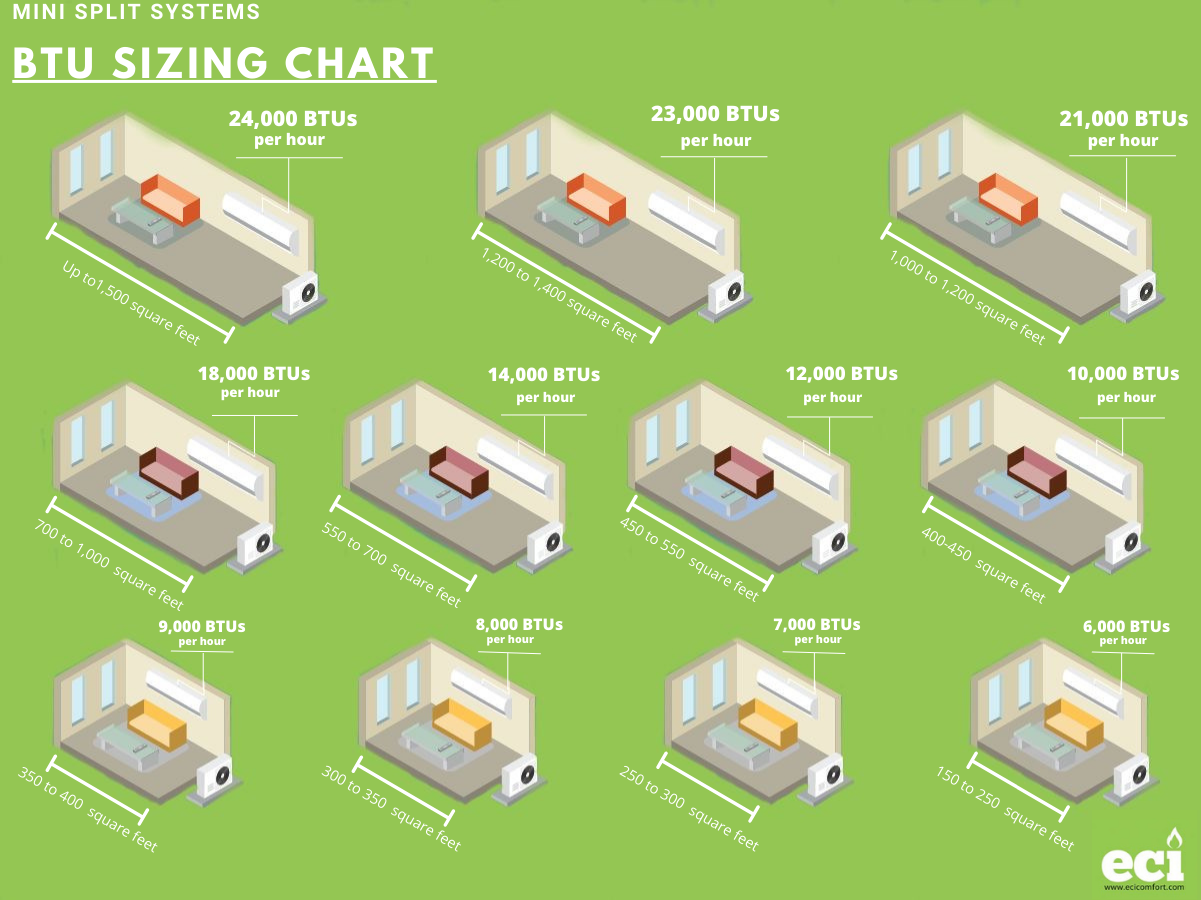
Professional Tip: While a rough estimate of square footage per ton (e.g., 500-600 sq ft per ton) can provide a starting point, it’s not a substitute for a professional Manual J calculation. Relying solely on square footage can lead to significant errors in sizing.
Understanding BTU, Tonnage, and SEER Ratings
Before you start shopping for a split system, it's important to understand the key metrics used to measure cooling capacity and efficiency:
- BTU (British Thermal Unit): BTU measures the amount of heat that an air conditioner can remove from a room in one hour. Higher BTU ratings indicate greater cooling capacity.
- Tonnage: Tonnage is another measure of cooling capacity, with one ton equivalent to 12,000 BTU/hour. Split systems are typically available in sizes ranging from 1.5 tons to 5 tons or more.
- SEER (Seasonal Energy Efficiency Ratio): SEER measures the cooling efficiency of an air conditioner. A higher SEER rating indicates greater energy savings. The minimum SEER rating currently mandated by the Department of Energy (DOE) varies by region.
- HSPF (Heating Seasonal Performance Factor): For heat pumps, which provide both heating and cooling, HSPF measures the heating efficiency. A higher HSPF rating indicates greater energy savings during the heating season.
When choosing a split system, consider both the cooling capacity (tonnage) and the energy efficiency (SEER and HSPF ratings). While higher efficiency models may have a higher upfront cost, they can save you money in the long run through reduced energy bills.
The Role of Certifications in HVAC
For HVAC professionals, obtaining relevant certifications is crucial for demonstrating expertise and increasing earning potential. Here are some of the most important certifications in the HVAC industry:
- NATE (North American Technician Excellence): NATE is a leading certification organization for HVAC technicians, offering certifications in various specialties, including installation, service, and maintenance. NATE certification demonstrates a technician's knowledge and skills and can lead to higher pay and career advancement opportunities.
- EPA 608 Certification: Required by the Environmental Protection Agency (EPA) for technicians who handle refrigerants. This certification ensures that technicians are trained to handle refrigerants safely and responsibly, minimizing environmental impact.
- ACCA Certifications: ACCA offers certifications in various areas, including Manual J load calculation, Manual D duct design, and Manual S equipment selection. These certifications demonstrate expertise in designing and selecting HVAC systems for optimal performance and efficiency.
Career Paths in HVAC: The HVAC industry offers a wide range of career paths, from entry-level installer positions to advanced engineering and management roles. Here are a few examples:
- HVAC Technician: Installs, maintains, and repairs heating, ventilation, and air conditioning systems. Median annual salary: $51,470 (May 2021, Bureau of Labor Statistics)
- HVAC Installer: Specializes in the installation of new HVAC systems.
- HVAC Service Technician: Focuses on troubleshooting and repairing existing HVAC systems.
- HVAC Design Engineer: Designs and develops HVAC systems for commercial and residential buildings.
- HVAC Sales Engineer: Sells HVAC equipment and services to commercial and industrial clients.
Job Outlook and Salary Expectations: The job outlook for HVAC technicians is excellent, with the Bureau of Labor Statistics projecting a growth rate of 5% from 2022 to 2032, about average for all occupations. This growth is driven by the increasing demand for energy-efficient HVAC systems and the need to replace aging equipment. Salaries for HVAC professionals vary depending on experience, education, and location. Experienced technicians with certifications can earn significantly more than entry-level workers. Top earners in the field can command salaries well above $70,000 per year.
Split Systems and Industry Trends: What's on the Horizon
The HVAC industry is constantly evolving, with new technologies and trends emerging regularly. Here are a few key trends to watch:
- Variable Refrigerant Flow (VRF) Systems: VRF systems are becoming increasingly popular for commercial applications, offering precise temperature control and energy efficiency.
- Smart Thermostats and Home Automation: Smart thermostats and home automation systems are allowing homeowners to remotely control their HVAC systems and optimize energy usage.
- Geothermal Heat Pumps: Geothermal heat pumps are gaining traction as a sustainable and energy-efficient alternative to traditional heating and cooling systems.
- Refrigerant Regulations: Regulations regarding refrigerants are becoming increasingly stringent, with a focus on phasing out ozone-depleting and high-global-warming-potential (GWP) refrigerants.
Real-World Example: John's Journey
John started his HVAC career as an apprentice, learning the fundamentals of installation and repair. He quickly realized the importance of proper sizing and the impact it had on customer satisfaction and energy bills. He pursued NATE certification and focused on mastering Manual J calculations. This dedication led to a promotion to a senior technician role, where he now oversees complex installations and provides expert advice to customers. John’s commitment to continuous learning allows him to keep pace with new technologies and ensure he's providing the best possible service.
Conclusion: Investing in Expertise and Efficiency
Choosing the right size split system is an investment in comfort, energy efficiency, and the longevity of your equipment. Whether you're a homeowner making a purchase decision or an HVAC professional looking to expand your expertise, understanding the principles of Manual J calculation and the importance of certifications is paramount. By working with qualified professionals and staying up-to-date on industry trends, you can ensure that your HVAC system provides optimal performance and delivers long-term value.