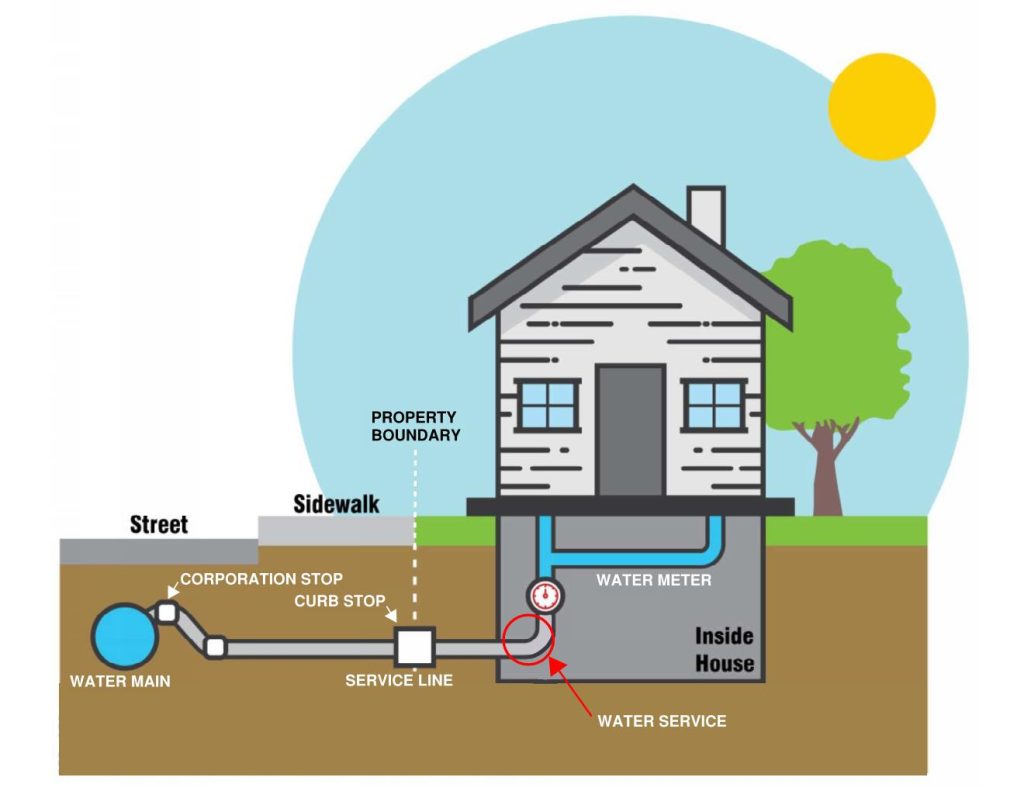
What Size Water Line From Meter To House

One of the most overlooked aspects of a well-functioning home HVAC system is the plumbing that supports it. While the furnace, air conditioner, and ductwork often take center stage, the water line connecting your meter to your house plays a crucial role in the efficiency and lifespan of certain HVAC components. This article will guide you through determining the appropriate water line size for your home, impacting your HVAC performance and overall water pressure.
Why Water Line Size Matters for Your HVAC System
You might be wondering, "How does a water line affect my HVAC?" The answer depends on the type of system you have or are considering. Here’s why water line size is important:
- Geothermal Heat Pumps: Geothermal systems rely heavily on a continuous flow of water circulated through underground loops to transfer heat. Insufficient water flow due to an undersized water line can significantly reduce the efficiency of the heat pump, leading to higher energy bills and potentially damaging the unit.
- Evaporative Coolers (Swamp Coolers): These coolers use evaporation to cool the air. An adequate water supply is essential for proper operation. A small water line can starve the cooler, diminishing its cooling capacity.
- Humidifiers (Connected to HVAC): Some whole-house humidifiers are connected directly to your water line. If the line is too small, the humidifier might not be able to deliver enough moisture to the air, impacting your home's comfort level, especially during dry winter months.
- Fire Suppression Systems: Although not directly HVAC, the sizing requirements are similar. An undersized water line can severely impact the efficacy of the fire sprinkler system.
Determining the Correct Water Line Size
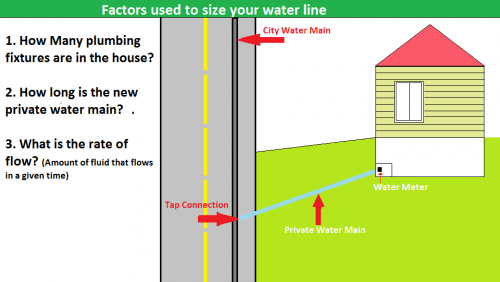
Calculating the correct water line size involves several factors. Consulting a qualified plumber is always recommended, but here’s an overview of the key considerations:
Factors Influencing Water Line Size
- House Size: Larger homes generally require larger water lines to accommodate multiple fixtures and appliances running simultaneously.
- Number of Fixtures and Appliances: Each faucet, shower, toilet, washing machine, dishwasher, and any water-dependent HVAC equipment contributes to the overall water demand.
- Water Pressure: Low incoming water pressure may necessitate a larger pipe to compensate. Check your local water company's typical water pressure.
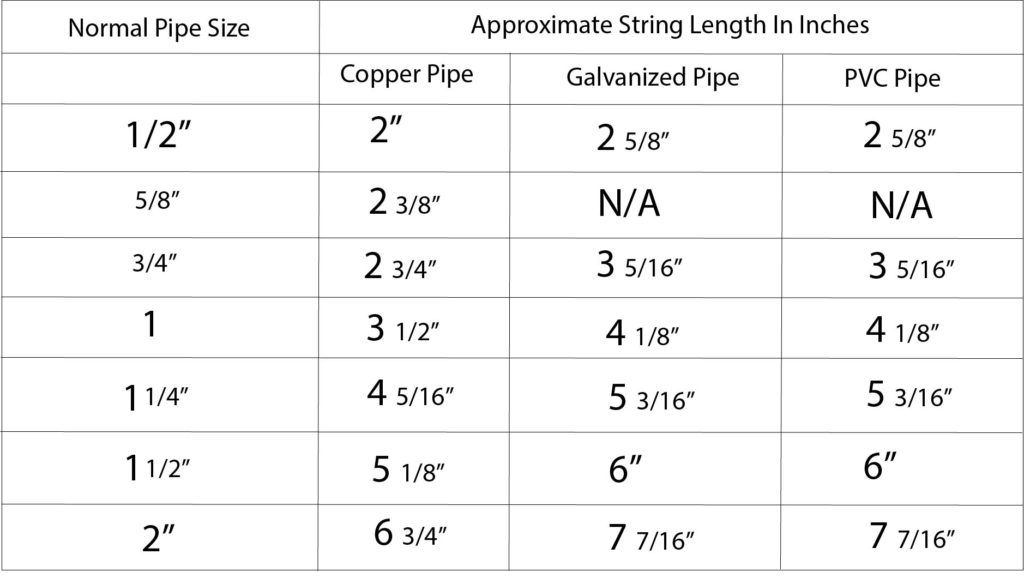
- Pipe Material: Different materials, such as copper, PEX (cross-linked polyethylene), and PVC (polyvinyl chloride), have different internal diameters and flow characteristics.
- Distance from Meter to House: Longer runs of pipe result in greater pressure loss due to friction, potentially requiring a larger diameter.
- Elevation Changes: Significant elevation changes between the meter and the house can also affect water pressure and may influence pipe size.
Common Water Line Sizes
The most common water line sizes for residential properties are 3/4 inch and 1 inch. However, depending on the factors listed above, some homes might require a 1 1/4 inch or even larger line.
- 3/4 Inch: Suitable for smaller homes with fewer fixtures and lower water demands. Often adequate for homes *without* water-intensive HVAC equipment like geothermal systems.
- 1 Inch: The most common size for average-sized homes with typical water usage. Generally sufficient for homes with standard appliances and a moderate level of simultaneity.
- 1 1/4 Inch or Larger: Typically required for larger homes, homes with high water demands (e.g., multiple bathrooms, extensive landscaping), or homes using geothermal heat pumps or other water-intensive systems.
Estimating Water Demand
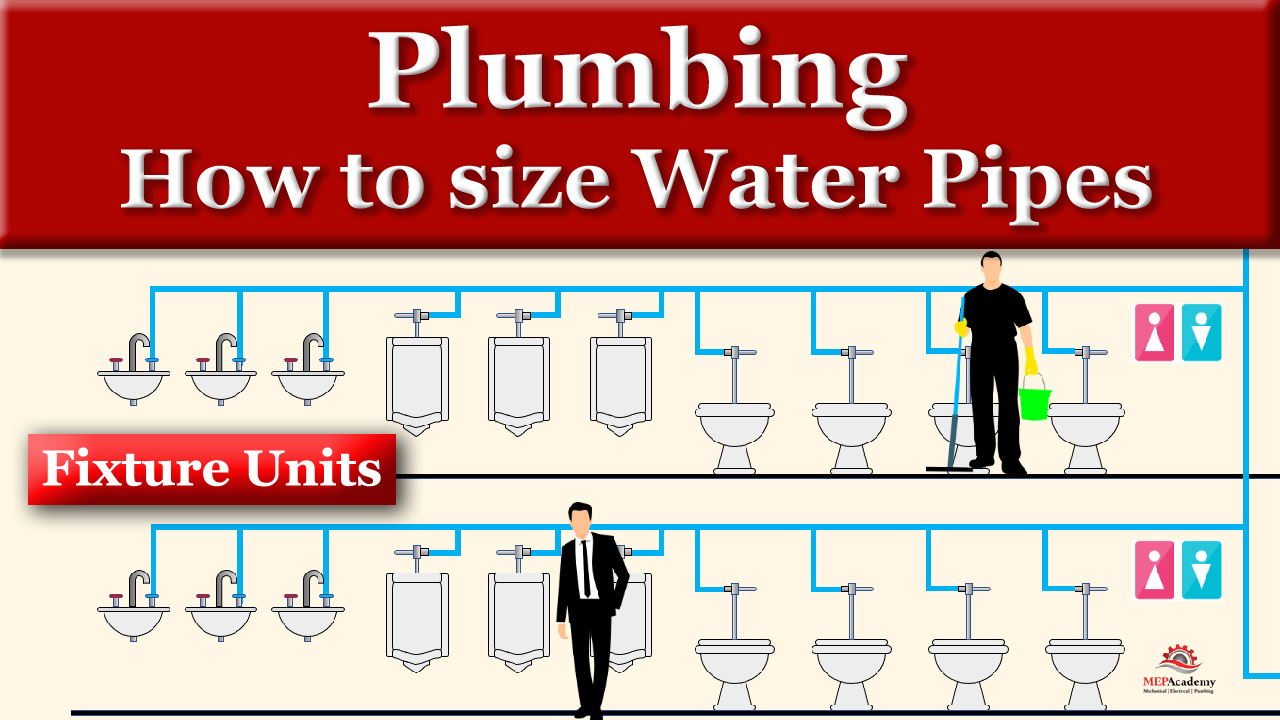
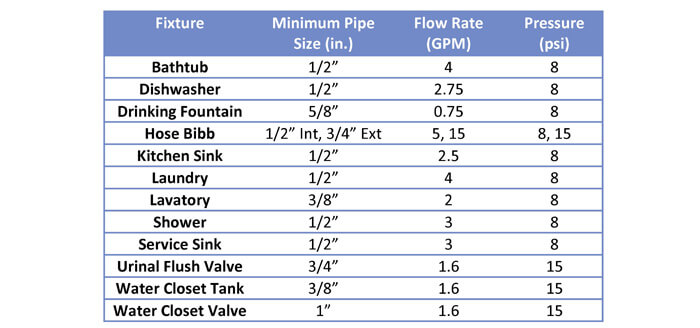
While a professional calculation is ideal, you can get a rough estimate of your home's water demand by considering the Fixture Unit (FU) system. Each plumbing fixture is assigned a FU value. For example:
- Toilet: 4-6 FU
- Shower: 2 FU
- Faucet: 1 FU
- Washing Machine: 2 FU
- Dishwasher: 1 FU
Add up the FU values for all your fixtures and appliances. Then, consult a plumbing code table (available online or from a local building department) to determine the appropriate pipe size based on the total FU load.
Impact of Undersized vs. Oversized Water Lines
Choosing the right water line size is crucial. Both undersized and oversized lines can create problems:
Undersized Water Line:
- Reduced Water Pressure: Noticeably weaker water flow at faucets and showers, especially when multiple fixtures are running simultaneously.
- HVAC Inefficiency: As described earlier, can significantly impact the performance of geothermal systems, evaporative coolers, and humidifiers.
- Potential for Damage: Inadequate water supply can lead to overheating or malfunction of appliances.
Oversized Water Line:
- Higher Material Costs: Larger pipes are more expensive.
- Increased Installation Costs: Installing larger pipes can require more labor and specialized fittings.
- Potential for Stagnation: Water can sit in the pipes for longer periods, potentially leading to bacterial growth or corrosion. This is more pronounced in homes with intermittent water use.
Water Line Materials: Pros and Cons
The material of your water line also affects its performance and longevity. Here’s a comparison of common materials:
- Copper:
- Pros: Durable, corrosion-resistant, long-lasting, safe for drinking water.
- Cons: More expensive than other options, can be susceptible to theft, requires specialized soldering or fittings.
- PEX (Cross-linked Polyethylene):
- Pros: Flexible, easy to install, less expensive than copper, resists freezing, does not corrode.
- Cons: Can be damaged by UV exposure (should be shielded), may not be suitable for all water conditions, can be more susceptible to rodent damage.
- PVC (Polyvinyl Chloride) / CPVC (Chlorinated Polyvinyl Chloride):
- Pros: Inexpensive, easy to install, corrosion-resistant.
- Cons: Less durable than copper, can become brittle over time, *CPVC is required for hot water lines*, PVC is not suitable for potable (drinking) water in some areas. Check local codes.
- Galvanized Steel:
- Pros: Durable and strong.
- Cons: Prone to corrosion over time which can restrict water flow and contaminate the water supply with lead (if old galvanized). Replacement is usually recommended.
HVAC System Considerations
When selecting or upgrading your HVAC system, consider how it will impact your water line requirements.
Geothermal Heat Pumps
Geothermal systems, known for their efficiency (high Coefficient of Performance - COP) and environmental friendliness, require a substantial water flow. Before installing a geothermal system, have a plumber assess your existing water line and determine if an upgrade is necessary. The sizing depends on the tonnage of the unit and the geological conditions. A 3-ton geothermal system might require a 1-inch or larger water line, while a 5-ton system could need a 1 1/4-inch or even larger line.
Evaporative Coolers
While evaporative coolers consume less water than geothermal systems, they still require a dedicated water supply. Ensure that your water line is adequately sized to provide a consistent flow of water to the cooler. Consult the manufacturer's specifications for the recommended water pressure and flow rate.
Humidifiers
Whole-house humidifiers connected to your HVAC system can also benefit from a properly sized water line. If your humidifier is struggling to maintain the desired humidity level, a small water line might be the culprit.
Professional Installation and Inspection
Installing or upgrading a water line is a complex task that requires specialized knowledge and tools. It's crucial to hire a licensed and experienced plumber to ensure the job is done correctly and in compliance with local building codes. A professional plumber can:
- Accurately assess your home's water demand.
- Calculate the correct water line size.
- Select the appropriate pipe material.
- Properly install the new water line.
- Inspect the existing plumbing system for any potential problems.
Cost Considerations
The cost of replacing or upgrading a water line can vary depending on several factors, including:
- Length of the water line.
- Type of pipe material used.
- Complexity of the installation.
- Local labor rates.
Get quotes from multiple plumbers before making a decision. Be sure to ask for a detailed breakdown of the costs, including materials, labor, and permits.
Conclusion
Choosing the right water line size is a critical, yet often overlooked, aspect of ensuring the optimal performance of your HVAC system and the overall water pressure in your home. By understanding the factors that influence water demand, the different pipe materials available, and the importance of professional installation, you can make informed decisions that will save you money, improve your comfort, and protect your investment.