What Temperature Does Natural Gas Burn At

Natural gas is a widely used fuel source in residential, commercial, and industrial settings, powering everything from furnaces and water heaters to stoves and even vehicles. Understanding its properties, particularly its ignition temperature, is crucial for HVAC professionals and anyone working with or around natural gas systems. This article will delve into the burning temperature of natural gas, its implications for safety and efficiency, and how this knowledge relates to HVAC careers.
The Ignition Temperature of Natural Gas
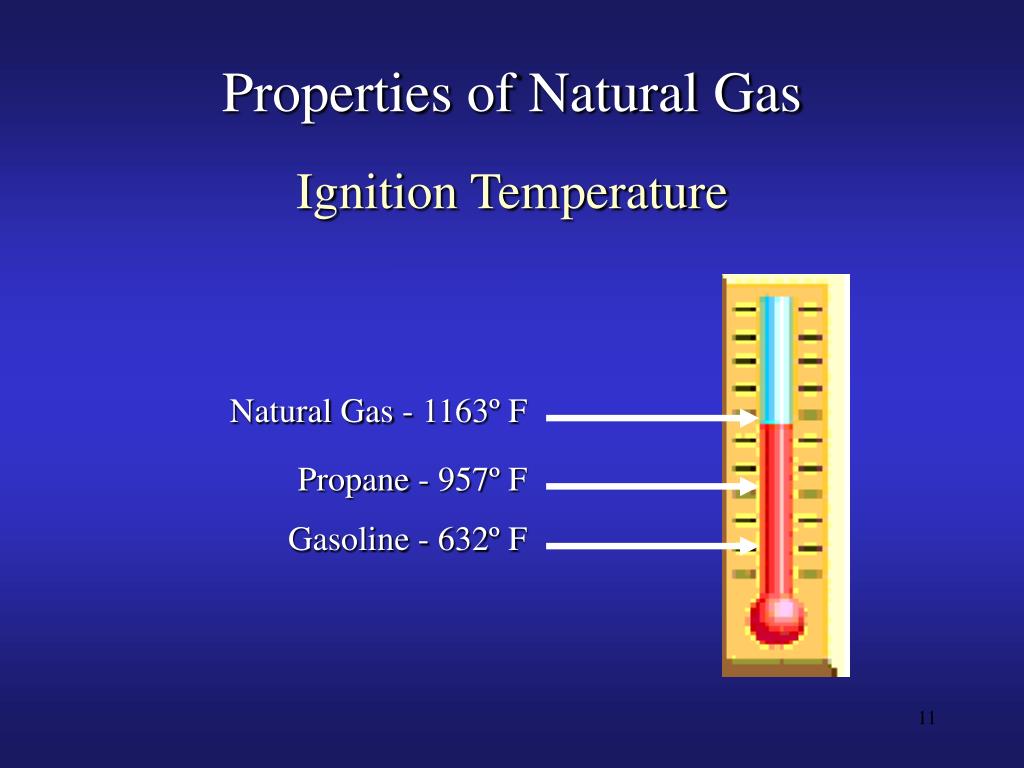
The ignition temperature, also known as the autoignition temperature, is the minimum temperature required to ignite a substance without an external ignition source, such as a spark or flame. For natural gas, this temperature typically ranges from 900°F to 1170°F (482°C to 632°C). This relatively high autoignition temperature makes natural gas safer than some other flammable substances, as it requires a significant amount of heat to spontaneously ignite.
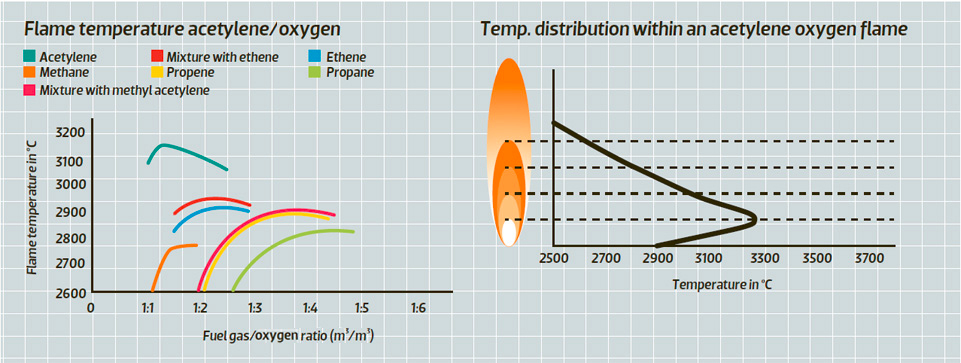
However, it's important to distinguish between ignition temperature and flame temperature. While natural gas needs to be heated to 900-1170°F to ignite on its own, once ignited, the flame temperature can reach much higher, often exceeding 3,500°F (1,927°C). This intense heat is what makes natural gas such an effective energy source for heating and power generation.
Factors Affecting Ignition
Several factors can influence the ignition temperature of natural gas:
- Composition: The specific composition of natural gas can vary depending on its source and processing. Differences in the percentages of methane, ethane, propane, and other hydrocarbons can slightly alter the ignition temperature.
- Pressure: Higher pressures can sometimes lower the ignition temperature. This is because increased pressure can increase the concentration of fuel molecules in a given space, making ignition easier.
- Oxygen Concentration: The amount of oxygen available plays a critical role. A leaner mixture (more air, less gas) may require a higher temperature to ignite compared to a stoichiometric mixture (ideal air-to-fuel ratio).
- Presence of Catalysts: Certain materials can act as catalysts, lowering the ignition temperature of natural gas. However, this is less common in typical HVAC applications.
Safety Considerations for HVAC Professionals
Knowing the ignition temperature of natural gas is paramount for safety in the HVAC industry. Technicians regularly work with gas lines, appliances, and combustion processes, making them vulnerable to potential hazards. Here are some crucial safety practices:
- Leak Detection: Use electronic leak detectors or soap bubble tests to identify gas leaks. Never use an open flame to search for leaks.
- Proper Ventilation: Ensure adequate ventilation when working with gas appliances to prevent the accumulation of flammable gas concentrations.
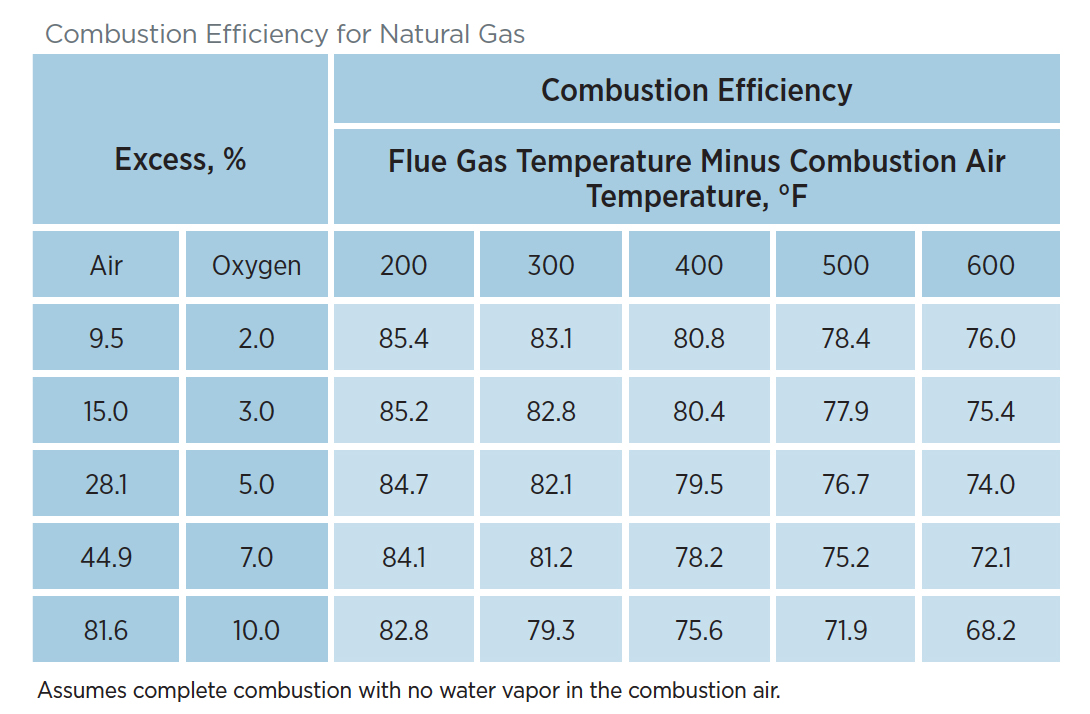
- Combustion Analysis: Regularly perform combustion analysis to ensure appliances are burning fuel efficiently and safely. This involves measuring the levels of oxygen, carbon monoxide, and other gases in the flue.
- Carbon Monoxide (CO) Detectors: Install and maintain CO detectors in homes and businesses to alert occupants to the presence of this odorless, colorless, and deadly gas.
- Emergency Procedures: Know the proper procedures for responding to gas leaks, including shutting off the gas supply, evacuating the area, and contacting emergency services.
In addition to these practices, HVAC technicians should always follow local codes and regulations, as well as manufacturers' instructions for installing, servicing, and repairing gas appliances.
Certifications and Training
Earning relevant certifications demonstrates competency and commitment to safety in the HVAC field. Some key certifications include:
- NATE (North American Technician Excellence): NATE certification validates the skills and knowledge of HVAC technicians in various areas, including gas heating.
- EPA Section 608 Certification: Required for technicians who handle refrigerants, this certification ensures proper handling and disposal of ozone-depleting substances. Though not directly related to natural gas, it's a standard requirement for many HVAC positions.
- Manufacturer-Specific Training: Many manufacturers offer training programs on their specific equipment, providing technicians with in-depth knowledge of installation, troubleshooting, and repair.
- OSHA (Occupational Safety and Health Administration) Training: OSHA offers a range of safety training courses relevant to the HVAC industry, including hazard communication, confined space entry, and lockout/tagout procedures.
These certifications, coupled with ongoing training, equip HVAC professionals with the expertise to work safely and effectively with natural gas systems.
Career Paths in HVAC and Natural Gas
The HVAC industry offers a variety of career paths, many of which involve working with natural gas systems. Here are some examples:
- HVAC Technician: Installs, maintains, and repairs heating, ventilation, and air conditioning systems, including gas furnaces, boilers, and water heaters.
- HVAC Installer: Specializes in the installation of HVAC equipment, ensuring proper connections, venting, and safety features.
- HVAC Service Technician: Focuses on diagnosing and repairing malfunctioning HVAC systems, often responding to emergency calls.
- HVAC Sales Engineer: Designs and sells HVAC systems to commercial and industrial clients, taking into account energy efficiency and regulatory requirements.
- HVAC Project Manager: Oversees the installation and commissioning of large-scale HVAC projects, coordinating with contractors and ensuring projects are completed on time and within budget.
These roles require a strong understanding of natural gas systems, safety protocols, and relevant codes. Continuing education and specialized training can lead to career advancement and higher earning potential.
Salary and Job Outlook
The job outlook for HVAC technicians remains strong, with the U.S. Bureau of Labor Statistics projecting a 6 percent growth from 2022 to 2032. This growth is driven by factors such as population growth, increasing demand for energy-efficient systems, and the need to replace aging equipment.
According to the Bureau of Labor Statistics, the median annual wage for HVAC mechanics and installers was $51,900 in May 2023. The lowest 10 percent earned less than $34,720, and the highest 10 percent earned more than $81,740. Salary ranges vary depending on experience, location, certifications, and employer.
Specialized skills, such as expertise in natural gas systems, can command higher salaries. Technicians with certifications like NATE and EPA 608 often earn more than their non-certified counterparts. Furthermore, experience in commercial and industrial HVAC systems, which often involve more complex natural gas equipment, can also lead to higher earning potential.
Industry Trends: Efficiency and Safety
The HVAC industry is constantly evolving, with a growing focus on energy efficiency and safety. Here are some key trends to watch:
- High-Efficiency Furnaces: Modern furnaces are designed to maximize energy efficiency, often achieving Annual Fuel Utilization Efficiency (AFUE) ratings of 90% or higher. These furnaces use advanced combustion technologies to extract more heat from natural gas, reducing energy consumption and lowering utility bills.
- Smart Thermostats: Smart thermostats allow homeowners to remotely control their heating and cooling systems, optimizing energy usage and improving comfort. Some smart thermostats can even learn user preferences and adjust settings automatically.
- Advanced Controls: Sophisticated control systems are used in commercial and industrial buildings to optimize HVAC performance, reduce energy waste, and improve indoor air quality.
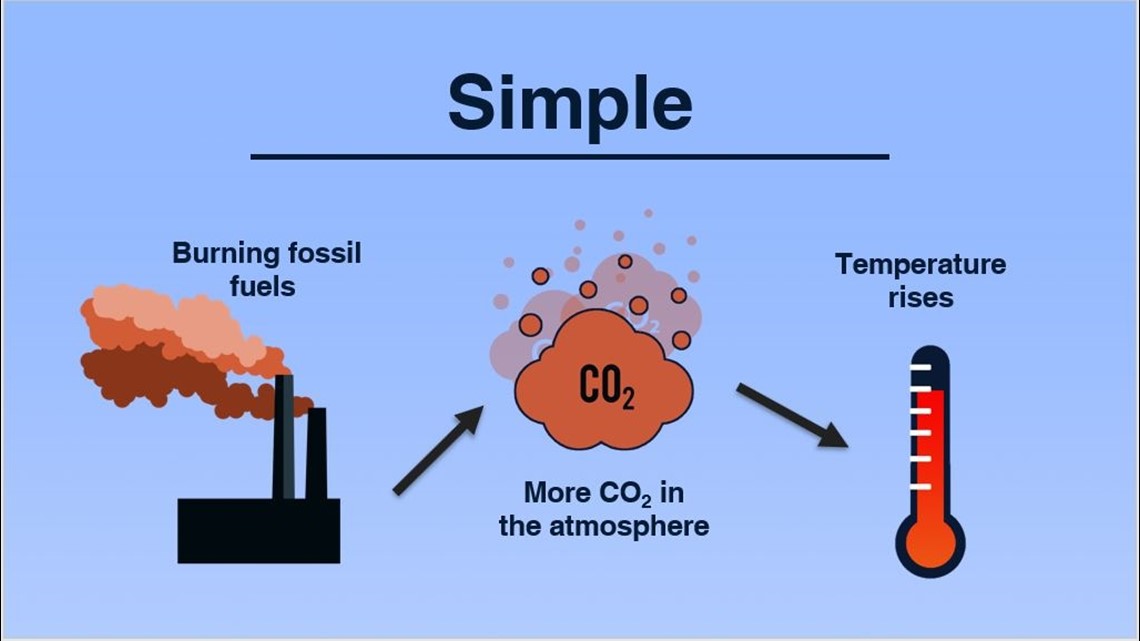
- Renewable Energy Integration: HVAC systems are increasingly being integrated with renewable energy sources, such as solar thermal and geothermal, to reduce reliance on fossil fuels.
- Enhanced Safety Features: Manufacturers are continuously improving the safety features of gas appliances, incorporating innovations such as flame sensors, automatic shut-off valves, and improved venting systems.
As the HVAC industry continues to evolve, professionals who stay abreast of these trends and embrace new technologies will be well-positioned for success.
In conclusion, understanding the ignition temperature of natural gas is just one piece of the puzzle for HVAC professionals. A thorough knowledge of safety practices, relevant certifications, career paths, and industry trends is essential for a rewarding and successful career in this field. Whether you're a student, experienced technician, or employer, prioritizing safety, investing in training, and staying informed about the latest advancements will contribute to a safer and more efficient future for the HVAC industry.