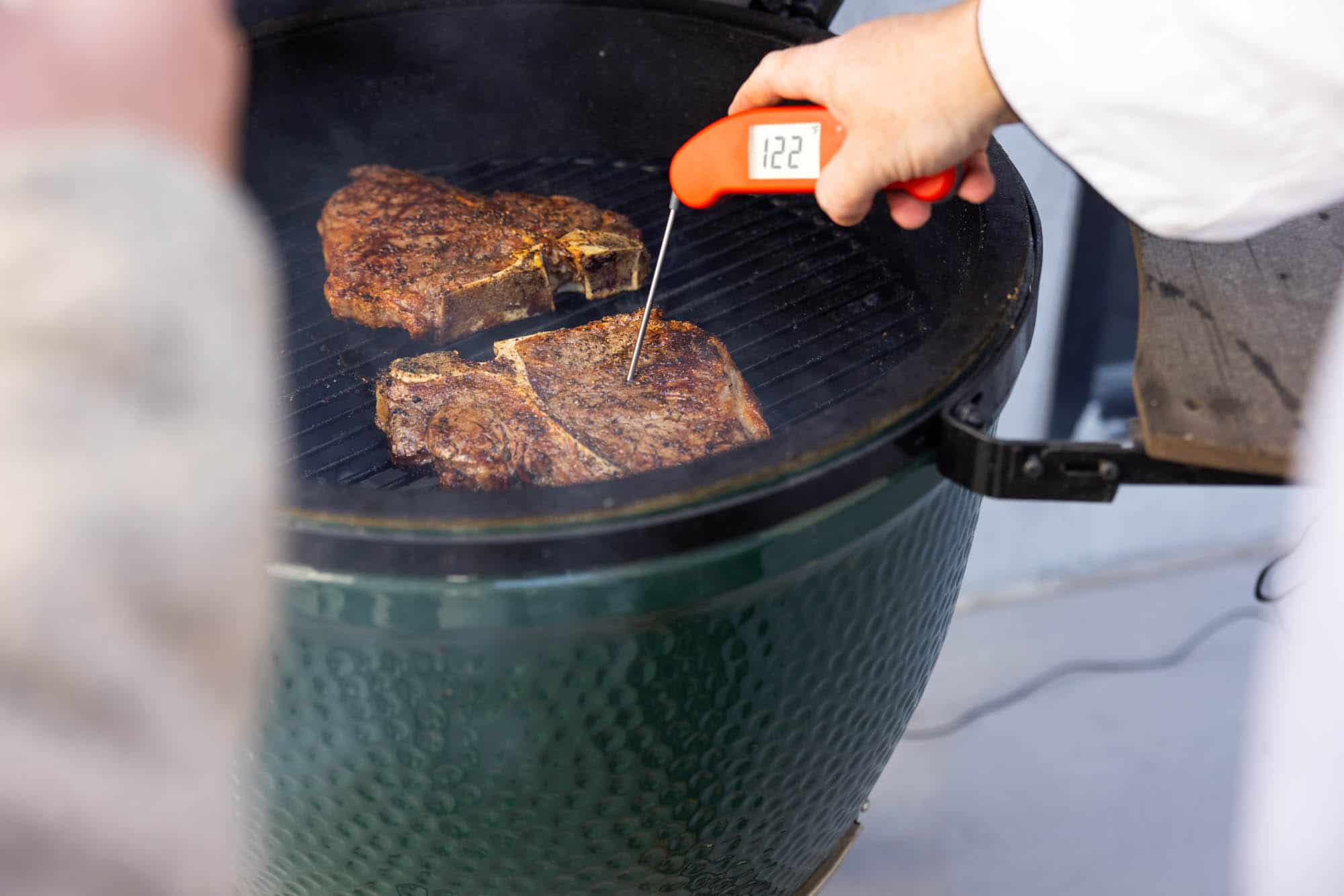
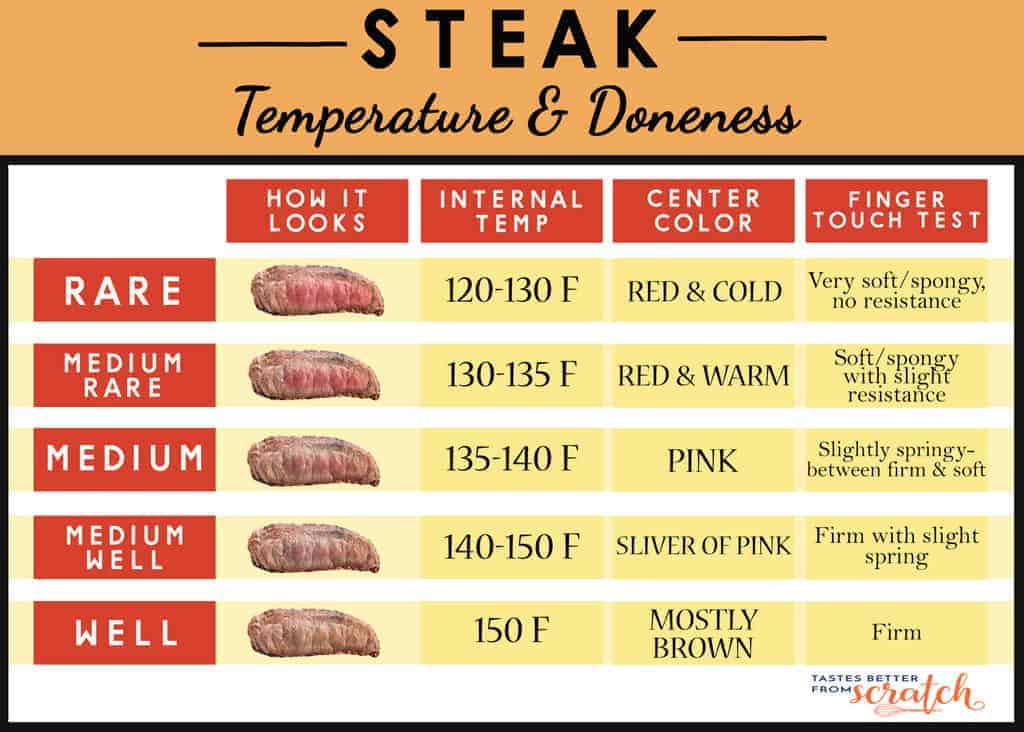
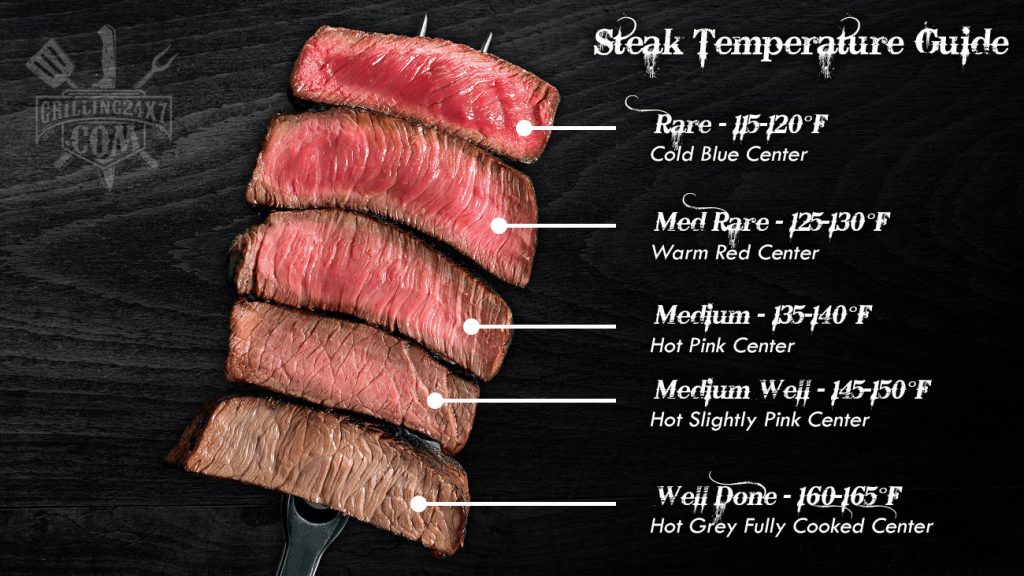
What Temperature To Grill T-bone Steak

Decoding the Comfort Equation: A Homeowner's Guide to HVAC Systems
Choosing the right HVAC (Heating, Ventilation, and Air Conditioning) system for your home is a significant decision, impacting not only your comfort but also your energy bills and the overall value of your property. Whether you're a homeowner seeking to upgrade your current system, a real estate investor evaluating a property's infrastructure, or a contractor advising clients, understanding the intricacies of HVAC systems is crucial. This guide provides a comprehensive overview, comparing popular brands, delving into key performance metrics like AFUE, SEER, and HSPF, and outlining essential maintenance requirements.
Understanding Your HVAC Needs
Before diving into specific brands and models, it's vital to assess your individual needs. Factors to consider include:
- Climate: Do you live in a region with hot summers and mild winters, or vice versa? Or do you experience significant temperature swings throughout the year?
- Home Size and Insulation: A larger home with poor insulation will require a more powerful and efficient system.
- Existing Ductwork: The condition and layout of your existing ductwork can influence your choice of system.
- Budget: HVAC systems represent a substantial investment, and it’s essential to establish a realistic budget that encompasses both upfront costs and long-term operating expenses.
Key Performance Metrics: The HVAC Alphabet Soup
Navigating the world of HVAC often involves deciphering a series of acronyms. Understanding these metrics is essential for making informed decisions.
AFUE (Annual Fuel Utilization Efficiency)
AFUE measures the heating efficiency of furnaces and boilers. It represents the percentage of fuel converted into usable heat. A higher AFUE rating indicates greater efficiency and lower fuel consumption. Modern furnaces can achieve AFUE ratings of 90% or higher.
SEER (Seasonal Energy Efficiency Ratio)
SEER measures the cooling efficiency of air conditioners and heat pumps. It represents the cooling output during a typical cooling season divided by the total electrical energy input during the same period. The higher the SEER rating, the more efficient the unit. The minimum SEER rating currently mandated by the U.S. Department of Energy is 14 in most regions.
HSPF (Heating Seasonal Performance Factor)
HSPF measures the heating efficiency of heat pumps. Similar to SEER, it represents the heating output during a typical heating season divided by the total electrical energy input. A higher HSPF rating indicates greater efficiency. The minimum HSPF rating is usually around 8.
Popular HVAC Brands: A Comparative Overview
Several reputable HVAC brands offer a range of systems to meet diverse needs and budgets. Here's a look at some of the most popular options:
Carrier
Carrier is a well-established brand known for its innovative technology and reliable performance. Their systems often come with premium features like variable-speed blowers and advanced controls. Carrier offers a wide range of products, from basic models to high-end, energy-efficient options.
Pros: High efficiency, advanced technology, wide product range.
Cons: Can be more expensive than other brands.
Trane
Trane is another leading brand renowned for its durability and performance. Their systems are built to withstand harsh conditions and provide reliable heating and cooling for years to come. Trane also focuses on energy efficiency and offers several models with high SEER and AFUE ratings.
Pros: Durable construction, reliable performance, good energy efficiency.
Cons: Can be relatively expensive.
Lennox
Lennox is known for its innovative and energy-efficient HVAC systems. They offer a range of products, including some of the quietest and most efficient models on the market. Lennox systems often incorporate advanced features like solar-ready technology and smart thermostats.
Pros: High efficiency, innovative technology, quiet operation.
Cons: Can be more expensive than other brands.
Goodman
Goodman offers a more budget-friendly option without sacrificing essential performance. Their systems are known for their affordability and ease of installation. While Goodman may not offer the same level of advanced features as some of the premium brands, they provide a reliable and cost-effective solution for many homeowners.
Pros: Affordable price, easy installation, good value.
Cons: May not have as many advanced features as other brands.
Rheem
Rheem is a versatile brand offering a wide range of HVAC products, including furnaces, air conditioners, heat pumps, and water heaters. They are known for their reliable performance and competitive pricing. Rheem systems are often a good choice for homeowners seeking a balance of affordability and quality.
Pros: Wide product range, competitive pricing, reliable performance.
Cons: May not be as technologically advanced as some other brands.
Delving Deeper: Comparing Specific Models
To illustrate the differences between brands and models, let's compare a few specific examples:
- Carrier Infinity 26 Air Conditioner: This high-end model boasts a SEER rating of up to 26 and utilizes variable-speed technology for optimal comfort and efficiency. It is equipped with advanced features like a Greenspeed intelligence system and a Wi-Fi enabled thermostat.
- Trane XV20i TruComfort Variable Speed Air Conditioner: This model offers a SEER rating of up to 22 and features a variable-speed compressor for precise temperature control. Its Climatuff compressor is known for its durability.
- Lennox SL280V Gas Furnace: This ultra-efficient furnace features an AFUE rating of up to 80% and utilizes variable-speed technology for quiet and consistent heating. It incorporates SilentComfort technology for exceptionally quiet operation.
- Goodman GSX16 Air Conditioner: This more affordable model offers a SEER rating of 16 and provides reliable cooling performance at a lower price point. It is a great entry level option.
Warranties: Protecting Your Investment
Understanding the warranty terms associated with your HVAC system is crucial. Most manufacturers offer a limited warranty on parts, typically ranging from 5 to 10 years. Some manufacturers also offer extended warranties that cover labor costs. Be sure to read the warranty carefully and understand the terms and conditions.
"Always register your HVAC system with the manufacturer to ensure your warranty is valid. This typically needs to be done within a specific timeframe after installation."
Maintenance: Ensuring Longevity and Efficiency
Regular maintenance is essential for keeping your HVAC system running smoothly and efficiently. Key maintenance tasks include:
- Changing Air Filters: Replace air filters every 1-3 months to maintain proper airflow and prevent dust and allergens from circulating throughout your home.
- Cleaning Coils: Clean the evaporator and condenser coils annually to ensure efficient heat transfer.
- Checking Refrigerant Levels: Have a qualified technician check the refrigerant levels and add refrigerant if necessary.
- Inspecting Ductwork: Inspect ductwork for leaks and seal any leaks to prevent energy loss.
- Scheduling Professional Maintenance: Schedule annual maintenance with a qualified HVAC technician to ensure all components are functioning properly.
Pricing: Understanding the Costs
The cost of an HVAC system can vary widely depending on the brand, model, size, and features. Generally, you can expect to pay anywhere from $3,000 to $10,000 or more for a complete system installation. It's essential to obtain multiple quotes from different contractors to compare pricing and ensure you're getting a fair deal. Remember to factor in the cost of installation, permits, and any necessary ductwork modifications.
Conclusion: Making the Right Choice
Choosing the right HVAC system requires careful consideration of your individual needs, budget, and climate. By understanding the key performance metrics, comparing popular brands and models, and prioritizing regular maintenance, you can make an informed decision that will provide years of comfortable and efficient heating and cooling. Remember to consult with a qualified HVAC contractor to assess your specific needs and recommend the best system for your home.