What To Do With Old Ac Unit

What To Do With Your Old AC Unit: A Homeowner's Guide
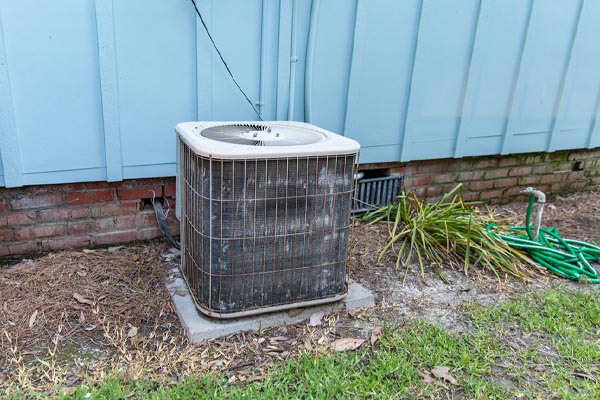
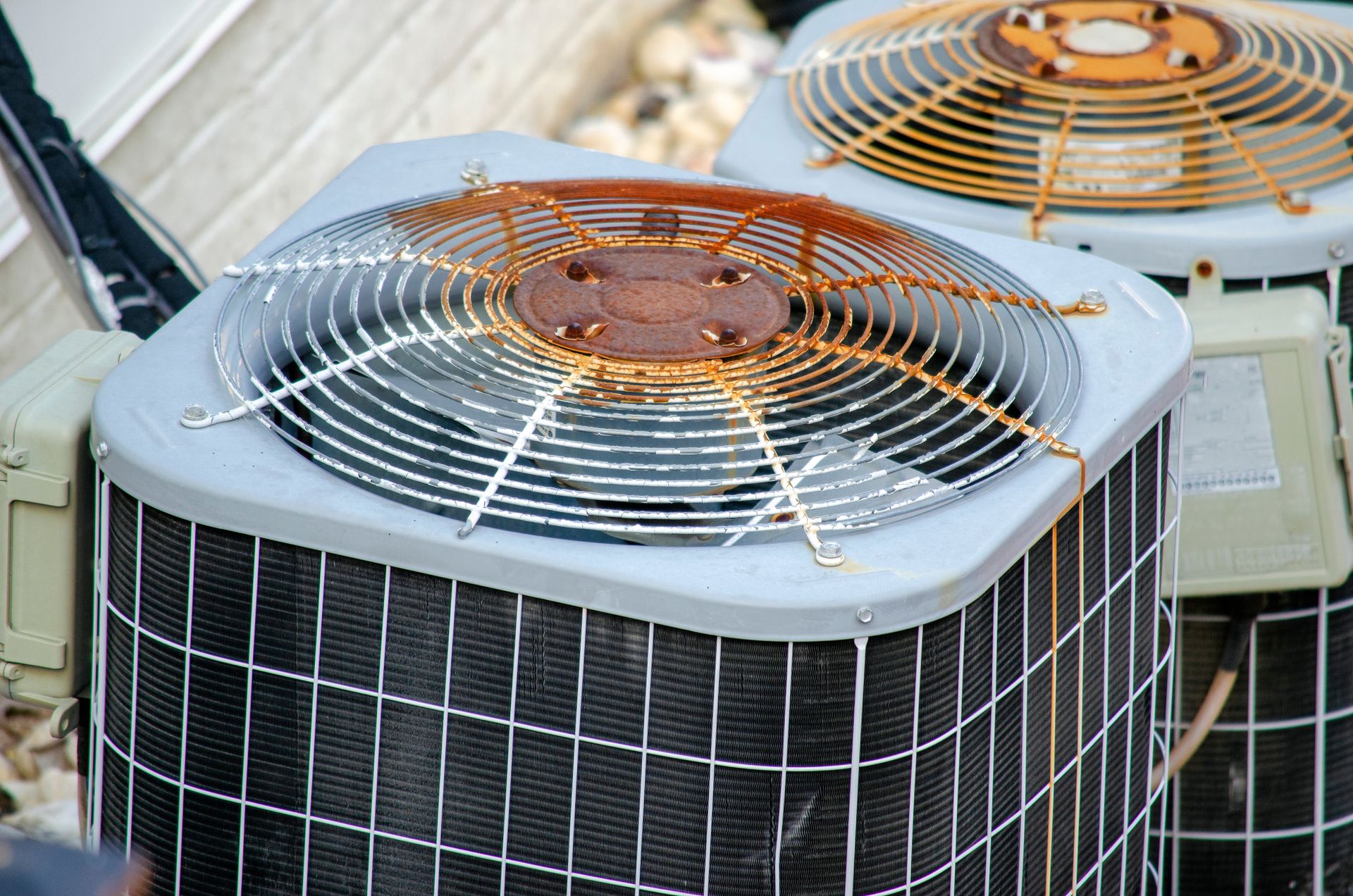
Eventually, every air conditioner reaches the end of its lifespan. Deciding what to do with your old AC unit can feel overwhelming. This guide provides a comprehensive overview of your options, from simple DIY troubleshooting to professional replacement and disposal.
Is It Really Time to Say Goodbye?
Before you resign your AC unit to the scrap heap, it's crucial to determine if replacement is truly necessary. Consider these factors:
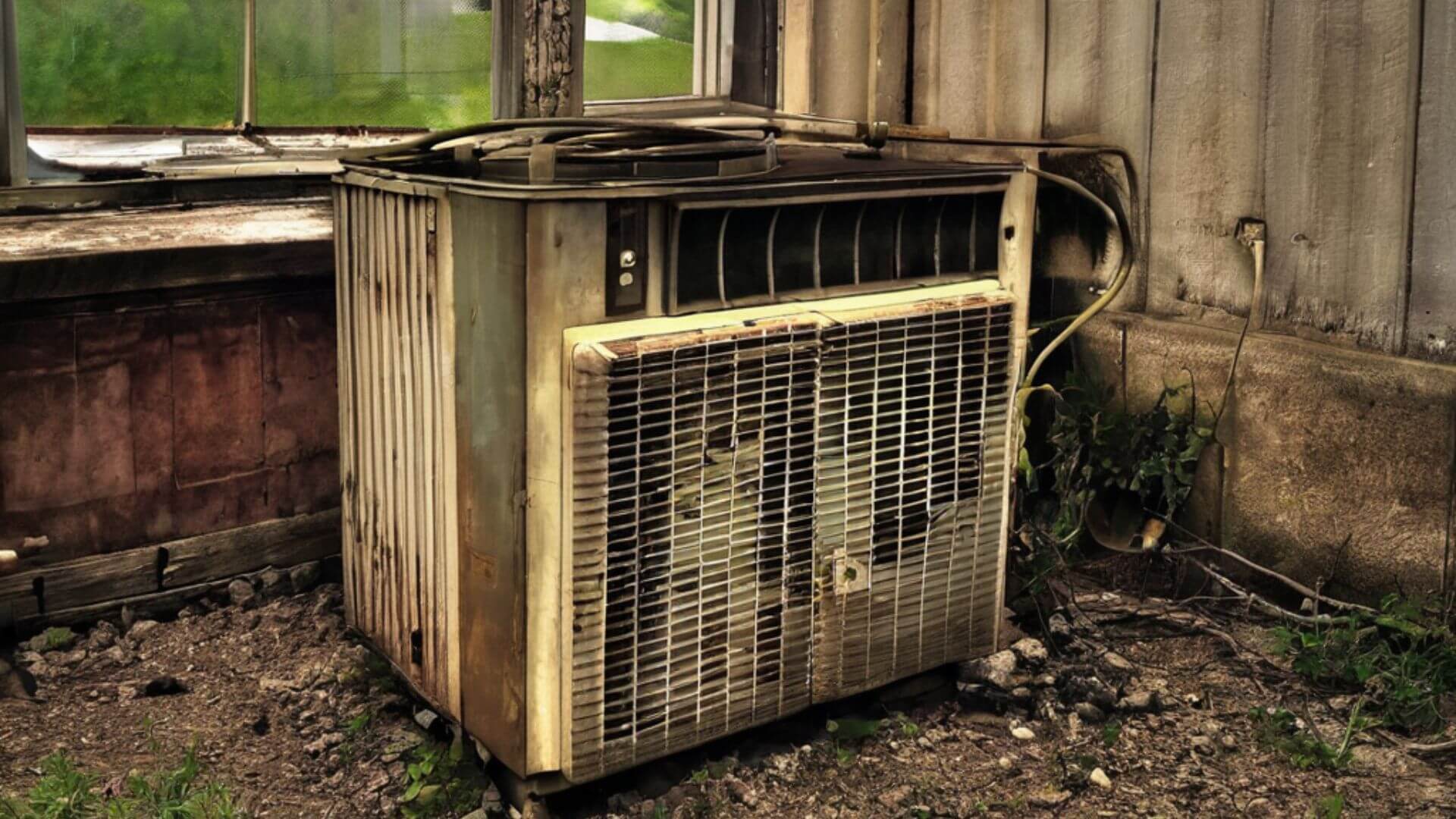
- Age: Most AC units last 10-15 years. If yours is older, replacement is likely the most cost-effective solution.
- Frequency of Repairs: Constant repairs indicate a system nearing its end. A good rule of thumb: if repair costs exceed 50% of a new unit's price, replace it.
- Rising Energy Bills: An inefficient AC unit consumes more energy. Significant increases in your electricity bill can signal a failing system.
- Decreased Cooling Performance: If your AC struggles to maintain a comfortable temperature, even after cleaning or minor repairs, it's a sign of decline.
DIY Troubleshooting: Before You Call a Pro
Before calling a professional, there are several troubleshooting steps you can take. These can often resolve minor issues and potentially extend the life of your unit. Safety first! Always disconnect power to the unit before attempting any repairs.
Common Problems and Solutions:
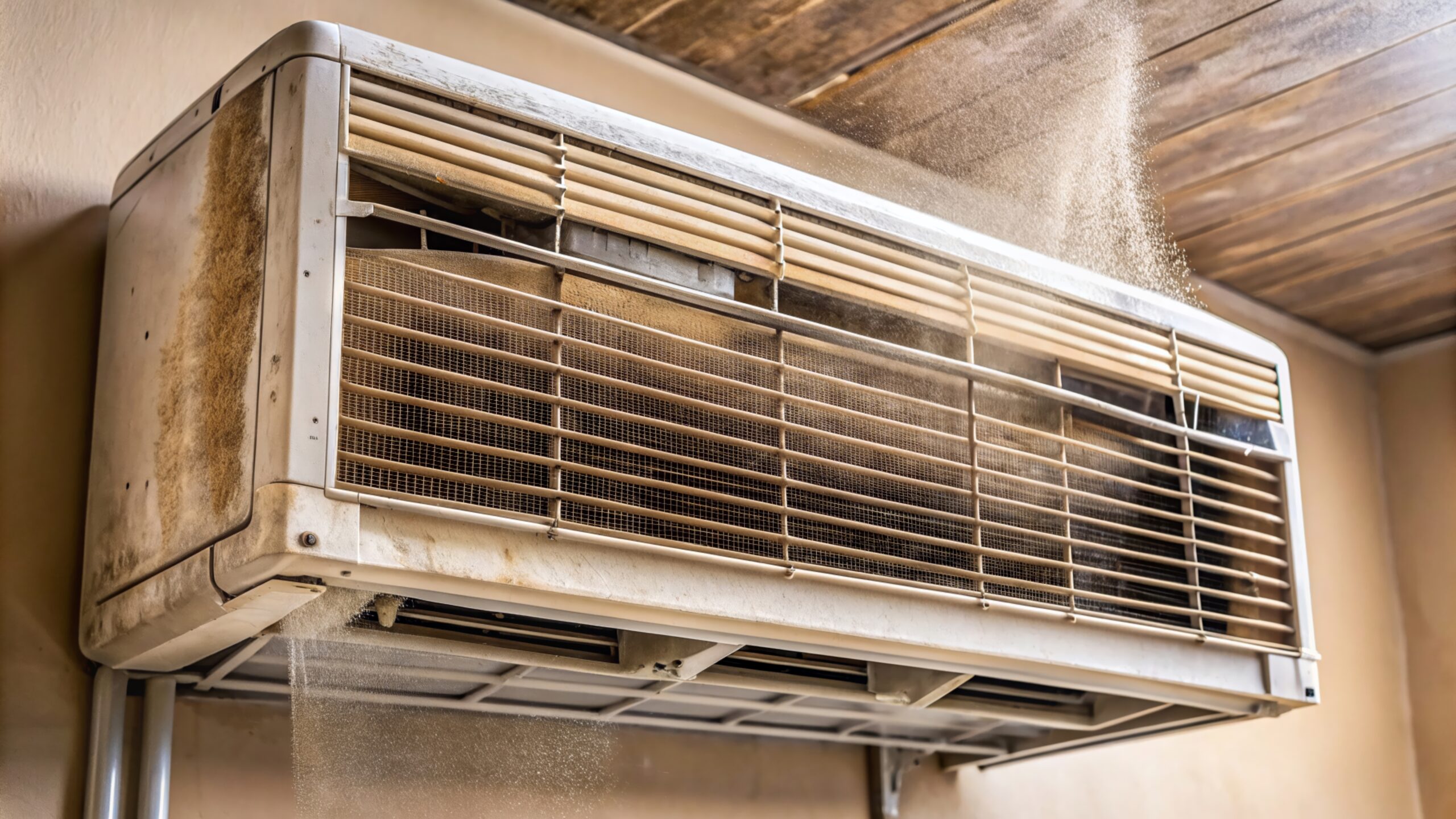
- Dirty Air Filter: This is the most common culprit. Replace your air filter every 1-3 months, or more frequently in dusty environments.
- Dirty Condenser Coils: Located in the outdoor unit, dirty coils reduce efficiency. Clean them with a garden hose (gentle spray) and a fin comb.
- Frozen Evaporator Coil: Often caused by restricted airflow (dirty filter) or low refrigerant. Turn off the AC and let the coil thaw for several hours. Then, replace the filter and check for leaks. If freezing persists, call a professional.
- Tripped Circuit Breaker: Check the circuit breaker panel for a tripped breaker. Reset it. If it trips repeatedly, there may be an electrical problem.
- Clogged Condensate Drain Line: A clogged drain line can cause water damage. Use a wet/dry vacuum to clear the clog.
Tools You Might Need:
- Screwdrivers (various sizes)
- Wrench set
- Fin comb
- Wet/dry vacuum
- Garden hose
- Multimeter (for testing electrical components - use with caution and only if you are comfortable with electrical work)
When to Call a Professional
While some issues can be resolved with DIY, certain problems require professional attention. Don't hesitate to call a qualified HVAC technician if you encounter any of the following:
- Refrigerant Leaks: Handling refrigerant requires specialized equipment and training. Leaks are harmful to the environment and can pose health risks.
- Electrical Problems: Working with electricity can be dangerous. If you're uncomfortable or unfamiliar with electrical wiring, leave it to the professionals.
- Compressor Issues: The compressor is the heart of the AC unit. Repairs are often costly and complex.
- Major Component Failure: If a major component like the evaporator coil or condenser coil fails, replacement is usually the best option.
Warning: Attempting complex repairs without proper training can be dangerous and may void your warranty.
Options for Your Old AC Unit
Once you've decided to replace your AC unit, you have several options for dealing with the old one:
1. Professional Disposal
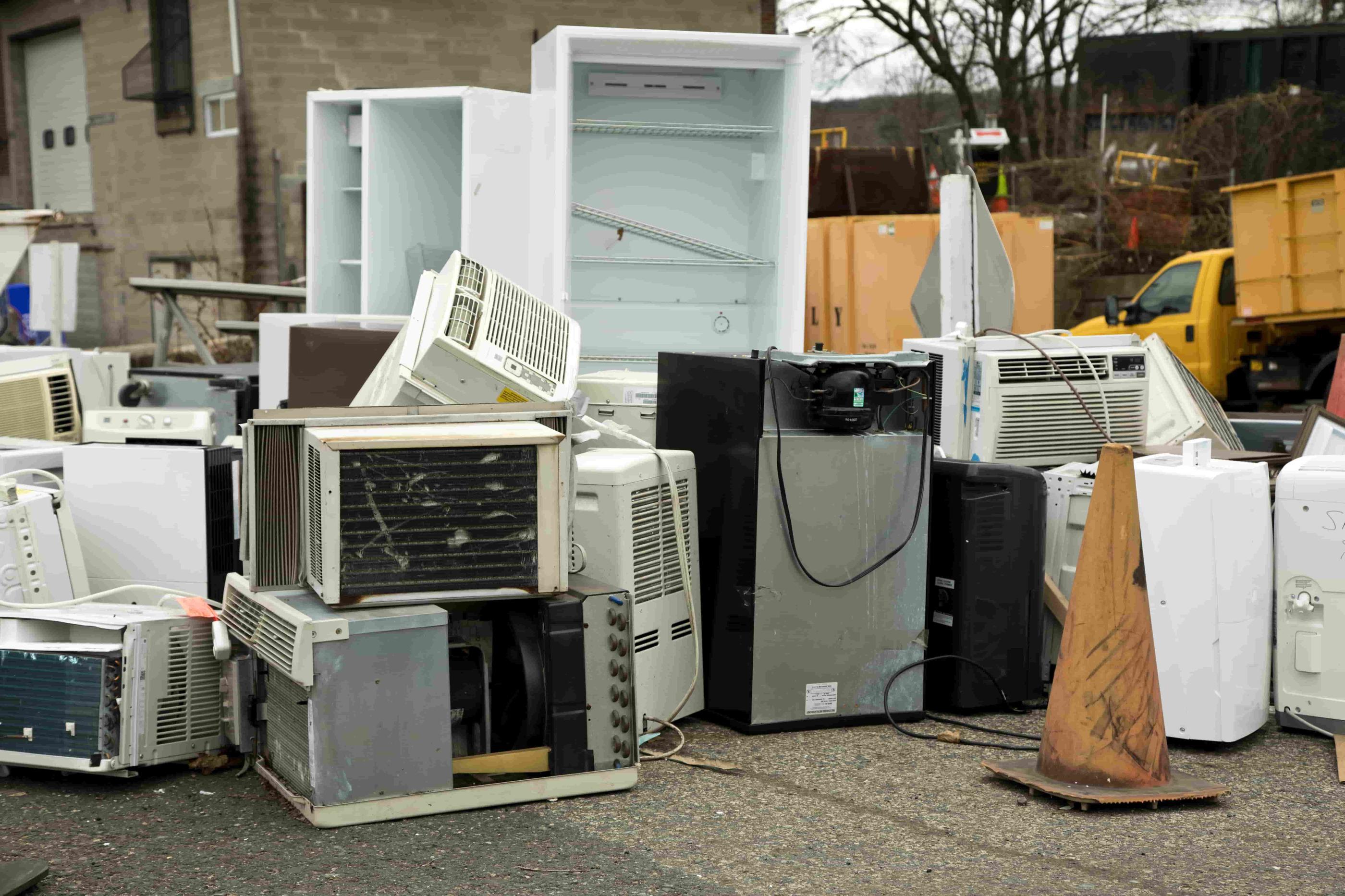
This is often the easiest and most responsible option. Your HVAC contractor will typically handle the disposal of your old unit. They will ensure that it is properly recycled and that any refrigerant is recovered according to environmental regulations.
2. Recycling
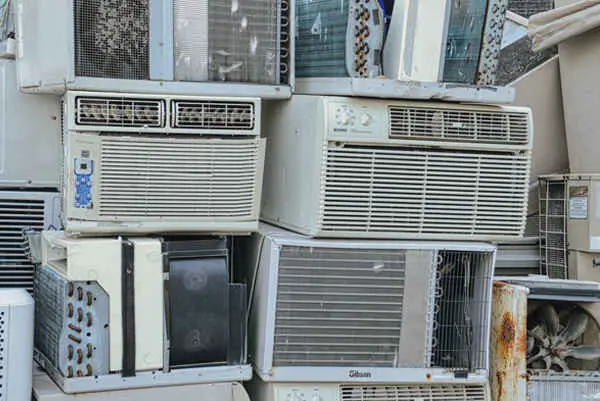
Many recycling centers accept old appliances, including AC units. Contact your local recycling center to inquire about their policies and fees. Important: Ensure that the refrigerant is properly removed by a certified technician before recycling the unit yourself.
3. Donation
If your AC unit is still functional, even if it's not very efficient, consider donating it to a charity or non-profit organization. Some organizations may be able to use it in low-income housing or for training purposes.
4. Reselling
In some cases, you may be able to sell your old AC unit, especially if it's relatively new and in good working condition. However, be prepared to accept a lower price than you might expect. Platforms like Craigslist or Facebook Marketplace can be used to list your unit.
5. Repurposing (DIY Projects)
For the truly adventurous DIYer, an old AC unit can be repurposed for various projects. Here are a few ideas:
- DIY Dehumidifier: With some modifications, the evaporator coil can be used to create a dehumidifier.
- Salvaged Parts: Components like the fan motor can be salvaged for other projects.
- Metal Recycling: The metal casing can be recycled for scrap.
Note: Repurposing an AC unit requires advanced DIY skills and knowledge of HVAC systems. Proceed with caution.
Cost Considerations
The cost of dealing with your old AC unit can vary depending on the option you choose:
- Professional Disposal: Usually included in the cost of a new AC installation. Expect to pay around $50-$150 if you need a standalone disposal service.
- Recycling: Fees vary depending on the recycling center and the size of the unit.
- Donation: No cost, but you may need to transport the unit.
- Reselling: You may receive some money, but factor in the time and effort involved in listing and selling the unit.
- Repurposing: Costs depend on the materials and tools required for your DIY project.
The cost of a new AC unit, including installation and disposal of the old unit, typically ranges from $3,000 to $7,000, depending on the size, efficiency, and brand of the unit. Get quotes from multiple HVAC contractors to ensure you're getting the best price.
Choosing a New AC Unit
Replacing your old AC unit is an opportunity to upgrade to a more efficient and reliable system. Consider these factors when choosing a new unit:
- Size: An undersized unit will struggle to cool your home, while an oversized unit will cycle on and off frequently, leading to energy waste. Consult with an HVAC professional to determine the correct size for your home.
- SEER Rating: The Seasonal Energy Efficiency Ratio (SEER) measures the cooling efficiency of an AC unit. Higher SEER ratings indicate greater efficiency. Look for a unit with a SEER rating of at least 14.
- Energy Star Certification: Energy Star certified units meet strict energy efficiency guidelines.
- Type: Consider a ductless mini-split system if you don't have existing ductwork or want to cool a specific area of your home.
- Brand Reputation: Research different brands and read reviews to find a reliable and reputable manufacturer.
Preventative Maintenance: Extending the Life of Your New AC Unit
Once you've invested in a new AC unit, proper maintenance is crucial to ensure its longevity and efficiency. Follow these tips:
- Regularly Change Air Filters: As mentioned earlier, this is the most important maintenance task.
- Clean Condenser Coils: At least once a year, clean the condenser coils with a garden hose.
- Schedule Professional Maintenance: Have your AC unit professionally inspected and serviced annually.
- Keep the Area Around the Outdoor Unit Clear: Remove any vegetation or debris that could obstruct airflow.
- Check for Leaks: Inspect the refrigerant lines and condensate drain line for leaks.
By following these guidelines, you can ensure that your old AC unit is disposed of responsibly and that your new AC unit provides years of reliable and efficient cooling.