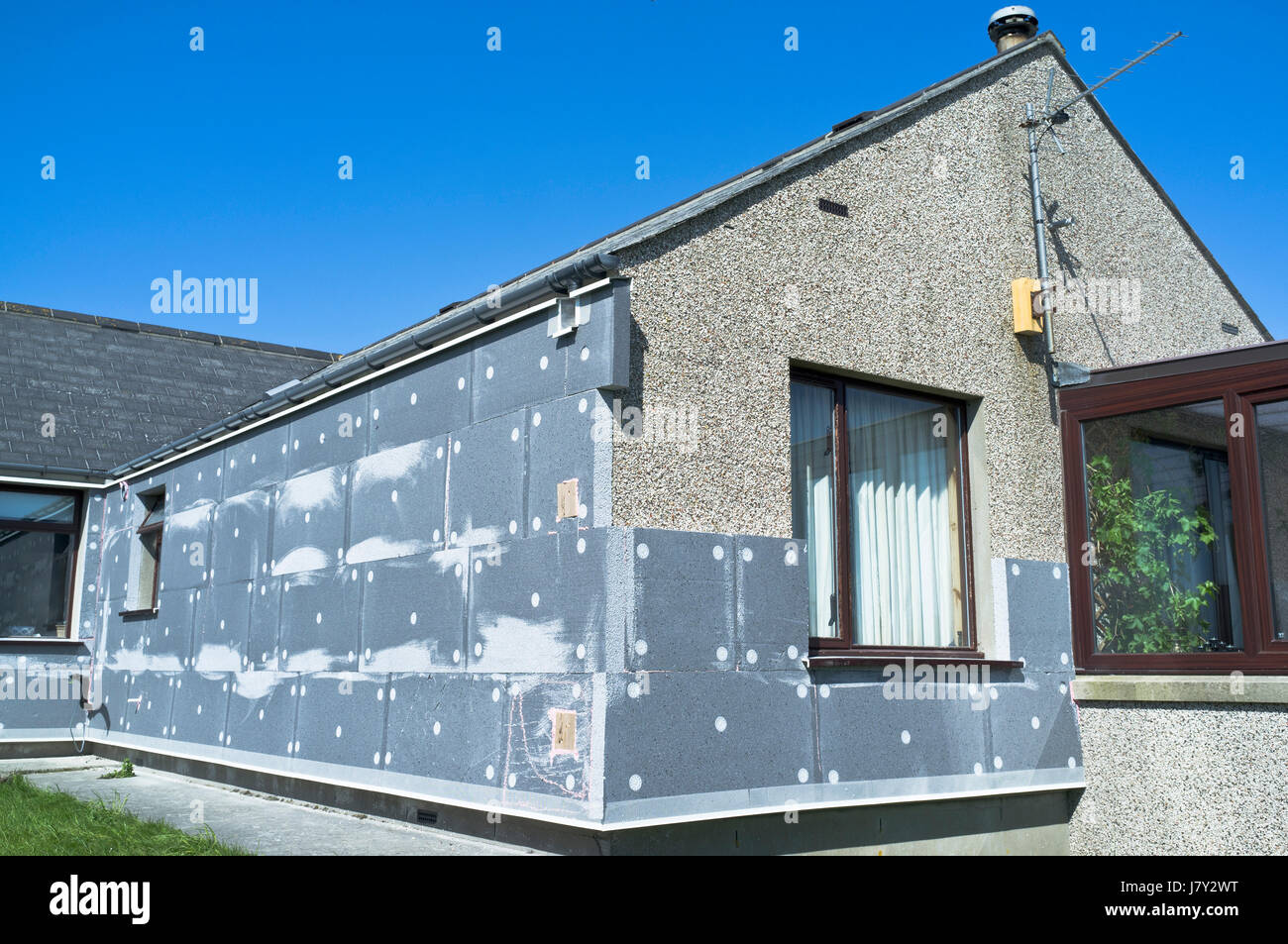
What Type Of Insulation For Exterior Walls
Choosing the right insulation for your exterior walls is a crucial decision that impacts your home's energy efficiency, comfort, and even its long-term value. This article will guide you through the various types of insulation available, helping you make an informed choice based on your specific needs and climate.
Understanding Insulation Basics
Insulation works by resisting the flow of heat. In the winter, it prevents heat from escaping your home, keeping it warmer. In the summer, it prevents heat from entering, keeping it cooler. The effectiveness of insulation is measured by its R-value – the higher the R-value, the better the insulation's performance. Consider the climate you live in when selecting the optimal R-value for your exterior walls. Local building codes often specify minimum R-value requirements.
Types of Insulation for Exterior Walls
1. Fiberglass Insulation
Fiberglass is one of the most common and affordable types of insulation. It's made from spun glass fibers and comes in two main forms:
- Batts and Rolls: These are pre-cut sections of fiberglass insulation designed to fit between standard wall studs. They are relatively easy to install, making them a popular DIY option. However, proper installation is crucial to avoid gaps or compression, which can significantly reduce their effectiveness. Always wear protective gear (gloves, mask, and eye protection) when handling fiberglass insulation.
- Loose-Fill Fiberglass: This type of fiberglass is blown into wall cavities using specialized equipment. It's a good option for filling irregular spaces or adding insulation to existing walls. Installation requires specialized equipment and is typically best left to professionals.
Pros: Affordable, readily available, relatively easy to install (batts and rolls).
Cons: Can be irritating to the skin and lungs, loses effectiveness when compressed or wet, lower R-value per inch compared to some other options.
2. Cellulose Insulation
Cellulose insulation is made from recycled paper products, such as newspaper, and treated with fire retardants. It's an environmentally friendly option that offers good thermal performance.
- Loose-Fill Cellulose: This is the most common form of cellulose insulation. It's blown into wall cavities using specialized equipment, similar to loose-fill fiberglass.
- Dense-Pack Cellulose: This method involves packing cellulose very tightly into wall cavities, creating a dense barrier that resists air movement and provides excellent insulation. It's particularly effective in older homes with irregular wall construction.
Pros: Environmentally friendly, good thermal performance, fire resistant, helps reduce air infiltration.
Cons: Can settle over time, requires professional installation, can be more expensive than fiberglass.
3. Spray Foam Insulation
Spray foam insulation is a polyurethane-based foam that is sprayed into wall cavities. It expands to fill all cracks and crevices, creating an airtight seal that provides excellent insulation and air sealing.
- Open-Cell Spray Foam: This type of spray foam is less dense than closed-cell foam and allows moisture to pass through. It's a good option for interior walls and areas where moisture is not a major concern.
- Closed-Cell Spray Foam: This type of spray foam is denser and more rigid than open-cell foam. It provides a higher R-value per inch and is resistant to moisture, making it a good option for exterior walls and areas where moisture is a concern.
Pros: Excellent insulation and air sealing, high R-value, prevents moisture buildup (closed-cell), reduces noise transmission.
Cons: More expensive than other types of insulation, requires professional installation, can release harmful fumes during installation (requires proper ventilation).
4. Rigid Foam Board Insulation
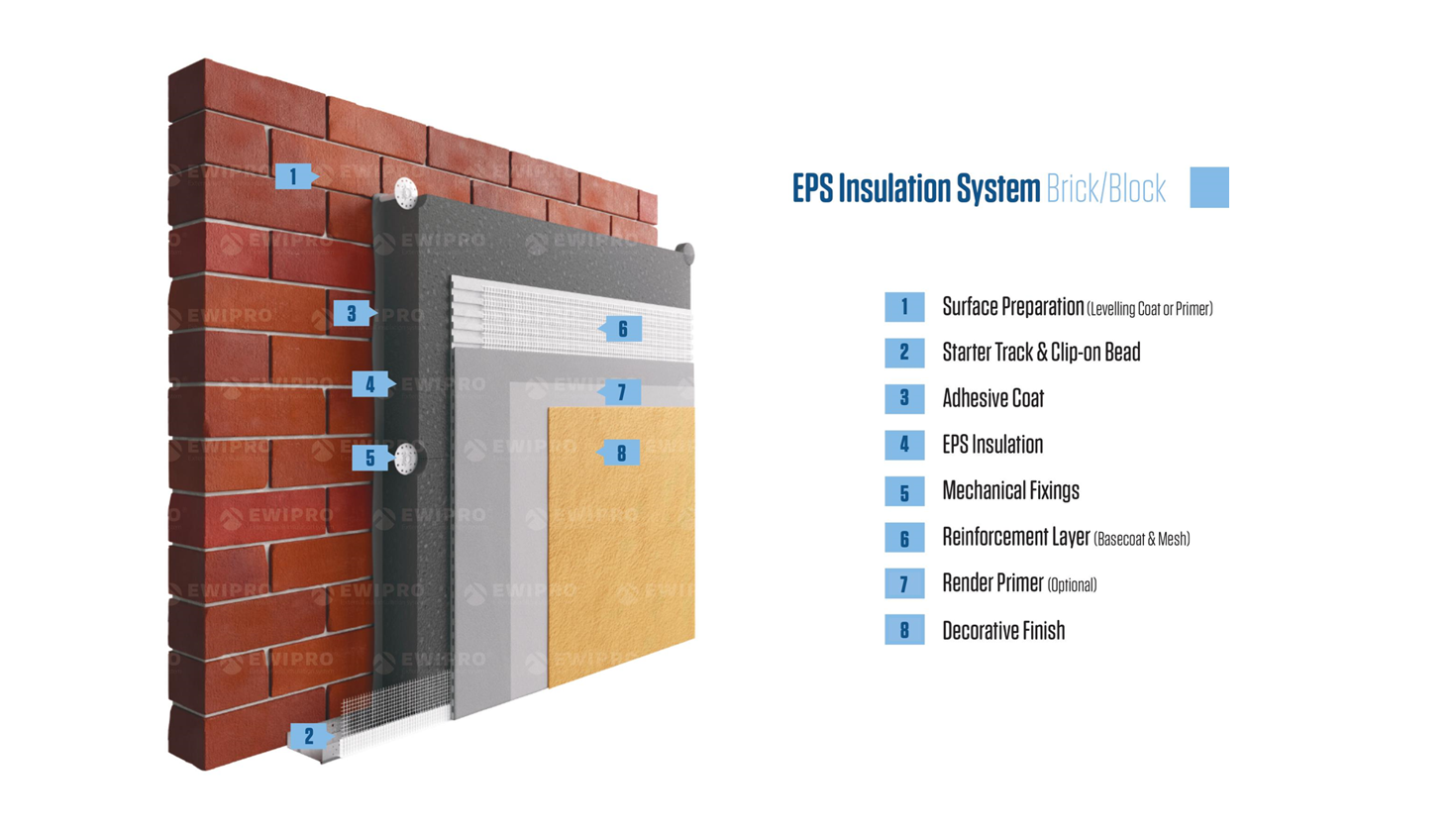
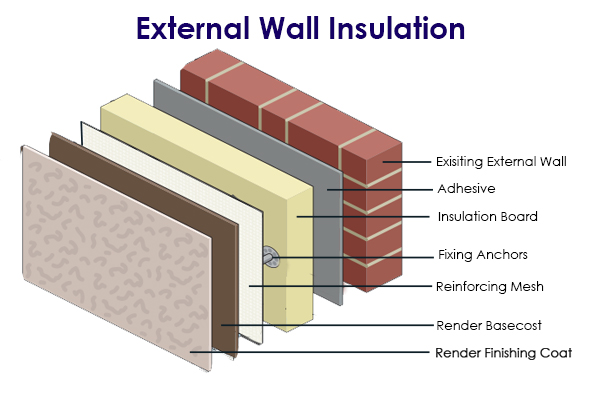
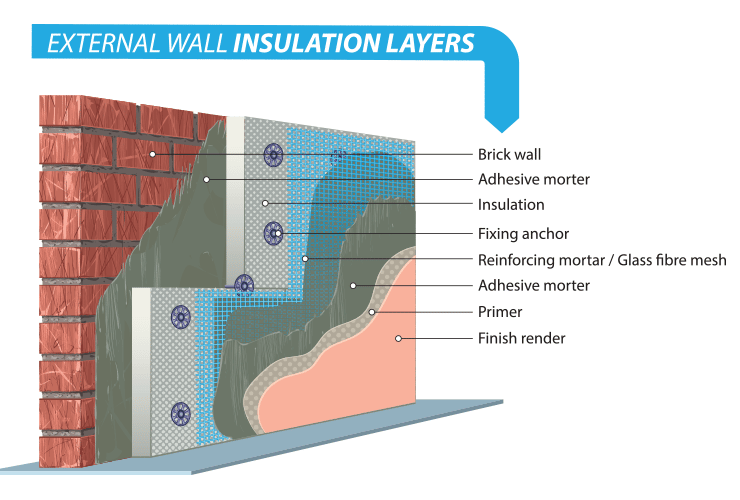
Rigid foam board insulation is made from various materials, including polystyrene (EPS), expanded polystyrene (XPS), and polyisocyanurate (polyiso). It comes in sheets or panels that can be cut to size and installed on exterior walls.
- Expanded Polystyrene (EPS): This is the most common and affordable type of rigid foam board. It has a lower R-value per inch compared to other types of rigid foam.
- Extruded Polystyrene (XPS): This type of rigid foam board is denser and more water-resistant than EPS. It has a higher R-value per inch.
- Polyisocyanurate (Polyiso): This type of rigid foam board has the highest R-value per inch of all rigid foam boards. It's also fire-resistant.
Pros: High R-value per inch (polyiso), moisture resistant (XPS and polyiso), can be used as a continuous insulation layer to reduce thermal bridging.
Cons: Can be more expensive than other types of insulation, requires careful installation to avoid gaps, can be flammable (requires proper fire protection).
5. Rockwool (Mineral Wool) Insulation
Rockwool, also known as mineral wool, is made from recycled rock or slag. It's a fire-resistant and sound-absorbent insulation material that comes in batts and rolls, as well as loose-fill form.
Pros: Fire resistant, sound absorbent, good thermal performance, environmentally friendly (made from recycled materials).
Cons: Can be more expensive than fiberglass, may require special handling due to potential skin irritation.
Factors to Consider When Choosing Insulation
- Climate: The climate you live in will significantly impact the R-value you need for your exterior walls. Colder climates require higher R-values.
- Budget: Insulation costs vary widely depending on the type of insulation and the installation method.
- R-Value: Choose an insulation with an R-value that meets or exceeds local building codes and your desired level of energy efficiency.
- Installation: Consider whether you can install the insulation yourself or if you need to hire a professional.
- Air Sealing: Air leaks can significantly reduce the effectiveness of insulation. Consider air sealing your walls before installing insulation.
- Moisture: Choose an insulation that is resistant to moisture or install a vapor barrier to prevent moisture buildup in your walls.
- Environmental Impact: Consider the environmental impact of the insulation material. Some types of insulation are made from recycled materials or are more environmentally friendly than others.
- Existing Wall Construction: The type of insulation you choose may be limited by the existing construction of your walls. For example, adding insulation to existing walls may require using loose-fill insulation or spray foam.
DIY vs. Professional Installation
Some types of insulation, such as fiberglass batts and rolls, are relatively easy to install yourself. However, other types of insulation, such as loose-fill insulation, spray foam, and rigid foam board, require specialized equipment and skills and are best left to professionals.
DIY Installation is Suitable for:
- Fiberglass batts and rolls in new construction or easily accessible areas.
- Small patching jobs.
- When you are comfortable working with hand tools and measuring.
Professional Installation is Recommended for:
- Loose-fill insulation (fiberglass or cellulose).
- Spray foam insulation.
- Rigid foam board insulation (especially for exterior applications).
- Dense-pack cellulose.
- Any insulation job that involves working in confined spaces or with hazardous materials.
- Retrofitting insulation in existing walls (especially when dealing with potential asbestos or other hazards).
Safety Precautions
Always take safety precautions when working with insulation. Wear protective clothing, including gloves, a mask, and eye protection, to prevent skin and respiratory irritation. Work in a well-ventilated area. If you are unsure about any aspect of the installation process, consult with a professional.
Conclusion
Choosing the right insulation for your exterior walls is a complex decision that depends on a variety of factors. By understanding the different types of insulation available and considering your specific needs and climate, you can make an informed choice that will improve your home's energy efficiency, comfort, and value. Remember to prioritize safety and consult with a professional when necessary. Properly installed insulation is an investment that will pay off for years to come.


:max_bytes(150000):strip_icc()/types-of-garage-installation-1398128-1f388b54b4e94218abbd7ebb1d8bae33.png)