What Types Of Humidifiers Work Best With Heat Pump Systems
Many homeowners experience uncomfortable dryness during the heating season, especially when using heat pump systems. This dryness can manifest as dry skin, irritated sinuses, and even increased susceptibility to colds and flu. A humidifier can alleviate these issues, but choosing the right type for a heat pump is crucial for optimal performance and energy efficiency.
The Dry Air Dilemma with Heat Pumps
Heat pumps, while energy-efficient for both heating and cooling, can sometimes exacerbate dryness in the winter. This is because they transfer heat rather than generating it directly. This process can lower the air's relative humidity, making your home feel drier, even at a comfortable temperature. Knowing how to troubleshoot humidity issues and select the right humidifier can dramatically improve your comfort level.
Troubleshooting Humidity Problems: A Step-by-Step Guide
Before rushing out to buy a humidifier, it’s important to determine if your home truly has a humidity problem and to rule out other potential causes of discomfort. Here's a methodical approach:
Step 1: Identify the Symptoms
First, clearly identify the symptoms you're experiencing. Are you noticing:
- Dry, itchy skin?
- Frequent static shocks?
- Cracked wooden furniture?
- Persistent sore throat or dry nasal passages?
- Condensation on windows (this can indicate *too much* humidity, a different problem entirely)?
If you're experiencing these symptoms primarily during the heating season, low humidity is a likely culprit.
Step 2: Measure Your Home's Humidity
The most accurate way to determine if you need a humidifier is to measure the relative humidity (RH) in your home. You can do this using a simple and inexpensive device called a hygrometer. You can find these at most hardware stores or online retailers.
Ideal RH levels should be between 30% and 50%. Aim for the lower end of this range in colder weather to avoid condensation problems. If your hygrometer consistently reads below 30%, it's a good indication that you need to increase humidity.
Step 3: Check Your Heat Pump Settings
While not directly related to humidity, ensure your heat pump is operating correctly. A malfunctioning heat pump can cause temperature fluctuations, which can indirectly impact how you perceive humidity. Visually inspect the outdoor unit for excessive ice buildup (in winter) or debris accumulation. Make sure the vents are clear.
Without tools, you can:
- Ensure the thermostat is set correctly for heating mode.
- Check the air filter. A dirty filter restricts airflow, making the system work harder and potentially impacting its efficiency. Replace it if it's dirty.
With basic equipment (screwdriver, multimeter - use with caution and only if comfortable):
- You can check for obvious wiring issues (loose connections) at the thermostat, after turning off the power at the breaker.
When to call a professional: If you suspect a refrigerant leak, hear unusual noises coming from the unit, or are uncomfortable working with electrical components, contact a qualified HVAC technician immediately.
Step 4: Rule Out Other Causes
Before concluding that your heat pump is the sole cause of the dryness, consider other factors that can contribute to low humidity:
- Poor insulation: Drafty homes lose heat and humidity more quickly.
- Air leaks: Gaps around windows and doors allow dry outside air to enter.
- Ventilation: Excessive ventilation (e.g., running exhaust fans for extended periods) can remove moisture from the air.
Address any of these issues before investing in a humidifier. Sealing air leaks and improving insulation are often more effective and energy-efficient solutions in the long run.
Step 5: Evaluate Your Lifestyle
Certain lifestyle factors can also impact humidity levels. For example:
- Frequent hot showers or baths: While they add temporary moisture, they can also dry out the skin.
- Using a fireplace regularly: Fireplaces consume a lot of air and can dry out the home.
Adjusting these habits can sometimes alleviate dryness without the need for a humidifier.
Choosing the Right Humidifier for Your Heat Pump System
Once you've confirmed that you need a humidifier, selecting the right type is essential. Not all humidifiers are created equal, and some are better suited for use with heat pump systems than others. Here’s a breakdown of the most common types:
1. Whole-House Humidifiers (Ideal for Heat Pumps)
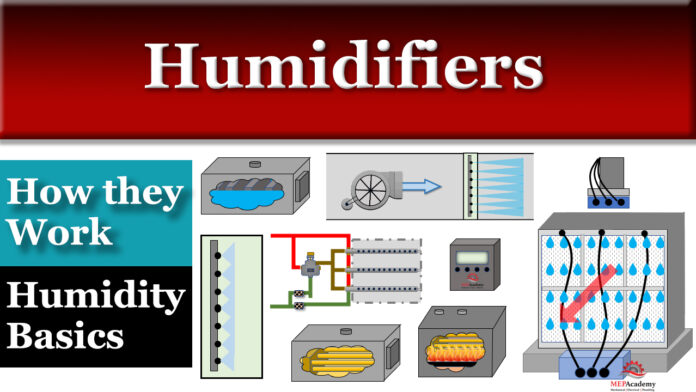
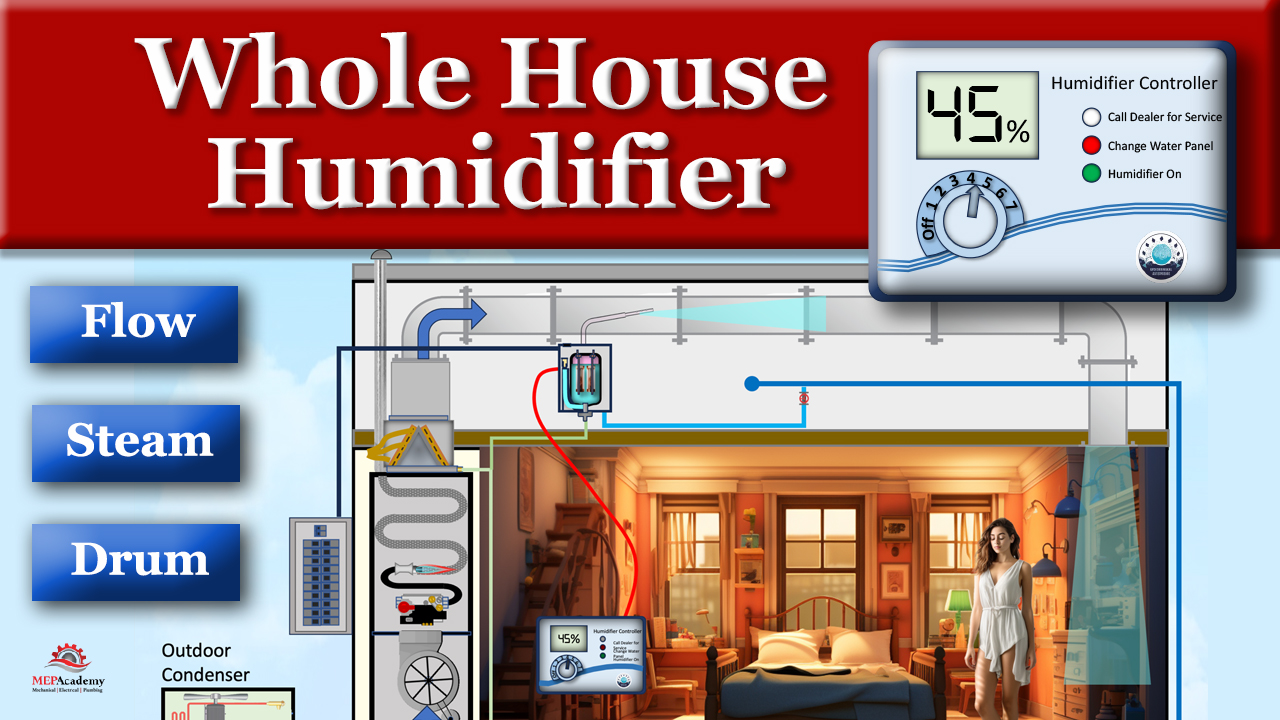
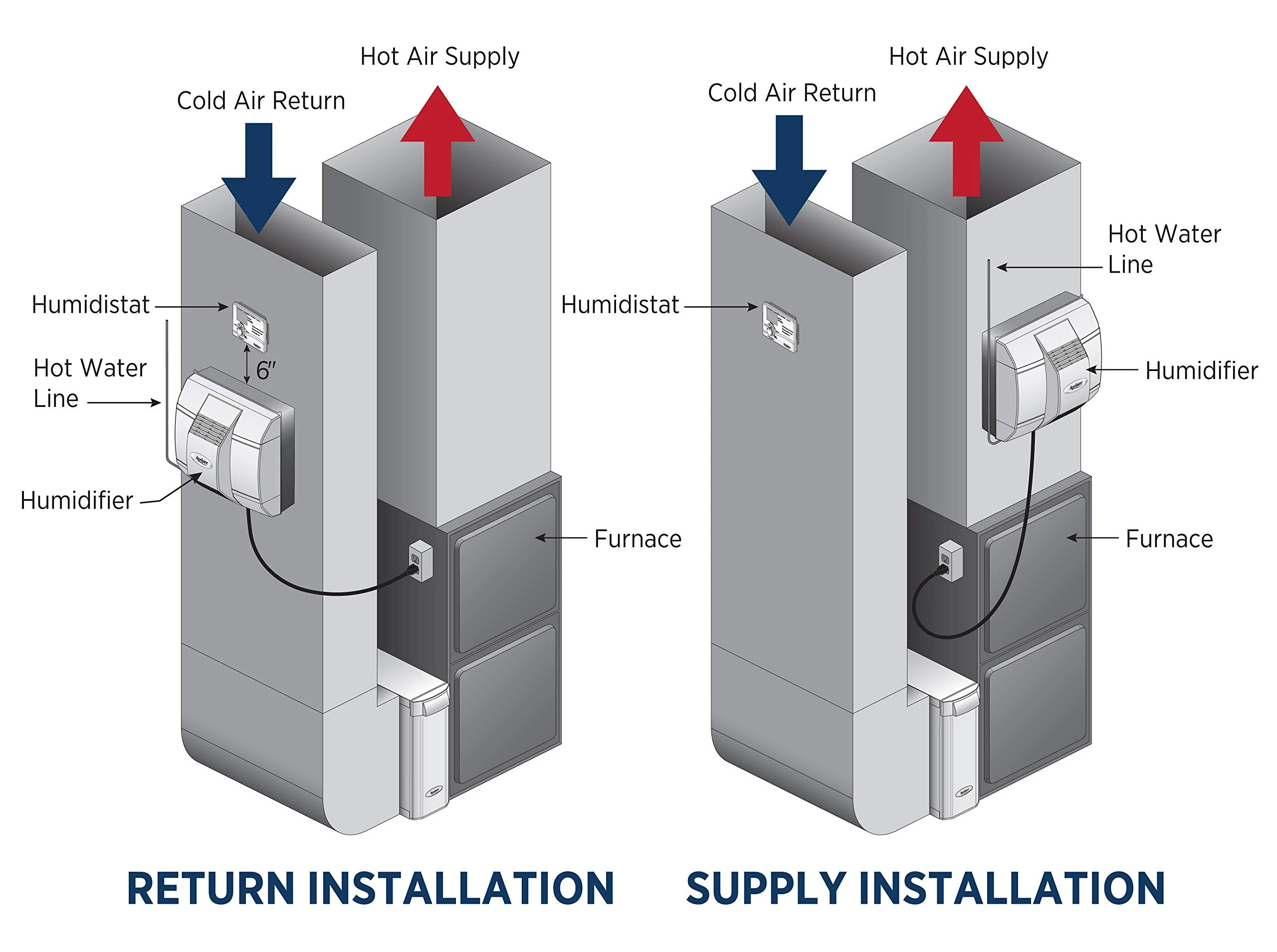
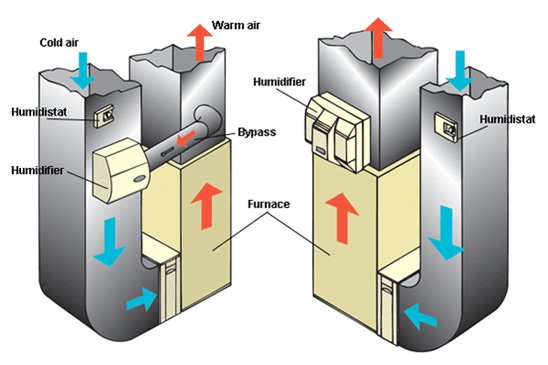
Whole-house humidifiers are installed directly into your HVAC system, typically connecting to the furnace ductwork. They humidify the entire home evenly and efficiently. There are two main types:
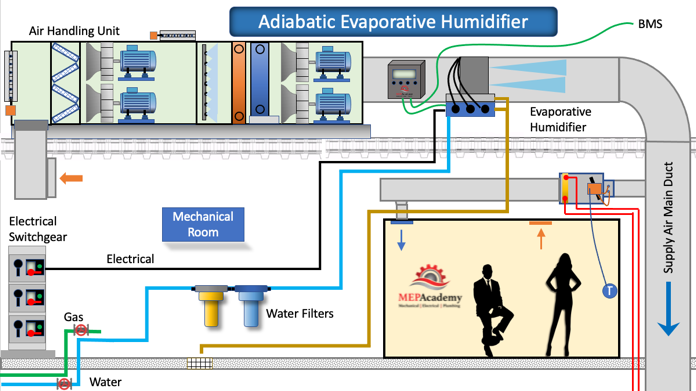
- Bypass Humidifiers: These use the furnace blower to circulate air through a water-soaked pad. They are relatively inexpensive to purchase but can be less efficient than other types, as they rely on the furnace running to operate. They are a good option for heat pumps *if* your heat pump runs frequently enough to provide sufficient humidification.
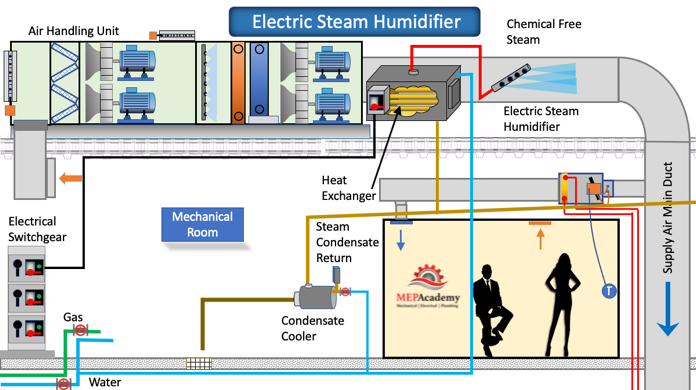
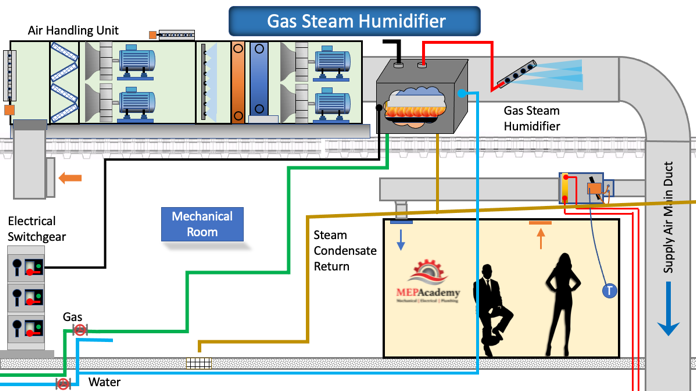
- Steam Humidifiers: These use electricity to boil water and release steam into the ductwork. They are more expensive to install but are very effective and can operate independently of the furnace. This makes them an excellent choice for heat pump systems, as they can humidify the air even when the heat pump isn't actively heating. Steam humidifiers offer precise humidity control and are less prone to mineral buildup compared to evaporative models.
Pros of Whole-House Humidifiers:
- Even humidity distribution throughout the home.
- Lower maintenance compared to portable units.
- Quiet operation.
- Can be controlled by the thermostat for optimal comfort.
Cons of Whole-House Humidifiers:
- Higher initial installation cost.
- Requires professional installation (especially steam humidifiers).
2. Portable Humidifiers (Considerations for Heat Pumps)
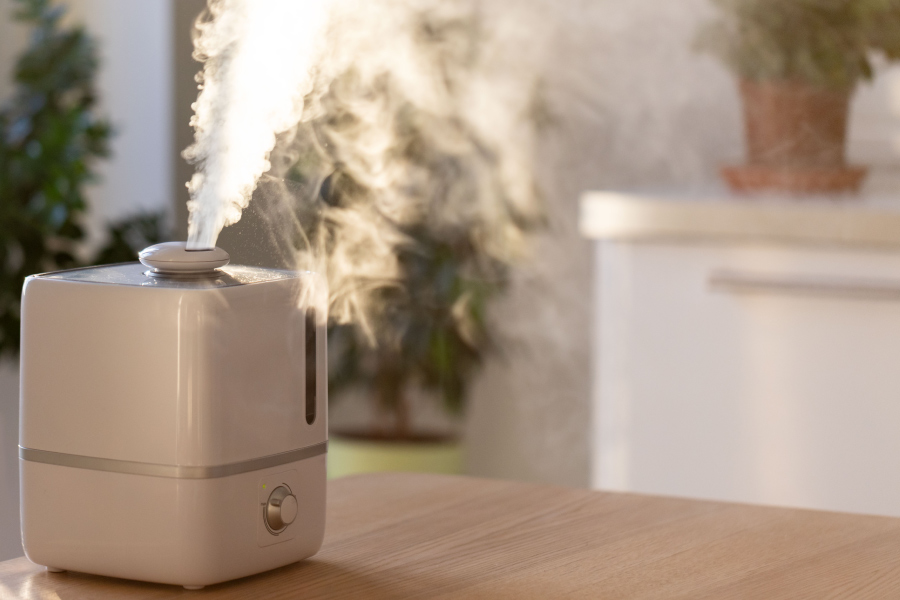
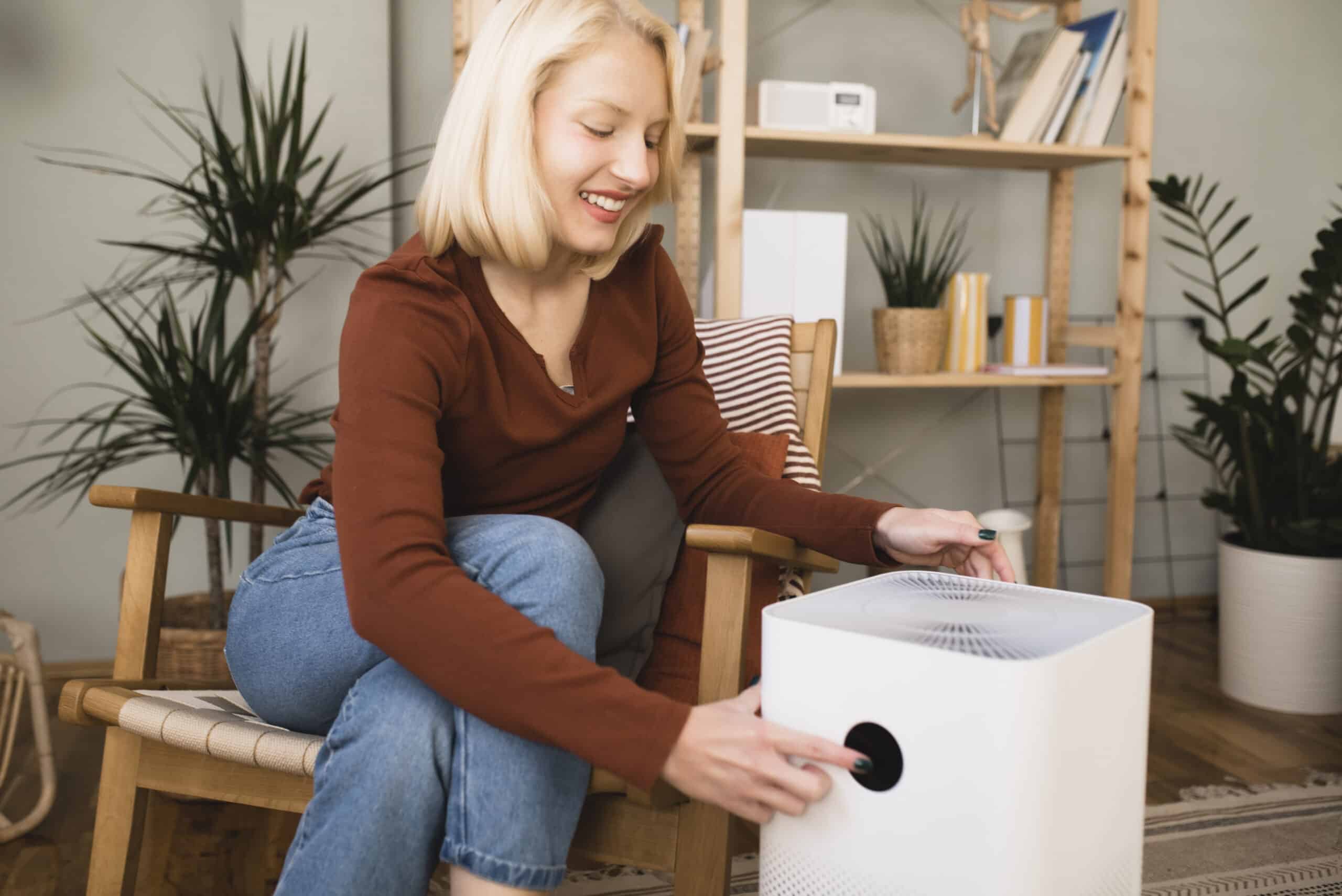
Portable humidifiers are small, self-contained units that humidify a single room or area. They are a more affordable and flexible option than whole-house systems, but they require more maintenance and are less efficient for humidifying the entire home. There are several types of portable humidifiers:
- Evaporative Humidifiers: These use a fan to blow air through a wet wick or filter. They are relatively inexpensive but can be noisy and require frequent cleaning to prevent mold and bacteria growth.
- Ultrasonic Humidifiers: These use high-frequency vibrations to create a fine mist. They are quieter than evaporative humidifiers but can produce white dust if tap water is used (distilled water is recommended).
- Warm Mist Humidifiers: These boil water and release steam. They are generally more effective at killing bacteria but can be a burn hazard, especially for children and pets.
Pros of Portable Humidifiers:
- Lower initial cost.
- Easy to move from room to room.
- No installation required.
Cons of Portable Humidifiers:
- Uneven humidity distribution.
- Requires frequent refilling and cleaning.
- Can be noisy.
- May require distilled water.
Considerations for Heat Pumps: If you choose a portable humidifier, consider its placement. Avoid placing it directly in front of a heat register, as this can lead to condensation problems. Instead, position it in a central location in the room.
3. Choosing the Best Option for Your Needs
The best type of humidifier for your home depends on your budget, the size of your home, and your specific needs. If you have a heat pump system and want consistent, even humidity throughout your home, a whole-house steam humidifier is the ideal choice. While it requires a higher initial investment, it offers superior performance and convenience. A whole-house bypass humidifier can work well *if* your heat pump is actively running frequently. If you only need to humidify a small area, a portable humidifier may be sufficient, but be prepared for more frequent maintenance.
DIY Maintenance Tips for Humidifiers
Regular maintenance is crucial for ensuring your humidifier operates efficiently and safely. Here are some simple DIY tips:
- Clean your humidifier regularly: Follow the manufacturer's instructions for cleaning your humidifier. This typically involves disassembling the unit and cleaning the components with a mild soap and water solution. Pay particular attention to the water tank and any filters or wicks. This prevents mold and bacteria growth.
- Use distilled water (for portable humidifiers): Tap water contains minerals that can cause buildup in humidifiers. Using distilled water will help prevent this buildup and prolong the life of your unit.
- Replace filters and wicks regularly: Filters and wicks become clogged over time, reducing the humidifier's efficiency. Replace them according to the manufacturer's recommendations.
- Monitor humidity levels: Use a hygrometer to monitor the humidity levels in your home. Adjust the humidifier's settings as needed to maintain the ideal range of 30% to 50%.
When to Call a Professional
While many humidifier maintenance tasks can be performed DIY, some issues require professional assistance. Call an HVAC technician if you experience any of the following:
- Problems with whole-house humidifier installation: Installing a whole-house humidifier requires specialized knowledge and tools. Improper installation can damage your HVAC system.
- Water leaks: If you notice water leaks around your humidifier, it's important to have them repaired promptly to prevent water damage.
- Electrical issues: If you suspect an electrical problem with your humidifier, do not attempt to repair it yourself. Contact a qualified electrician.
- Persistent mold or mildew growth: If you can't seem to get rid of mold or mildew growth in your humidifier, it's best to consult with a professional to determine the cause and implement a solution.
Conclusion
Addressing low humidity is vital for maintaining a comfortable and healthy home environment, especially when using a heat pump system. By following the troubleshooting steps outlined in this article and choosing the right type of humidifier, you can effectively combat dryness and improve your overall well-being. Remember to prioritize regular maintenance and seek professional help when needed. With the right approach, you can enjoy a comfortable and properly humidified home all winter long.