What Wires To Jump For Ac

Understanding your HVAC system can feel daunting, especially when faced with troubleshooting or upgrading components. While not always recommended for non-professionals, understanding the wiring behind your air conditioner and, specifically, which wires can be "jumped" for diagnostic or testing purposes, can be valuable knowledge. This article explores this topic from the perspective of energy efficiency, safety, and potential for cost savings. It is strongly recommended that any electrical work on your HVAC system be performed by a qualified and licensed HVAC technician. Working with electrical components can be dangerous and may void warranties.
Understanding HVAC Wiring Basics
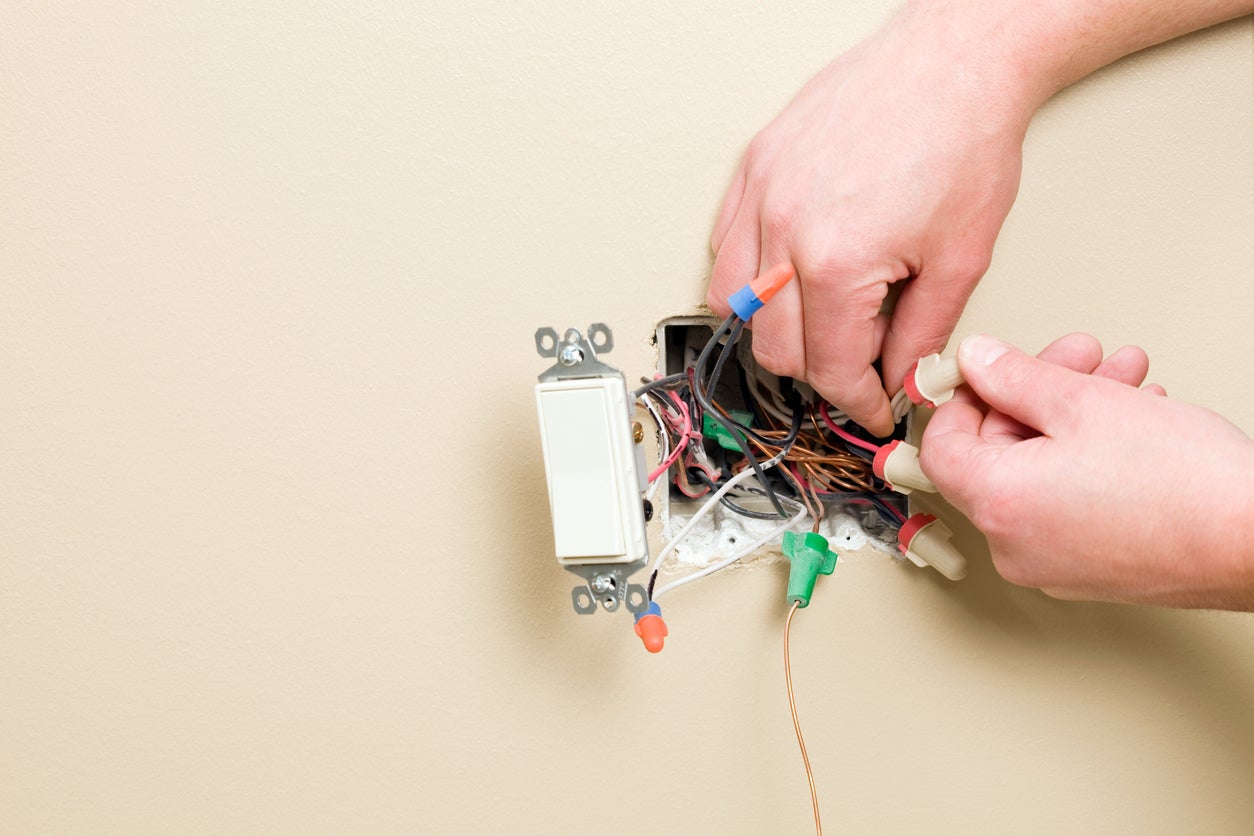
Before delving into wire jumping, let's establish a foundation in basic HVAC wiring. Most residential and light commercial HVAC systems utilize a low-voltage control system, typically operating at 24 volts AC. This low-voltage system is responsible for signaling the various components of the system to turn on and off. The main players in this low-voltage circuit are the thermostat and the control board located inside the air handler or furnace.
Common thermostat wires and their functions include:
- R (Red): 24V power supply.
- C (Common): Provides a return path for the 24V power, essential for many smart thermostats.
- Y (Yellow): Activates the cooling system (compressor).
- G (Green): Activates the fan.
- W (White): Activates the heating system (furnace).
- O/B (Orange/Blue): Controls the reversing valve for heat pumps (determines heating or cooling mode).
It's crucial to identify these wires correctly before attempting any testing. Incorrect identification can lead to damage to your HVAC system or thermostat.
The Purpose of "Jumping" Wires
“Jumping” wires, in the context of HVAC, refers to temporarily connecting two or more wires in the low-voltage circuit to bypass a specific component or safety feature. This is primarily a diagnostic technique used to isolate a problem within the system. For example, a technician might jump the R and Y wires at the thermostat to force the cooling system to turn on, bypassing the thermostat's internal controls. This helps determine if the thermostat itself is the source of the problem.
Important Safety Note: Jumping wires should only be performed by experienced technicians with a thorough understanding of HVAC systems and electrical safety protocols. Incorrectly jumping wires can cause short circuits, damage components, or even create a fire hazard. Always disconnect power to the HVAC system before working on any wiring.
Common Scenarios Where Wire Jumping Might Be Used (By Professionals)
Testing the Compressor
If the air conditioner isn't cooling, a technician might jump the R and Y wires at the thermostat or control board to directly activate the compressor. If the compressor starts and the system begins to cool, the problem likely lies in the thermostat, wiring, or a safety switch. If the compressor doesn't start, it could indicate a problem with the compressor itself, the capacitor, or the wiring leading to the compressor.
Bypassing Safety Switches
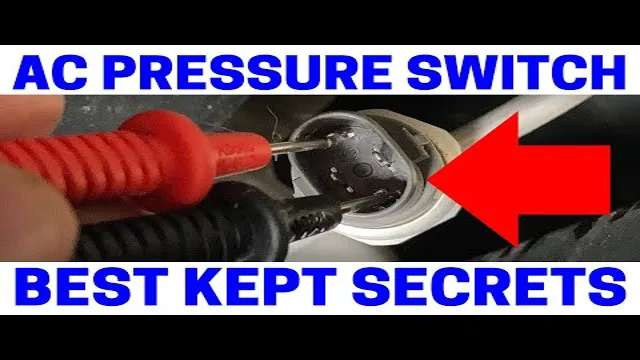
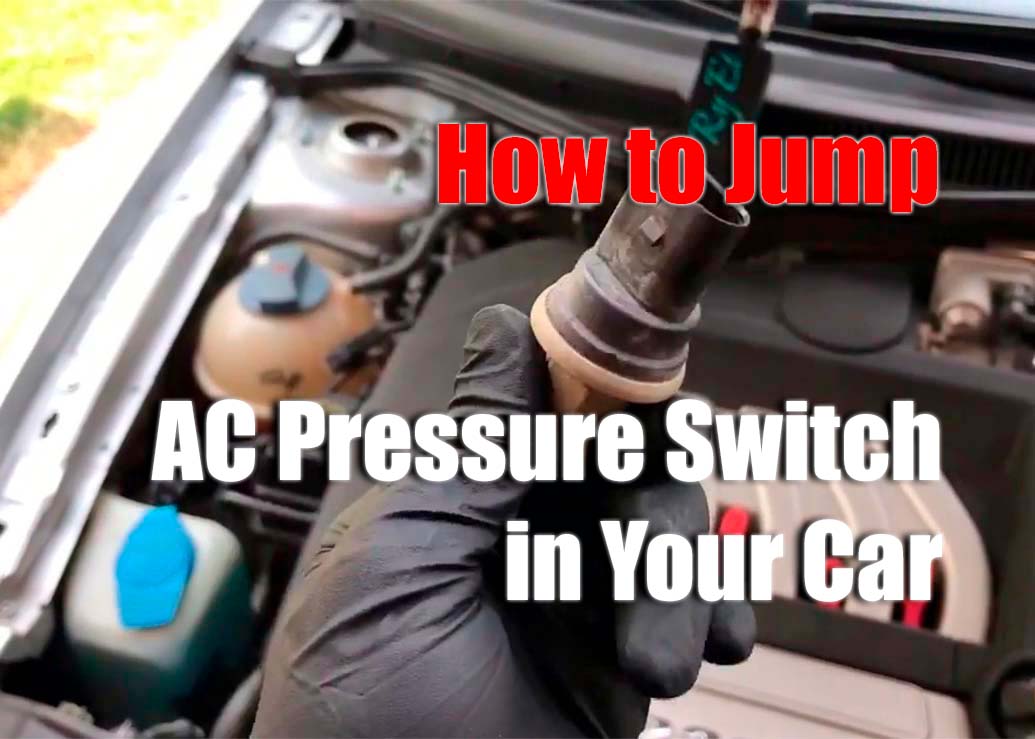
HVAC systems are equipped with various safety switches to protect components from damage. These switches include high-pressure switches, low-pressure switches, and overflow switches. If one of these switches is tripped, it can prevent the system from operating. A technician might temporarily jump the terminals of a safety switch to determine if the switch is faulty. However, it is crucial to identify and address the underlying cause of the tripped switch before restoring the system to normal operation. Simply bypassing a safety switch without fixing the root problem can lead to serious damage.
Testing the Fan
To test the fan independently of the thermostat, a technician might jump the R and G wires. This will force the fan to run continuously. If the fan doesn't run, the problem could be with the fan motor, the capacitor, or the wiring.
Energy Efficiency Implications and Risks
While wire jumping can be a helpful diagnostic tool, it's essential to understand the energy efficiency implications and potential risks.
- Bypassing Safety Features: Bypassing safety switches, even temporarily, can lead to inefficient operation and increased energy consumption. For example, a high-pressure switch might trip due to a refrigerant leak or a clogged condenser coil. Bypassing the switch and continuing to run the system will likely cause further damage and reduce the system's efficiency.
- Overworking Components: Forcing components to run continuously through wire jumping, especially the compressor, can put undue stress on the system and shorten its lifespan. This can result in increased energy consumption in the long run.
- Incorrect Diagnosis: Jumping wires without a proper understanding of the system can lead to incorrect diagnosis and unnecessary repairs. This can waste time, money, and energy.
Smart Thermostat Integration and Energy Savings
Instead of resorting to potentially risky wire jumping, consider upgrading to a smart thermostat. Smart thermostats offer advanced diagnostic capabilities and energy-saving features, often eliminating the need for manual wire manipulation.
- Remote Monitoring and Control: Smart thermostats allow you to monitor and control your HVAC system from anywhere using a smartphone or tablet. This enables you to adjust the temperature based on your schedule and occupancy, optimizing energy usage.
- Energy Usage Reports: Many smart thermostats provide detailed energy usage reports, allowing you to identify areas where you can save energy.
- Geofencing: Geofencing uses your smartphone's location to automatically adjust the thermostat when you leave or approach your home. This ensures that you're not heating or cooling an empty house.
- Learning Algorithms: Some smart thermostats learn your preferences and automatically adjust the temperature to optimize comfort and energy savings.
According to Energy Star, a smart thermostat can save you up to 8% on your heating and cooling costs. This translates to significant savings over the lifespan of the thermostat.
HVAC Maintenance and Professional Assistance
Regular HVAC maintenance is crucial for ensuring optimal energy efficiency and preventing costly repairs. A qualified HVAC technician can perform a comprehensive system inspection, including:
- Checking refrigerant levels
- Cleaning coils
- Inspecting ductwork for leaks
- Testing safety switches
- Calibrating the thermostat
Preventive maintenance can identify potential problems before they escalate, preventing inefficient operation and extending the lifespan of your HVAC system. Many HVAC contractors offer maintenance agreements that provide regular inspections and discounts on repairs.
Government Rebates and Incentives
Many government agencies and utility companies offer rebates and incentives for upgrading to energy-efficient HVAC equipment. Check with your local utility company and state energy office to see what programs are available in your area. These programs can significantly reduce the upfront cost of upgrading to a more efficient system.
For example, the Inflation Reduction Act provides tax credits for homeowners who install energy-efficient heat pumps. These credits can cover up to 30% of the installation cost, making heat pumps a more affordable option.
Alternatives to Jumping Wires for Troubleshooting
Before considering wire jumping, explore alternative troubleshooting methods that are safer and less risky:
- Consult the Thermostat Manual: Many thermostat manuals provide troubleshooting tips for common issues.
- Check the Air Filter: A dirty air filter can restrict airflow and cause the system to run inefficiently. Replace the air filter regularly.
- Inspect the Outdoor Unit: Ensure that the outdoor unit is free of debris and obstructions.
- Use a Multimeter: If you have some electrical experience, a multimeter can be used to check for voltage and continuity in the low-voltage circuit. However, be extremely cautious when working with electrical components.
Conclusion
While understanding HVAC wiring and the concept of "jumping" wires can be informative, it's crucial to prioritize safety and consult with a qualified HVAC technician for any electrical work on your system. Investing in a smart thermostat, performing regular maintenance, and taking advantage of government rebates and incentives are all effective ways to improve energy efficiency and save money on your heating and cooling costs. Remember, a well-maintained and energy-efficient HVAC system not only saves you money but also reduces your environmental impact.
Disclaimer: This article is for informational purposes only and should not be considered a substitute for professional advice. Always consult with a qualified HVAC technician before performing any work on your HVAC system.