What Wires To Jump For Heat
Understanding your HVAC system is the first step towards optimizing energy consumption and lowering those hefty utility bills. A common question, especially when troubleshooting heating issues, revolves around “jumping” wires. But before you grab your tools, let's delve into what this entails, the potential risks, and, more importantly, safer and more sustainable alternatives.
Understanding HVAC Wiring Basics
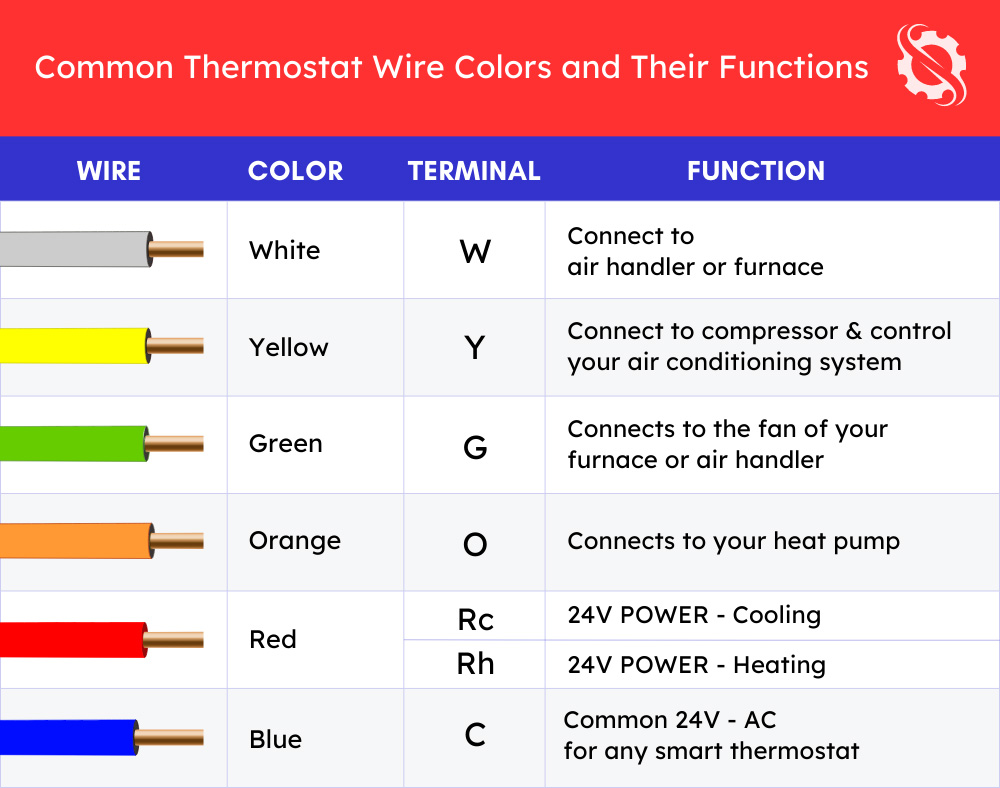
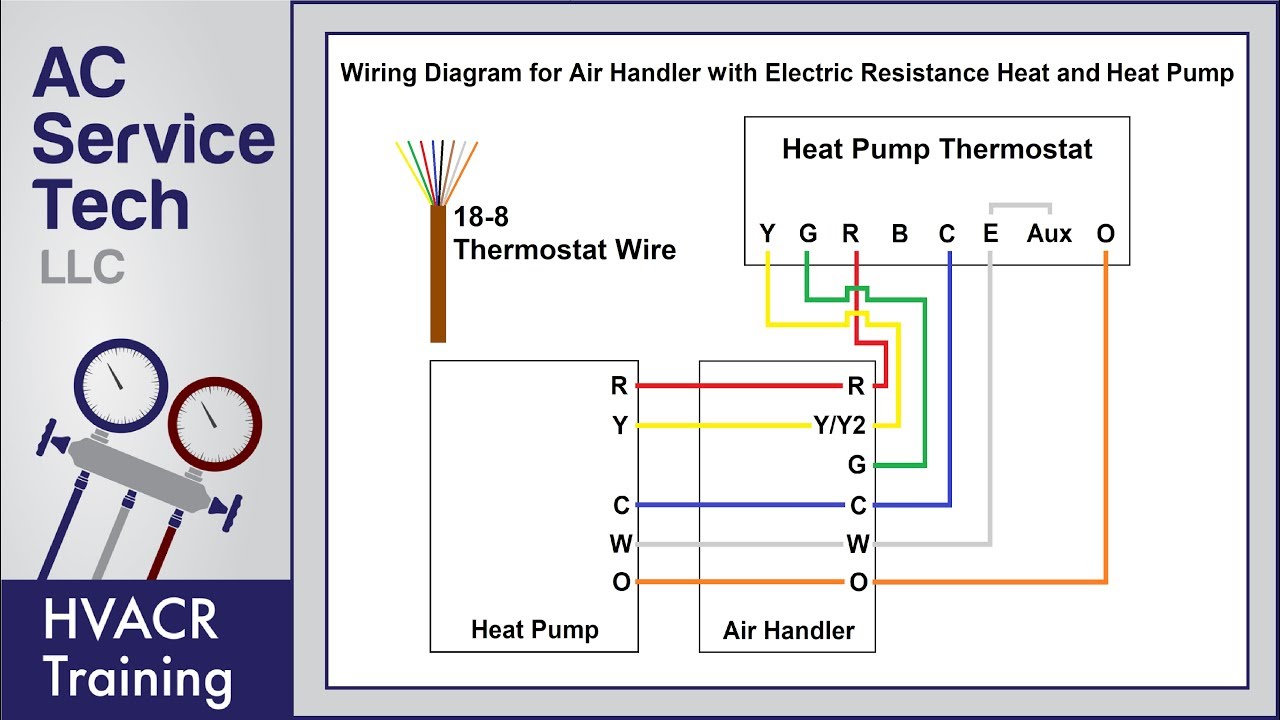
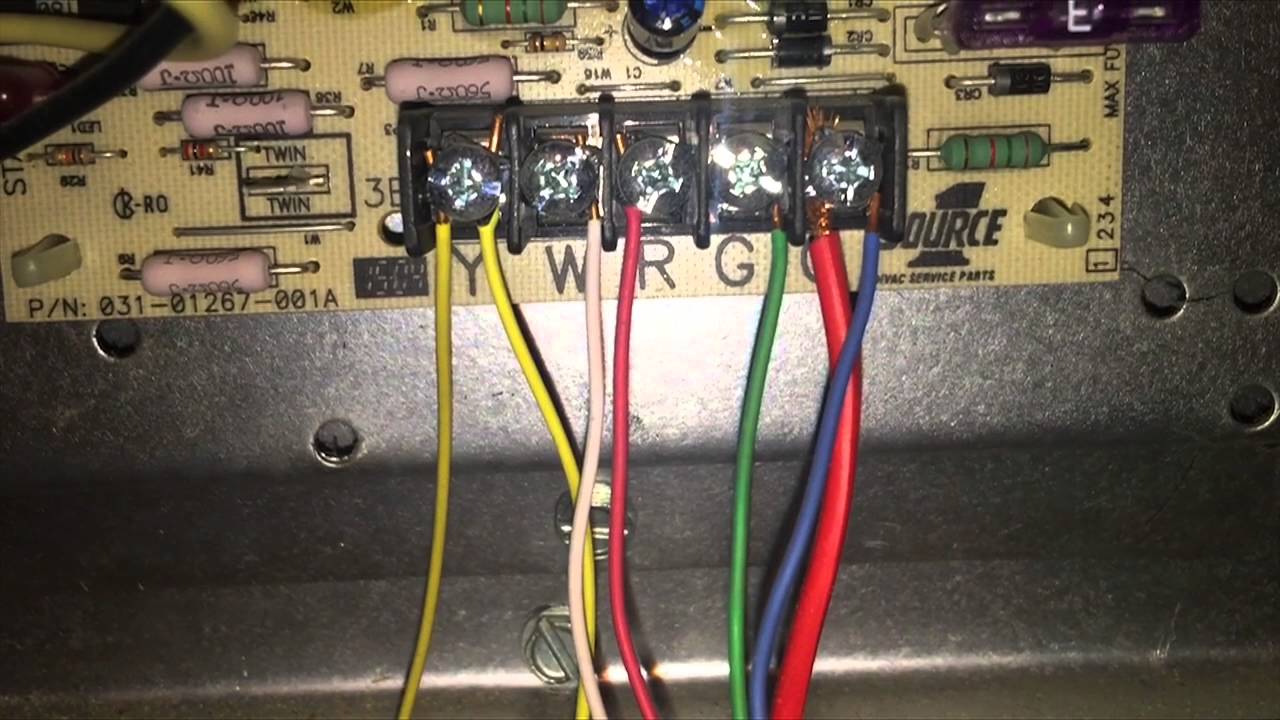
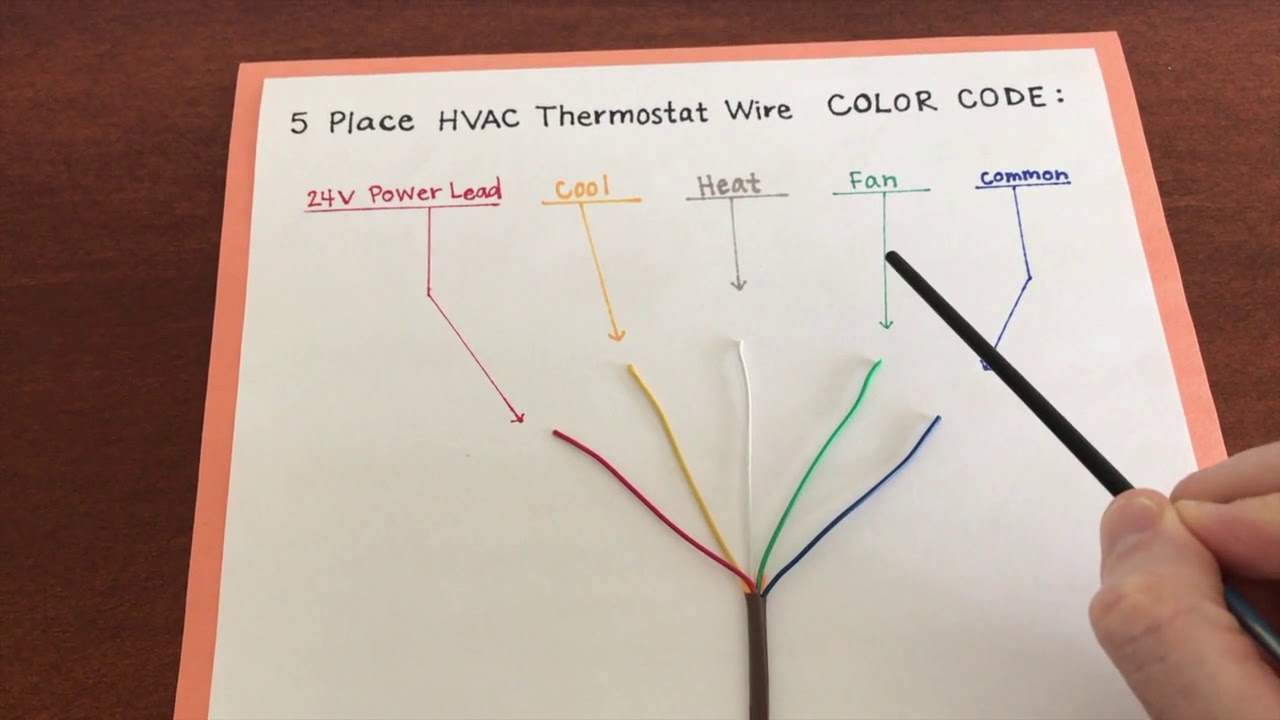
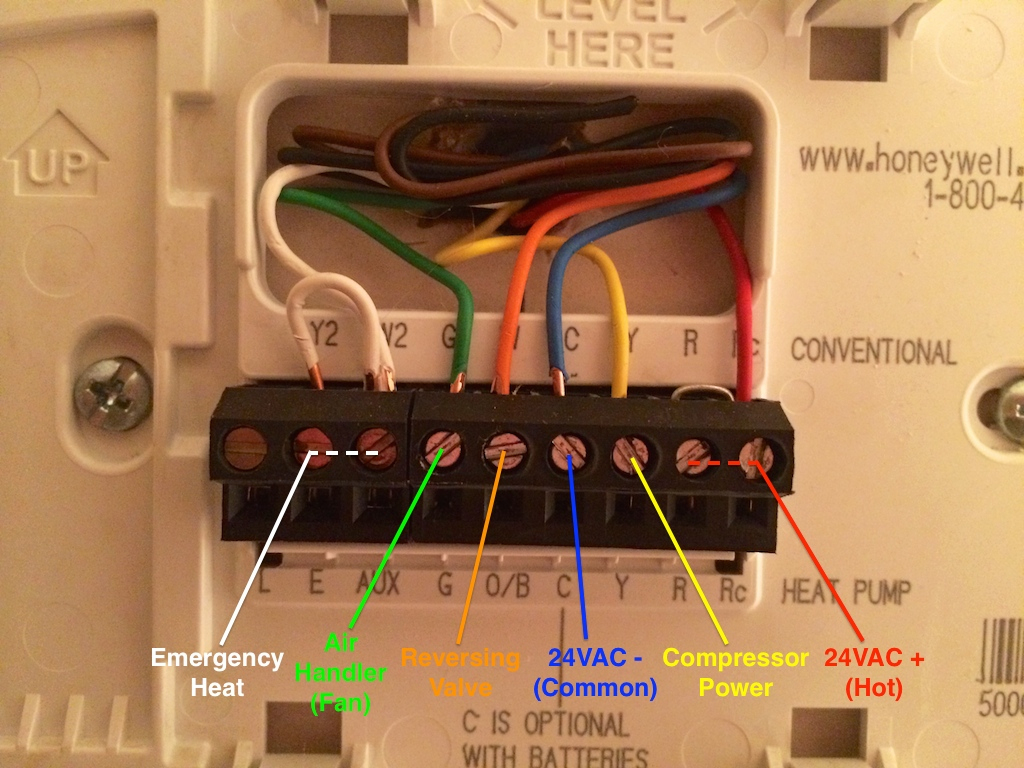
At the heart of every HVAC system lies a network of wires that dictate its operation. These wires connect the thermostat to the furnace, air conditioner, and other crucial components. Color-coding is standard, but variations exist based on the manufacturer and the system's age. Here’s a quick rundown of common wire designations:
- R (Red): Power (24VAC). This is the lifeblood of your thermostat and control circuits.
- W (White): Heat. Signals the furnace to turn on.
- Y (Yellow): Cooling. Activates the air conditioner.
- G (Green): Fan. Controls the blower fan, used for both heating and cooling.
- C (Common/Blue): Provides a complete circuit for the thermostat, often required for smart thermostats.
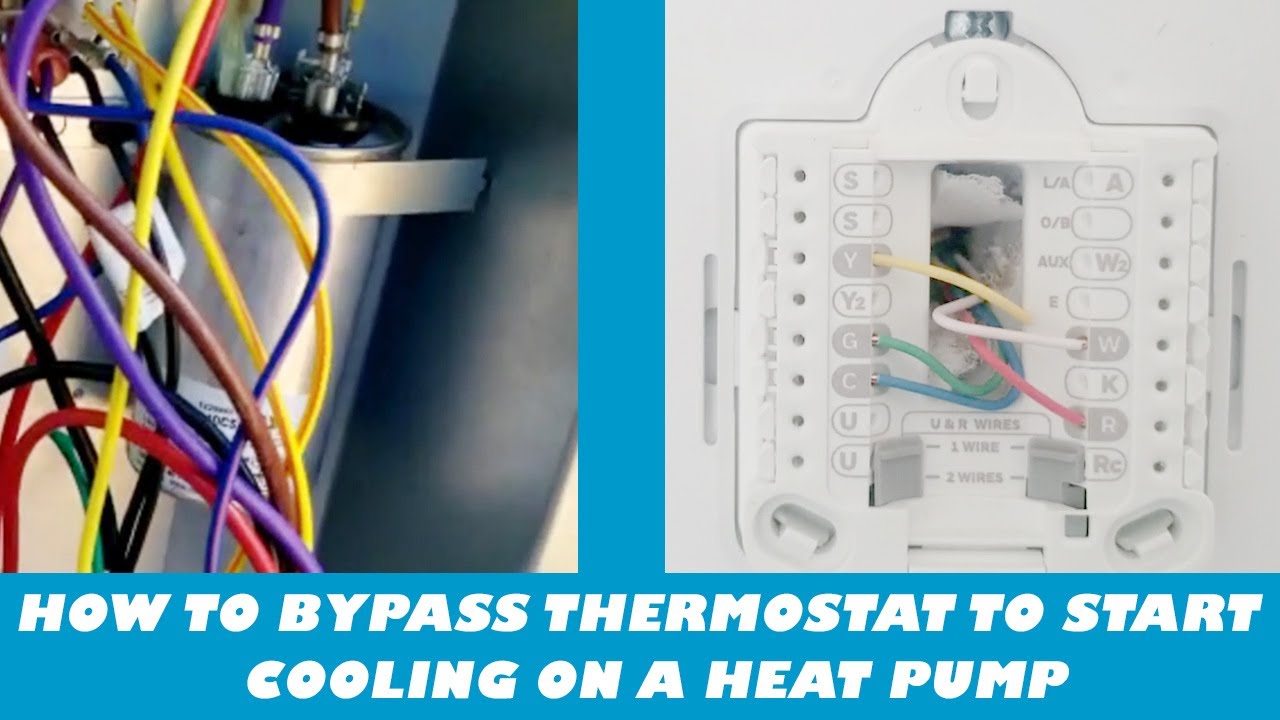
Jumping wires essentially bypasses the thermostat, directly connecting two wires to force a specific function. For example, jumping the R and W wires directly signals the furnace to turn on, regardless of the thermostat's settings. This is a common troubleshooting technique, but it needs to be handled with care.
Why Jump Wires (And Why You Probably Shouldn't)
The most common reason for jumping wires is to diagnose a malfunctioning thermostat. If your furnace isn't responding to thermostat adjustments, jumping the R and W wires can help determine if the thermostat itself is the problem or if the issue lies elsewhere in the system, such as a faulty furnace control board.
However, **directly jumping wires carries significant risks:**
- Electrical Shock: HVAC systems, while using low-voltage circuits, can still deliver a painful and potentially dangerous shock.
- Damage to Components: Incorrectly jumping wires can short-circuit components like the control board, transformer, or even the furnace itself, leading to costly repairs.
- Voiding Warranty: Tampering with the wiring can void your HVAC system's warranty, leaving you responsible for all repair costs.
- Safety Hazards: Continuously running the furnace without thermostat control can lead to overheating or even a fire hazard.
Instead of resorting to jumping wires, consider safer and more efficient troubleshooting methods.
Safer Troubleshooting Methods: A Step-by-Step Guide
Before diving into any electrical work, always turn off the power to your HVAC system at the circuit breaker. This is the most crucial safety precaution.
- Check the Thermostat Batteries: A surprising number of heating issues stem from dead batteries. Replace them and see if that resolves the problem.
- Inspect the Wiring Connections: Ensure all wires are securely connected to the thermostat and the furnace control board. Loose connections can disrupt the signal flow.
- Use a Multimeter: A multimeter is an invaluable tool for testing voltage and continuity. You can use it to verify that the thermostat is sending the correct voltage signal to the furnace when heat is requested. If you are not comfortable using a multimeter, contact a qualified HVAC technician.
- Check the Furnace Filter: A clogged filter restricts airflow, causing the furnace to overheat and potentially shut down. Replace the filter with a clean one. Energy Star recommends changing your filter every 1-3 months, depending on usage and the type of filter.
- Inspect the Furnace Flame Sensor: The flame sensor detects whether the burner is lit. If it's dirty or faulty, the furnace will shut down as a safety precaution. Clean the flame sensor with fine steel wool or sandpaper.
- Consult the HVAC System's Manual: Your system's manual contains valuable information about troubleshooting common issues and error codes.
Smart Thermostats and Energy Efficiency
Upgrading to a smart thermostat is a smart move for energy-conscious homeowners and businesses. These devices offer a range of features that can significantly reduce energy consumption:
- Programmable Schedules: Set different temperatures for different times of the day, optimizing energy use based on occupancy patterns. For example, lower the temperature when you're away at work or asleep. Studies show that proper use of programmable thermostats can save you up to 10% on heating and cooling costs annually.
- Remote Access: Control your HVAC system from anywhere using your smartphone or tablet. Adjust the temperature before you arrive home or turn off the system if you forgot.
- Learning Capabilities: Some smart thermostats learn your heating and cooling preferences over time and automatically adjust the settings for optimal comfort and efficiency.
- Geofencing: This feature uses your smartphone's location to automatically adjust the temperature when you leave or approach your home.
- Energy Reports: Smart thermostats provide detailed reports on your energy consumption, allowing you to identify areas where you can save even more.
Before installing a smart thermostat, ensure your HVAC system is compatible. Some older systems may require a common wire (C-wire) to provide continuous power to the thermostat. If your system doesn't have a C-wire, you may need to install one or use a C-wire adapter.
The Role of Professional HVAC Technicians
While some DIY troubleshooting is possible, complex HVAC problems are best left to qualified professionals. HVAC technicians have the training, experience, and tools to diagnose and repair issues safely and efficiently. They can also identify potential problems before they become major breakdowns, saving you money in the long run.
Consider these benefits of hiring a professional:
- Accurate Diagnosis: Technicians can quickly and accurately diagnose the root cause of the problem.
- Safe Repairs: They have the expertise to perform repairs safely, minimizing the risk of electrical shock or damage to your system.
- Warranty Protection: Using a qualified technician ensures your warranty remains valid.
- Improved Efficiency: Technicians can optimize your system's performance, improving energy efficiency and lowering your utility bills.
- Rebates and Incentives: Many states and utility companies offer rebates and incentives for energy-efficient HVAC upgrades. A qualified technician can help you navigate these programs and ensure you receive the maximum benefit. The Database of State Incentives for Renewables & Efficiency (DSIRE) is a great resource for finding available rebates.
Sustainable HVAC Solutions for Long-Term Savings
Beyond smart thermostats, consider these sustainable HVAC solutions for long-term energy savings:
- High-Efficiency Furnaces: Upgrade to a high-efficiency furnace with an Annual Fuel Utilization Efficiency (AFUE) rating of 90% or higher. These furnaces convert a higher percentage of fuel into heat, reducing energy waste.
- Heat Pumps: Heat pumps are an energy-efficient alternative to traditional furnaces and air conditioners. They transfer heat rather than generating it, making them more efficient. In colder climates, consider a cold-climate heat pump designed to operate efficiently in sub-freezing temperatures.
- Duct Sealing: Leaky ducts can waste up to 30% of the energy used to heat or cool your home. Sealing and insulating your ducts can significantly improve energy efficiency.
- Proper Insulation: Adequate insulation in your attic, walls, and floors helps to maintain a consistent temperature, reducing the load on your HVAC system.
- Regular Maintenance: Schedule annual maintenance for your HVAC system to ensure it's running efficiently and to catch any potential problems early.
Integrating with Smart Home Systems
Smart HVAC systems can be seamlessly integrated with other smart home devices, creating a truly intelligent and energy-efficient home. For example, you can connect your smart thermostat to your smart lighting system to automatically adjust the temperature when you leave a room. You can also integrate your HVAC system with your home security system to automatically turn off the heating or cooling when the windows are opened.
Integrating your smart HVAC system with your smart home ecosystem allows for even greater control and optimization, leading to further energy savings and enhanced comfort.
Conclusion
While “jumping” wires might seem like a quick fix for HVAC problems, it's a risky practice that can lead to electrical shock, component damage, and voided warranties. Instead, prioritize safer troubleshooting methods, consider upgrading to a smart thermostat, and consult with a qualified HVAC technician for complex issues. By embracing energy-efficient solutions and integrating with smart home systems, you can significantly reduce your energy consumption, lower your utility bills, and create a more sustainable and comfortable living environment.