Whats A Consumable In Hvac Terms

Understanding Consumables in HVAC Systems: A Homeowner's Guide
When investing in a new HVAC (Heating, Ventilation, and Air Conditioning) system, it's easy to focus on the initial cost and energy efficiency ratings like AFUE, SEER, and HSPF. However, understanding the concept of “consumables” is crucial for budgeting and long-term maintenance. Consumables are components of your HVAC system that require periodic replacement to ensure optimal performance and prevent system failure. Neglecting these can lead to costly repairs and a shorter lifespan for your entire system.
What Exactly Are HVAC Consumables?
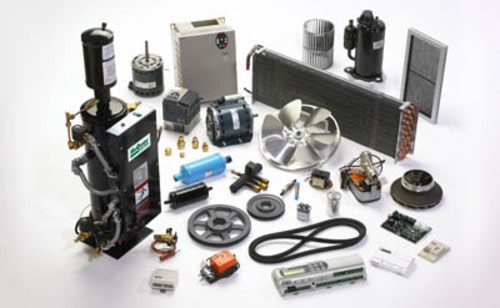
HVAC consumables are parts that wear down or degrade over time with regular use. Unlike major components like the compressor or heat exchanger, consumables have a limited lifespan and need to be replaced as part of routine maintenance. Ignoring these replacements can compromise the system's efficiency, air quality, and overall reliability. Here's a breakdown of common HVAC consumables:
Air Filters
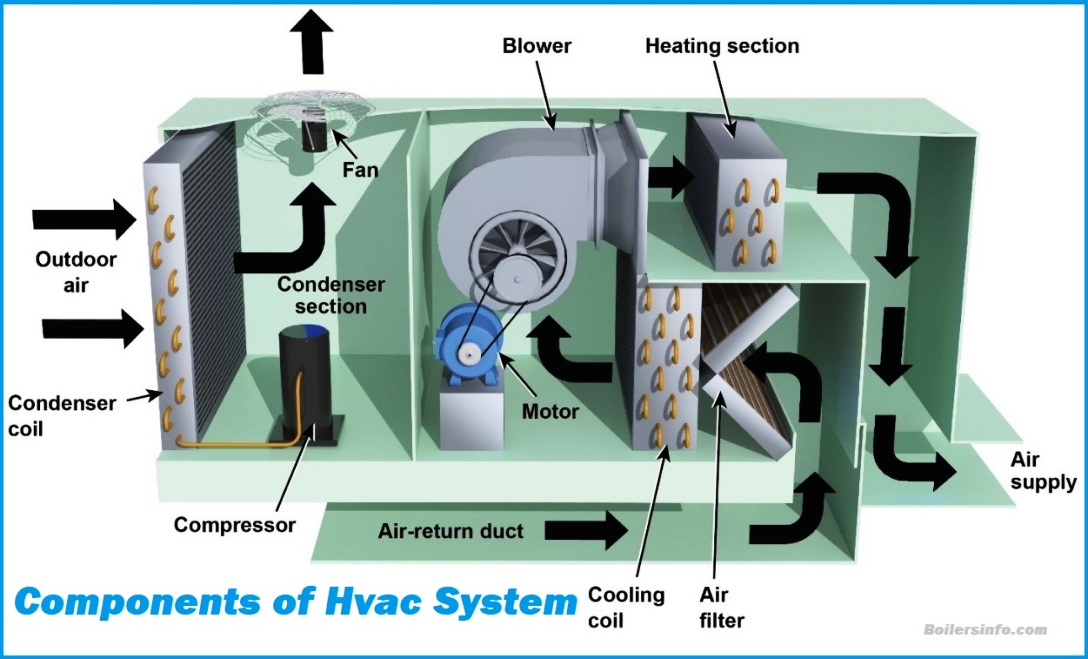
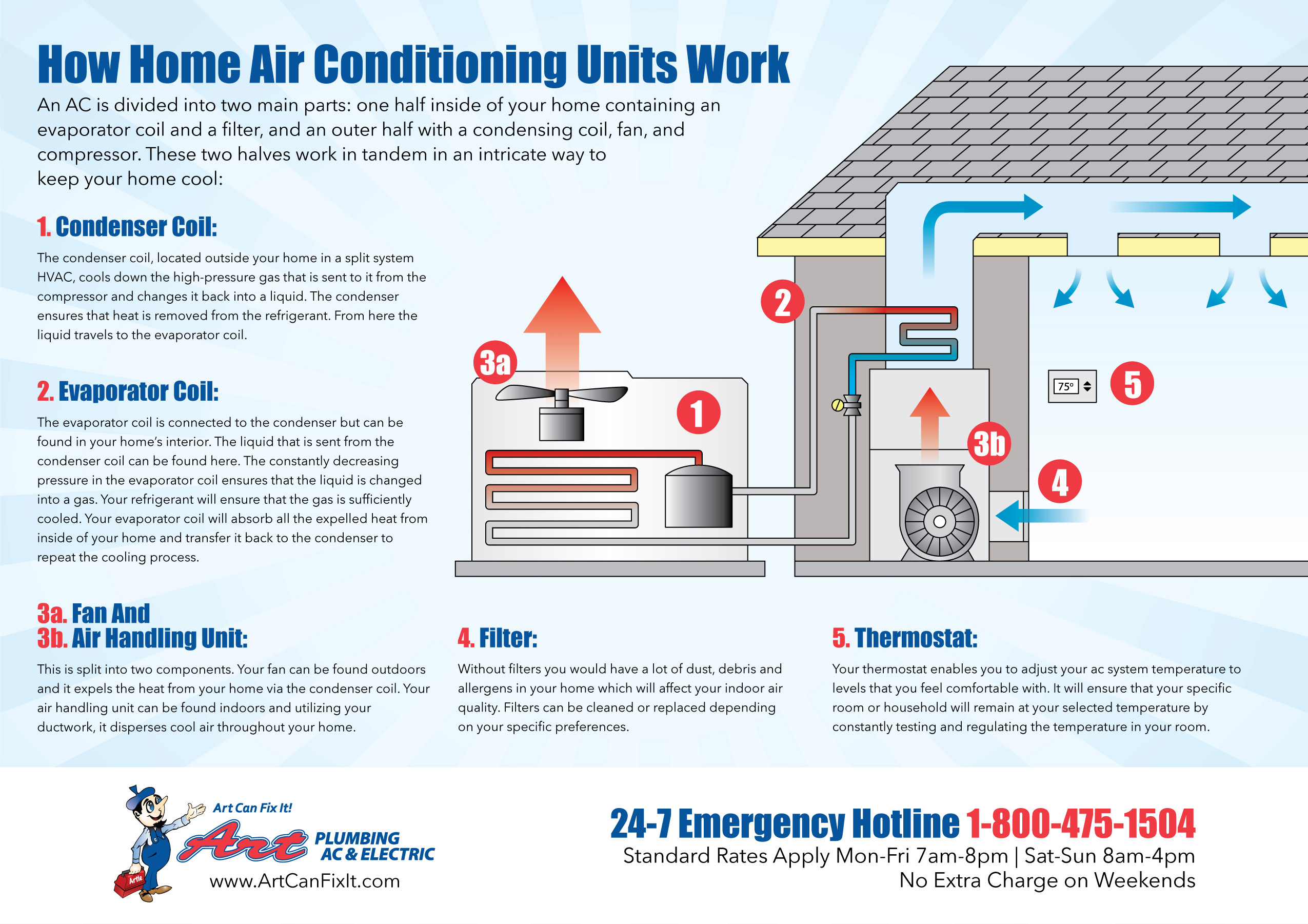
Air filters are arguably the most crucial and frequently replaced consumable. Their primary function is to trap dust, pollen, pet dander, and other airborne particles, preventing them from circulating through your home and damaging the HVAC system’s internal components. Clogged air filters restrict airflow, forcing the system to work harder, reducing efficiency, and potentially causing the evaporator coil to freeze.
Types of Air Filters:
- Fiberglass Filters: These are the least expensive and offer minimal filtration. They are primarily designed to protect the HVAC equipment, not improve air quality.
- Pleated Filters: Made from folded paper or cloth, pleated filters offer better filtration than fiberglass filters and capture smaller particles. MERV (Minimum Efficiency Reporting Value) ratings indicate their filtration effectiveness. Higher MERV ratings (8-12) are generally recommended for better air quality.
- Electrostatic Filters: These filters use an electrostatic charge to attract and trap particles. They can be washable or disposable.
- HEPA Filters: High-Efficiency Particulate Air (HEPA) filters are the most effective at removing microscopic particles, including allergens and bacteria. They are typically used in specialized air purifiers and some high-end HVAC systems.
Replacement Frequency: Typically, air filters should be replaced every 1-3 months, depending on the type of filter, the presence of pets, and the overall air quality in your home.
Refrigerant
Refrigerant is the fluid that circulates within your air conditioning system, absorbing heat from inside your home and releasing it outside. While not technically consumed in the sense of being used up, refrigerant can leak out of the system over time due to loose connections or corrosion. Low refrigerant levels reduce cooling efficiency and can damage the compressor. R-22 refrigerant, once widely used, is being phased out due to its environmental impact and replaced with more eco-friendly options like R-410A and R-32. Adding refrigerant is not a DIY task and requires a certified HVAC technician to identify and repair any leaks before recharging the system.
Belts
Many older HVAC systems, especially furnaces, use belts to transfer power from the motor to the blower fan. Over time, these belts can wear out, crack, or stretch, leading to reduced airflow and noisy operation. Regularly inspecting and replacing belts is essential for maintaining efficient performance. Newer systems often use direct-drive motors, eliminating the need for belts.
Igniters and Flame Sensors
In gas furnaces, the igniter is responsible for igniting the gas, while the flame sensor verifies that the flame is present. These components are subjected to high temperatures and can fail over time. A faulty igniter will prevent the furnace from starting, while a malfunctioning flame sensor can cause the furnace to shut down prematurely. Regular inspection and replacement, when needed, are vital for safe and reliable heating.
Capacitors
Capacitors are electrical components that store energy and help start and run the motors in your air conditioner or furnace. They can weaken or fail over time, leading to motor problems and reduced efficiency. A failing capacitor can cause the motor to hum, struggle to start, or overheat. Replacement is a relatively inexpensive repair that can prevent more significant damage to the motor.
Batteries (for Thermostats)
Many modern thermostats, especially smart thermostats, rely on batteries for backup power or primary operation. Replacing these batteries regularly is essential to ensure that your thermostat functions properly and maintains your desired temperature settings. Low battery levels can lead to inaccurate temperature readings or complete thermostat failure.
Why Are Consumables Important?
Ignoring HVAC consumables can have several negative consequences:
- Reduced Efficiency: Clogged air filters, low refrigerant levels, and worn-out belts can all reduce the efficiency of your HVAC system, leading to higher energy bills.
- Equipment Damage: Overworked motors, frozen evaporator coils, and other problems caused by neglected consumables can lead to costly repairs or premature system failure.
- Poor Air Quality: Dirty air filters allow dust, pollen, and other allergens to circulate through your home, worsening indoor air quality and potentially aggravating respiratory problems.
- Safety Hazards: Faulty igniters or flame sensors in gas furnaces can create safety hazards, such as gas leaks or carbon monoxide poisoning.
Maintenance and Prevention
Regular maintenance is the key to maximizing the lifespan and efficiency of your HVAC system and minimizing the risk of problems caused by neglected consumables. Here are some essential maintenance tasks:
- Replace Air Filters Regularly: Follow the manufacturer's recommendations for filter replacement.
- Schedule Annual Professional Maintenance: Have a qualified HVAC technician inspect and tune up your system annually. This includes checking refrigerant levels, cleaning coils, inspecting belts and pulleys, and testing electrical components.
- Clean Outdoor Unit: Remove debris from around the outdoor unit to ensure proper airflow.
- Monitor System Performance: Pay attention to any changes in your system's performance, such as unusual noises, reduced airflow, or increased energy bills.
Popular HVAC Brands and Consumable Considerations
When choosing a new HVAC system, consider the availability and cost of replacement consumables. Some brands and models may use proprietary parts that are more expensive or difficult to find. Here's a brief overview of some popular HVAC brands and their general reputation:
- Carrier: Known for its high-efficiency and innovative features. Carrier systems often require specific air filters and may have proprietary components. Consider models like the Carrier Infinity 26 (SEER up to 26, AFUE up to 98.5%)
- Trane: Reputed for its durability and reliability. Trane systems often use readily available consumables. Look at the Trane XV20i (SEER up to 22, HSPF up to 10)
- Lennox: Offers a wide range of options, from budget-friendly to high-end models. Lennox systems may have specific air filter requirements. Consider the Lennox SL280V (AFUE up to 80%)
- Goodman: Known for its affordability and value. Goodman systems generally use readily available consumables.
- Rheem: A reliable brand with a range of options. Rheem systems have good parts availability.
Note: These are general observations, and specific consumable requirements may vary depending on the model. Always consult the manufacturer's documentation for detailed information.
Warranties and Consumables
HVAC system warranties typically cover defects in materials and workmanship but generally do not cover consumable items. Understanding the terms of your warranty is essential. Some extended warranties may offer coverage for certain consumable replacements, but these are usually sold separately.
Cost Considerations
The cost of HVAC consumables varies depending on the type of component, the brand, and the supplier. Air filters can range from a few dollars for basic fiberglass filters to $20 or more for high-efficiency pleated or electrostatic filters. Refrigerant recharging can cost several hundred dollars, depending on the amount of refrigerant needed and the labor involved. Belts, igniters, and capacitors are typically relatively inexpensive to replace.
Budgeting for consumable replacements is an important part of owning an HVAC system. Factor in the cost of air filters and annual maintenance into your home maintenance budget. Preventative maintenance is almost always less expensive than reactive repairs.
Conclusion
Understanding HVAC consumables is essential for homeowners looking to maximize the lifespan, efficiency, and reliability of their heating and cooling systems. By proactively replacing consumables and performing regular maintenance, you can prevent costly repairs, improve indoor air quality, and save money on energy bills. Don't overlook these often-forgotten components – they play a crucial role in keeping your home comfortable and your HVAC system running smoothly for years to come. Consult with a qualified HVAC professional to determine the specific consumable requirements for your system and develop a comprehensive maintenance plan.
Investing a little time and money in HVAC consumable maintenance saves significant costs down the line.