What's A Good Air Conditioner Temperature
Finding the "perfect" air conditioner temperature is a balancing act. Comfort, energy efficiency, and the lifespan of your HVAC system are all impacted by the thermostat setting you choose. This article explores the factors that influence the ideal temperature setting for different situations, providing guidance for homeowners, HVAC technicians, and facility managers alike.
Understanding Comfort, Cost, and System Impact
Before diving into specific temperature recommendations, it's crucial to understand the interplay between comfort, cost, and the strain placed on your air conditioning system.
Comfort Considerations
Comfort is subjective, varying based on individual preferences, activity levels, and even clothing choices. What feels comfortable to one person might feel too warm or too cold to another. Factors like humidity also play a significant role. High humidity makes a room feel warmer, even at the same temperature, because sweat evaporates less efficiently, reducing the body's natural cooling mechanism.
The Energy Efficiency Factor
The lower you set your thermostat, the harder your air conditioner has to work, and the more energy it consumes. This translates directly into higher energy bills. Each degree you lower the thermostat below the outside temperature target can increase energy consumption by 1-3%. Setting your thermostat higher, even by a few degrees, can result in significant energy savings over the cooling season. For example, raising the thermostat from 72°F to 75°F could reduce your cooling costs by as much as 10-15%.
System Strain and Lifespan
Constantly running your air conditioner at a very low temperature puts a strain on its components, especially the compressor. The compressor is the heart of the AC system, and excessive use can lead to premature wear and tear, shortening the lifespan of your unit and potentially requiring costly repairs or replacement. Frequent starting and stopping also contribute to wear and tear. Consider the SEER (Seasonal Energy Efficiency Ratio) rating of your unit. A higher SEER rating indicates a more efficient unit, meaning it can achieve the same cooling output with less energy consumption and strain.
Recommended Temperature Settings
Given these considerations, what's a good air conditioner temperature? Here's a breakdown for different scenarios:
When You're Home and Awake
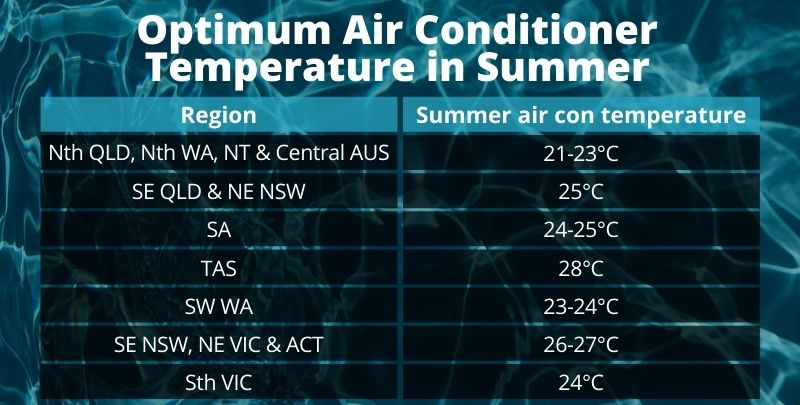
Most experts recommend setting your thermostat between 75°F and 78°F (24°C and 26°C) when you're home and awake. This range balances comfort with energy efficiency. Experiment within this range to find the setting that works best for you. Using ceiling fans can also help circulate air and make the room feel cooler, allowing you to set the thermostat slightly higher without sacrificing comfort.
When You're Asleep
During sleep, your body temperature naturally drops, so you may find that you prefer a slightly warmer temperature. Setting your thermostat a few degrees higher, perhaps around 78°F to 82°F (26°C to 28°C), can save energy without significantly impacting your sleep quality. Some programmable thermostats even offer sleep schedules that automatically adjust the temperature at night.
When You're Away From Home
The biggest energy savings come when you raise the thermostat significantly when you're away from home. The U.S. Department of Energy recommends setting your thermostat to 85°F (29°C) when you're out of the house. This prevents your AC from working hard to maintain an empty house at a comfortable temperature. A smart or programmable thermostat can automate this process, allowing you to schedule temperature changes based on your daily routine. If you have pets, you might need to set a lower temperature to ensure their comfort and safety. Consult with a veterinarian for recommendations.
Humidity Control: A Critical Factor
As mentioned earlier, humidity significantly impacts comfort. Even if the temperature is within the recommended range, high humidity can make a room feel stuffy and uncomfortable. Dehumidifiers can help remove excess moisture from the air, allowing you to set your thermostat a few degrees higher without sacrificing comfort. Some air conditioners also have a "dehumidify" mode that prioritizes moisture removal. Investing in a whole-house dehumidifier can be a particularly effective solution for homes in humid climates. Remember to regularly clean or replace the dehumidifier's filter to maintain optimal performance.
HVAC System Considerations
The type and condition of your HVAC system also influence the optimal temperature setting.
System Size and Capacity
An improperly sized air conditioner will struggle to maintain the desired temperature, regardless of the setting. An undersized unit will run constantly without effectively cooling the space, while an oversized unit will cycle on and off frequently, leading to uneven cooling and increased wear and tear. A properly sized unit will run efficiently and maintain a consistent temperature. HVAC technicians use a process called a Manual J load calculation to determine the appropriate size AC unit for a given home.
System Age and Condition
Older air conditioners are typically less efficient than newer models, requiring more energy to achieve the same cooling output. Regular maintenance, such as cleaning the coils and replacing the air filter, can improve the efficiency of older units, but eventually, replacement may be necessary. Upgrading to a newer, high-efficiency model with a high SEER rating can significantly reduce your energy bills and improve your home's comfort.
Ductwork Efficiency
Leaky or poorly insulated ductwork can cause significant energy loss, making it difficult to maintain a consistent temperature throughout your home. Have your ductwork inspected and sealed by a qualified HVAC technician to ensure that conditioned air is delivered efficiently to each room. Duct sealing can reduce energy waste by as much as 20%. Duct insulation is also crucial, especially in unconditioned spaces like attics and crawl spaces.
Smart Thermostats and Zone Control
Smart thermostats and zone control systems offer advanced features that can help you optimize your cooling and heating. Smart thermostats learn your habits and automatically adjust the temperature based on your schedule, while zone control systems allow you to control the temperature in different areas of your home independently. This is especially useful for homes with multiple levels or rooms that are not used frequently. These systems can lead to significant energy savings and improved comfort.
For Facility Managers: Large-Scale Cooling Strategies
Facility managers face unique challenges when it comes to maintaining comfortable temperatures in large buildings. Here are some strategies to consider:
- Centralized HVAC Systems: Optimize the settings on your centralized HVAC system to balance comfort and energy efficiency. Consider implementing a building automation system (BAS) to monitor and control temperature, humidity, and ventilation throughout the building.
- Occupancy Sensors: Use occupancy sensors to adjust the temperature in unoccupied areas of the building. This can significantly reduce energy consumption without impacting the comfort of employees or tenants.
- Regular Maintenance: Implement a comprehensive maintenance program for your HVAC systems to ensure optimal performance and prevent breakdowns. This includes regular filter changes, coil cleaning, and system inspections.
- Energy Audits: Conduct regular energy audits to identify areas where you can improve energy efficiency. This can involve assessing insulation levels, lighting systems, and HVAC performance.
- Employee/Tenant Education: Educate employees and tenants about energy-saving measures they can take, such as turning off lights when they leave a room and adjusting the thermostat in their individual offices or zones (if applicable).
Troubleshooting Common AC Problems
Sometimes, even with the right temperature setting, your AC might not be performing optimally. Here are some common problems and their solutions:
- AC Not Cooling Enough: Check the air filter, clean the coils, and ensure that the outdoor unit is free of debris. If the problem persists, contact an HVAC technician to diagnose the issue.
- AC Running Constantly: This could indicate an undersized unit, leaky ductwork, or a refrigerant leak. Contact an HVAC technician for assistance.
- High Energy Bills: Check for air leaks around windows and doors, improve insulation, and consider upgrading to a more efficient AC unit.
- Uneven Cooling: This could be caused by blocked vents, leaky ductwork, or an improperly balanced HVAC system.
Finding the ideal air conditioner temperature is a personalized process that involves balancing comfort, energy efficiency, and the health of your HVAC system. By understanding the factors discussed in this article, homeowners, HVAC technicians, and facility managers can make informed decisions that optimize their cooling strategies and create comfortable and energy-efficient environments.